ToolMage
Sign in

Best 1 Patient Acquisition AI tools for Healthcare

Popular Patient Acquisition AI tools in Healthcare include fluentedgeagency, helping you work more efficiently.

fluentedgeagency
Paid

fluentedgeagency

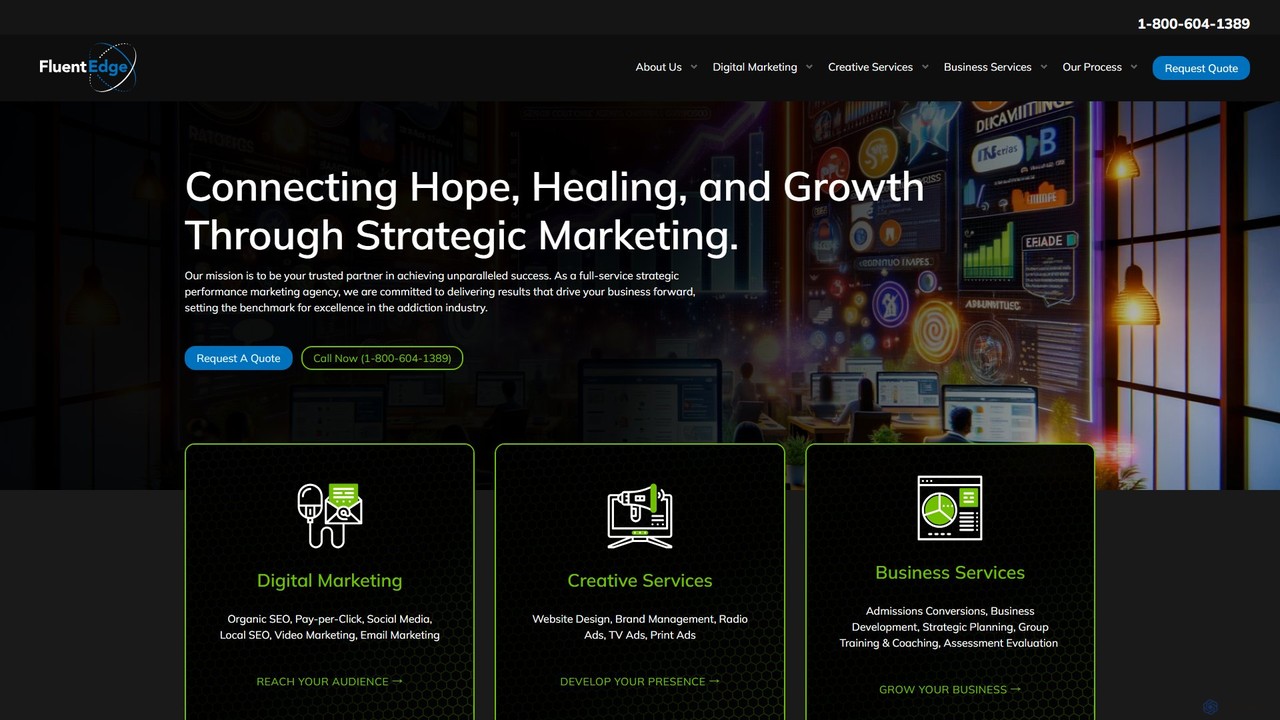
FluentEdge is a full-service strategic performance marketing and operations agency specializing in the addiction treatment industry. It offers a comprehensive suite of services, including digital marketing, business development, and creative services, to help treatment centers enhance visibility, increase admissions, and achieve sustainable growth.

Consulting
Visits 5.9KFavorites 139Likes 153

About Patient Acquisition

Patient Acquisition tools are AI-powered platforms designed to help healthcare providers attract, engage, and convert new patients. These tools leverage machine learning for targeted advertising, natural language processing for automated communication, and predictive analytics to identify high-potential patient demographics. They streamline the entire process from initial discovery to a booked appointment, enhancing both marketing efficiency and the prospective patient's experience. Unlike general marketing software, these solutions are often built with healthcare compliance, such as HIPAA, in mind.

Core Features

  • Predictive Lead Scoring: Uses AI to analyze user behavior and demographic data to identify individuals most likely to become patients.
  • AI-Powered Chatbots & Schedulers: Provides 24/7 automated responses to inquiries and allows patients to book appointments directly on the website.
  • Automated Reputation Management: Monitors online reviews across various platforms, using sentiment analysis to flag urgent feedback and suggest responses.
  • Targeted Ad Campaign Optimization: Automatically adjusts digital advertising campaigns to reach specific patient profiles for particular services, maximizing return on investment.
  • Personalized Communication Workflows: Creates automated email and SMS sequences to nurture potential patients who have shown interest but not yet booked.

Use Cases

These tools are ideal for private medical practices (such as dental, dermatology, or orthopedic clinics), multi-location medical groups, and hospitals aiming to grow their patient base. They are used by practice managers and marketing teams to automate lead generation, manage online presence, and fill appointment calendars efficiently.

How to Choose

When selecting a Patient Acquisition tool, prioritize solutions with robust HIPAA compliance and security features. Evaluate its ability to integrate with your existing Electronic Health Record (EHR) or practice management software. Consider the specific features you need most—whether it's advertising, scheduling, or reputation management—and choose a platform with a pricing model that scales with your practice's growth.

Patient Acquisition use cases

1

Automating Appointment Booking for a Dental Clinic

An office manager at a busy dental clinic is overwhelmed with phone calls for appointments, many of which come in after hours. By implementing an AI-powered chatbot on the clinic's website, prospective patients can get instant answers to common questions like insurance coverage and office hours. The chatbot guides them through a simple process to view available slots and book an appointment directly into the practice management system, 24/7. This reduces the front desk's call volume by over 30% and captures new patients who prefer the convenience of online booking.

2

Running Hyper-Targeted Ads for a Dermatology Practice

A marketing manager for a dermatology group wants to attract patients for high-value cosmetic services. Using a patient acquisition platform, they can leverage AI to analyze local demographic data and online search trends. The AI identifies and targets users who are actively researching treatments like Botox or laser therapy. It then automatically optimizes ad spend across social media and search engines to reach this specific audience, resulting in a 50% increase in qualified leads for consultations while reducing the overall cost-per-acquisition.

3

Managing Online Reputation for a Multi-Location Clinic

A practice administrator for an orthopedic group with five locations struggles to keep track of online reviews. An AI reputation management tool automatically aggregates reviews from Google, Healthgrades, and other sites into a single dashboard. It uses sentiment analysis to instantly flag negative reviews requiring immediate attention. The AI also provides HIPAA-compliant response templates, allowing the administrator to quickly address patient concerns, maintain a positive online presence, and improve their average star rating across all locations.

4

Nurturing Leads for Elective Surgery Consultations

A patient coordinator at a plastic surgery center notes that many potential patients inquire online but fail to book a consultation. By using an AI-driven CRM, they can automate a personalized follow-up sequence. When a user downloads a brochure about a procedure, the system triggers a series of educational emails and text messages over several weeks. This workflow provides valuable information, shares patient testimonials, and sends gentle reminders to book, effectively nurturing leads and increasing the consultation booking rate by 20%.

5

Predicting Patient Demand for a New Clinic Location

A healthcare network is planning to open a new primary care clinic and needs to forecast patient volume to determine staffing and marketing budgets. They use an AI platform that analyzes public health data, local demographics, competitor density, and insurance coverage trends. The model predicts patient demand for specific services in the target zip codes. This data-driven forecast allows the network to optimize its service offerings, set realistic growth targets, and allocate marketing resources more effectively, ensuring a successful launch.

6

Improving Website Conversion with Personalized Content

A hospital network's website receives high traffic but has a low appointment conversion rate. By integrating a patient acquisition tool, they can personalize the user experience. The AI tracks a visitor's browsing behavior; for instance, if a user spends time on the cardiology services page, the website dynamically displays testimonials from heart patients and highlights the profiles of top cardiologists. This tailored experience makes the content more relevant and compelling, guiding the user towards booking a consultation and increasing the overall website conversion rate.

Patient Acquisition FAQ

What are AI Patient Acquisition tools?

AI Patient Acquisition tools are specialized software platforms that use artificial intelligence to help healthcare providers find and attract new patients. They automate and optimize tasks like digital advertising, online appointment scheduling, and managing a practice's online reputation. Their primary goal is to streamline marketing efforts and make it easier for potential patients to connect with and book services at a clinic or hospital.

How do these tools differ from general marketing AI?

The key difference lies in their industry-specific focus. Patient Acquisition tools are built for healthcare and often include critical features that general marketing AI lacks, such as:

  • HIPAA Compliance: Ensuring patient data is handled securely according to legal standards.
  • EMR/EHR Integration: Ability to connect with practice management software for seamless appointment booking.
  • Healthcare-Specific Language Models: AI chatbots and ad targeting systems are trained to understand medical terminology and patient intent.
General marketing tools are not designed to handle these specific requirements of the healthcare sector.

What are the key features to look for in a Patient Acquisition tool?

When evaluating tools, focus on features that directly impact growth and efficiency. Key features include an intelligent, 24/7 appointment scheduler or chatbot, automated management of online reviews, tools for creating and optimizing targeted local ad campaigns, and personalized lead nurturing workflows via email or SMS. Strong analytics and reporting are also crucial to measure the return on investment (ROI) of your marketing efforts.

Who can benefit from using Patient Acquisition AI?

Any healthcare provider looking to grow their patient base can benefit. This includes private practices (e.g., dental, dermatology, chiropractic), specialized clinics, small to medium-sized hospitals, and multi-location medical groups. These tools are particularly valuable for practices that want to improve their online visibility, compete more effectively in their local market, and reduce the administrative burden on front-desk staff.

Is it difficult to implement an AI Patient Acquisition system?

Most modern tools are designed to be user-friendly for non-technical staff like practice managers. Implementation difficulty varies. Basic features like website chatbots can often be set up by adding a simple piece of code to your website. More complex integrations, such as connecting with an Electronic Health Record (EHR) system, may require more technical assistance, but vendors typically provide dedicated support and onboarding to guide you through the process.