
ToolMage
Sign in

Best 1 Posture Analysis AI tools for Healthcare

Popular Posture Analysis AI tools in Healthcare include BodyCheck, helping you work more efficiently.

BodyCheck

BodyCheck

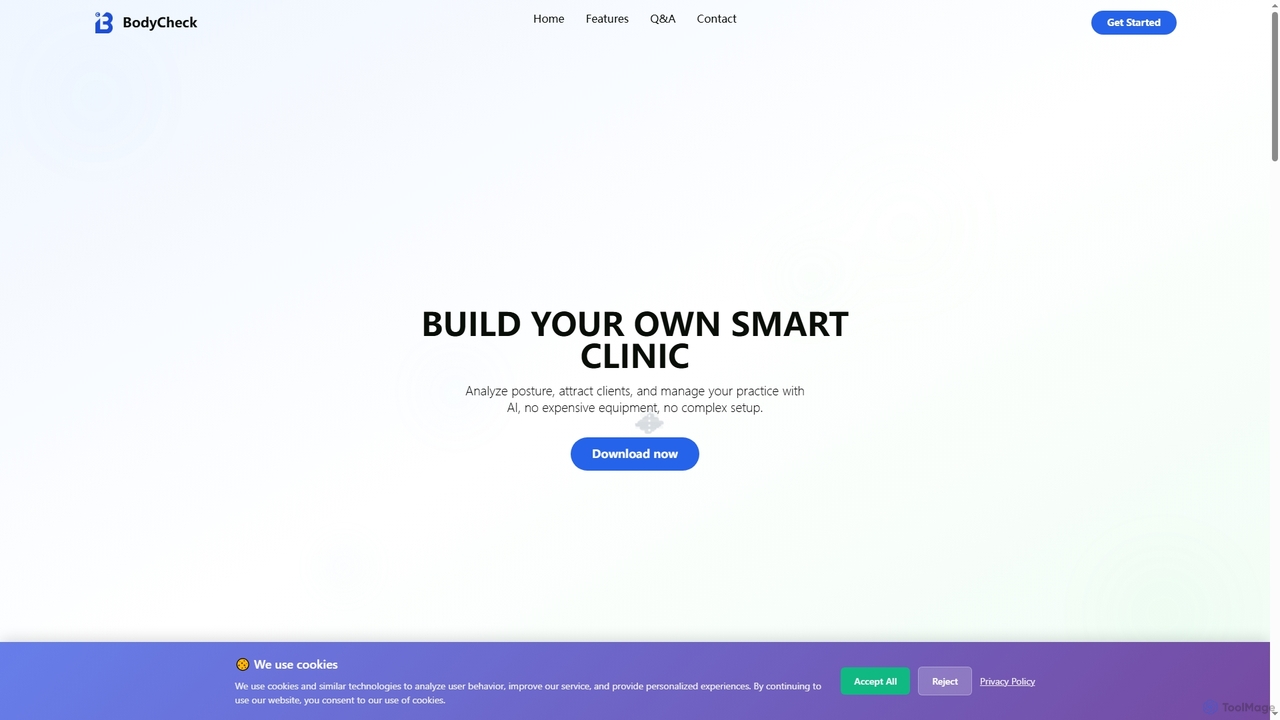
BodyCheck is an AI-powered mobile application designed for healthcare and fitness professionals to perform posture analysis, manage clients, and streamline their practice without the need for expensive equipment. It offers instant AI reports, client management tools, and features to help attract and retain clients.

Client Management
Visits 10.1KFavorites 113Likes 135

About Posture Analysis

Posture Analysis tools are AI-powered solutions that utilize computer vision and machine learning to accurately assess and provide feedback on human body posture. These tools, a specialized segment within AI healthcare, analyze various body points to detect deviations from ideal alignment, offering insights for health improvement, ergonomic adjustments, and rehabilitation. They provide objective, data-driven insights, moving beyond subjective observation to support better physical well-being and injury prevention.

Core Features

  • Real-time Posture Tracking: Continuously monitors and analyzes body alignment during activities or static positions.
  • Deviation Detection & Feedback: Identifies specific postural errors and provides immediate, actionable corrective suggestions.
  • Personalized Exercise Recommendations: Generates tailored exercises or stretches to address identified weaknesses or imbalances.
  • Historical Data & Progress Tracking: Stores and visualizes posture data over time to monitor improvements and trends.
  • Ergonomic Assessment: Evaluates workstation setup or daily habits for potential strain risks.

Use Cases

These tools are invaluable for individuals and professionals seeking to optimize physical health and prevent musculoskeletal issues. They are widely adopted in fitness for form correction, in physical therapy for rehabilitation monitoring, and in corporate wellness programs for ergonomic assessments. By providing objective data, they empower users to make informed decisions about their posture and physical habits.

How to Choose

When selecting a Posture Analysis tool, prioritize accuracy in detection and real-time feedback capabilities. Consider the range of posture types it can analyze (static vs. dynamic), its integration with other health platforms, and the clarity of its corrective recommendations. Data privacy and the ability to track historical progress are also crucial for long-term health management.

Posture Analysis use cases

1

Enhancing Workout Form in Fitness Training

Fitness enthusiasts and personal trainers leverage AI posture analysis tools to ensure correct exercise execution. By tracking body alignment during squats, deadlifts, or yoga poses, the AI provides instant feedback on form deviations. This helps prevent injuries, maximizes muscle engagement, and optimizes training effectiveness, leading to faster progress and safer workouts.

2

Optimizing Workplace Ergonomics for Remote Workers

Remote employees and HR departments use these tools to assess and improve workstation ergonomics. The AI analyzes sitting posture, screen height, and keyboard placement, identifying potential strain points. It then offers personalized recommendations for adjustments, helping to mitigate back pain, neck strain, and repetitive stress injuries common in prolonged desk work.

3

Monitoring Patient Progress in Physical Therapy

Physical therapists and rehabilitation specialists integrate AI posture analysis to objectively monitor patient recovery. During therapeutic exercises, the AI tracks joint angles and body movements, ensuring patients perform movements correctly. This data-driven approach allows therapists to tailor treatment plans, demonstrate progress to patients, and accelerate rehabilitation outcomes.

4

Improving Athletic Performance in Sports Training

Athletes and sports coaches utilize AI posture analysis to refine biomechanics and enhance performance. Whether analyzing a golf swing, running gait, or throwing motion, the AI identifies subtle postural inefficiencies. This precise feedback enables targeted adjustments to technique, leading to improved power, speed, agility, and reduced risk of sports-related injuries.

5

Daily Posture Correction for General Well-being

Individuals concerned with their overall health and preventing chronic pain use AI posture analysis for daily self-correction. The tools provide gentle reminders or visual cues when slouching or adopting unhealthy postures during routine activities. This continuous awareness fosters better postural habits, contributing to improved comfort, reduced fatigue, and enhanced confidence.

6

Early Detection of Postural Issues in Children

Parents and pediatricians can employ AI posture analysis to proactively identify and address developing postural issues in children. By regularly scanning a child's standing or sitting posture, the AI can detect early signs of scoliosis, kyphosis, or other misalignments. Early detection allows for timely intervention, preventing more severe conditions as the child grows.

Posture Analysis FAQ

What are AI Posture Analysis tools?

AI Posture Analysis tools are software or hardware solutions that use artificial intelligence, primarily computer vision, to evaluate and provide feedback on human body posture. They analyze skeletal alignment, weight distribution, and movement patterns to identify deviations from optimal posture. These tools are crucial for preventing musculoskeletal issues, improving physical performance, and supporting rehabilitation efforts.

How do AI Posture Analysis tools work?

These tools typically work by capturing images or video of a person's body, often using a standard camera. AI algorithms, trained on vast datasets of human anatomy, then identify key anatomical landmarks (like joints and limbs). They calculate angles, distances, and alignment, comparing them against ideal postural models. The system then generates reports, visual overlays, or real-time alerts highlighting areas needing correction.

What are the main benefits of using AI for posture analysis?

The primary benefits include objective and consistent assessment, eliminating human bias and fatigue. They offer real-time feedback, allowing for immediate correction during activities. AI tools can track progress over time with precise data, provide personalized recommendations, and make posture assessment more accessible and convenient outside clinical settings. This leads to better adherence to corrective exercises and improved long-term outcomes.

How does AI Posture Analysis differ from traditional manual assessments?

Traditional manual posture assessments rely on a therapist's visual observation and palpation, which can be subjective and time-consuming. AI Posture Analysis, conversely, offers objective, quantifiable data through precise measurements and algorithmic analysis. It provides real-time feedback, historical tracking, and can be performed more frequently and consistently, often without direct human intervention, making it more scalable and less prone to human error.

What should I consider when choosing an AI Posture Analysis tool for personal use?

For personal use, consider the tool's ease of use and accessibility (e.g., mobile app vs. dedicated hardware). Look for features like real-time feedback, clear corrective instructions, and the ability to track your progress over time. Data privacy and security are also important. Ensure it covers the specific activities or posture types you want to analyze, such as sitting posture for desk work or dynamic posture for exercise.