
Healthcare Best in category 1 results Wellness Management AI Tool

Popular AI tools in the Wellness Management field of Healthcare include UdanAI, etc., helping you quickly improve efficiency.

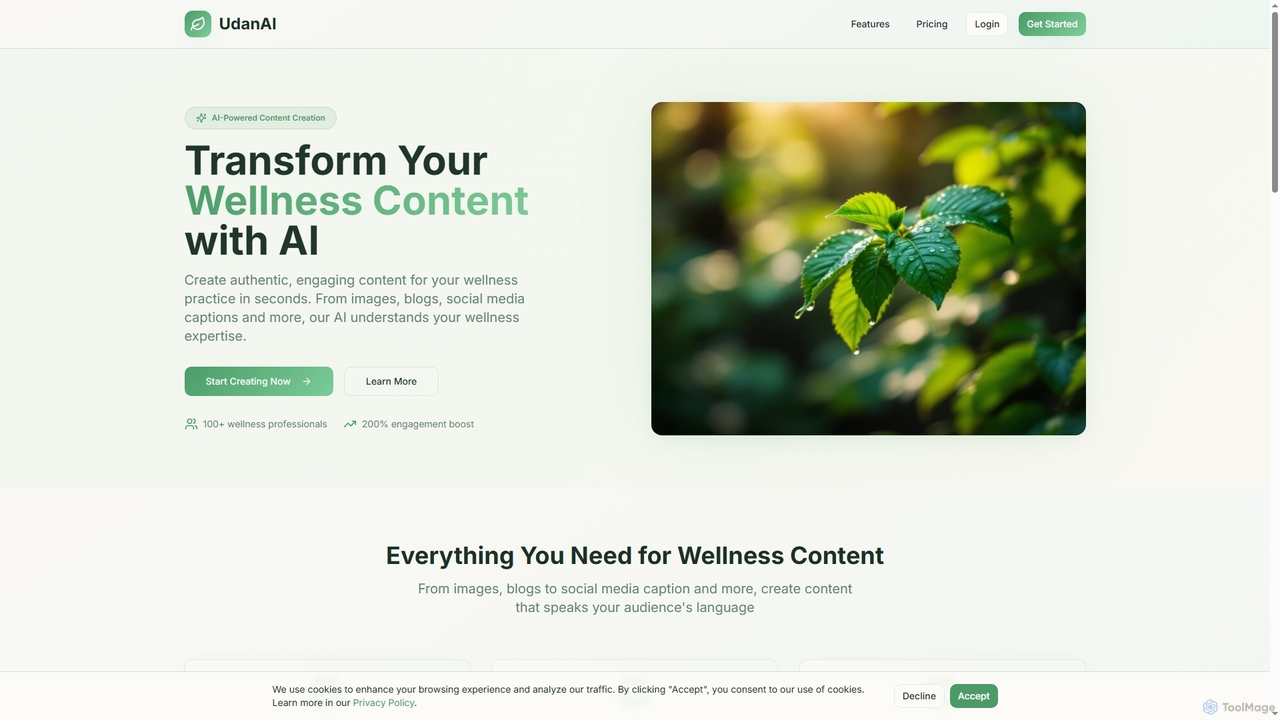
UdanAI

UdanAI

UdanAI is an AI-powered content creation platform designed specifically for wellness professionals. It helps practitioners generate authentic and …

171

About Wellness Management

AI Wellness Management tools are applications that leverage artificial intelligence to provide personalized guidance for physical and mental well-being. These tools analyze user data from sources like wearables, journals, and health apps to generate customized fitness plans, nutritional advice, and mental health support. Their primary value lies in empowering users to proactively manage stress, improve sleep quality, optimize diet, and maintain consistent fitness routines. By offering data-driven insights and adaptive recommendations, they serve as a personal digital health coach.

Core Features

  • Personalized Plan Generation: Creates custom workout routines, meal plans, and meditation schedules based on individual goals and biometrics.
  • Symptom & Mood Tracking: Allows users to log daily moods, symptoms, and lifestyle factors to identify patterns and triggers.
  • Wearable Data Integration: Syncs with smartwatches and fitness trackers to analyze activity levels, sleep patterns, and heart rate data.
  • AI-Powered Coaching: Provides motivational feedback, health tips, and conversational support through intelligent chatbots.
  • Predictive Health Insights: Analyzes trends in user data to offer proactive advice on stress management and habit formation.

Use Cases

These tools are widely used by individuals seeking to improve their lifestyle habits and mental resilience. In corporate settings, they form the backbone of employee wellness programs, offering scalable support for stress reduction and work-life balance. They are also valuable for users managing non-clinical conditions like chronic stress or insomnia, providing daily tracking and coping strategies.

How to Choose

When selecting a Wellness Management tool, prioritize data privacy and security policies. Evaluate its compatibility with your existing wearable devices and health platforms like Apple Health or Google Fit. Consider the scientific basis for its recommendations and the level of personalization it offers. Finally, assess the user interface and the quality of its AI-driven feedback and support.

Wellness ManagementUse Cases

1

Personalized Fitness and Nutrition Planning

A busy professional aims to improve their physical health but lacks the time to create a structured plan. They use an AI wellness app to set goals for weight loss and muscle gain. The AI analyzes their activity data from a smartwatch, dietary preferences, and available workout time. It then generates a dynamic weekly plan with 30-minute high-intensity interval training (HIIT) workouts and a corresponding meal plan with simple recipes. The plan adapts each week based on their progress and feedback, helping them stay consistent and achieve measurable results without the cost of a personal trainer.

2

AI-Powered Mental Health Support

A university student experiencing stress and anxiety during exam season uses an AI wellness chatbot for daily support. Each morning, the chatbot initiates a conversation to check on their mood. Based on the student's responses, it suggests personalized coping mechanisms, such as a 5-minute guided breathing exercise or a short journaling prompt. The tool tracks mood patterns over time, helping the student identify triggers like lack of sleep or caffeine. This provides accessible, confidential, and immediate mental wellness support that complements traditional counseling services.

3

Optimizing Sleep Quality with Data Insights

An individual struggling with inconsistent sleep uses an AI wellness app connected to their fitness tracker. The app analyzes their sleep stages (light, deep, REM), heart rate variability, and nightly interruptions. The AI identifies a correlation between late-night screen time and reduced deep sleep. It then provides actionable recommendations, such as setting a 'digital curfew' one hour before bed and suggesting a relaxing chamomile tea. Over several weeks, the user follows these personalized tips and sees a measurable improvement in their deep sleep duration and overall energy levels, all visualized through clear in-app charts.

4

Corporate Wellness Program Engagement

An HR department implements an AI wellness platform to boost employee well-being. The platform offers personalized challenges, such as a 'Mindful Month' or a 'Step-Count Competition'. It uses AI to send timely, encouraging notifications and resources tailored to individual progress. The system provides anonymized, aggregated data to the HR team, showing trends in stress levels and activity, which helps them justify wellness initiatives and tailor future programs. This approach increases engagement compared to generic wellness emails and fosters a healthier company culture.

5

Mindfulness and Meditation Guidance

A beginner interested in mindfulness uses an AI meditation app to start their practice. The app offers a structured introductory course, starting with 3-minute guided sessions focused on breathing. The AI personalizes the journey by asking for feedback after each session. If the user reports feeling distracted, the AI might suggest a different type of meditation, like a body scan, for the next session. This adaptive learning path helps maintain motivation and ensures the user builds a solid foundation in mindfulness techniques at a comfortable pace, making the practice more accessible than traditional, one-size-fits-all recordings.

6

Proactive Stress Management and Prevention

A user in a high-pressure job uses an AI wellness tool to proactively manage stress. The tool integrates with their calendar and a wearable device. The AI detects patterns, such as an elevated heart rate and poor sleep quality on days preceding major deadlines. It then sends a notification in the morning, suggesting a 10-minute mindfulness exercise before starting work. It also recommends blocking out a short walk in their calendar during lunch. By identifying stress triggers and suggesting preventative actions, the tool helps the user move from a reactive to a proactive approach to mental well-being.

Wellness ManagementFrequently Asked Questions