Human Resources Best in category 1 results Corporate Wellness AI Tool

Popular AI tools in the Corporate Wellness field of Human Resources include AdvantageClub.ai, etc., helping you quickly improve efficiency.

AdvantageClub.ai

AdvantageClub.ai

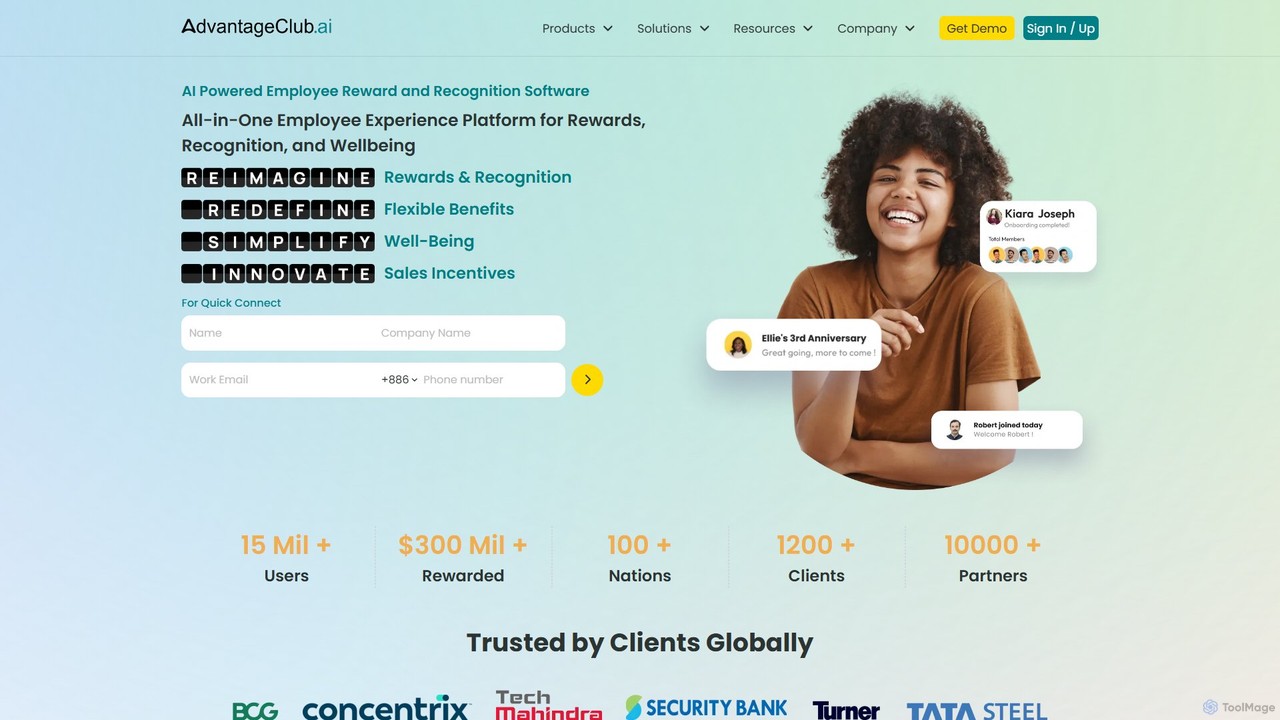
AdvantageClub.ai is an all-in-one, AI-powered employee experience platform designed to boost engagement, recognition, and wellbeing. It offers a …

95.1K

About Corporate Wellness

AI Corporate Wellness tools are a specialized category of human resources technology that use data and artificial intelligence to monitor, manage, and improve employee well-being. These platforms analyze anonymized data from sources like surveys and communication platforms to identify trends in mental, physical, and emotional health. The primary value is enabling organizations to move from reactive support to proactive well-being strategies, helping to reduce burnout and increase engagement. By providing personalized resources and early interventions, these tools help foster a healthier and more productive work environment.

Core Features

  • Sentiment Analysis: Automatically analyzes anonymized text from surveys and communications to gauge employee morale and stress levels.
  • Burnout Risk Prediction: Uses machine learning models to identify individuals or teams at high risk of burnout based on work patterns.
  • Personalized Wellness Plans: Delivers customized recommendations for mental health resources, fitness activities, or financial coaching.
  • Confidential Support Chatbots: Provides employees with a secure and anonymous channel to access mental health support and resources 24/7.
  • Engagement & Program Analytics: Tracks participation in wellness initiatives and measures their impact on key business metrics like retention and productivity.

Use Cases

These tools are particularly valuable for medium to large enterprises, especially those with remote or distributed teams. HR departments and leadership teams use them to gain insights into organizational health, design targeted wellness programs, and measure the ROI of their well-being investments. They are also applied in high-stress industries like tech, healthcare, and finance to proactively manage employee mental health.

How to Choose

When selecting an AI Corporate Wellness tool, prioritize data privacy and compliance with regulations like GDPR and HIPAA. Evaluate its integration capabilities with your existing HRIS and communication platforms. Assess the breadth of wellness dimensions it covers (e.g., mental, physical, financial, social) and the quality of its personalized recommendations. Finally, consider the user interface and engagement features to ensure high employee adoption.

Corporate WellnessUse Cases

1

Proactively Identifying and Mitigating Burnout Risk

An HR manager in a fast-growing tech company uses an AI Corporate Wellness tool to monitor team well-being. The platform analyzes anonymized metadata from communication tools (like frequency of late-night messages) and calendar data (like meeting density). The AI flags a specific engineering team showing early indicators of burnout. Based on this insight, the HR manager proactively initiates a 'no-meeting week' for that team and provides access to stress management workshops, preventing potential turnover and maintaining team productivity.

2

Delivering Scalable and Confidential Mental Health Support

A large multinational corporation wants to provide consistent mental health support across different regions. They deploy an AI wellness platform with a multilingual, 24/7 chatbot. An employee feeling overwhelmed can confidentially interact with the chatbot to receive immediate coping strategies, guided meditation exercises, or be directed to relevant articles and professional EAP resources. This provides a scalable, non-judgmental first line of support, increasing access to mental health care for all employees regardless of their location or time zone.

3

Automating and Personalizing Wellness Program Engagement

A company's wellness coordinator uses an AI platform to manage a global 'Step Challenge'. The AI automatically creates teams, tracks progress via wearable device integrations, and sends personalized, encouraging notifications to participants. It also uses gamification elements like badges and leaderboards to boost motivation. The platform's analytics dashboard shows the coordinator which departments have lower engagement, allowing them to target their efforts and improve overall participation in future wellness initiatives.

4

Gaining Actionable Insights from Employee Well-being Surveys

Instead of manually reading thousands of open-ended responses from an annual engagement survey, an HR analyst uses an AI wellness tool. The tool's Natural Language Processing (NLP) capabilities categorize comments into themes like 'workload', 'management support', and 'work-life balance'. It also performs sentiment analysis on each theme. The analyst quickly identifies that 'workload concerns' are a major source of negative sentiment in the marketing department, allowing leadership to take targeted action, such as re-evaluating project deadlines or hiring additional staff.

5

Enhancing Physical Health through AI-Powered Team Challenges

A company launches a 'virtual trek' challenge where teams compete to collectively walk the distance of the Amazon River. An AI wellness platform manages the entire process. It syncs with employees' fitness trackers, updates a virtual map with each team's progress, and provides interesting facts about locations 'visited'. The AI also sends personalized tips on staying active and awards virtual badges for milestones. This gamified, team-based approach fosters camaraderie and encourages a more active lifestyle across the organization, improving physical well-being in an engaging way.

6

Providing Personalized Financial Wellness Guidance

An organization integrates an AI financial wellness module into its benefits portal. An employee planning for retirement can use the tool to set goals, track savings, and receive personalized advice. The AI analyzes their spending habits (with permission) and suggests budget adjustments. It can also simulate different investment scenarios and provide educational content on topics like debt management or saving for a down payment. This proactive, personalized guidance helps reduce financial stress, a major contributor to overall employee anxiety, and empowers them to take control of their financial future.

Corporate WellnessFrequently Asked Questions