edu720
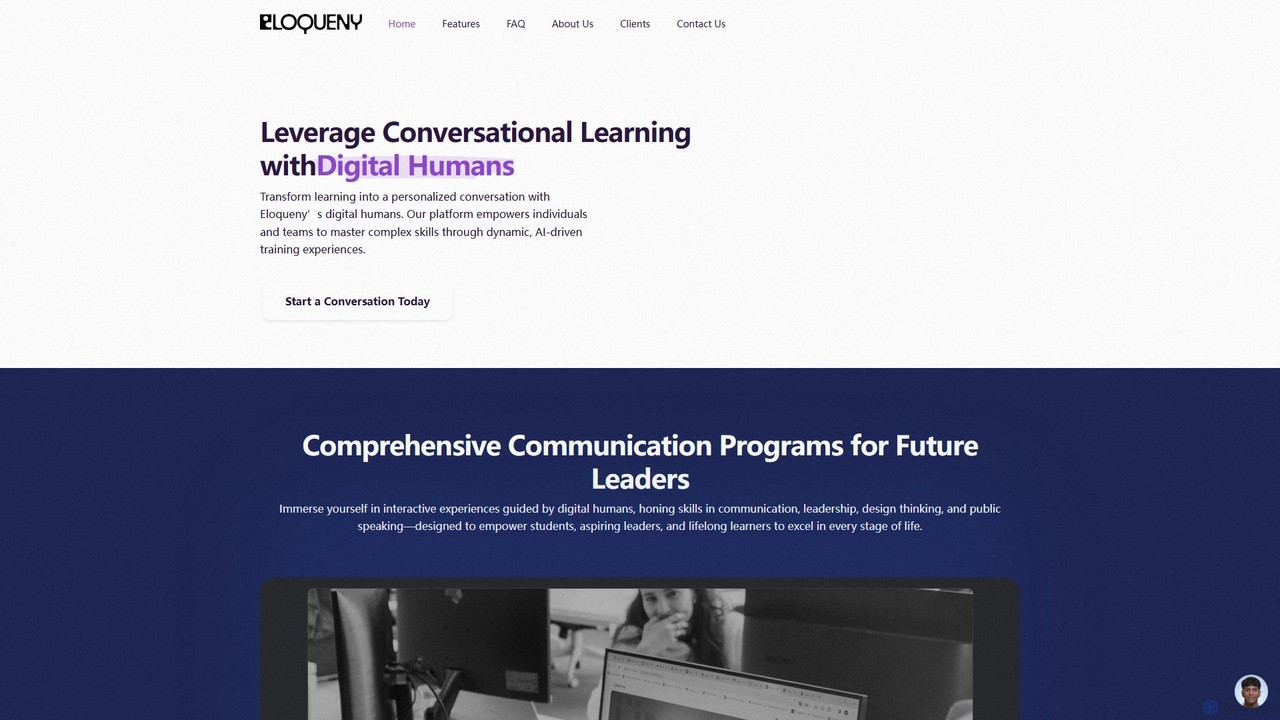
edu720 is an AI-powered, science-backed learning platform designed to revolutionize workforce training. It utilizes nanolearning—short, 2-3 minute lessons—to …
edu720 is an AI-powered, science-backed learning platform designed to revolutionize workforce training. It utilizes nanolearning—short, 2-3 minute lessons—to enhance knowledge absorption, boost productivity, and improve employee engagement. The platform offers pre-built courses, powerful analytics, and seamless integration for industries like finance, pharma, and retail.
eloqueny
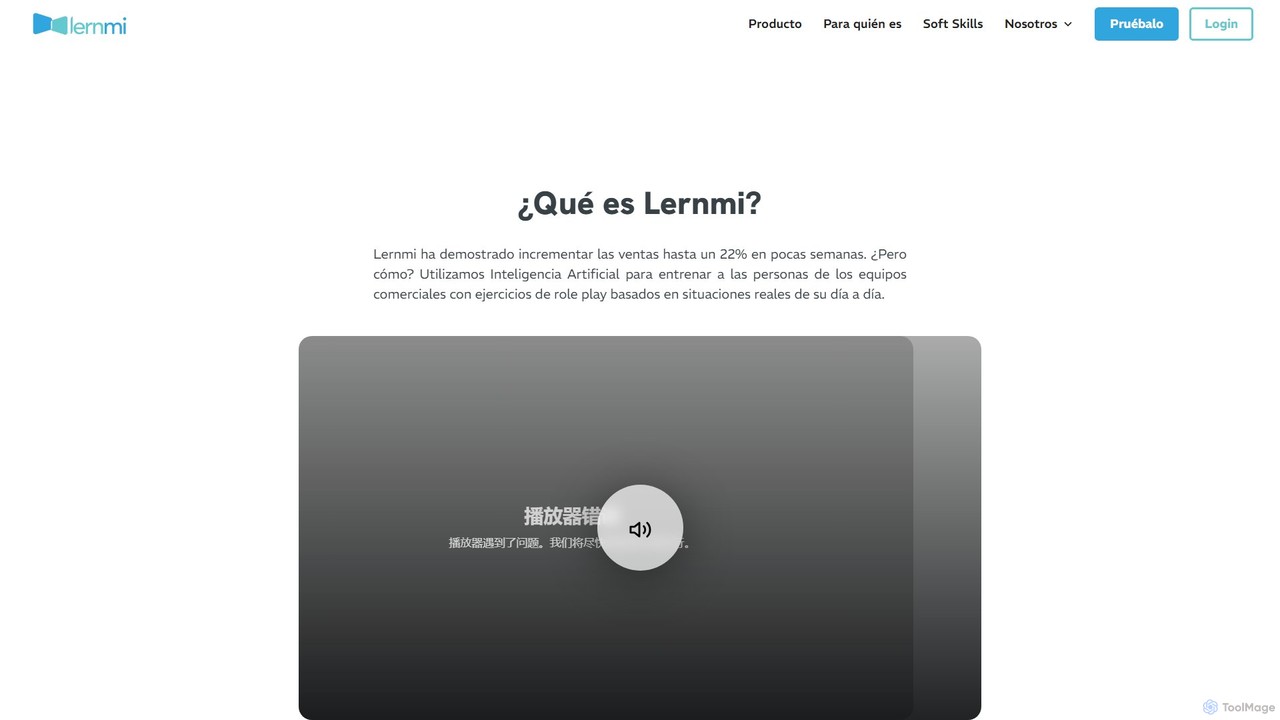
eloqueny is an AI-powered conversational learning platform that uses lifelike digital humans to transform corporate training. It empowers …
eloqueny is an AI-powered conversational learning platform that uses lifelike digital humans to transform corporate training. It empowers individuals and teams to master complex skills like communication, leadership, and sales through immersive, personalized, and interactive simulations in a risk-free environment.
Lernmi
Lernmi is an AI-powered platform designed for corporate teams to enhance their soft skills through realistic role-play simulations. …
Lernmi is an AI-powered platform designed for corporate teams to enhance their soft skills through realistic role-play simulations. It provides personalized, objective feedback to improve communication, negotiation, and sales abilities, ultimately boosting team performance and confidence.
UMU
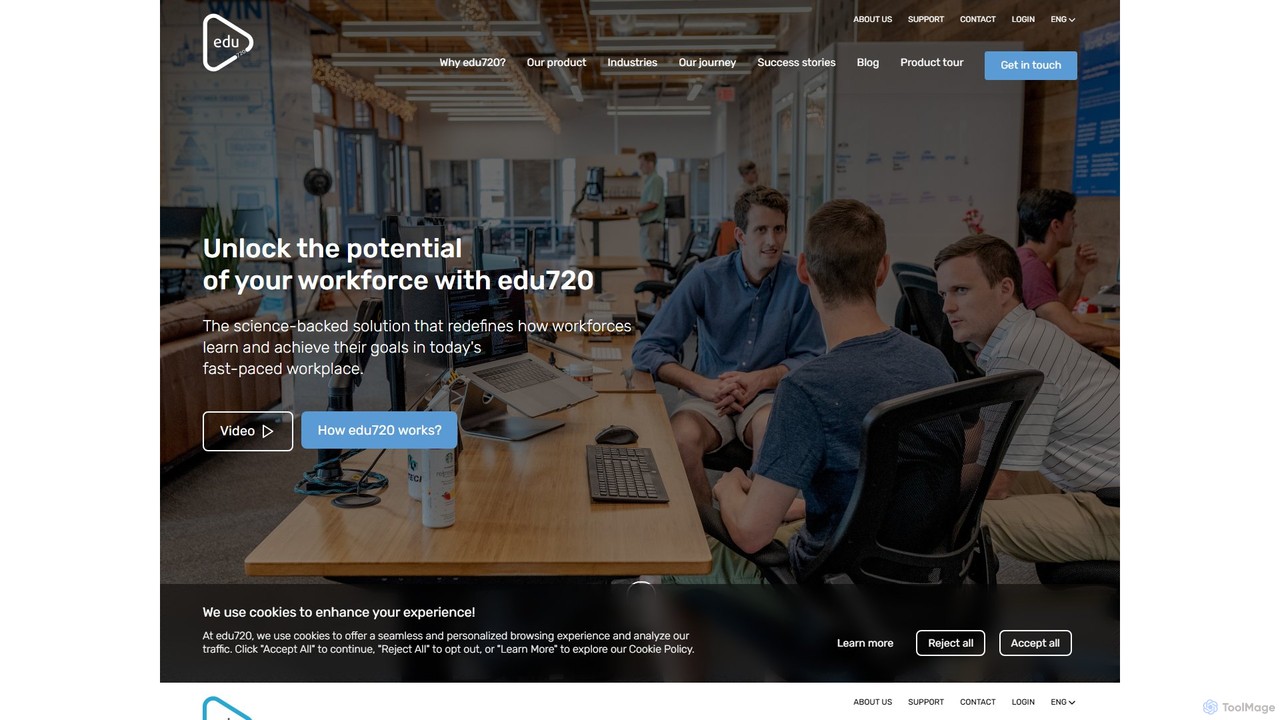
UMU is an AI-powered performance learning platform for enterprises. It enhances employee training, sales enablement, and skill development …
UMU is an AI-powered performance learning platform for enterprises. It enhances employee training, sales enablement, and skill development through a suite of AI tools, including AI-generated courses, interactive video practice with feedback, and simulated conversation chatbots. UMU helps organizations in sectors like finance, healthcare, and manufacturing to accelerate learning, improve performance, and achieve tangible business results.
About Employee Development
AI Employee Development tools are a specialized category of HR software that uses artificial intelligence to create personalized learning and career growth experiences. These platforms analyze employee data, performance metrics, and career aspirations to automatically generate tailored development plans, recommend relevant training, and identify skill gaps. By moving beyond one-size-fits-all training programs, they help organizations proactively build a future-ready workforce, improve employee engagement, and align individual growth with strategic business goals.
Core Features
- Personalized Learning Paths: Automatically generates unique learning journeys for each employee based on their role, skills, and goals.
- Skill Gap Analysis: Identifies the difference between existing workforce capabilities and future business needs to guide training priorities.
- AI-Powered Coaching: Provides scalable, on-demand coaching and feedback through AI tutors or simulated role-playing scenarios.
- Intelligent Content Curation: Discovers and organizes relevant learning materials from various sources to create a dynamic knowledge base.
- Career Pathing & Mobility: Helps employees visualize potential career trajectories within the organization and understand the skills needed to advance.
Use Cases
These tools are widely used by Learning & Development (L&D) departments, HR business partners, and team managers in fast-growing tech companies, large enterprises, and consulting firms. They are applied to automate new hire onboarding, upskill teams for digital transformation, develop leadership pipelines, and support internal talent mobility initiatives.
How to Choose
When selecting an AI Employee Development tool, consider its integration capabilities with your existing HRIS and LMS. Evaluate the sophistication of its AI engine for personalization and skill analysis. Assess the quality and breadth of its content library or its ability to curate external content. Finally, consider the user experience for both employees and administrators, as well as the platform's analytics and reporting features to measure ROI.
Employee DevelopmentUse Cases
Automating Personalized Onboarding Plans
An HR manager at a rapidly growing tech company needs to onboard dozens of new software engineers each quarter. Instead of manually creating generic training checklists, they use an AI Employee Development platform. The tool integrates with the company's HRIS. For each new hire, the AI analyzes their role and pre-hire skill assessment results. It then automatically generates a personalized 90-day onboarding plan, including mandatory compliance training, introductions to key team members, and a curated list of starter projects. This saves the HR team over 10 hours per new hire and improves the new employee's time-to-productivity by an estimated 30%.
Upskilling Tech Teams for New Technologies
An engineering manager plans to migrate their team's infrastructure to a new cloud platform. Using an AI development tool, they first map the required skills for the new platform against their team's current skill profiles. The AI identifies critical gaps, such as expertise in container orchestration and serverless architecture. Based on this analysis, the platform automatically assigns specific, role-based learning paths to each team member. It curates a mix of video courses, hands-on labs, and articles. The manager can track progress on a dashboard, ensuring the team is fully prepared for the migration, minimizing project risks and external hiring costs.
Developing Future Leaders with AI Coaching
An L&D department wants to scale its leadership development program. They deploy an AI coaching tool that offers simulated management scenarios. High-potential employees can practice difficult conversations, such as giving critical feedback or managing team conflicts, with an AI chatbot. The AI provides instant, private feedback on their communication style, word choice, and tone. This allows future leaders to build crucial soft skills at their own pace without the logistical challenges and high costs of scheduling one-on-one sessions with human coaches for everyone. The platform tracks skill progression, providing valuable data for succession planning.
Personalized Career Pathing for Employees
A large enterprise wants to improve internal mobility and retention. They provide employees with access to an AI-powered career pathing tool. An employee can input their career goals and interests. The AI then analyzes their current role, skills, and performance history, and compares it with various job roles across the company. It visualizes several potential career paths, highlighting skill gaps for each option and recommending specific internal projects, mentorship opportunities, and courses to prepare them for a future role. This empowers employees to take control of their career growth, increasing engagement and reducing attrition.
Real-time Sales Performance Coaching
A sales team lead uses an AI development tool that integrates with their CRM and call recording software. The AI analyzes sales calls to identify patterns in successful negotiations and common objections. It provides each salesperson with a personalized dashboard highlighting areas for improvement, such as talk-to-listen ratio or handling pricing questions. The tool also offers on-demand role-playing exercises where a salesperson can practice their pitch with an AI bot that simulates different customer personas. This continuous, data-driven feedback loop helps the sales team refine their skills and close deals more effectively, leading to a measurable increase in revenue.
Measuring Training Impact and ROI
A Learning & Development manager needs to justify the training budget for the upcoming year. They use an AI employee development platform's analytics module. The system correlates training data (e.g., course completions, skill assessments) with business performance data from other systems like HRIS or sales CRM. The AI generates reports showing a clear link between a specific sales training program and a 15% increase in the quarterly sales quota attainment for participants. It also identifies which training modules had the highest impact on employee performance reviews. This data-driven approach allows the L&D manager to demonstrate tangible ROI and make more strategic decisions about future training investments.