Human Resources Best in category 2 results Employee Management AI Tool

Popular AI tools in the Employee Management field of Human Resources include Sloneek、Autowhat, etc., helping you quickly improve efficiency.

Autowhat

Autowhat

Autowhat provides custom AI-powered WhatsApp chatbot solutions to automate business operations, enhance customer engagement, and boost sales. It …

1.8K
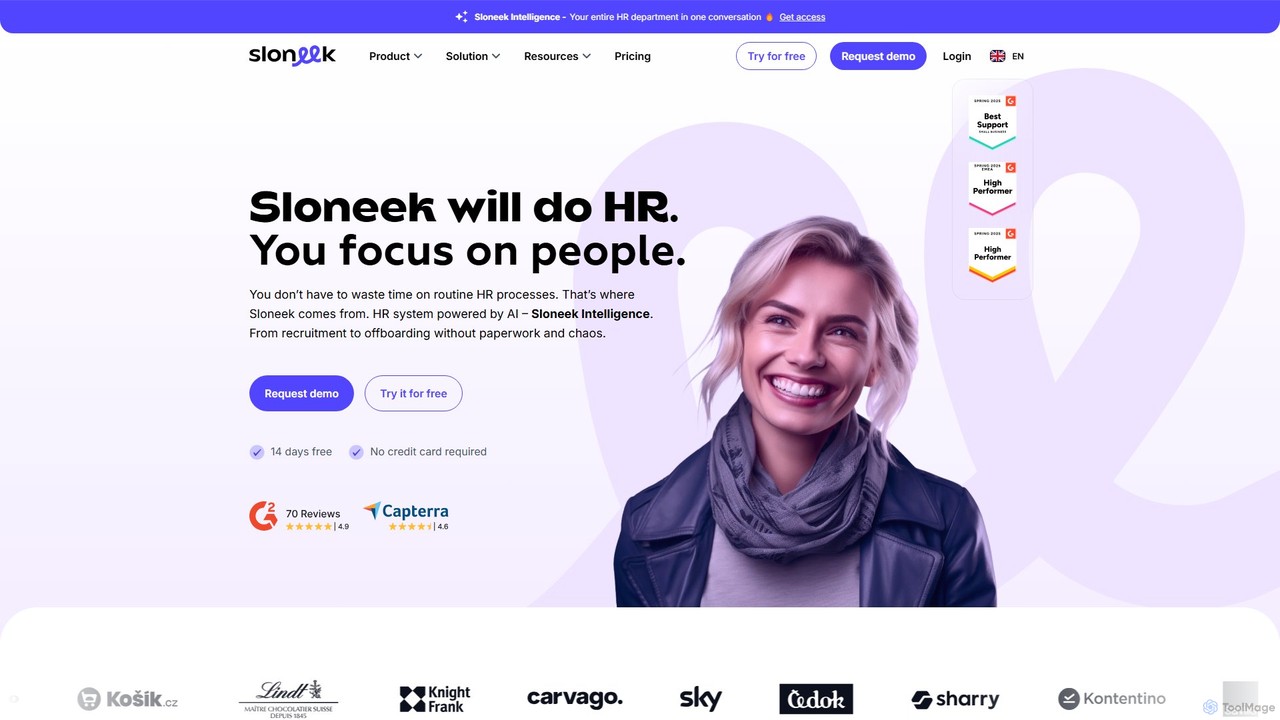
Sloneek

Sloneek

Sloneek is an all-in-one, AI-powered HR system designed to automate the entire employee lifecycle, from recruitment to offboarding. …

204.8K

About Employee Management

AI Employee Management tools are specialized platforms that automate and enhance the entire employee lifecycle, from onboarding to offboarding. These systems leverage AI to analyze performance data, personalize development plans, and predict employee turnover. They provide managers and HR teams with actionable insights to improve engagement, productivity, and retention within the broader Human Resources framework. The core value lies in transforming routine administrative tasks into strategic talent management opportunities.

Core Features

  • Automated Workflows: Streamline processes like onboarding, offboarding, and performance reviews with customizable, automated checklists and notifications.
  • Performance & Goal Management: Set, track, and manage individual and team goals (OKRs/KPIs) with AI-driven feedback and progress monitoring.
  • Engagement Analytics: Analyze employee survey responses and communication patterns using sentiment analysis to measure morale and identify disengagement risks.
  • Personalized Learning & Development: Identify skill gaps and recommend relevant training courses or career paths for individual employees.
  • Predictive Workforce Analytics: Use historical data to forecast trends like employee turnover, helping organizations proactively address potential issues.

Applicable Scenarios

These tools are particularly effective for fast-growing technology companies, large enterprises managing complex organizational structures, and remote-first organizations seeking to maintain a strong company culture and monitor team well-being. They are used by HR managers, team leaders, and department heads to make data-informed decisions about their workforce.

Selection Criteria

When choosing an AI Employee Management tool, evaluate its integration capabilities with your existing HRIS and payroll systems. Consider the user experience for both employees and managers, the depth and customizability of its analytics and reporting features, and its scalability to grow with your organization. Data security and compliance with local labor laws are also critical factors.

Employee ManagementUse Cases

1

Automating the New Hire Onboarding Experience

An HR manager at a rapidly scaling tech startup uses an AI Employee Management tool to create a consistent and engaging onboarding experience. The platform automatically assigns tasks to different departments (IT, facilities, HR), sends welcome messages, and schedules initial check-in meetings. New hires receive a personalized dashboard with all necessary documents, training materials, and team introductions. This automation reduces the HR team's administrative workload by over 60% and improves new hire satisfaction and time-to-productivity.

2

Conducting Objective and Fair Performance Reviews

A department head at a marketing agency leverages an AI tool to gather and analyze performance data for annual reviews. The system aggregates feedback from peers, project management tools, and communication platforms, using natural language processing to summarize key achievements and areas for improvement. This provides a more objective data foundation for review conversations, reducing unconscious bias and helping managers deliver constructive, evidence-based feedback that feels fair to employees.

3

Monitoring Remote Team Engagement and Well-being

For a fully distributed company, a team lead uses an AI Employee Management platform to gauge team morale without constant meetings. The tool sends out short, periodic pulse surveys and uses sentiment analysis on public communication channels (like Slack) to identify trends in team sentiment. If the AI detects a potential drop in engagement or signs of burnout in a specific team member, it discreetly alerts the manager, allowing for early and supportive intervention.

4

Identifying and Nurturing High-Potential Employees

A talent development specialist in a large corporation uses workforce analytics to identify potential future leaders. The AI system analyzes performance data, skill acquisition rates, and 360-degree feedback to flag employees who consistently exceed expectations and demonstrate leadership qualities. Based on this, the specialist can proactively enroll these individuals in leadership development programs, creating a robust internal talent pipeline and improving succession planning.

5

Streamlining Secure and Compliant Offboarding

When an employee resigns, an HR operations coordinator initiates an automated offboarding workflow. The system generates a checklist that includes revoking system access, scheduling an exit interview, processing final payroll, and ensuring all company property is returned. The AI ensures every step is tracked and completed in compliance with legal requirements, minimizing security risks and ensuring a smooth, professional exit experience for the departing employee.

6

Creating Personalized Employee Growth Plans

An L&D (Learning & Development) manager uses an AI platform to help employees map their career paths within the company. The tool analyzes an employee's current skills, performance review feedback, and stated career goals. It then identifies skill gaps for their desired next role and recommends specific internal training modules, external courses, or mentorship opportunities. This personalized approach increases employee motivation and supports internal mobility, reducing recruitment costs.

Employee ManagementFrequently Asked Questions