Human Resources Best in category 2 results Screening AI Tool

Popular AI tools in the Screening field of Human Resources include InterWiz、GreetAI, etc., helping you quickly improve efficiency.

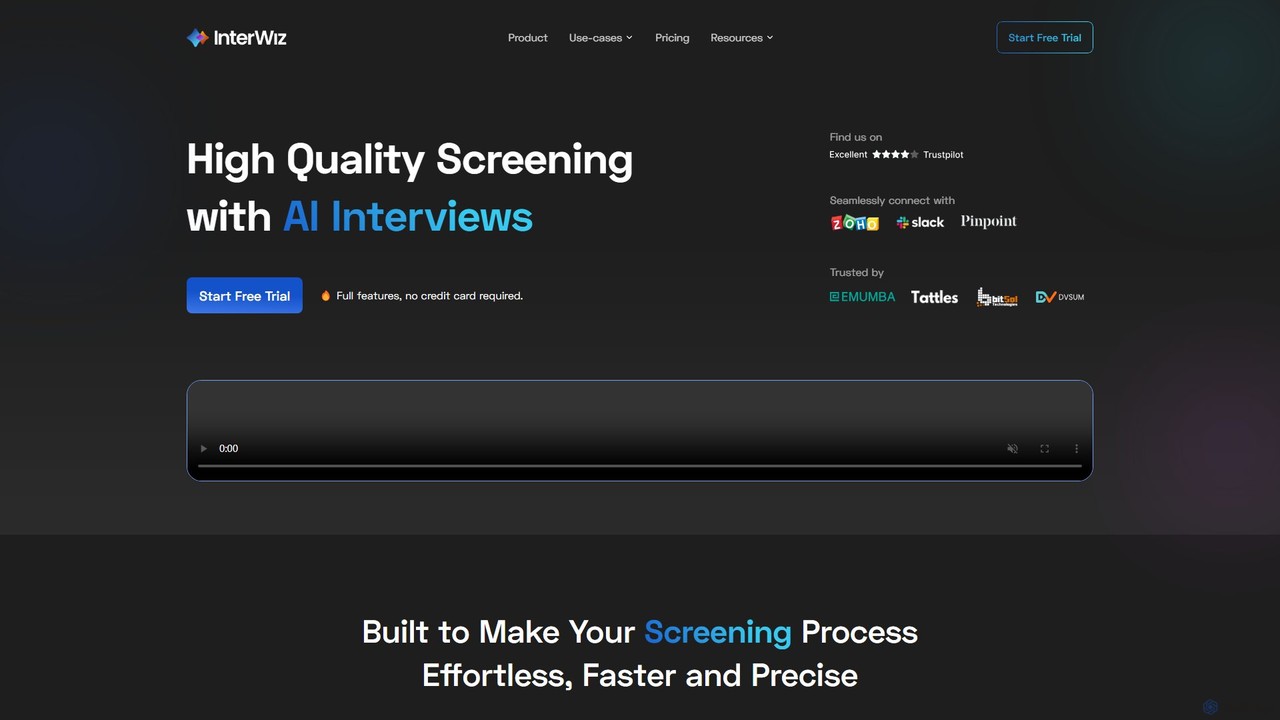
InterWiz

InterWiz

InterWiz is an AI-powered interview platform designed to streamline the hiring process. It uses a conversational AI interviewer …

12.9K
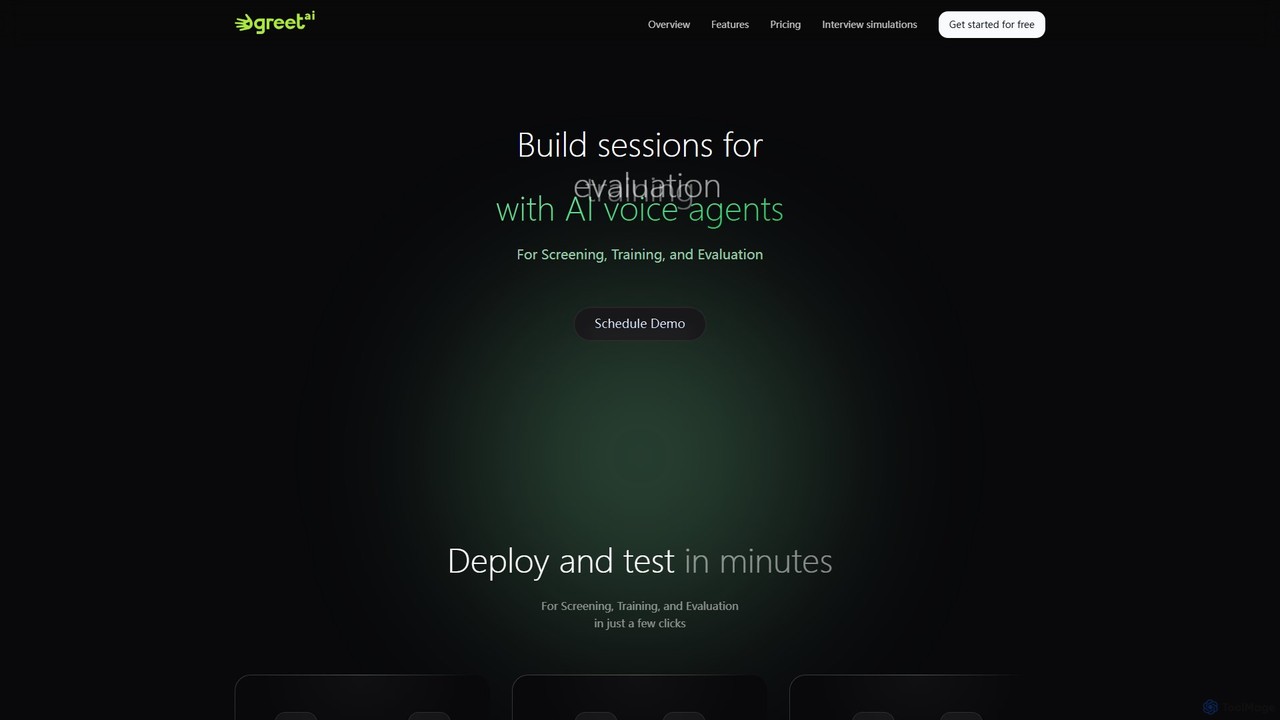
GreetAI

GreetAI

GreetAI is an AI-powered platform for job interview practice, screening, and evaluation. It allows users to simulate interviews …

9.3K

About Screening

AI Screening tools are a specialized category of Human Resources software designed to automate and enhance the initial evaluation of job candidates. Leveraging natural language processing (NLP) and machine learning, these tools analyze resumes, cover letters, and application data against job requirements. Their primary purpose is to rapidly identify the most qualified candidates from a large applicant pool, saving recruiters significant time and helping to mitigate unconscious bias. They go beyond simple keyword matching to assess skills, experience, and other predictive indicators of success.

Core Features

  • Resume Parsing: Automatically extracts and structures key information such as skills, work experience, and education from various resume formats.
  • Candidate Matching & Scoring: Ranks applicants based on their relevance to the job description using customizable, AI-driven criteria.
  • Bias Reduction Features: Includes options to anonymize profiles by hiding demographic data to promote objective, skills-based evaluation.
  • Knockout Questions: Automatically filters out candidates who do not meet mandatory, non-negotiable job requirements.

Use Cases

These tools are particularly effective in high-volume recruiting environments, such as for retail, customer service, or entry-level corporate roles. They are also widely used in technical recruitment to precisely identify candidates with specific programming languages or certifications. Large enterprises utilize them to standardize the initial screening process across different departments and global locations, ensuring consistency and efficiency.

How to Choose

When selecting an AI Screening tool, first verify its integration capabilities with your existing Applicant Tracking System (ATS). Assess the level of customization available for scoring models and matching criteria to fit your unique roles. Inquire about the vendor's methodologies for auditing and mitigating algorithmic bias. Finally, evaluate the candidate experience to ensure the process is professional and user-friendly for all applicants.

ScreeningUse Cases

1

Automating Screening for High-Volume Retail Positions

A national retail chain's HR team receives thousands of applications for seasonal roles. Using an AI screening tool, they automatically parse all resumes, filter out candidates lacking basic requirements (e.g., work authorization), and score the rest based on customer service experience and availability. This reduces the manual review time from weeks to a few days, allowing store managers to focus their efforts on interviewing a pre-qualified shortlist of the top 10% of applicants.

2

Identifying Top Software Engineers from a Large Applicant Pool

A tech company needs to hire a Senior Python Developer. The AI screening tool analyzes resumes and linked code repositories (like GitHub) to not only match keywords like 'Python' but also to assess the quality and relevance of projects. It scores candidates based on years of experience, specific framework expertise, and contributions to open-source projects, presenting recruiters with a ranked shortlist of highly skilled individuals who are a strong technical fit.

3

Promoting Fair Hiring with Anonymized Screening

A financial services firm implements an AI screening tool to support its diversity and inclusion goals. The tool is configured to redact personal information like names, gender-coded words, and university names from resumes before a human reviewer sees them. This ensures the initial shortlist is based purely on skills and experience, helping to mitigate unconscious bias in the critical early stages of the hiring process and creating a more level playing field for all applicants.

4

Assessing Candidate Alignment with Company Values

A fast-growing startup uses an AI screening tool that analyzes the language in cover letters and responses to open-ended application questions. The tool, trained on the company's core values and internal communication style, provides a 'cultural alignment' score. This helps recruiters identify candidates who not only possess the right technical skills but are also likely to thrive in the company's collaborative and fast-paced environment, improving long-term retention.

5

Rediscovering Qualified Internal Candidates for New Roles

A large corporation needs to fill a new project manager role. Instead of only looking externally, the HR team uses an AI screening tool to scan their internal employee database and past applicant pool. The tool identifies current employees or previous 'silver-medalist' candidates who possess the required project management skills and leadership experience, facilitating internal mobility, reducing hiring costs, and shortening the time-to-fill for the open position.

6

Automating Verification of Mandatory Healthcare Credentials

A hospital recruiting registered nurses uses a screening tool to handle initial applications. The tool automatically checks for mandatory qualifications, such as a valid nursing license and specific certifications (e.g., BLS, ACLS). It flags any applications with missing or expired credentials, ensuring that only fully qualified and compliant candidates proceed to the next stage. This saves significant administrative time and reduces compliance risks for the healthcare provider.

ScreeningFrequently Asked Questions