ToolMage
Sign in

Best 2 Talent Development AI tools for Human Resources

Popular Talent Development AI tools in Human Resources include Percipio and CoachSMA, helping you work more efficiently.

CoachSMA
Paid

CoachSMA

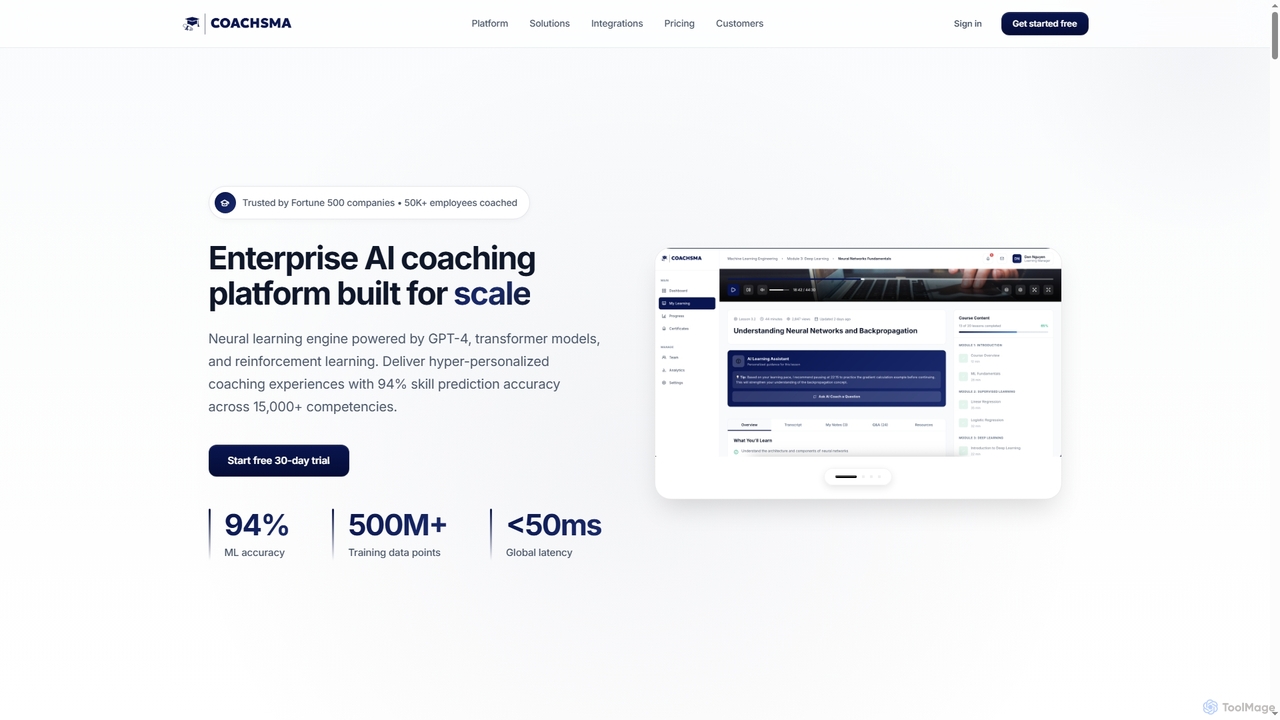
CoachSMA is an enterprise AI coaching platform that delivers hyper-personalized employee training experiences. Leveraging GPT-4, transformer models, and reinforcement learning, it offers adaptive learning paths, smart assessments, and 24/7 AI coaching. Trusted by Fortune 500 companies, CoachSMA aims to accelerate skill development, improve knowledge retention, and ensure compliance with high accuracy and efficiency.

Corporate Training
Visits 4.6KFavorites 133Likes 149
Percipio
Paid

Percipio

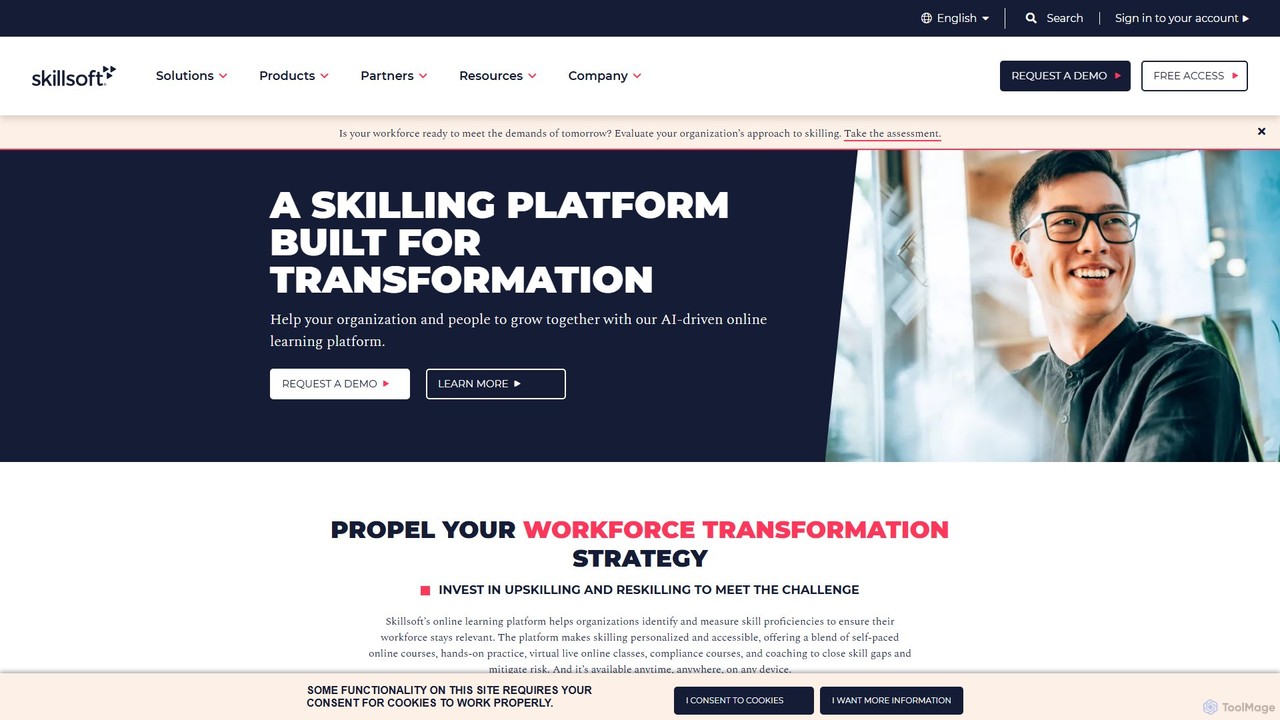
Percipio is an AI-driven immersive learning platform by Skillsoft, designed for corporate upskilling and reskilling. It offers personalized learning paths with a mix of self-paced courses, live classes, hands-on practice, and AI coaching. The platform helps organizations identify skill gaps, measure proficiency, and align talent development with strategic goals, ensuring the workforce remains competitive and future-ready.

Corporate Training
Visits 373KFavorites 120Likes 129

About Talent Development

Talent Development AI tools are specialized platforms that leverage artificial intelligence to optimize employee growth, learning, and performance within an organization. These tools utilize machine learning and data analytics to create personalized learning experiences, identify skill gaps, and automate aspects of performance management. They empower HR and L&D teams to foster a highly skilled and engaged workforce, contributing directly to business success.

Core Features

  • Personalized Learning Paths: AI analyzes individual skill sets and career goals to recommend tailored training modules and resources.
  • Skill Gap Analysis: Automatically identifies current and future skill deficiencies at individual and organizational levels.
  • AI-Powered Coaching & Feedback: Provides objective, real-time feedback and coaching suggestions to employees and managers.
  • Predictive Analytics for Retention: Uses data to forecast employee turnover risks and suggest proactive development interventions.
  • Automated Content Curation: Gathers and recommends relevant learning content from various sources based on user profiles.

Applicable Scenarios

These tools are invaluable for HR departments, Learning & Development teams, and managers aiming to cultivate a high-performing workforce. They are used in large enterprises for strategic workforce planning, by SMEs for efficient employee upskilling, and by individual employees seeking personalized career growth opportunities.

How to Choose

When selecting an AI Talent Development tool, consider its personalization capabilities for learning paths, integration with existing HRIS, and the robustness of its skill gap analysis features. Evaluate the quality and breadth of its content library, data security protocols, and the scalability to meet future organizational growth needs.

Talent Development use cases

1

Personalized Upskilling for Employees

An employee seeking to transition into a new role can use an AI talent development platform to receive a customized learning plan. The AI analyzes their current skills, identifies necessary competencies for the target role, and recommends specific courses, articles, and projects, accelerating their career progression and ensuring they acquire relevant skills efficiently.

2

Automated Skill Gap Identification for Teams

A department manager needs to assess the collective skill readiness of their team for an upcoming project. The AI tool automatically analyzes team members' profiles, project requirements, and industry trends to pinpoint critical skill gaps, then suggests targeted training programs or internal mentorship opportunities to bridge these deficiencies.

3

AI-Powered Performance Coaching for Managers

A manager struggles to provide consistent, objective feedback to their direct reports. An AI talent development tool can analyze performance data, project contributions, and peer feedback to generate personalized coaching prompts and development suggestions, helping the manager guide employees more effectively and foster continuous improvement.

4

Tailored Onboarding for New Hires

A large organization needs to onboard new employees efficiently and effectively across various departments. The AI platform customizes onboarding modules based on the new hire's role, department, and prior experience, ensuring they receive relevant information and training from day one, reducing ramp-up time and improving engagement.

5

Strategic Workforce Planning & Succession

An HR leader is planning for future leadership needs and potential talent shortages. The AI tool analyzes current employee performance, potential, and career aspirations, combined with market trends, to identify high-potential employees and recommend personalized development plans for succession planning, ensuring a robust leadership pipeline.

6

Ensuring Compliance Training Completion

A company needs to ensure all employees complete mandatory annual compliance training. The AI system tracks individual progress, sends personalized reminders, and adapts the training content based on an employee's role and previous knowledge, significantly increasing completion rates and reducing administrative burden for HR.

Talent Development FAQ

What are AI Talent Development tools?

AI Talent Development tools are software solutions that use artificial intelligence, such as machine learning and natural language processing, to enhance employee learning, skill acquisition, and career growth. They move beyond traditional HR systems by offering personalized experiences, data-driven insights, and automated processes to foster a more skilled and engaged workforce. These tools are crucial for modern human resources strategies.

How do AI tools enhance talent development compared to traditional methods?

AI tools revolutionize talent development by offering unparalleled personalization, efficiency, and data-driven insights. Unlike traditional, often one-size-fits-all training, AI platforms adapt learning paths to individual needs, identify skill gaps proactively, and provide objective, continuous feedback. This leads to more effective learning outcomes, better employee engagement, and more strategic workforce planning, making development scalable and measurable.

What key features should I look for in an AI Talent Development platform?

When evaluating AI Talent Development platforms, prioritize features like robust personalized learning path generation, comprehensive skill gap analysis, and AI-powered coaching capabilities. Look for strong integration with existing HR systems, advanced analytics for tracking progress and ROI, and a diverse, high-quality content library. Data security and scalability are also critical considerations for long-term success.

Who benefits most from implementing AI-powered talent development?

AI-powered talent development benefits a wide range of stakeholders. Employees gain personalized growth opportunities and clear career paths. Managers receive tools for effective team development and performance coaching. HR and L&D teams achieve greater efficiency, data-driven insights for strategic planning, and improved retention. Ultimately, organizations benefit from a more skilled, adaptable, and engaged workforce, driving innovation and competitive advantage.

How do AI Talent Development tools fit into the broader Human Resources strategy?

AI Talent Development tools are an integral part of a modern Human Resources strategy, serving as a specialized component within the larger HR tech ecosystem. While the parent category of Human Resources encompasses all aspects from recruitment to payroll, talent development tools specifically focus on nurturing employee potential post-hire. They provide data-driven insights that inform recruitment, performance management, and succession planning, creating a holistic approach to workforce optimization.