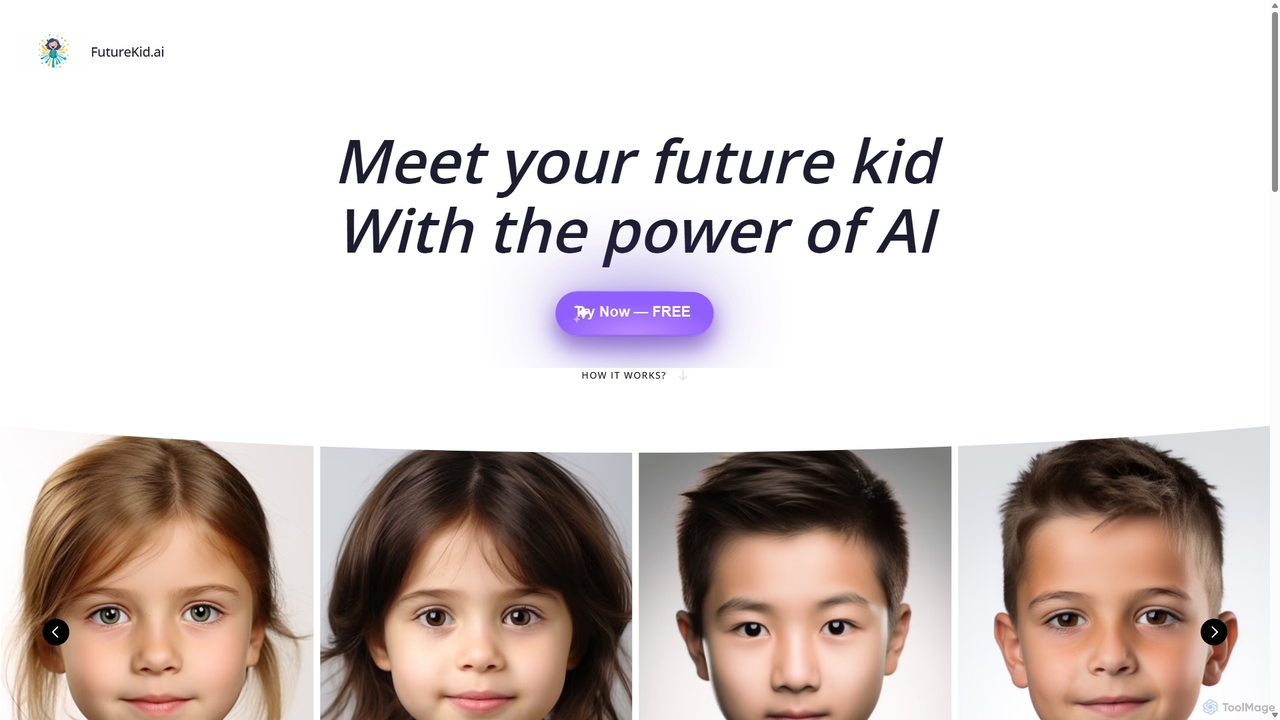
AI Entertainment image generation tools are a specialized category within AI image generation, designed to create visual content primarily for leisure, personal expression, and recreational purposes. These tools leverage advanced AI algorithms, often incorporating generative adversarial networks (GANs) or diffusion models, to transform textual prompts or existing images into unique, engaging, and often personalized visual assets. Their primary value lies in empowering users to easily produce creative digital art, customized avatars, game assets, and social media content without requiring extensive artistic skills, fostering creativity and engagement in various entertainment contexts.
Core Features
- Personalized Avatar & Character Creation: Generate unique digital representations of users or fictional characters with diverse styles and attributes.
- Artistic Style Transfer & Filters: Apply various artistic styles, from classical paintings to modern aesthetics, to existing images or newly generated content.
- Interactive Storytelling Visuals: Create dynamic illustrations and scenes for personal narratives, webcomics, or visual novels.
- Meme & Humorous Content Generation: Quickly produce trending or custom humorous images for social media and personal sharing.
- Virtual World Asset Design: Generate concept art and visual elements for games, metaverse platforms, and virtual environments.
Use Cases
These tools are widely adopted by individual creators, gamers, social media enthusiasts, and digital artists. They enable rapid prototyping of visual ideas for personal projects, enhance online presence with unique visuals, and facilitate the creation of engaging content for various digital platforms. From designing a unique profile picture to visualizing a scene from a fan-fiction story, AI entertainment tools streamline the creative process for non-professional and professional users alike.
How to Choose
When selecting an AI entertainment image generation tool, consider the variety of artistic styles and models offered, ensuring they align with your creative vision. Evaluate the level of customization available, such as control over character features or scene elements. Assess the output quality and resolution, especially if images are intended for high-fidelity use. Finally, review the user interface for ease of use and the community support for inspiration and troubleshooting, as many tools cater to a broad audience with varying technical skills.