ToolMage
Sign in

Best 1 Illustration AI tools for Image Generation

Popular Illustration AI tools in Image Generation include Hocha, helping you work more efficiently.

Hocha
Freemium

Hocha

Hocha is an AI-powered image generation and editing platform that allows users to transform images into stunning 3D figures, create professional headshots, generate diverse character illustrations, and enhance photos with advanced AI models. It offers a free trial without login, fast results, and commercial licensing options.

Creative Asset Generation
Visits 5KFavorites 113Likes 108

About Illustration

AI Illustration tools are a specialized subset of AI image generation, designed to create artistic and stylized visuals. These tools leverage advanced generative AI models to interpret textual prompts or sketches, transforming them into unique digital artworks, character designs, and scene compositions. They empower artists, designers, and content creators to explore new creative possibilities, accelerate their workflows, and produce high-quality illustrations with unprecedented speed and versatility.

Core Features

  • Style Transfer & Customization: Apply diverse artistic styles (e.g., watercolor, oil painting, comic, anime) to images or generate new illustrations in a specific aesthetic.
  • Character Design & Variation: Create unique characters from descriptions, generating multiple poses, expressions, and costume variations for concept art or storytelling.
  • Scene & Background Generation: Develop intricate backgrounds, environments, or entire scenes that match a specific mood or narrative, often with consistent artistic direction.
  • Line Art & Sketch Conversion: Transform rough sketches or line drawings into fully rendered, colored illustrations, saving significant manual coloring and detailing time.
  • Prompt-to-Image Generation: Generate illustrations directly from text descriptions, allowing for rapid ideation and visualization of complex concepts.

Use Cases

Graphic designers use AI illustration to quickly generate visual assets for marketing campaigns. Game developers leverage these tools for rapid concept art creation and character iteration. Content creators produce unique visuals for blogs, social media, and digital publications, enhancing engagement.

How to Choose

When selecting an AI illustration tool, consider its stylistic versatility and the range of artistic outputs it can produce. Evaluate the level of control offered over details and composition, which is crucial for professional artists. Check for integration capabilities with existing design software and the licensing terms for commercial use of generated art. Finally, assess the community support and available tutorials for learning and troubleshooting.

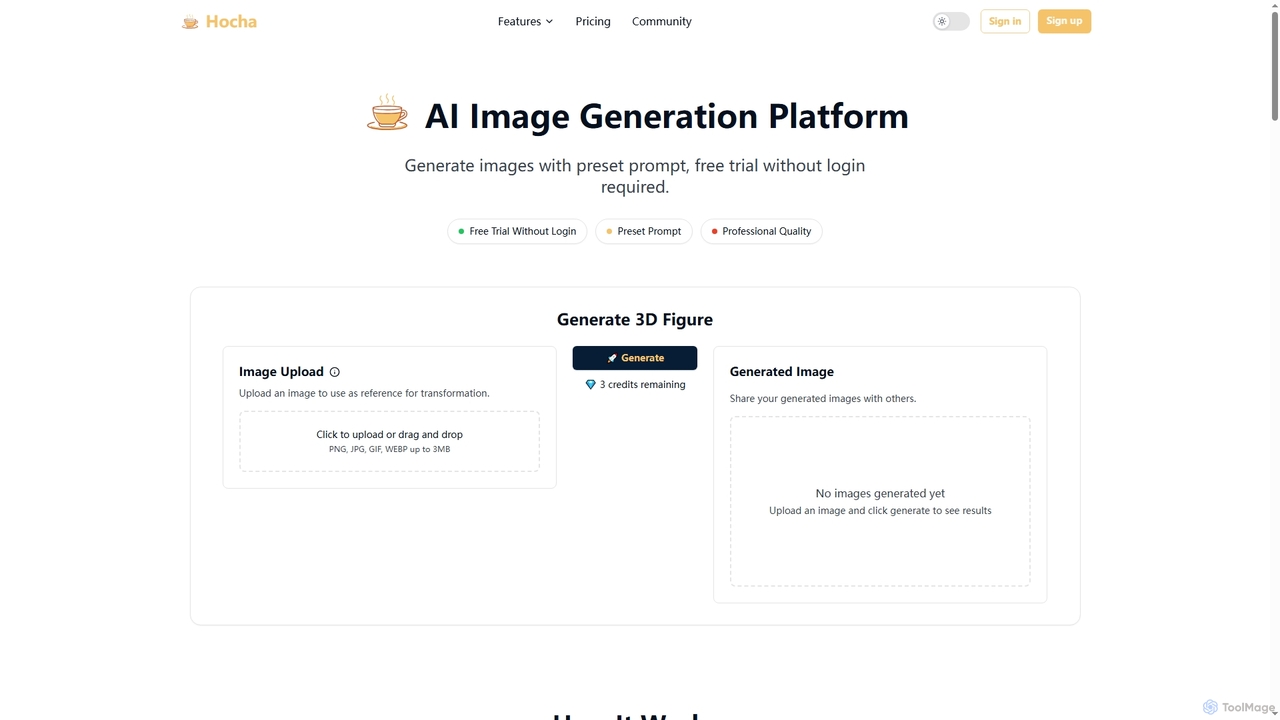
Illustration use cases

1

Generating Character Concept Art

Game artists and animators use AI illustration tools to rapidly generate diverse character concepts from textual descriptions. By inputting traits like "futuristic warrior, cybernetic arm, determined expression," they can quickly iterate through hundreds of unique designs, poses, and costume variations, significantly accelerating the initial ideation phase of game or film production.

2

Designing Unique Game Characters

Game artists and developers utilize AI illustration tools to rapidly generate diverse character concepts from textual descriptions or basic sketches. By inputting parameters like species, clothing style, and emotional state, they can explore hundreds of variations in minutes, significantly accelerating the character design phase and ensuring a wide range of creative options for their games.

3

Creating Storybook Illustrations

Independent authors and children's book creators leverage AI illustration to produce cohesive visual narratives. They can generate consistent character designs and scene backgrounds across multiple pages, maintaining a unified artistic style and saving substantial time and cost compared to traditional illustration methods, bringing their stories to life visually.

4

Creating Engaging Book Illustrations

Authors and independent publishers can leverage AI illustration tools to produce custom, high-quality illustrations for children's books, novels, or educational materials. By providing scene descriptions and character details, the AI generates visuals that match the narrative's tone and style, offering an affordable and efficient alternative to traditional illustration methods, while maintaining creative control.

5

Generating Marketing Visuals for Campaigns

Marketing professionals and agencies use AI illustration to quickly produce a wide array of visual assets for digital campaigns, social media, and advertisements. From stylized product illustrations to abstract brand imagery, these tools enable rapid iteration and customization, ensuring that marketing materials are fresh, engaging, and perfectly aligned with campaign themes, often reducing design time by over 50%.

6

Designing Marketing Visuals with Unique Styles

Marketing professionals and small business owners utilize AI illustration to create eye-catching, unique visuals for advertisements, social media campaigns, and website banners. They can experiment with various artistic styles and themes to match brand identity or campaign goals, producing distinctive graphics that stand out from stock imagery.

7

Developing Visuals for Educational Content

Educators and e-learning developers employ AI illustration to create engaging and informative graphics for textbooks, presentations, and online courses. They can generate custom diagrams, historical scenes, or scientific illustrations that simplify complex concepts, making learning more accessible and visually appealing for students.

8

Developing Concept Art for Film & Animation

Concept artists in the film and animation industries leverage AI illustration tools to rapidly visualize complex scenes, environments, and creature designs. By inputting descriptive text or rough sketches, they can generate multiple stylistic variations and detailed renderings, significantly accelerating the pre-production phase and providing directors with a rich visual library for decision-making.

9

Personalized Digital Art Creation

Hobbyists and digital artists use AI illustration to explore new creative avenues and generate personalized artworks. They can experiment with different prompts and styles to create unique profile pictures, fan art, or abstract pieces, pushing the boundaries of their artistic expression without needing extensive drawing skills.

10

Personalizing Avatars and Profile Pictures

Individuals and social media users can employ AI illustration tools to generate unique, stylized avatars and profile pictures. By uploading a photo or providing descriptive text, the AI can create artistic renditions in various styles (e.g., cartoon, anime, painterly), offering a personalized and creative way to represent oneself online without needing advanced drawing skills.

11

Fashion Design Sketch Refinement

Fashion designers can use AI illustration to quickly refine initial garment sketches into more detailed and stylized illustrations. By providing basic outlines and descriptions, the AI can add textures, patterns, and realistic rendering, helping designers visualize their concepts more clearly and present them effectively to clients or manufacturers.

12

Streamlining Storyboard Creation

Filmmakers, animators, and advertisers can use AI illustration tools to rapidly generate visual panels for storyboards. By inputting script descriptions or scene outlines, the AI translates these into sequential images, allowing for quick visualization of shots, camera angles, and character actions. This significantly speeds up the pre-visualization process, enabling more efficient planning and communication within production teams.

Illustration FAQ

What are AI Illustration tools?

AI Illustration tools are specialized software that use artificial intelligence to help create digital illustrations. They take text prompts, sketches, or images and generate unique artwork in various styles. These tools are designed to assist artists and designers in tasks like character creation, scene composition, and style application, making the illustration process more efficient and accessible.

What are AI Illustration tools?

AI Illustration tools are a specialized category of AI image generation software designed to create artistic and stylized visual content. They interpret text prompts or input images to produce unique digital artworks, character designs, and scene illustrations, often mimicking various artistic styles like painting, drawing, or comics.

How do AI Illustration tools differ from general AI Image Generators?

While both generate images, AI Illustration tools are specifically optimized for artistic expression and stylized outputs, focusing on elements like consistent character design, specific art styles, and narrative scene creation. General AI Image Generators might produce more photorealistic or abstract images, whereas illustration tools prioritize aesthetic control and artistic coherence.

How do AI Illustration tools differ from general AI Image Generators?

While both fall under AI Image Generation, AI Illustration tools focus specifically on artistic and stylized outputs, often with more control over line work, color palettes, and specific artistic techniques. General AI Image Generators aim for broader image creation, including photorealistic images or abstract art, whereas illustration tools prioritize the distinct aesthetic and creative control required for illustrative work, often offering features like vector output or specific art style libraries.

What are the key features to look for in an AI Illustration tool?

Essential features include robust style transfer capabilities, precise control over composition and details, the ability to generate consistent characters and scenes, and options for refining line art or sketches. Good tools also offer prompt engineering support, high-resolution output, and integration with professional design workflows.

Who benefits most from using AI Illustration tools?

A wide range of creative professionals and enthusiasts benefit from AI Illustration tools. This includes graphic designers seeking quick visual assets, game artists developing character concepts, marketing teams creating campaign visuals, and book illustrators needing custom artwork. Additionally, content creators, animators, and even hobbyists can leverage these tools to bring their artistic visions to life more efficiently and with diverse stylistic options.

What are the key features to look for in an AI Illustration tool?

When choosing an AI Illustration tool, prioritize features like style versatility, allowing for a wide range of artistic outputs. Look for strong customization options for generated elements (e.g., character traits, scene details) and high output resolution. Ease of use and an intuitive interface are crucial for efficient workflow. Additionally, consider integration capabilities with other design software and the licensing terms for commercial use of generated artwork.

Can AI Illustration tools be used for commercial projects?

Yes, many AI illustration tools offer commercial licensing options, but it's crucial to carefully review the terms of service for each specific tool. Licensing can vary significantly regarding ownership of generated art, usage rights, and attribution requirements. Always ensure compliance before using AI-generated illustrations in commercial work.

Can AI Illustration tools create vector graphics?

Yes, some advanced AI Illustration tools are capable of generating or converting raster illustrations into scalable vector graphics (SVG, AI, EPS formats). This feature is highly valuable for designers working on logos, icons, or print materials, as vector graphics maintain their quality and sharpness regardless of scaling. However, not all AI illustration tools offer this capability, so it's an important feature to check based on specific project needs.

Who benefits most from using AI Illustration tools?

AI Illustration tools are highly beneficial for graphic designers, concept artists, game developers, content creators, and independent authors who need to produce a large volume of high-quality, stylized visuals quickly. They also empower hobbyists and aspiring artists to create complex artworks without extensive traditional art skills.