Image Generation Best in category 3 results Virtual Models AI Tool

Popular AI tools in the Virtual Models field of Image Generation include uwear、Metamodels、Shots Maker, etc., helping you quickly improve efficiency.

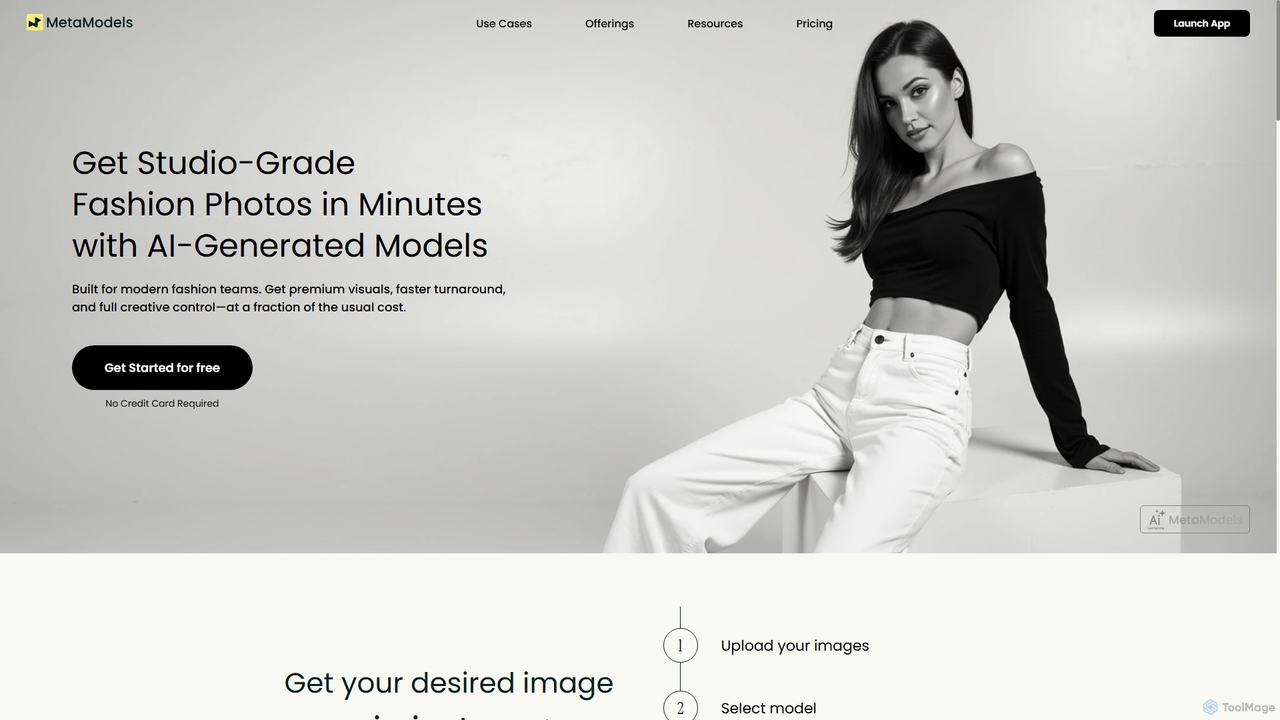
Metamodels

Metamodels

Metamodels is an AI-powered platform for fashion brands to create studio-quality product photos without traditional photoshoots. By uploading …

3.5K
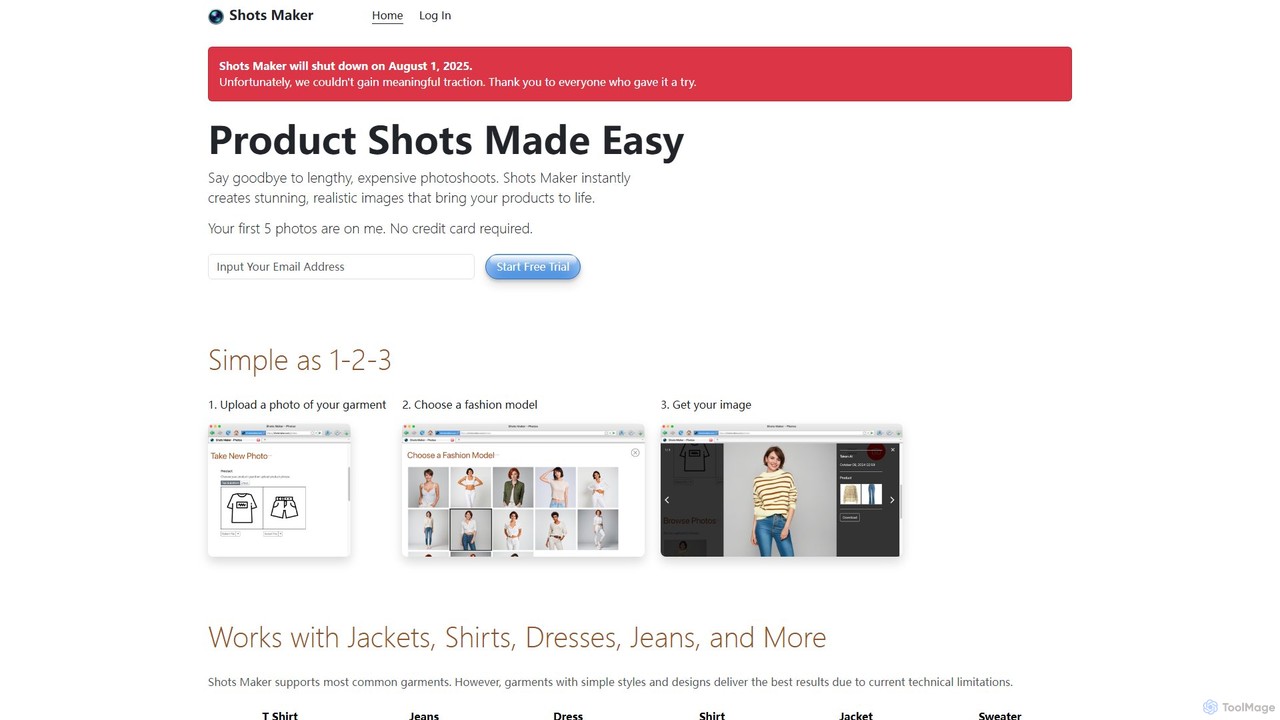
Shots Maker

Shots Maker

Shots Maker is an AI-powered tool that instantly generates realistic product photos for apparel. Simply upload a garment …

2.4K
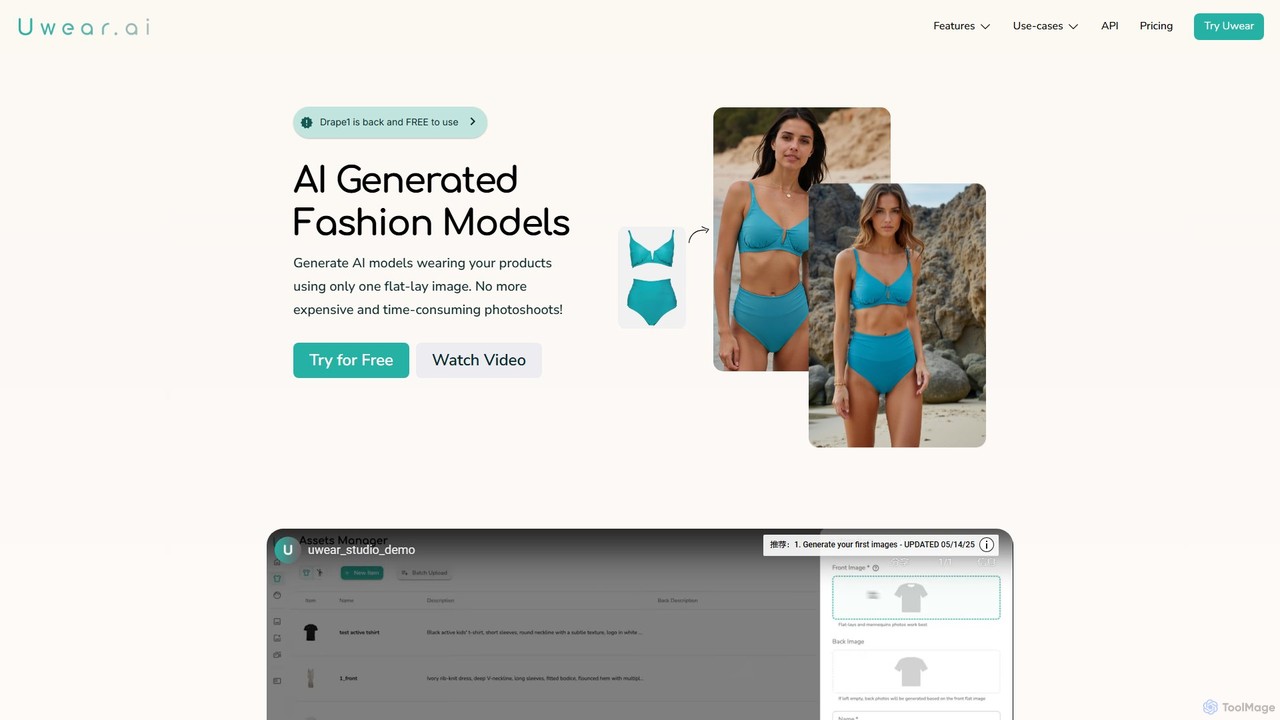
uwear

uwear

uwear is an AI-powered virtual photographer for fashion brands. Simply upload a flat-lay photo of a garment, and …

53.4K

About Virtual Models

Virtual Models are AI tools that generate realistic or stylized human figures for digital use, serving as a specialized application within image generation. These tools utilize advanced generative models to create customizable characters with specific attributes like age, ethnicity, and body type. Their primary value lies in producing high-quality, consistent, and diverse model imagery on-demand, eliminating the need for traditional photoshoots. This capability is particularly useful for e-commerce, marketing, and creative projects requiring controllable human subjects.

Core Features

  • Customizable Appearance: Control detailed facial features, body type, age, ethnicity, and hairstyle.
  • Pose and Expression Control: Specify precise body poses, gestures, and facial expressions to match a scene's mood.
  • Wardrobe Application: Virtually dress the models in specific clothing items, often from user-uploaded images.
  • Consistent Character Generation: Maintain the same model's identity across multiple images and scenarios for brand consistency.
  • Style Versatility: Generate models in various styles, from hyper-realistic photography to stylized illustrations.

Use Cases

These tools are widely adopted in the e-commerce and fashion industries to showcase apparel on a diverse range of body types without logistical constraints. Marketing agencies use them to create unique and inclusive advertising campaigns with consistent brand ambassadors. Additionally, game developers and content creators leverage them to produce character concepts and virtual influencers.

How to Choose

When selecting a Virtual Models tool, evaluate the level of realism and the range of customization options available. Consider the tool's ability to maintain character consistency across different outputs. Also, review the licensing terms to ensure the generated images can be used for your intended commercial purposes. Finally, assess the ease of use and whether an API is available for integration into existing workflows.

Virtual ModelsUse Cases

1

E-commerce Apparel Display

An online fashion retailer needs to display a new collection of 50 clothing items on models of diverse body types and ethnicities. Instead of a costly and time-consuming photoshoot, the marketing team uses a virtual model generator. They create five distinct virtual models with different looks. Then, they upload images of their clothing, and the AI automatically fits each item onto every model in various poses. This process generates hundreds of high-quality product images in a single day, significantly reducing costs and time-to-market while promoting inclusivity.

2

Creating Consistent Brand Marketing Assets

A startup wants to create a series of social media ads featuring a consistent brand ambassador without hiring a celebrity. Using a virtual model tool, their designer creates a unique character that embodies their brand's values. This virtual ambassador is then placed in various scenarios for different ad campaigns—using a laptop, jogging in a park, or enjoying a coffee. The tool's consistency feature ensures the model's face and body remain identical in every image, building brand recognition and trust with the audience over time, all at a fraction of the cost of traditional talent acquisition.

3

Game Character Concept Art

An indie game developer is in the early stages of designing characters for a new role-playing game. They need to visualize dozens of potential heroes and villains quickly. By using a virtual model generator, the artist can rapidly prototype character appearances. They can specify fantasy races, unique hairstyles, and different body builds, generating multiple variations in minutes. This allows the development team to review and iterate on character designs much faster than traditional sketching, accelerating the pre-production phase and helping to define the game's visual style early on.

4

Generating Diverse Stock Photography

A content creator needs a specific image for a blog post: a female engineer of South Asian descent working on a tablet in a modern office. Searching traditional stock photo sites yields limited or generic results. Using a virtual model generator, the creator inputs these exact parameters. They specify the model's ethnicity, profession (by describing her attire), the object she's holding, and the background environment. Within seconds, the tool generates several high-quality, royalty-free images that perfectly match the request, providing a custom visual that enhances the blog post's relevance and authenticity.

5

Visualizing Architectural Renderings

An architecture firm is creating a presentation for a new residential building. To make the renderings more lifelike and relatable, they need to add people to the scenes. Instead of using generic, repetitive 2D cutouts, they use a virtual model generator. They create several models of different ages and styles, posing them naturally within the architectural spaces—a family in the living room, a couple on the balcony. This adds a realistic human scale and emotional connection to the designs, helping clients better visualize themselves in the space and making the presentation more compelling.

6

Creating Virtual Influencers for Social Media

A digital marketing agency decides to launch a virtual influencer on Instagram to promote a lifestyle brand. Using a virtual model generator, they design a unique character with a distinct personality and style. They can generate a continuous stream of content showing the influencer in different locations, wearing various outfits, and interacting with products. The tool's ability to maintain the character's exact likeness ensures consistency. This approach provides complete control over the brand's narrative and image, avoiding the complexities and potential risks associated with managing a human influencer.

Virtual ModelsFrequently Asked Questions