Image Generation Best in category 2 results Virtual Try On AI Tool

Popular AI tools in the Virtual Try On field of Image Generation include IDM VTON、OutfitAI, etc., helping you quickly improve efficiency.

Free
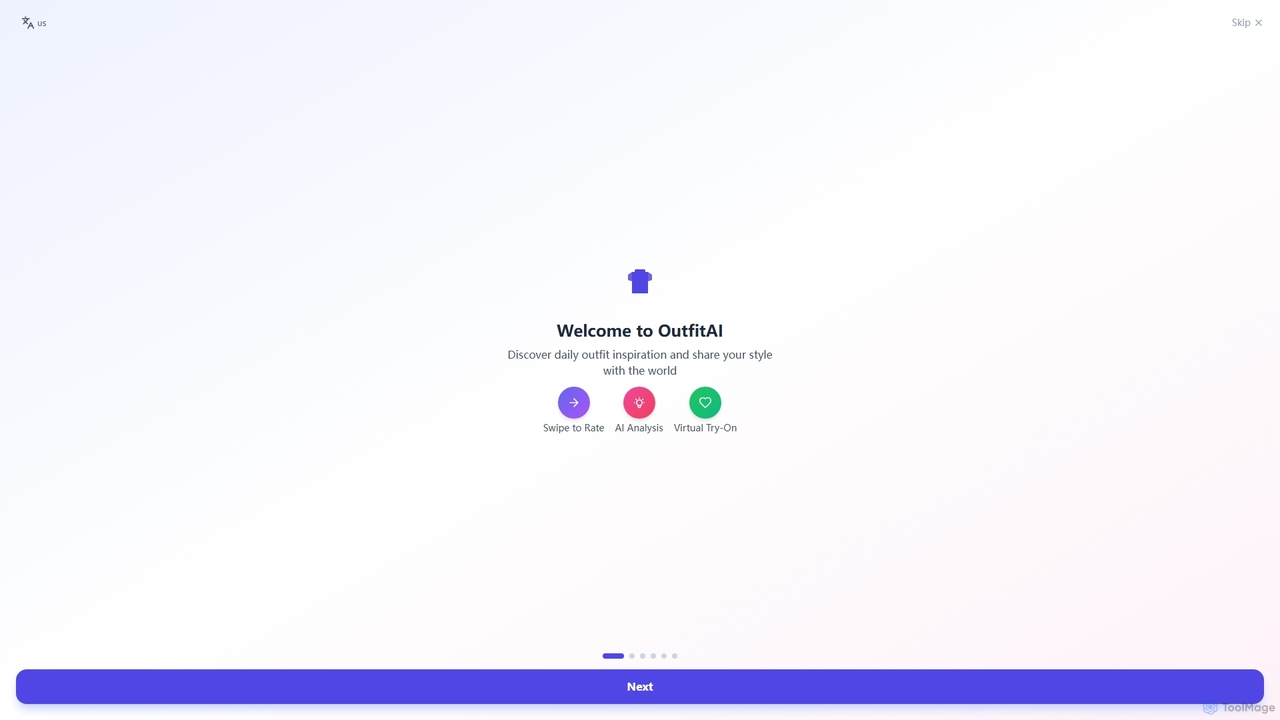
OutfitAI

OutfitAI

OutfitAI is a free AI-powered fashion app that provides daily outfit inspiration, virtual try-on capabilities, and intelligent style …

2.7K
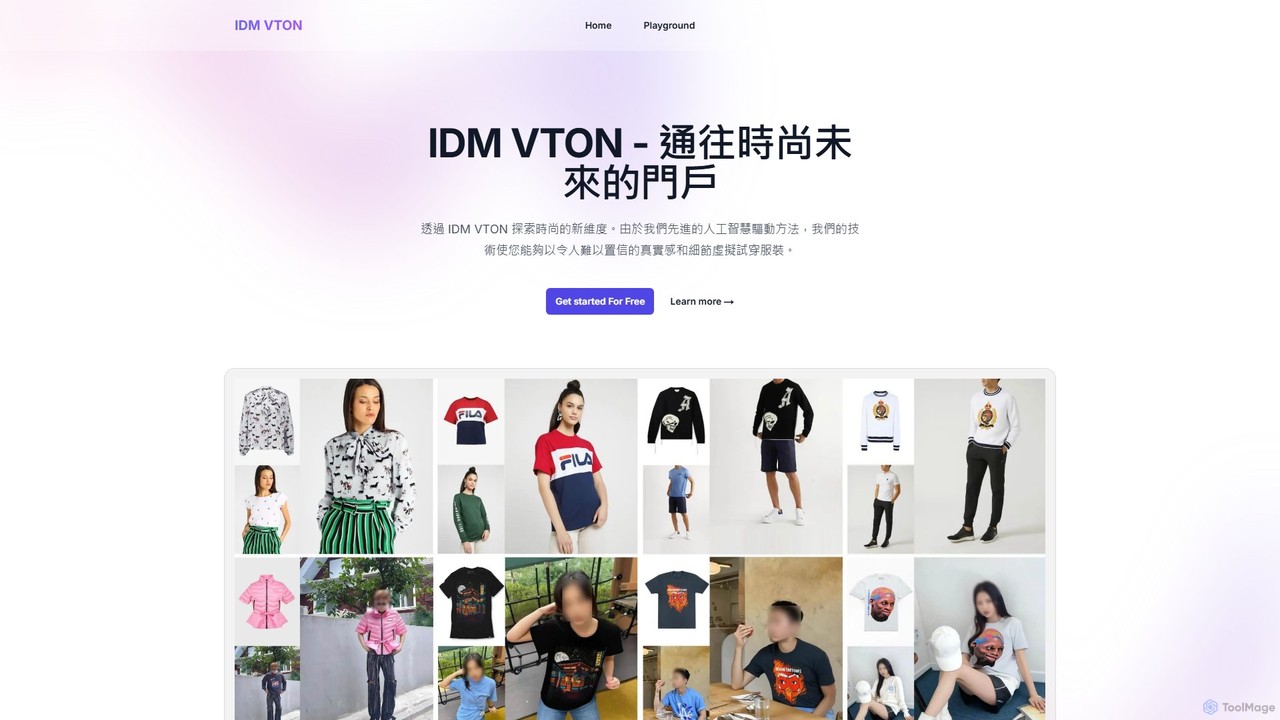
IDM VTON

IDM VTON

IDM VTON is an AI-powered virtual try-on platform that allows users to realistically try on clothing using just …

12.5K

About Virtual Try On

Virtual Try On tools are a specialized category of AI-powered solutions that enable users to digitally overlay products onto their own image or video in real-time. Leveraging advanced image generation and computer vision technologies, these tools create highly realistic visualizations of how items like clothing, accessories, or makeup would look on an individual. They significantly enhance the online shopping experience by providing a personalized and interactive way to evaluate products before purchase, bridging the gap between physical and digital retail.

Core Features

  • Realistic Product Overlay: Accurately superimposes 2D or 3D product models onto a user's body or face, adapting to their unique features.
  • Real-time Interaction: Allows users to move and change angles, with the virtual product adjusting dynamically to maintain realism.
  • Body Shape & Size Adaptation: Intelligently adjusts virtual clothing to fit different body types and sizes, providing a personalized fit preview.
  • Multi-product Integration: Supports trying on multiple items simultaneously, such as a full outfit or various accessories.
  • Material & Texture Simulation: Simulates the appearance of different fabrics, textures, and finishes for a more authentic visual experience.

Applicable Scenarios

Virtual Try On tools are primarily used in e-commerce to revolutionize how consumers interact with products online. Fashion retailers utilize them for clothing, shoes, and accessories, allowing customers to see how items fit and look without physical contact. Beauty brands deploy these tools for makeup, hairstyles, and contact lenses, enabling users to experiment with different looks. Additionally, eyewear companies offer virtual try-on for glasses and sunglasses, helping customers find the perfect frame shape and style.

How to Choose

When selecting a Virtual Try On solution, prioritize the realism and accuracy of the rendering, as this directly impacts user trust and conversion. Evaluate the range of product types supported (e.g., clothing, jewelry, makeup) and the ease of integrating the solution with your existing e-commerce platform. Consider the real-time performance and responsiveness, especially for video-based try-on, and assess the level of customization available for branding and user interface. Finally, review the underlying AI's ability to adapt to diverse body shapes, skin tones, and lighting conditions for an inclusive user experience.

Virtual Try OnUse Cases

1

Enhancing Online Fashion Shopping Experience

Fashion retailers can integrate Virtual Try On tools into their e-commerce platforms, allowing customers to virtually try on clothing, shoes, and accessories. Users upload a photo or use their webcam to see how different outfits look on their body, adjusting for size and fit. This significantly reduces uncertainty about purchases, leading to higher conversion rates and fewer returns, as customers gain confidence in their choices before buying.

2

Virtual Eyewear and Jewelry Fitting

Eyewear brands and jewelry stores can offer virtual try-on experiences for their products. Customers can use their smartphone cameras to see how different frames of glasses or pieces of jewelry (like earrings, necklaces, or rings) look on their face or hands. This interactive visualization helps them assess style, size, and fit without needing to visit a physical store, making the selection process more convenient and personalized.

3

Virtual Makeup and Hairstyle Previews

Beauty brands leverage Virtual Try On tools to allow users to experiment with different makeup products (lipstick, eyeshadow, foundation) and even hairstyles. Through a live camera feed or uploaded photo, the AI accurately applies virtual cosmetics to the user's face, showing immediate results. This empowers customers to visualize new looks, discover suitable products, and make confident purchasing decisions without physical testers, enhancing engagement and reducing product returns.

4

Personalized Styling and Recommendation

Beyond simple try-on, advanced Virtual Try On platforms can analyze a user's body shape, skin tone, and existing wardrobe (via uploaded images) to offer personalized styling advice and product recommendations. For example, an AI stylist could suggest clothing items that complement the user's figure or makeup shades that match their complexion. This transforms the shopping experience into a highly curated and guided journey, increasing customer loyalty and average order value.

5

Reducing E-commerce Returns for Retailers

One of the most significant challenges for online retailers is the high rate of product returns, especially in fashion. Virtual Try On tools directly address this by allowing customers to make more informed purchasing decisions. When users can accurately visualize how an item will look and fit, they are less likely to return it due to dissatisfaction with appearance or size. This leads to substantial cost savings for retailers in logistics, processing, and restocking, while also improving customer satisfaction.

6

Interactive Product Customization and Design

Beyond trying on existing products, Virtual Try On technology can be extended to interactive product customization. Users could virtually design their own shoes, handbags, or even furniture by selecting materials, colors, and components, then instantly visualize the customized item on themselves or in a simulated environment. This empowers co-creation, offering a unique and engaging experience that fosters deeper connection with the brand and its products, moving beyond static product configurators.

Virtual Try OnFrequently Asked Questions