IDM VTON
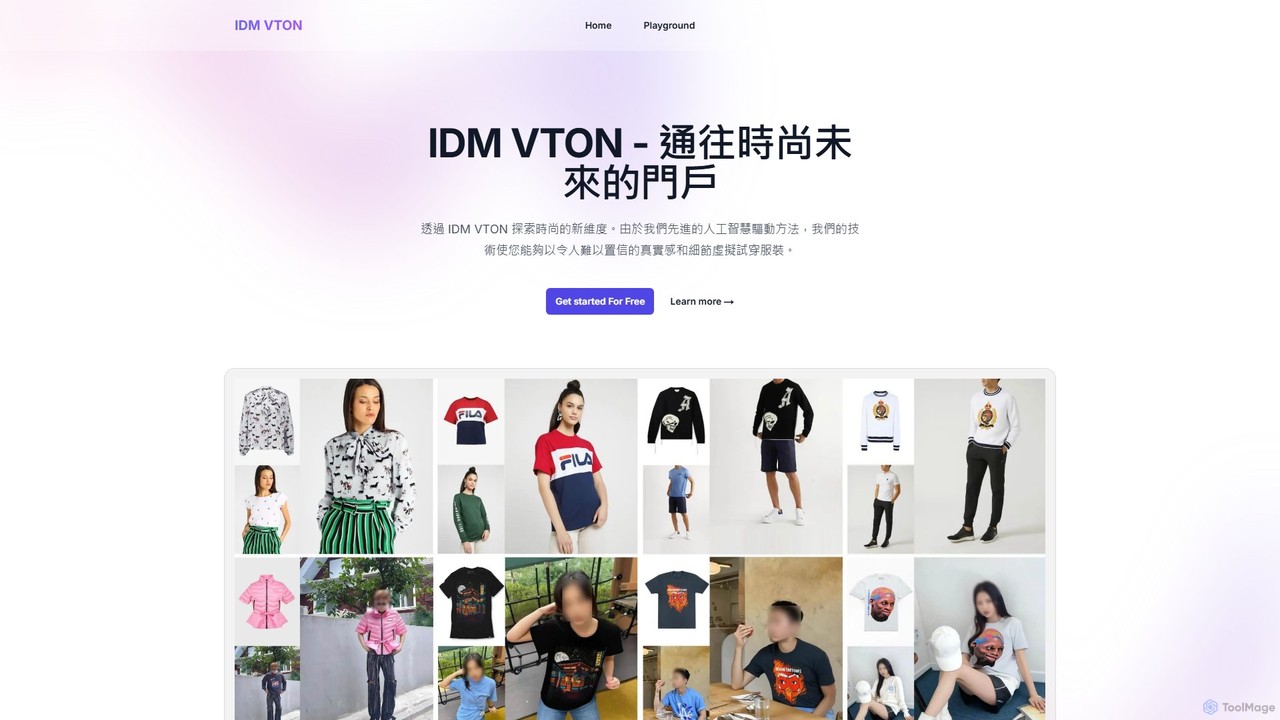
IDM VTON is an AI-powered virtual try-on platform that allows users to realistically try on clothing using just …
IDM VTON is an AI-powered virtual try-on platform that allows users to realistically try on clothing using just a photo. Leveraging advanced diffusion models, it offers a seamless and inclusive experience for various body types and garment styles, revolutionizing the online fashion shopping experience for both consumers and e-commerce businesses.
About Fashion Tech
Fashion Tech tools are a specialized category of AI that applies computer vision and generative algorithms to the fashion industry's value chain. These tools analyze visual data to enable features like virtual try-on, AI-powered design creation, and predictive trend forecasting. They empower brands to create hyper-personalized customer experiences, reduce return rates, and accelerate the design-to-market process. By transforming static product images into interactive experiences, Fashion Tech AI bridges the gap between digital and physical retail within the broader e-commerce landscape.
Core Features
- Virtual Try-On (VTO): Allows users to digitally overlay clothing or accessories on their photo or live video to visualize fit and style.
- AI Design Generation: Creates novel apparel designs, textile patterns, or style variations from text prompts or image inputs.
- Trend Forecasting: Analyzes data from social media, runways, and sales to predict emerging styles, colors, and patterns.
- Personalized Style Recommendation: Suggests products and outfits based on a user's visual preferences, body type, and past behavior.
- AI Model Generation: Creates realistic, diverse virtual models for product photoshoots, eliminating the need for physical sessions.
Use Cases
These tools are primarily used by e-commerce fashion brands, apparel designers, retail buyers, and marketing teams. For instance, an online retailer can integrate a virtual try-on feature to reduce returns, while a designer can use generative AI to rapidly prototype new collection ideas. Marketers also use AI models to create on-brand campaign imagery at a fraction of the traditional cost.
How to Choose
When selecting a Fashion Tech tool, consider its specific function—whether for design, retail, or marketing. Evaluate its integration capabilities with your existing e-commerce platform (e.g., Shopify, Magento). Assess the realism and accuracy of the AI output, such as the quality of VTO rendering or the diversity of generated models. Finally, consider the data requirements and the technical support provided.

Fashion TechUse Cases
Reduce Returns with Virtual Try-On
An e-commerce manager for an online apparel store faces high return rates due to sizing issues. By integrating a Virtual Try-On (VTO) tool, they allow customers to upload a photo and see how a garment will look on their specific body type. The AI analyzes the user's measurements and the product's specifications to generate a realistic preview. This empowers customers to make more confident purchasing decisions, leading to a significant decrease in size-related returns and an increase in conversion rates.
Accelerate Design with AI Pattern Generation
A fashion designer is tasked with creating a new collection under a tight deadline. Instead of manually sketching hundreds of textile patterns, they use an AI design tool. By inputting text prompts like 'art deco floral pattern in pastel colors,' the AI generates dozens of unique, high-resolution pattern options in minutes. The designer can then select the best options, refine them, and apply them to their clothing mockups, reducing the creative ideation phase from weeks to just a few days.
Create Diverse Model Imagery without Photoshoots
A fast-fashion brand needs to showcase 200 new items on models of diverse ethnicities and body types for their website. Organizing physical photoshoots is costly and time-consuming. The marketing team uses an AI model generation tool. They upload flat-lay images of their clothing, and the AI realistically drapes them onto a wide selection of virtual models. This allows them to generate thousands of on-model images instantly, achieving diversity in representation while cutting photoshoot costs by over 90%.
Personalize Shopping with AI Style Recommendations
An online fashion marketplace wants to increase user engagement and average order value. They implement an AI-powered style recommendation engine. The system analyzes a user's browsing history, past purchases, and visually similar items they've liked. It then curates a personalized 'For You' page with products and complete outfits that match their unique style. This proactive and relevant suggestion process helps customers discover new items they love, leading to longer session times and higher sales.
Inform Inventory with AI Trend Forecasting
A retail buyer for a large department store needs to make purchasing decisions for the next season. Instead of relying solely on past sales data and intuition, they use an AI trend forecasting platform. The tool analyzes millions of data points from social media, fashion blogs, and runway shows to identify emerging micro-trends, such as a specific shade of green or the resurgence of a particular silhouette. These data-driven insights allow the buyer to invest in inventory that is more likely to sell out, reducing markdowns and improving profitability.
Automate Size Recommendations for Footwear
An online shoe retailer struggles with high return rates because customers frequently order the wrong size. They implement an AI-powered sizing tool. Customers use their smartphone camera to take a short video of their feet. The AI then creates a precise 3D model, measures key dimensions, and compares them against the internal specifications of each shoe model to recommend the perfect size. This provides a highly accurate and personalized recommendation, drastically reducing size-related returns and improving customer satisfaction.