ToolMage
Sign in

Best 3 Visual Content AI tools for Image Generation

Popular Visual Content AI tools in Image Generation include AI Doc Suite, RepublishAI, and Audiosum, helping you work more efficiently.

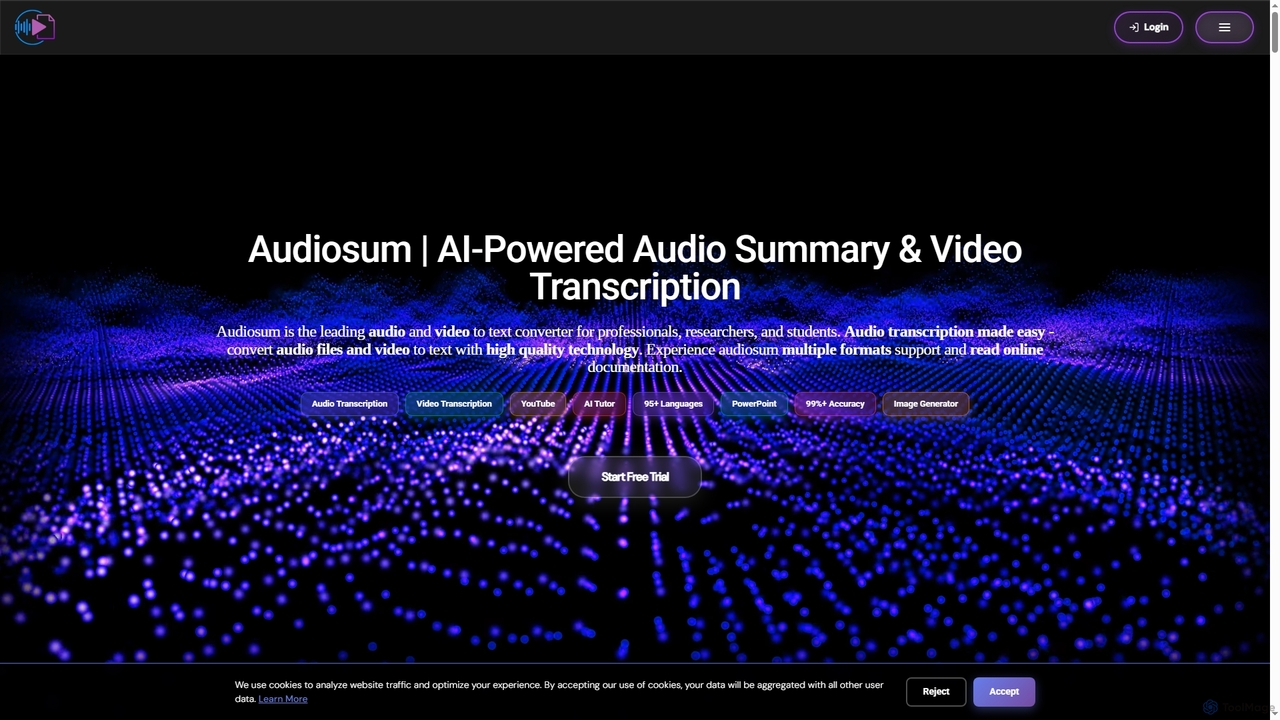
Audiosum
Freemium

Audiosum

Audiosum is an advanced AI-powered platform designed for professionals, students, and researchers to efficiently process audio, video, and document content. It offers highly accurate transcription, intelligent summarization, and various content generation tools, saving users significant time by transforming lengthy media into concise, actionable insights across over 95 languages.

Meeting Management
Visits 7.2KFavorites 141Likes 146
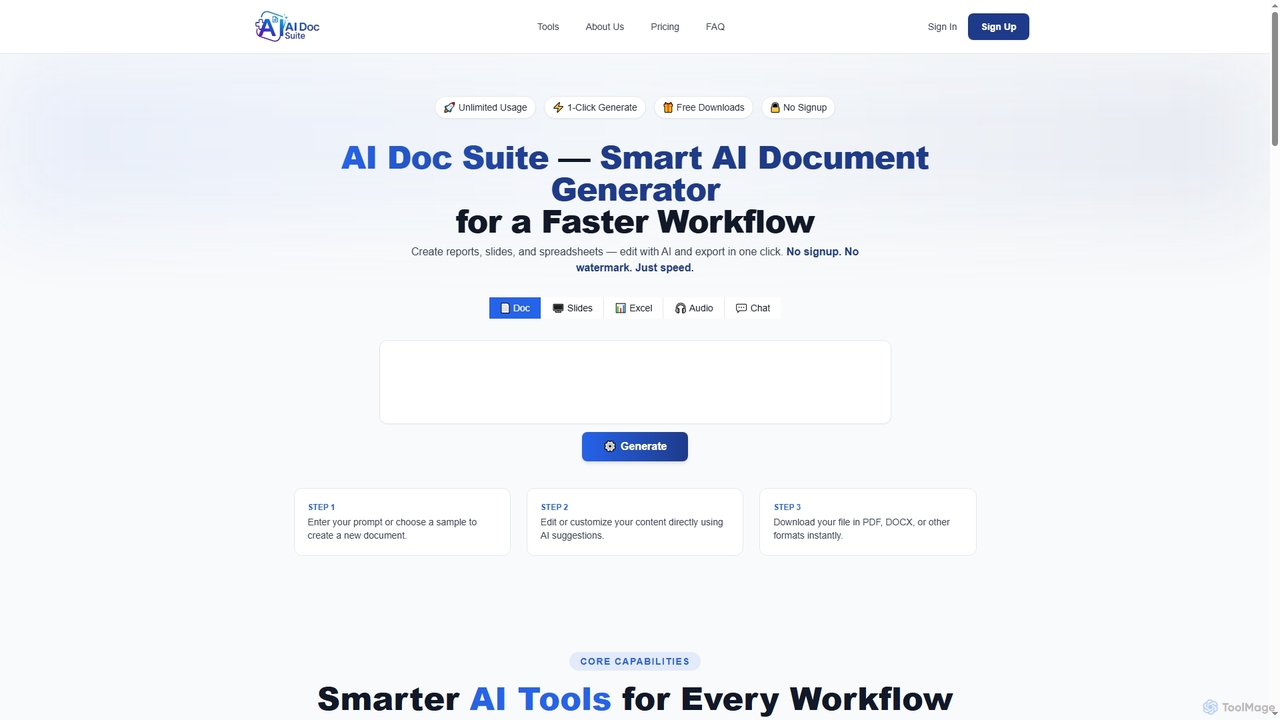
AI Doc Suite
Freemium

AI Doc Suite

AI Doc Suite is an advanced, browser-based AI workspace for creating, editing, and converting professional documents, slides, spreadsheets, audio, images, and videos. It streamlines content generation with intelligent automation and customizable templates, offering a comprehensive solution for various creative and business needs.

Document Sharing
Visits 12.3KFavorites 94Likes 100
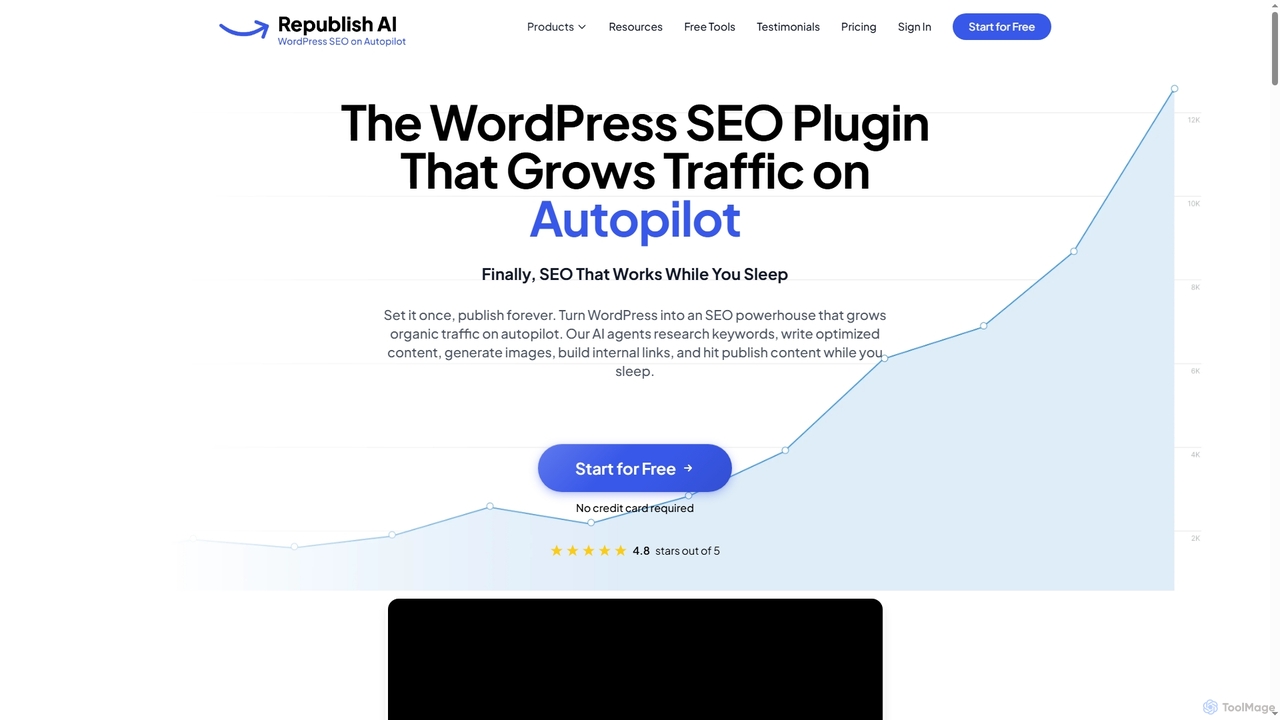
RepublishAI
Freemium

RepublishAI

RepublishAI is an advanced WordPress SEO plugin that automates content creation, optimization, and publishing. It uses AI agents to research keywords, write comprehensive articles, generate images, build internal links, and schedule daily posts, helping WordPress blogs grow organic traffic on autopilot.

Article Generation
Visits 8.2KFavorites 107Likes 105

About Visual Content

Visual Content tools are a specialized category of AI-powered solutions within the broader Image Generation landscape, designed to create compelling and ready-to-use visual assets for various communication and marketing purposes. These tools leverage advanced AI algorithms to transform text prompts, data, or existing media into high-quality images, graphics, and short animations, often optimized for specific platforms like social media, websites, or presentations. Their primary value lies in automating the creation of visually engaging materials, enabling users to produce branded content, marketing visuals, and illustrative graphics efficiently and at scale, without requiring extensive design skills.

Core Features

  • Template-Based Creation: Offers pre-designed layouts and styles for social media posts, ads, banners, and presentations, streamlining the design process.
  • Brand Kit Integration: Allows users to upload and apply brand logos, color palettes, and fonts consistently across all generated visual assets.
  • Text Overlay & Typography: Provides AI-assisted text placement and styling options to integrate messages seamlessly into visual designs.
  • Batch Generation & Variation: Enables the creation of multiple visual variations or entire content series from a single prompt or data set, ideal for A/B testing or diverse campaigns.
  • Platform Optimization: Generates visuals tailored to specific aspect ratios, resolutions, and file formats required by different social media platforms or digital channels.

Use Cases

These tools are indispensable for marketing teams, social media managers, and content creators who need to maintain a consistent visual presence across digital channels. They are used to quickly generate engaging visuals for daily social media updates, design eye-catching ad creatives for campaigns, or produce branded graphics for blog posts and email newsletters, significantly reducing the time and resources typically spent on graphic design.

How to Choose

When selecting a Visual Content AI tool, consider its template library's breadth and relevance to your needs, the robustness of its brand kit integration for consistent branding, and its ability to generate content optimized for your target platforms. Evaluate the ease of use, the quality of AI-generated outputs, and the pricing model, especially if you require high-volume creation or advanced customization features.

Featured tool rankings

Visual Content use cases

1

Generating Branded Social Media Posts

Social media managers can utilize Visual Content AI tools to rapidly produce a consistent stream of branded posts. By inputting text prompts or data, the AI generates visually appealing graphics, applies brand colors, logos, and fonts, and optimizes the output for platforms like Instagram, Facebook, or LinkedIn. This automates daily content creation, ensuring brand consistency and freeing up designers for more complex tasks.

2

Creating Marketing Ad Creatives at Scale

Marketing teams often need numerous ad variations for A/B testing and diverse campaign segments. Visual Content AI tools allow marketers to generate hundreds of unique ad creatives from a single concept, automatically adjusting layouts, images, and text overlays. This accelerates campaign launch times, optimizes ad performance through rapid iteration, and reduces the cost of graphic design services.

3

Designing Engaging Blog Post Headers & Infographics

Content creators and bloggers can use these tools to design captivating header images and simple infographics that enhance readability and engagement. By providing key article points or themes, the AI can suggest visual concepts, incorporate relevant imagery, and arrange text elements into an attractive layout. This helps to break up long-form content and make it more visually appealing without needing advanced design software.

4

Producing Consistent Visuals for Email Newsletters

Email marketers can leverage Visual Content AI to create a cohesive visual experience across their newsletter campaigns. The tools can generate banners, product highlights, and call-to-action graphics that adhere to brand guidelines. This ensures every email looks professional and on-brand, improving subscriber engagement and click-through rates by presenting information in an attractive and digestible format.

5

Developing On-Brand Presentation Slides

Business professionals and educators can use Visual Content AI to quickly design visually consistent and impactful presentation slides. Instead of starting from scratch, users can input key points or data, and the AI generates slides with appropriate layouts, imagery, and text styling, all while maintaining brand identity. This saves significant time in preparing professional-looking presentations for meetings, webinars, or lectures.

6

Automating Product Image Variations for E-commerce

E-commerce businesses frequently require multiple product image variations for different platforms, promotions, or seasonal campaigns. Visual Content AI tools can take a base product image and generate numerous versions with different backgrounds, overlays, or textual elements (e.g., "New Arrival," "Sale"). This streamlines the visual merchandising process, allowing for rapid deployment of diverse product visuals across online stores and marketplaces.

Visual Content FAQ

What are Visual Content AI tools?

Visual Content AI tools are specialized software that use artificial intelligence to generate and optimize visual assets for communication and marketing. They typically feature template-based creation, brand kit integration, and automated design elements. Their primary purpose is to help users, especially marketers and content creators, efficiently produce high-quality, branded graphics and images for digital platforms.

How do Visual Content tools differ from general Image Generation AI?

While general Image Generation AI focuses on creating diverse images from text prompts, Visual Content tools are specifically geared towards producing ready-to-use, purpose-driven visual assets. They often include features like brand kit integration, template libraries, text overlay, and platform optimization, which are crucial for marketing and communication, but less common in broader image generation tools.

Who benefits most from using Visual Content AI?

Visual Content AI tools are most beneficial for marketing teams, social media managers, content creators, small business owners, and anyone needing to produce a high volume of branded visual assets without extensive graphic design expertise. They streamline workflows for creating social media posts, ad creatives, blog graphics, email visuals, and presentations, ensuring brand consistency and efficiency.

What key features should I look for in a Visual Content AI tool?

When choosing a Visual Content AI tool, prioritize features like a comprehensive template library relevant to your needs, robust brand kit integration for consistent branding, and the ability to generate multiple variations or batch process content. Also, consider text overlay capabilities, platform-specific optimization, ease of use, and the quality of the AI-generated output.

Can Visual Content AI tools integrate with existing marketing platforms?

Many advanced Visual Content AI tools offer integrations with popular marketing platforms, content management systems (CMS), and social media schedulers. This allows for seamless export and direct publishing of generated visuals, further streamlining workflows. Check for specific API access or direct integration options that align with your current tech stack to maximize efficiency.