ToolMage
Sign in

Best 1 Conversion Optimization AI tools for Lead Generation

Popular Conversion Optimization AI tools in Lead Generation include Omakase.ai, helping you work more efficiently.

Omakase.ai
Paid

Omakase.ai

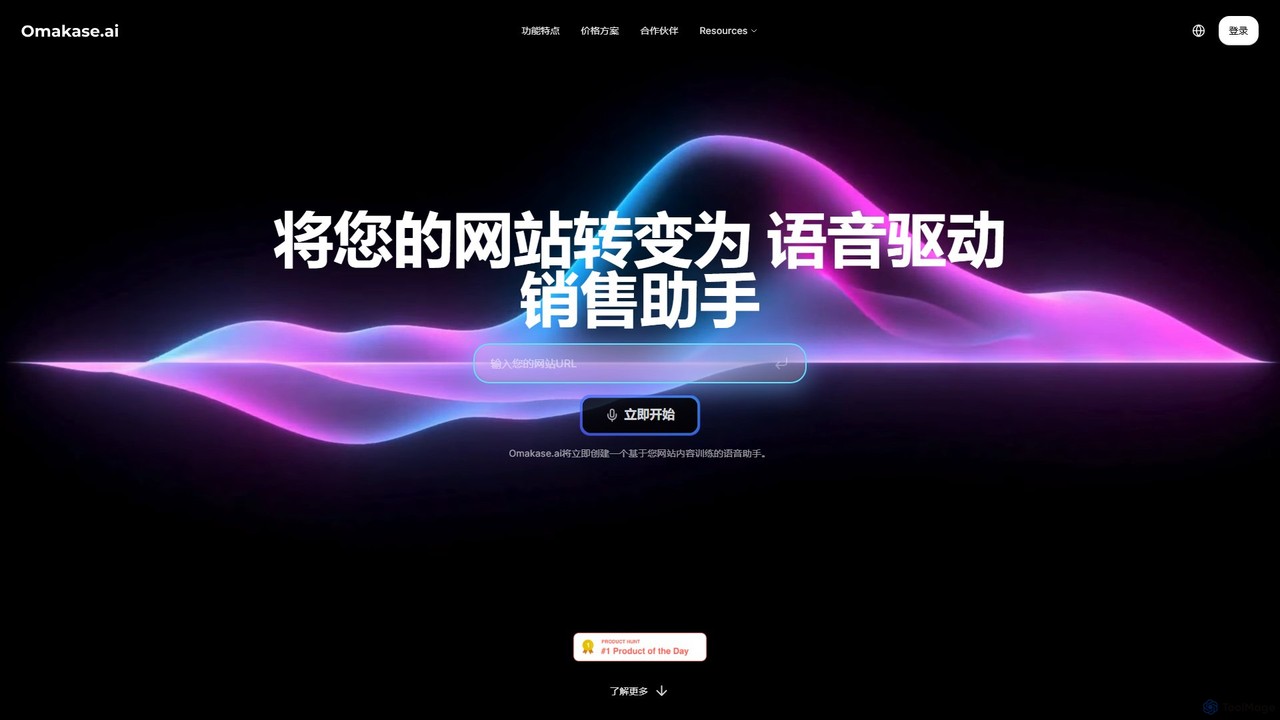
Omakase.ai is an AI-powered platform that transforms your website into a voice-driven sales assistant. By simply crawling your site's content, it instantly creates a multimodal agent that interacts with customers via voice and chat. This AI doesn't just answer questions; it actively guides users, provides personalized product recommendations, and drives sales, enhancing the customer experience and boosting conversions for e-commerce and business websites.

Chatbot
Visits 15.7KFavorites 116Likes 112

About Conversion Optimization

Conversion Optimization AI tools are designed to enhance the percentage of website visitors or app users who complete a desired action, such as making a purchase, filling out a form, or signing up for a newsletter. These tools leverage artificial intelligence, machine learning, and data analytics to understand user behavior, predict outcomes, and automate testing processes. By identifying friction points and personalizing user experiences, they significantly improve the effectiveness of digital marketing efforts and contribute directly to revenue growth. While closely related to Lead Generation, Conversion Optimization focuses on maximizing the value from existing traffic rather than just acquiring new leads.

Core Features

  • A/B Testing Automation: Automatically runs and analyzes multiple variations of web pages or elements to determine the most effective design.
  • Personalization Engines: Delivers tailored content, product recommendations, or offers to individual users based on their behavior and preferences.
  • User Behavior Analytics: Utilizes heatmaps, session recordings, and funnel analysis to identify how users interact with a site and where they drop off.
  • Predictive Analytics: Forecasts user actions, identifies potential churn risks, and suggests optimal engagement strategies.
  • Dynamic Content Optimization: Adjusts website content, calls-to-action, and layouts in real-time to match user intent and maximize engagement.

Applicable Scenarios

E-commerce businesses use these tools to optimize product pages and checkout flows, reducing cart abandonment and increasing average order value. Marketing teams deploy them to refine landing pages for campaigns, ensuring higher lead capture rates and better ROI. SaaS companies leverage AI for onboarding flow optimization and feature adoption, improving user retention and subscription conversions. They are crucial for any digital platform aiming to turn visitors into valuable customers.

How to Choose

When selecting an AI Conversion Optimization tool, consider its integration capabilities with your existing analytics and CRM platforms. Evaluate the depth of its A/B testing features, including multivariate testing and statistical significance reporting. Assess its personalization engine's ability to segment users and deliver dynamic content. Finally, review its user behavior analytics features, such as heatmaps and session replays, to ensure comprehensive insights into customer journeys. Scalability and pricing models should also align with your business needs.

Featured tool rankings

Conversion Optimization use cases

1

Optimizing E-commerce Product Pages

An e-commerce manager uses AI Conversion Optimization tools to analyze user interactions on product pages. The AI identifies elements like image placement, call-to-action button color, and product description length that lead to higher conversion rates. It then automatically runs A/B tests on different variations, personalizing content for returning visitors and ultimately increasing "Add to Cart" rates and sales.

2

Enhancing SaaS Free Trial Sign-ups

A SaaS marketing team employs AI to optimize their free trial landing page. The tool analyzes visitor demographics, referral sources, and on-page behavior to dynamically adjust headlines, form fields, and testimonials. This data-driven personalization ensures that each visitor sees the most relevant content, leading to a significant increase in free trial sign-up conversions.

3

Reducing Cart Abandonment in Online Retail

An online retailer utilizes AI Conversion Optimization to pinpoint why customers abandon their shopping carts. The AI analyzes checkout flow data, identifies common drop-off points, and suggests personalized interventions like exit-intent pop-ups with special offers or tailored email reminders. This proactive approach helps recover potentially lost sales and improves overall checkout completion rates.

4

Personalizing Content for Media Websites

A digital media publisher uses AI to personalize article recommendations and ad placements for individual users. Based on reading history, engagement patterns, and demographic data, the AI dynamically adjusts the content presented. This leads to higher click-through rates on articles, increased time on site, and improved ad revenue conversions.

5

Optimizing Lead Form Submissions for B2B

A B2B marketing specialist uses AI Conversion Optimization to refine lead generation forms on their website. The AI analyzes which form fields cause friction and which layouts perform best for different visitor segments. It then suggests optimal form lengths, field types, and placement, resulting in a higher volume of qualified lead submissions for the sales team.

6

Improving Email Campaign Engagement

A digital marketer leverages AI to optimize email marketing campaigns. The AI analyzes past email performance, subscriber behavior, and content preferences to suggest optimal subject lines, send times, and content layouts. This leads to higher open rates, click-through rates, and ultimately, more conversions from email campaigns to website actions or purchases.

Conversion Optimization FAQ

What is AI Conversion Optimization?

AI Conversion Optimization refers to the use of artificial intelligence and machine learning to improve the rate at which website visitors or app users complete a desired action. It involves analyzing vast amounts of user data to understand behavior, predict outcomes, and automate the process of testing and personalizing digital experiences. The goal is to maximize the efficiency of existing traffic by turning more visitors into customers or leads.

How do AI tools improve conversion rates?

AI tools improve conversion rates by providing deep insights into user behavior, automating A/B and multivariate testing, and enabling hyper-personalization. They can identify subtle patterns in data that humans might miss, predict which changes will have the biggest impact, and dynamically adjust content or user flows in real-time. This leads to more relevant experiences for users, fewer friction points, and ultimately, a higher likelihood of conversion.

What are the key features to look for in AI Conversion Optimization tools?

Key features to look for include robust A/B and multivariate testing capabilities with clear statistical reporting, advanced personalization engines that can segment users and deliver dynamic content, and comprehensive user behavior analytics (like heatmaps, session recordings, and funnel analysis). Additionally, consider tools with predictive analytics for forecasting and anomaly detection, and strong integration options with your existing marketing and analytics stack.

How does Conversion Optimization differ from Lead Generation?

While both are crucial for business growth, Conversion Optimization focuses on maximizing the value from *existing* website traffic by increasing the percentage of visitors who complete a desired action. Lead Generation, on the other hand, is about *attracting and acquiring new potential customers* (leads) to your website or platform. Conversion Optimization ensures that the leads generated are effectively converted into customers, making the entire sales funnel more efficient.

Can AI Conversion Optimization be used for mobile apps?

Yes, AI Conversion Optimization is highly effective for mobile apps. It can analyze in-app user behavior, identify drop-off points in onboarding or feature adoption flows, and personalize the app experience. This includes optimizing push notifications, in-app messages, UI elements, and even app store listings. By understanding how users interact with the app, AI tools help improve retention, engagement, and in-app purchase conversions.

What kind of data do AI Conversion Optimization tools analyze?

AI Conversion Optimization tools analyze a wide range of data to understand user behavior and optimize experiences. This typically includes website analytics (page views, time on site, bounce rate), user interaction data (clicks, scrolls, form submissions), demographic information, referral sources, and historical conversion data. Advanced tools may also incorporate A/B test results, customer feedback, and even external market trends to provide more comprehensive insights and predictions.