ToolMage
Sign in

Best 3 Sales AI tools for Lead Generation

Popular Sales AI tools in Lead Generation include Agentz, LinkedOra, and Chatlease, helping you work more efficiently.

LinkedOra
Freemium

LinkedOra

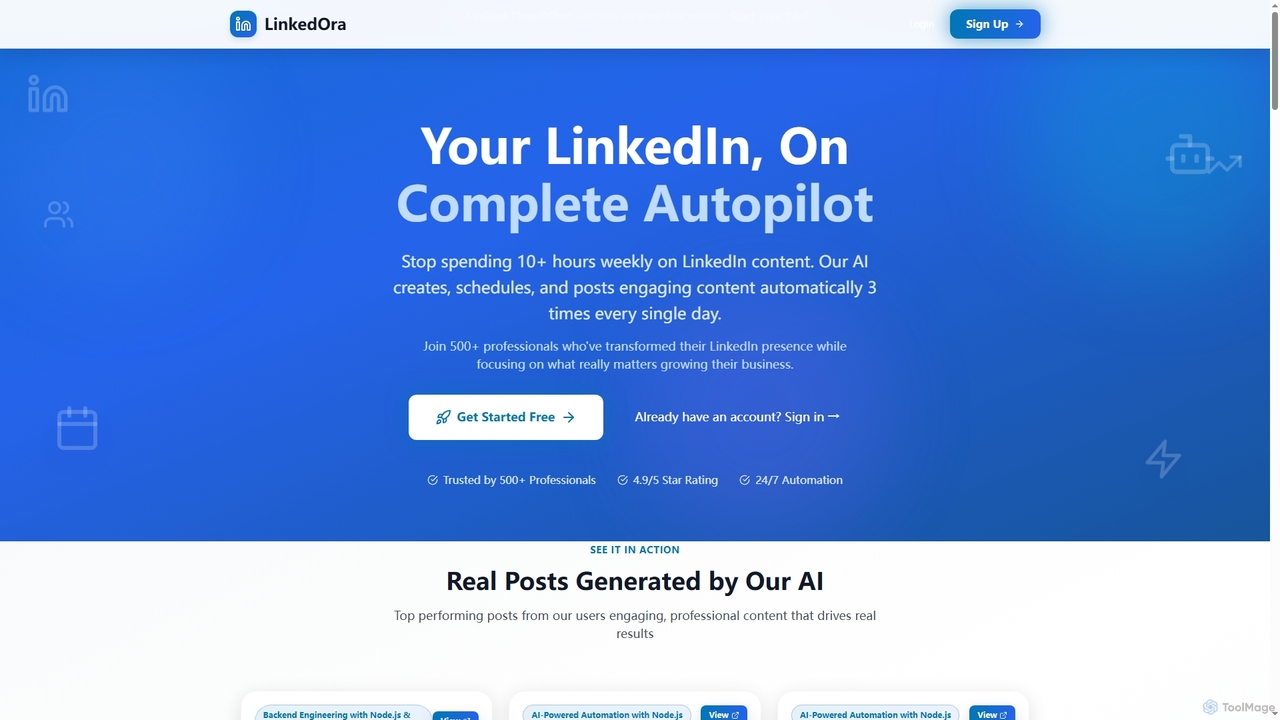
LinkedOra is an AI-powered automation tool designed to manage your LinkedIn presence. It automatically creates, schedules, and publishes engaging, industry-specific content three times a day, saving you over 10 hours per week. The platform helps professionals grow their network, boost engagement, and establish thought leadership without manual effort.

Sales
Visits 3.7KFavorites 97Likes 103
Chatlease
Paid

Chatlease

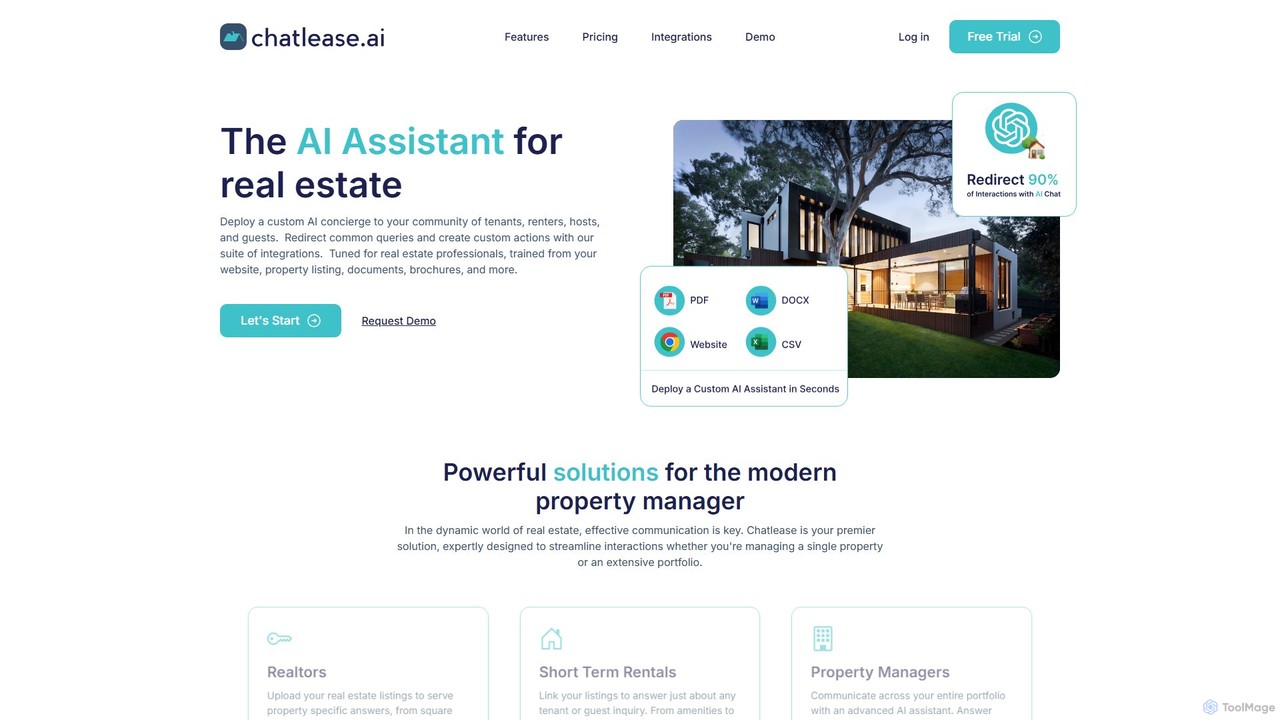
Chatlease is an AI-powered assistant for real estate professionals, designed to automate customer interactions, generate leads, and streamline property management. It deploys a custom-trained AI concierge across multiple channels to handle inquiries 24/7, book showings, and integrate with your existing workflows.

Chatbot
Visits 3.6KFavorites 105Likes 109
Agentz
Freemium

Agentz

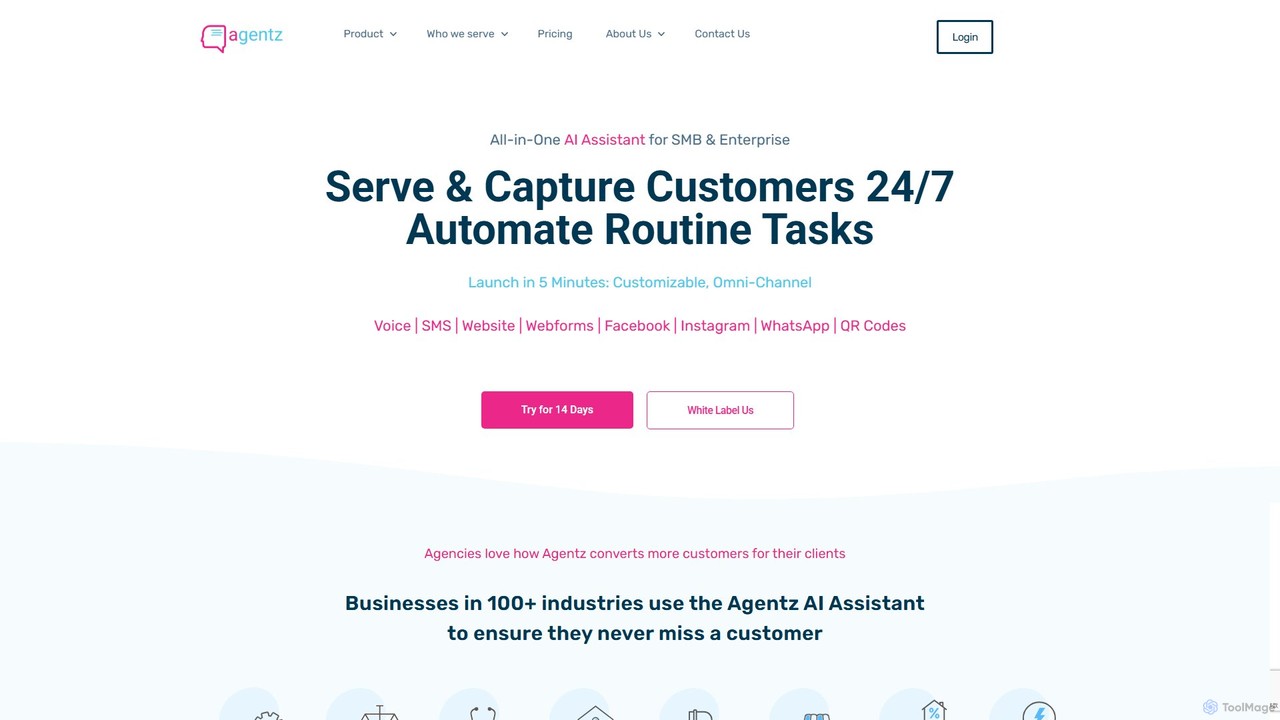
Agentz is an all-in-one AI-powered digital receptionist for small and medium-sized businesses (SMBs) and enterprises. It automates customer communications across multiple channels including voice, SMS, web chat, and social media, ensuring you never miss a lead. With a 5-minute setup and self-training AI, Agentz helps businesses capture more customers, improve service, and boost efficiency 24/7.

Chatbot
Visits 5.4KFavorites 142Likes 125

About Sales

AI Sales tools are a class of software designed to automate, optimize, and enhance various stages of the sales cycle. These tools leverage machine learning and natural language processing to analyze data, predict outcomes, and guide sales representatives' actions. They help sales teams convert leads into customers more efficiently, personalize communication at scale, and achieve more accurate revenue forecasting. While part of the broader lead generation process, AI sales tools specifically focus on the crucial stages of engagement, nurturing, and closing deals.

Core Features

  • Predictive Lead Scoring: Uses AI to analyze prospect data and behavior to rank leads based on their likelihood to convert.
  • Conversation Intelligence: Records and analyzes sales calls and emails to provide coaching insights, identify successful patterns, and track keyword mentions.
  • Sales Automation: Automates repetitive tasks such as email follow-ups, meeting scheduling, and CRM data entry.
  • AI-Powered Forecasting: Analyzes historical data, pipeline health, and market trends to generate more accurate sales forecasts.
  • Real-time Sales Guidance: Provides sales reps with live suggestions, talking points, and relevant information during customer interactions.

Use Cases

AI Sales tools are widely used by B2B and B2C sales teams, particularly in sectors like technology (SaaS), financial services, and real estate. Sales Development Representatives (SDRs) use them for automated outreach, while Account Executives (AEs) rely on them for lead prioritization and conversation insights. Sales managers utilize these tools for team performance analysis and effective coaching.

How to Choose

When selecting an AI Sales tool, consider its integration capabilities with your existing CRM (e.g., Salesforce, HubSpot). Evaluate the accuracy and transparency of its predictive models for lead scoring and forecasting. Assess the depth of its conversation intelligence features and the level of automation it provides for your specific sales workflow. Finally, consider the user interface and the ease of adoption for your sales team.

Featured tool rankings

Sales use cases

1

Automating Sales Outreach and Follow-ups

A Sales Development Representative (SDR) at a SaaS company is tasked with contacting hundreds of new leads each week. Using an AI Sales tool, they create multi-step email sequences that are personalized with prospect data from the CRM. The tool automatically sends follow-up emails based on prospect engagement, such as opening an email or clicking a link. This automation frees the SDR from manual tracking and allows them to focus their time on engaging with the most interested prospects who respond, leading to a higher number of qualified meetings booked.

2

Gaining Coaching Insights from Sales Calls

A sales manager wants to improve their team's performance but lacks the time to listen to every sales call. They use a conversation intelligence tool that records, transcribes, and analyzes all calls. The AI dashboard highlights key metrics like talk-to-listen ratio, competitor mentions, and moments of customer hesitation. The manager can quickly identify which reps need coaching on specific areas, such as objection handling or value proposition delivery. They can also share best-practice call snippets with the entire team, scaling effective training across the organization.

3

Prioritizing High-Value Leads with Predictive Scoring

An Account Executive (AE) has a large pipeline of leads but limited time. Their CRM is integrated with an AI sales tool that provides predictive lead scoring. The AI analyzes dozens of signals, including firmographics, website behavior, and email engagement, to assign a score from 1 to 100 to each lead. The AE can then filter their view to focus only on leads with a score above 80. This ensures they spend their valuable time on prospects who are most likely to purchase, increasing their conversion rate and overall sales efficiency.

4

Generating Accurate Sales Revenue Forecasts

A Head of Sales needs to provide a reliable quarterly revenue forecast to the board. Instead of relying on manual spreadsheets and subjective estimates from reps, they use an AI forecasting tool. The tool analyzes historical deal data, current pipeline velocity, deal stage progression, and even the sentiment from recent communications. It generates a data-driven forecast with different probability scenarios (e.g., likely, optimistic). This allows for more strategic resource planning, setting realistic targets, and having more confident conversations with leadership about business performance.

5

Crafting Personalized Sales Proposals Quickly

A solutions consultant needs to create a detailed proposal for a high-value enterprise client. This process typically takes hours of gathering information and writing. By using an AI sales tool with a proposal generation feature, they can input the client's specific needs and pain points. The AI then drafts a customized proposal, pulling relevant case studies, product feature descriptions, and pricing information from a central knowledge base. The consultant only needs to review and refine the draft, reducing proposal creation time by over 70% and ensuring consistency across all client-facing documents.

6

Real-time Objection Handling During Live Calls

A sales representative is on a live video call with a prospect who raises an unexpected objection about a competitor's pricing. An AI sales assistant tool, running in the background, transcribes the conversation in real-time. It recognizes the competitor's name and the keyword 'pricing'. Instantly, it displays a 'battle card' on the rep's screen with key talking points, differentiators, and a link to a relevant case study. The rep can confidently address the objection without fumbling for information, improving their credibility and increasing the chances of moving the deal forward.

Sales FAQ

What are AI Sales tools?

AI Sales tools are software applications that use artificial intelligence, particularly machine learning and natural language processing, to streamline and optimize the sales process. They assist sales teams by automating repetitive tasks, providing data-driven insights, predicting outcomes, and personalizing customer interactions. Their primary goal is to help sales professionals work more efficiently and effectively to close more deals.

How do AI Sales tools differ from traditional CRMs?

Traditional CRMs (Customer Relationship Management) are primarily systems of record, designed to store and organize customer data. AI Sales tools, on the other hand, are systems of intelligence that act on that data. They integrate with or sit on top of a CRM to provide an additional layer of automation, prediction, and analysis. For example, a CRM stores a lead's contact information, while an AI Sales tool analyzes that lead's behavior to predict their likelihood to buy.

Who can benefit from using AI Sales tools?

A wide range of sales professionals can benefit from these tools. Key users include:

  • Sales Development Reps (SDRs): To automate outreach and qualify leads more efficiently.
  • Account Executives (AEs): To prioritize the best leads, gain insights from conversations, and forecast their pipeline.
  • Sales Managers: To coach their teams effectively using data-driven insights and monitor overall team performance.
  • Sales Operations: To optimize sales processes, improve data hygiene, and manage sales technology stacks.
What are the key features to look for in an AI Sales tool?

When evaluating AI Sales tools, focus on features that align with your specific sales challenges. Key features to consider include:

  • CRM Integration: Seamless, bi-directional sync with your existing CRM is crucial for data accuracy.
  • Predictive Analytics: Look for accurate and transparent models for lead scoring and sales forecasting.
  • Conversation Intelligence: The ability to transcribe, analyze, and provide insights from calls and emails.
  • Automation Capabilities: Assess its ability to automate workflows like email sequencing, task creation, and data entry.
  • Usability: The tool should be intuitive and easy for your sales team to adopt into their daily routine.
How do AI Sales tools help convert leads into customers?

AI Sales tools bridge the gap between lead generation and closing a deal. They achieve this by applying intelligence to the sales process. First, they use predictive scoring to help reps focus on the leads most likely to convert. Second, they automate and personalize communication, ensuring consistent and relevant follow-up. Finally, through conversation intelligence, they provide reps with the insights and real-time guidance needed to handle objections and effectively communicate value, significantly increasing the probability of converting a lead into a paying customer.