ToolMage
Sign in

Best 3 Copyright Protection AI tools for Legal

Popular Copyright Protection AI tools in Legal include Rulta, CopyrightShark, and Binded, helping you work more efficiently.

Rulta
Paid

Rulta

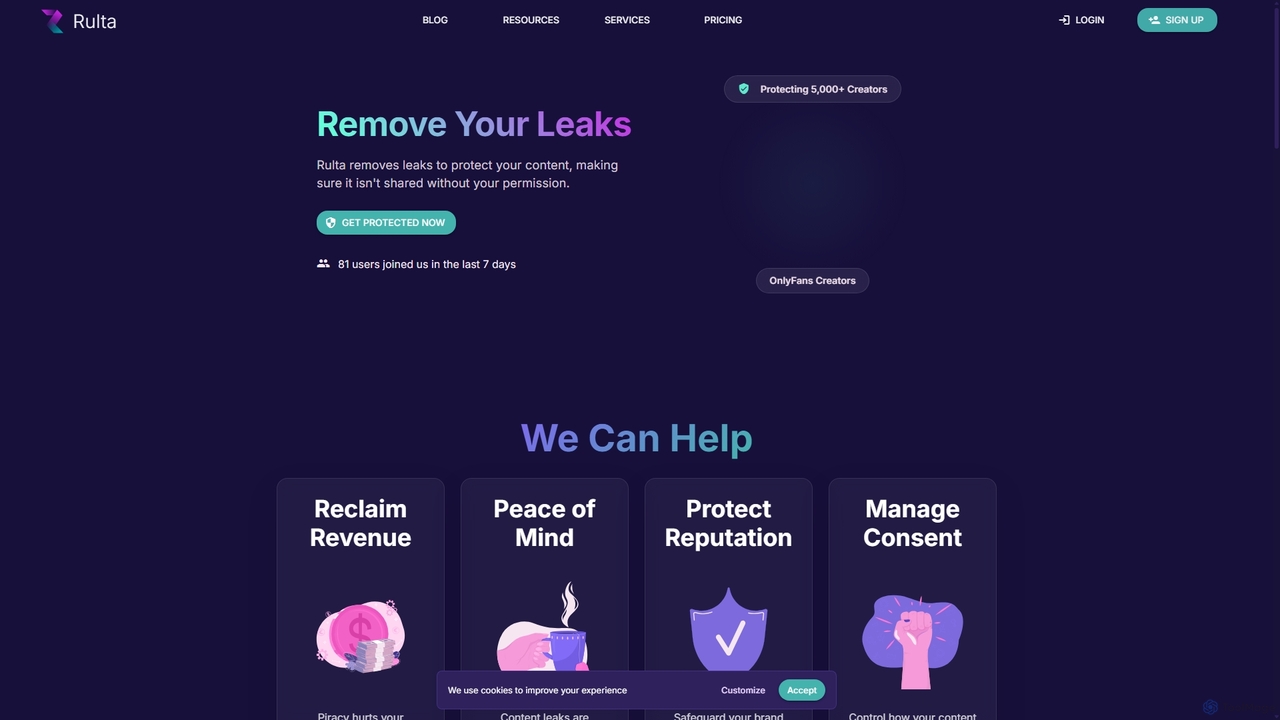
Rulta is an AI-powered DMCA takedown service for content creators. It combines 24/7 automated scanning with expert human agents to find and remove leaked content, pirated material, and impersonating accounts across the web. Using technologies like facial recognition, Rulta offers complete anonymity and specialized support, helping creators protect their revenue, reputation, and peace of mind, with a particular focus on the needs of OnlyFans models and other digital influencers.

Copyright Protection
Visits 67.1KFavorites 117Likes 120
Binded
Freemium

Binded

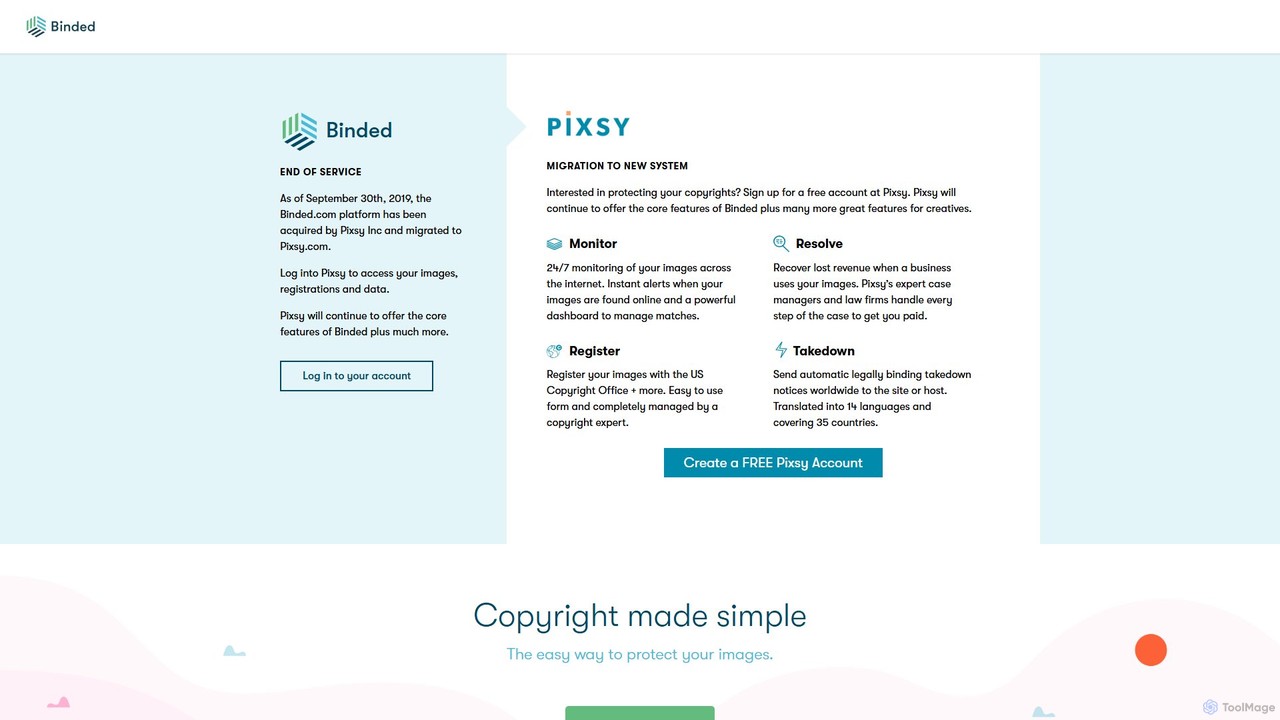
Binded was a pioneering copyright protection service using blockchain technology to create immutable records for creative works. It has since been acquired by and integrated into Pixsy, a comprehensive platform for image monitoring, infringement detection, and revenue recovery for creators.

Photography
Visits 10.3KFavorites 165Likes 169
CopyrightShark
Freemium

CopyrightShark

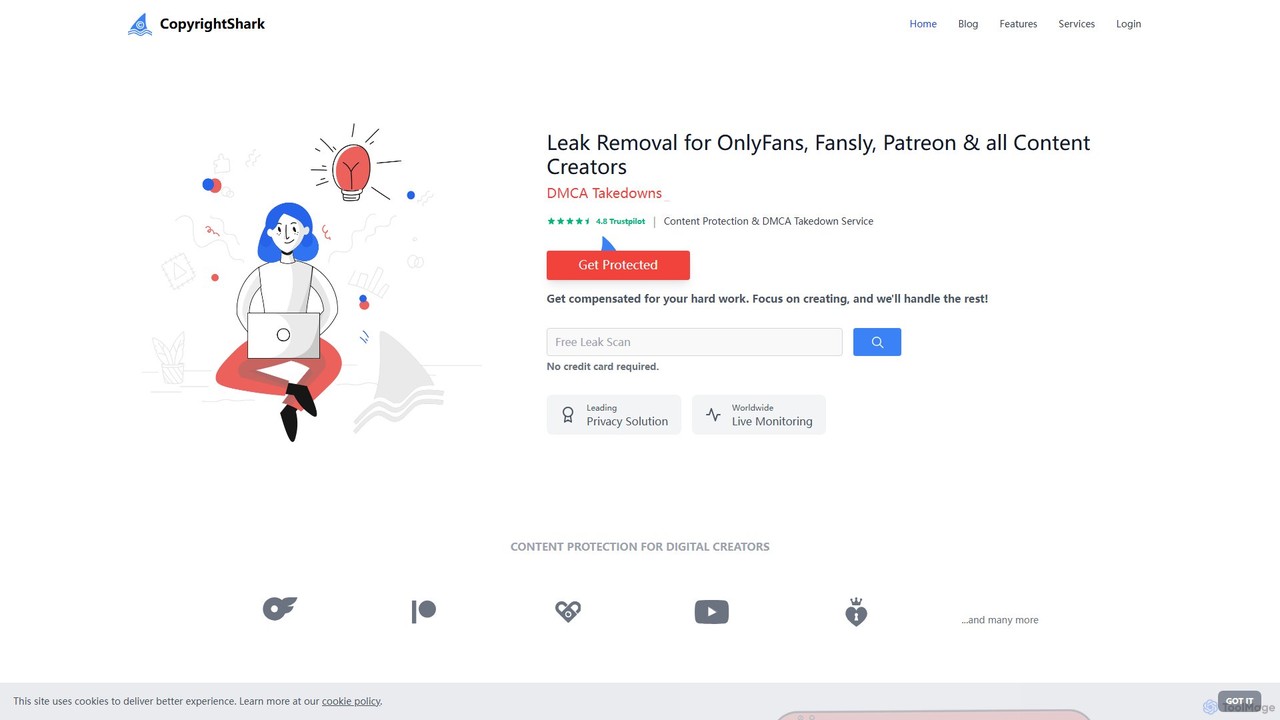
CopyrightShark is an AI-powered content protection and DMCA takedown service for digital creators. It uses 24/7 automated scanning, facial recognition, and AI to find and remove leaked content, deepfakes, and impersonation accounts from the web, social media, and the dark web. It ensures creator anonymity while helping to protect revenue and privacy.

Copyright Protection
Visits 13.4KFavorites 126Likes 134

About Copyright Protection

Copyright Protection tools are a specialized category of legal AI that automates the monitoring and enforcement of intellectual property rights for digital content. These tools utilize advanced technologies like computer vision, audio fingerprinting, and natural language processing to scan the internet for unauthorized uses of your work. They provide creators and businesses with a scalable way to detect infringement across websites, social media, and online marketplaces, helping to safeguard revenue and brand integrity. This proactive approach allows for swift action against piracy and unauthorized distribution.

Core Features

  • Automated Content Scanning: Continuously monitors the web, including social media and marketplaces, for illegal copies of images, videos, text, and audio.
  • Digital Watermarking & Fingerprinting: Embeds imperceptible identifiers into digital assets to prove ownership and track distribution.
  • Infringement Detection & Reporting: Uses AI to accurately identify and flag potential copyright violations, generating detailed reports for review.
  • Automated Takedown Requests: Streamlines the process of sending DMCA notices and other platform-specific takedown requests to hosts of infringing content.

Use Cases

These tools are essential for digital creators, including photographers, musicians, and video producers, who need to protect their work from online piracy. Brands and e-commerce businesses use them to combat counterfeit listings that use their official product imagery. Publishers and educational institutions also leverage these tools to protect their written content and course materials from unauthorized sharing.

How to Choose

When selecting a Copyright Protection tool, consider the types of content it supports (e.g., image, video, audio). Evaluate its platform coverage—does it monitor the specific websites and social networks where your content is most at risk? Assess the accuracy of its detection algorithms and the level of automation offered for sending takedown notices. Finally, consider the pricing model and whether it aligns with the volume of content you need to protect.

Copyright Protection use cases

1

Protecting a Photographer's Online Portfolio

A professional photographer regularly uploads their high-resolution images to their portfolio website and social media. To prevent unauthorized commercial use, they use an AI copyright protection service. They upload their entire catalog to the platform, which generates unique digital fingerprints for each photo. The AI then continuously scans e-commerce sites, blogs, and online ads. When it finds a match, it alerts the photographer with a link to the infringing page and an automatically drafted takedown notice, saving them dozens of hours of manual searching each month.

2

Monitoring Unlicensed Music Use on Social Media

An independent musician releases a new album and wants to ensure it's not used without permission in viral videos. They use an AI tool that specializes in audio fingerprinting. The service scans platforms like YouTube, TikTok, and Instagram for videos containing their music. When a video uses the music without a proper license, the musician is notified. They can then choose to issue a takedown request or, on platforms like YouTube, claim the ad revenue generated by the video, turning potential infringement into a new income stream.

3

Combating Counterfeit Goods for E-commerce Brands

A fashion brand discovers that counterfeit sellers on major online marketplaces are using their official product photos to sell fake goods. They deploy an AI copyright tool that uses image recognition to find these fraudulent listings. The system scans marketplaces 24/7 and flags listings that use the brand's copyrighted images. The brand's legal team can then review the flagged listings in a central dashboard and initiate bulk takedown requests directly through the tool's integration with the marketplaces, protecting both their revenue and reputation.

4

Preventing Piracy of Online Educational Courses

An online educator creates and sells video courses on their own platform. They are concerned about their courses being illegally downloaded and shared on torrent sites or sold on other platforms. They use an AI protection service that embeds an invisible watermark in all their videos. The AI also actively crawls the web, including file-sharing sites and social media groups, looking for pirated copies. When a pirated course is found, the service can often identify the original purchaser through the watermark, allowing the educator to revoke access and take further action.

5

Securing Digital Art and NFTs from Fraud

An NFT artist wants to protect their unique digital creations from being copied and minted fraudulently on other blockchain platforms. They register their artwork with an AI-powered copyright service. The tool creates a secure, timestamped record of creation. Its AI image recognition technology then monitors major NFT marketplaces for visually similar assets. If a potential copy or fraudulent mint is detected, the artist receives an immediate alert, allowing them to report the fraudulent NFT to the marketplace for removal before it damages their reputation or sales.

6

Protecting Written Content for Publishers and Bloggers

A digital publisher with a network of popular blogs invests heavily in creating original, high-quality articles. To prevent other sites from stealing their content and outranking them in search results, they use an AI-powered plagiarism checker. The tool automatically scans their new articles against a vast index of the internet. It also continuously monitors for new instances of content scraping. When plagiarism is detected, the system generates a side-by-side comparison report, providing clear evidence for filing a DMCA complaint with the hosting provider of the infringing website.

Copyright Protection FAQ

What are AI Copyright Protection tools?

AI Copyright Protection tools are specialized software services that use artificial intelligence to automatically monitor, detect, and report unauthorized use of digital content online. Unlike manual searching, these tools can scan billions of web pages, social media posts, and online marketplaces 24/7. Key features often include image and audio recognition, content fingerprinting, and automated generation of takedown notices (like DMCA requests). They are designed to help creators, brands, and businesses protect their intellectual property at scale.

How do I choose the right AI Copyright Protection tool?

Choosing the right tool depends on your specific needs. Consider the following factors:

  • Content Type: Ensure the tool specializes in the content you create (e.g., images, video, music, or text).
  • Platform Coverage: Check if it monitors the platforms where your content is most likely to be infringed (e.g., YouTube, Instagram, specific e-commerce sites).
  • Detection Accuracy: Look for tools with high accuracy and low false positives to save you time reviewing alerts.
  • Enforcement Features: Decide if you need simple monitoring and alerts or a full-service solution that automates takedown requests.
  • Pricing: Compare pricing models, such as subscription fees or a percentage of recovered revenue, and choose one that fits your budget and scale.
What's the difference between AI copyright protection and manual monitoring?

The primary difference is scale and efficiency. Manual monitoring involves a person physically searching websites and social media, which is extremely time-consuming and can only cover a tiny fraction of the internet. AI copyright protection automates this process. An AI can scan billions of data points simultaneously, 24/7, without fatigue. It uses advanced algorithms to find matches that a human might miss, such as cropped images or slightly altered audio. This allows for comprehensive, continuous protection that is impossible to achieve manually.

Can these tools automatically file legal claims?

Generally, no. AI Copyright Protection tools are designed to automate the detection and reporting phases. They excel at finding infringements and streamlining the process of sending takedown notices, such as DMCA requests to hosting providers or platform-specific violation reports. However, they do not file formal lawsuits or initiate legal proceedings in a court of law. Their function is to provide the evidence and automate the initial enforcement steps. For actual legal action, you would still need to consult with a legal professional.

Who should use AI Copyright Protection tools?

These tools are valuable for anyone who creates and distributes original digital content. This includes a wide range of users:

  • Content Creators: Photographers, musicians, YouTubers, podcasters, and writers who want to protect their work from being stolen or used without credit.
  • E-commerce Brands: Businesses that need to protect their product photos, videos, and descriptions from counterfeiters and competitors.
  • Educational Institutions: Universities and online course providers who want to prevent the piracy of their lectures and materials.
  • Media Companies & Publishers: Organizations that produce large volumes of articles, images, and videos and need to manage their intellectual property rights at scale.