Prescene
Prescene is an AI-powered platform for the film and TV industry, delivering comprehensive script coverage in minutes. It …
Prescene is an AI-powered platform for the film and TV industry, delivering comprehensive script coverage in minutes. It analyzes screenplays for story structure, character arcs, market fit, and pacing, providing data-driven insights to help writers, producers, and agents make faster, more informed decisions. The platform also offers tools for character breakdowns, scene analysis, and U.S. copyright registration.
Stable Attribution
A pioneering research tool designed to trace the training data origins of images generated by Stable Diffusion. It …
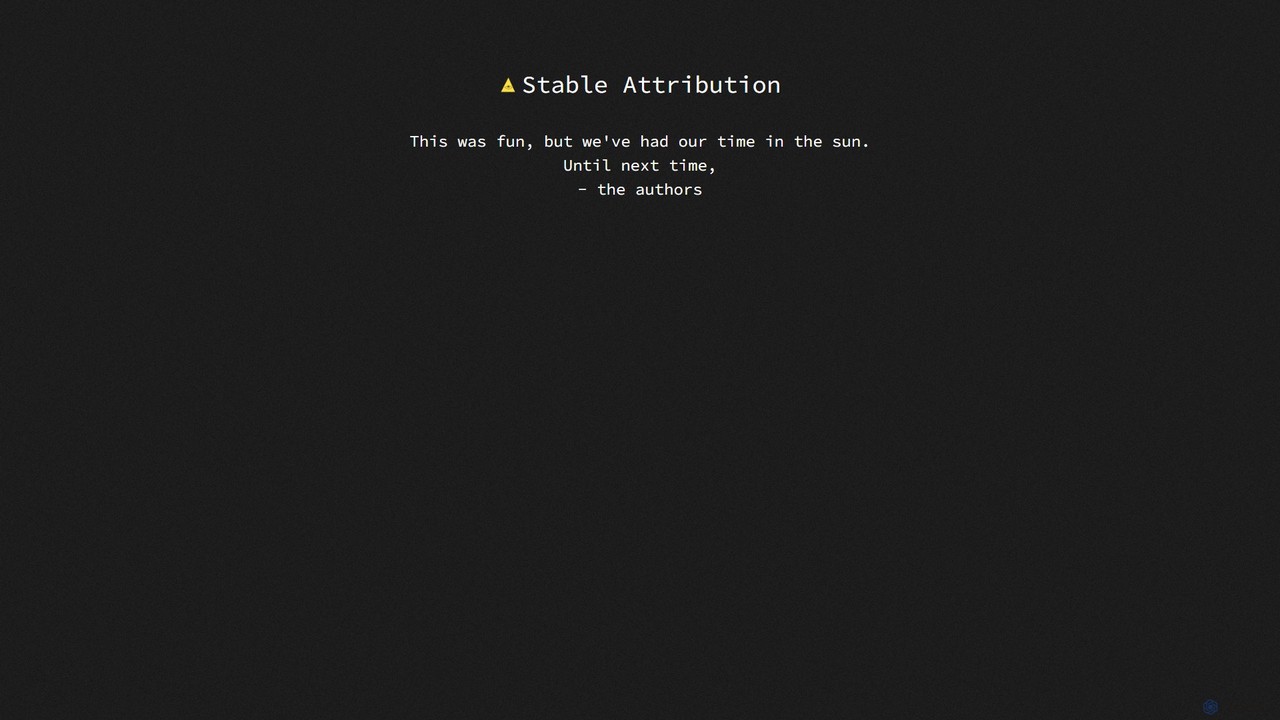
A pioneering research tool designed to trace the training data origins of images generated by Stable Diffusion. It helped identify which original artworks influenced an AI-generated image, promoting transparency and ethical AI. Please note: This project is no longer active.
About Copyright
AI Copyright tools are a specialized category of legal technology designed to automate the protection, monitoring, and enforcement of intellectual property rights. These tools utilize machine learning, content recognition (image, audio, text), and web-crawling technologies to scan the internet for unauthorized use of creative works. They provide creators, businesses, and legal professionals with a scalable way to safeguard their digital assets, reduce infringement, and manage copyright-related tasks efficiently. This proactive approach helps protect revenue streams and brand integrity in the digital landscape.
Core Features
- Automated Infringement Monitoring: Continuously scans websites, social media, and marketplaces for unauthorized copies of your content.
- Content Recognition & Matching: Uses advanced algorithms like digital watermarking or fingerprinting to identify protected assets, even if altered.
- Automated Takedown Notices: Generates and sends DMCA (Digital Millennium Copyright Act) and other legal takedown requests to hosts of infringing content.
- Originality & Plagiarism Analysis: Compares new works against vast databases to verify originality and detect potential copyright issues before publication.
- Rights Management Dashboard: Provides a centralized platform to track detected infringements, the status of takedown notices, and generate reports.
Use Cases
These tools are essential for digital creators, photographers, musicians, software companies, and e-commerce brands. For instance, a media company can use them to monitor for pirated video clips online, while an e-commerce store can find and report counterfeit listings that use their copyrighted product images.
How to Choose
When selecting an AI Copyright tool, consider the types of content it supports (e.g., image, video, text, code), the scope of its monitoring (web, social media, specific platforms), the accuracy of its detection algorithms, and its features for automating enforcement actions. Also, evaluate its reporting capabilities and integration with your existing workflow.

CopyrightUse Cases
Automated Content Protection for Photographers
A professional photographer uses an AI copyright tool to safeguard their online portfolio. The tool continuously scans social media platforms like Instagram, blogs, and online marketplaces for unauthorized use of their images. When an infringement is detected, the system automatically generates a DMCA takedown notice with all necessary evidence and sends it to the hosting platform. This allows the photographer to manage hundreds of potential infringements efficiently, protecting their licensing revenue without spending hours on manual searches and paperwork.
Brand Asset Monitoring for E-commerce
An e-commerce brand that sells unique apparel uses an AI copyright tool to combat counterfeit products. The tool monitors major online marketplaces like Amazon and eBay, as well as standalone websites, for listings that use the brand's copyrighted product photos, logos, and descriptions. The AI can identify even slightly altered images. The brand's legal team receives daily reports of potential infringements, allowing them to quickly initiate takedown procedures, protecting their brand reputation and preventing revenue loss to fraudulent sellers.
Music Rights Management for Record Labels
A music record label employs an AI-powered copyright platform to monitor the use of its sound recordings across the internet. The system uses audio fingerprinting to detect their music in user-generated content on platforms like YouTube, TikTok, and SoundCloud, even if it's mixed with other sounds or altered in speed. This allows the label to automatically place copyright claims, monetize the usage through ad revenue sharing, or issue takedown requests for unauthorized uses, ensuring their artists are properly compensated and their rights are enforced at scale.
Software Code Originality Verification
A technology company, before launching a new software product, uses an AI copyright tool to scan its entire codebase. The tool compares the code against billions of lines of code from open-source repositories and proprietary databases to detect any unintentional similarities or potential license infringements. This proactive check helps the company mitigate legal risks, ensure the originality of their intellectual property, and comply with open-source licensing obligations, which is a critical step in the software development lifecycle before a major release.
Pre-publication Plagiarism Check for Publishers
A publishing house integrates an AI copyright tool into its editorial workflow. Before a manuscript is sent for printing, it is processed by the AI system, which compares the text against an extensive database of academic papers, books, and online articles. The tool generates a detailed report highlighting passages with high similarity scores and their potential sources. This allows editors to quickly identify and address potential plagiarism or copyright issues, ensuring the integrity of their publications and protecting them from legal disputes post-publication.
Streamlining Copyright Registration for Creators
A self-published author uses an AI-powered legal platform to register the copyright for their new novel. Instead of navigating complex government forms manually, the author inputs key information about their work into a simple interface. The AI tool then correctly populates the official application forms, suggests the appropriate work categories, and compiles the necessary deposit materials. The platform then files the application electronically with the relevant copyright office. This simplifies a traditionally complex process, reduces the chance of errors, and helps individual creators secure legal protection for their work efficiently.