Legal Best in category 3 results Document Automation AI Tool

Popular AI tools in the Document Automation field of Legal include instafill.ai、Lawdeck、ailawyerlab, etc., helping you quickly improve efficiency.

Lawdeck

Lawdeck

Lawdeck is a leading AI-powered legal platform designed for Brazilian lawyers and law firms. It streamlines legal workflows …

6.0K
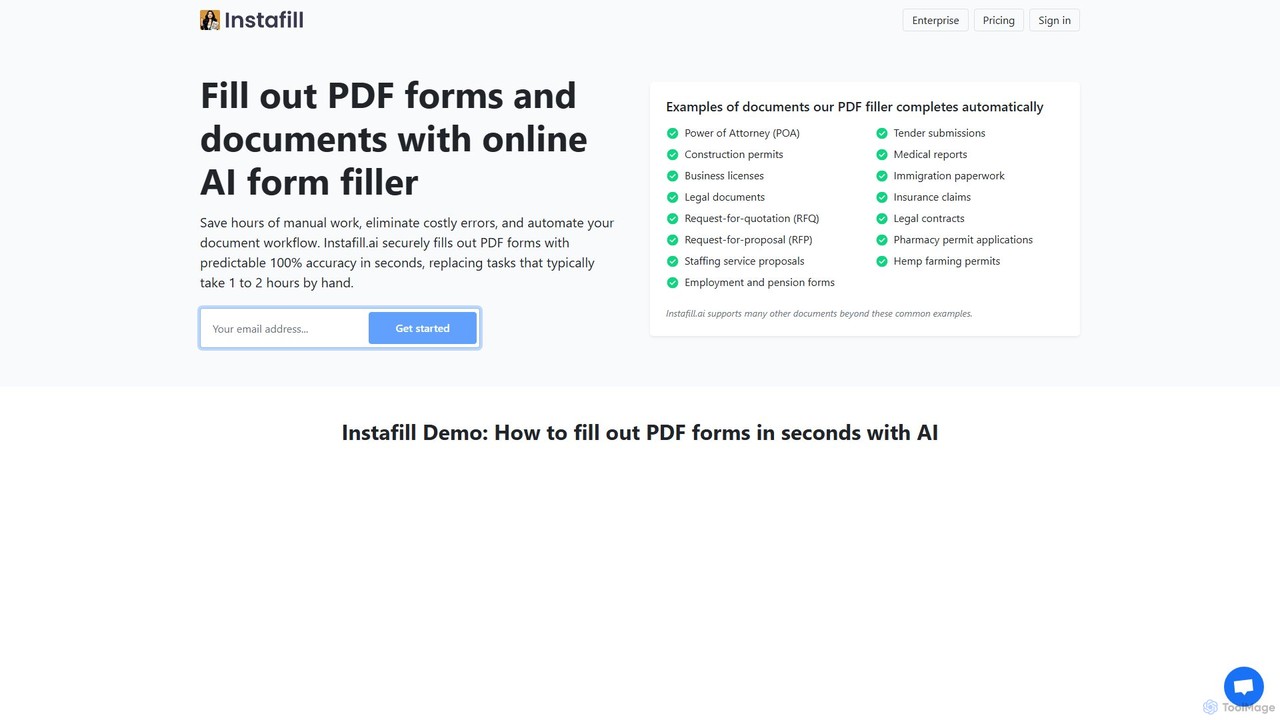
instafill.ai

instafill.ai

Instafill.ai is an AI-powered form filler that automates the process of completing PDF documents, saving hours of manual …

49.5K
ailawyerlab

ailawyerlab

A no-code platform for legal professionals to build, customize, and deploy their own AI-powered tools. Transform legal expertise …

3.2K

About Document Automation

Document Automation tools are AI-powered solutions designed to streamline the creation, processing, and management of various documents, particularly within the legal sector. These tools leverage natural language processing (NLP) and machine learning to automate repetitive tasks, ensuring accuracy and consistency. Their primary value lies in significantly reducing manual effort, accelerating document workflows, and enhancing compliance across legal operations.

Core Features

  • Automated Document Generation: Instantly create legal documents from templates using predefined data inputs.
  • Intelligent Data Extraction: Accurately extract key information from unstructured documents like contracts or court filings.
  • Workflow Orchestration: Automate document routing, approvals, and version control within legal processes.
  • Compliance & Risk Management: Ensure documents adhere to regulatory standards and identify potential risks through AI analysis.

Applicable Scenarios

Law firms utilize these tools for drafting contracts, preparing litigation documents, and managing client intake. Corporate legal departments apply them for policy management, regulatory reporting, and internal compliance checks. Real estate professionals also benefit from automated lease agreement generation and property transaction document processing.

How to Choose

When selecting a Document Automation tool, consider its integration capabilities with existing legal tech stacks (e.g., CRM, case management systems). Evaluate the customization options for templates and workflows, as well as the accuracy and reliability of its AI models. Security features and compliance with data protection regulations (like GDPR) are also paramount, alongside user-friendliness and vendor support.

Document AutomationUse Cases

1

Automated Contract Drafting for Law Firms

Legal professionals use Document Automation to rapidly generate standard contracts such as NDAs, service agreements, or employment contracts. By inputting specific client and deal details, the AI populates predefined templates, ensuring legal accuracy and consistency while significantly reducing drafting time. This allows lawyers to focus on complex legal analysis rather than repetitive document assembly.

2

Streamlining Litigation Document Preparation

In litigation, these tools automate the assembly of court filings, discovery requests, and exhibit lists. They can pull relevant data and clauses from case management systems and previous documents, ensuring all necessary information is included and formatted correctly. This accelerates the preparation phase, minimizing errors and improving overall case management efficiency.

3

Enhancing Corporate Compliance Document Generation

Corporate legal departments leverage Document Automation to create and update internal policies, regulatory reports, and compliance guidelines. The tools ensure that all documents reflect the latest legal requirements and company standards, automatically flagging discrepancies. This proactive approach helps maintain regulatory adherence and reduces the risk of non-compliance penalties.

4

Efficient Real Estate Lease Agreement Creation

Property managers and real estate legal teams utilize Document Automation to generate customized lease agreements, purchase contracts, and rental applications. By inputting tenant, property, and term details, the system quickly produces legally sound documents. This process eliminates manual errors, speeds up transaction closures, and ensures consistency across all agreements.

5

Automating Legal Research Summarization

AI-powered Document Automation can analyze vast quantities of legal precedents, case law, and scholarly articles. It extracts key clauses, identifies relevant legal arguments, and summarizes findings into concise reports. This capability significantly reduces the time spent on manual research, providing lawyers with critical insights faster for case strategy development.

6

Processing Client Intake Forms Automatically

Law firms use these tools to automatically extract and categorize information from client intake forms, questionnaires, and initial correspondence. The extracted data is then seamlessly populated into CRM or case management systems. This eliminates manual data entry, reduces administrative overhead, and ensures accurate client record-keeping from the outset.

Document AutomationFrequently Asked Questions