Legal Best in category 1 results Regulatory Research AI Tool

Popular AI tools in the Regulatory Research field of Legal include CFR Explorer, etc., helping you quickly improve efficiency.

Free
CFR Explorer

CFR Explorer

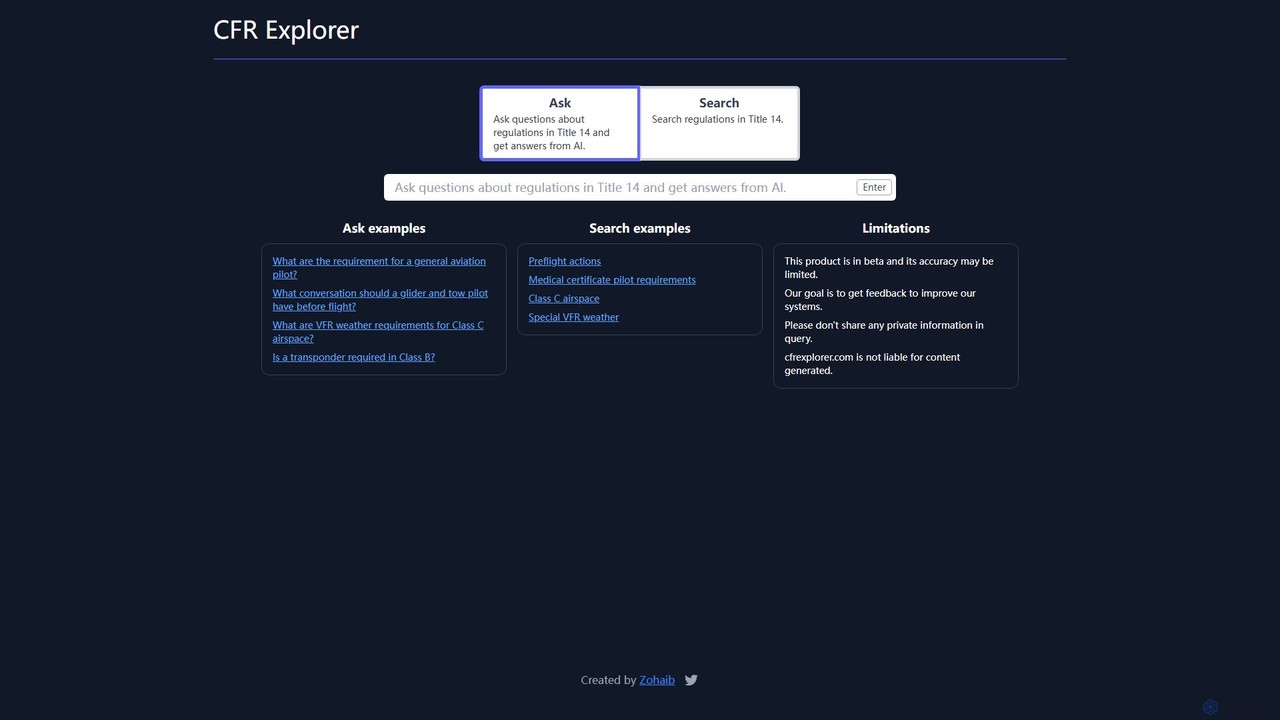
CFR Explorer is an AI-powered search engine designed for the aviation industry. It allows users to ask natural …

168

About Regulatory Research

Regulatory Research tools are a specialized class of AI platforms designed to automate the monitoring, analysis, and interpretation of complex legal and policy documents. Leveraging Natural Language Processing (NLP), these tools scan vast databases of government regulations, statutes, and updates in real-time to identify relevant changes. They provide legal, compliance, and risk management professionals with actionable insights, helping organizations navigate intricate regulatory landscapes and maintain compliance efficiently. This technology transforms a manual, time-consuming process into a proactive, data-driven strategy.

Core Features

  • Automated Horizon Scanning: Proactively tracks and flags upcoming regulatory changes, proposed bills, and policy updates from multiple jurisdictions.
  • Semantic Analysis: Interprets the context and implications of regulatory text, going beyond simple keyword matching to understand legal obligations.
  • Impact Assessment Workflow: Helps users analyze how specific regulatory changes will affect their business operations, products, or policies.
  • Compliance Gap Analysis: Compares existing internal policies against new or updated regulations to identify potential compliance gaps.
  • Centralized Regulatory Library: Consolidates regulations from various sources into a single, searchable, and up-to-date repository.

Use Cases

These tools are critical in highly regulated industries such as finance, healthcare, pharmaceuticals, and technology. Compliance teams use them to monitor financial conduct authorities, legal departments track data privacy laws like GDPR, and product development teams ensure new offerings meet all safety and environmental standards before launch.

How to Choose

When selecting a Regulatory Research tool, consider the jurisdictional coverage—does it include all regions relevant to your business? Evaluate the depth of its analysis and its ability to provide impact assessments. Also, check for integration capabilities with existing compliance management systems and the user-friendliness of its alert and reporting features.

Regulatory ResearchUse Cases

1

Proactive Financial Compliance Monitoring

A compliance officer at a global investment bank uses an AI tool to monitor real-time updates from financial regulators like the SEC and ESMA. Instead of manually sifting through thousands of pages, the AI automatically identifies and summarizes new rules affecting derivatives trading. The system generates an impact report, flagging specific internal policies that need revision. This reduces research time by over 80% and minimizes the risk of non-compliance penalties.

2

Streamlining Pharmaceutical Market Access

A regulatory affairs manager for a pharmaceutical company is preparing to launch a new drug in Europe and Asia. They use a regulatory research platform to map out all submission requirements, labeling laws, and post-market surveillance obligations for each target country. The AI tool creates a consolidated checklist and alerts the team to any recent changes in health authority guidelines, ensuring a smoother and faster approval process by avoiding costly submission errors.

3

Managing Global Data Privacy Obligations

The legal team at a multinational tech company must ensure its software product complies with dozens of data privacy laws, including GDPR and CCPA. An AI regulatory tool continuously scans for amendments and new legislation related to data protection. When a new state-level privacy law is passed, the tool automatically analyzes its text and compares it to the company's existing privacy policy, highlighting specific clauses that require updates to remain compliant.

4

Automating ESG Reporting and Diligence

An ESG analyst at a large corporation is responsible for compiling the annual sustainability report. They use an AI tool to track evolving environmental regulations, social governance standards, and disclosure requirements from bodies like the GRI and SASB. The platform automatically gathers relevant regulatory data, helps identify risks in the supply chain, and provides verified sources for the report, enhancing its accuracy and credibility with investors.

5

Navigating International Trade Complexity

A logistics manager for an international import/export company relies on an AI tool to navigate complex customs and trade regulations. The system monitors changes in tariff codes, import restrictions, and trade agreements for hundreds of product categories across multiple countries. When a new trade sanction is announced, the manager receives an instant alert with an analysis of which shipments will be affected, allowing them to reroute cargo and update documentation proactively.

6

Enhancing Legal Advisory Services

A partner at a law firm specializing in regulatory law uses an AI platform to serve clients more effectively. The tool provides horizon scanning for emerging legal trends in the fintech and renewable energy sectors. This allows the firm to offer proactive advice, warning clients about potential regulatory risks months in advance. It also helps in quickly preparing detailed regulatory briefs for clients entering new markets, establishing the firm as a forward-thinking authority.

Regulatory ResearchFrequently Asked Questions