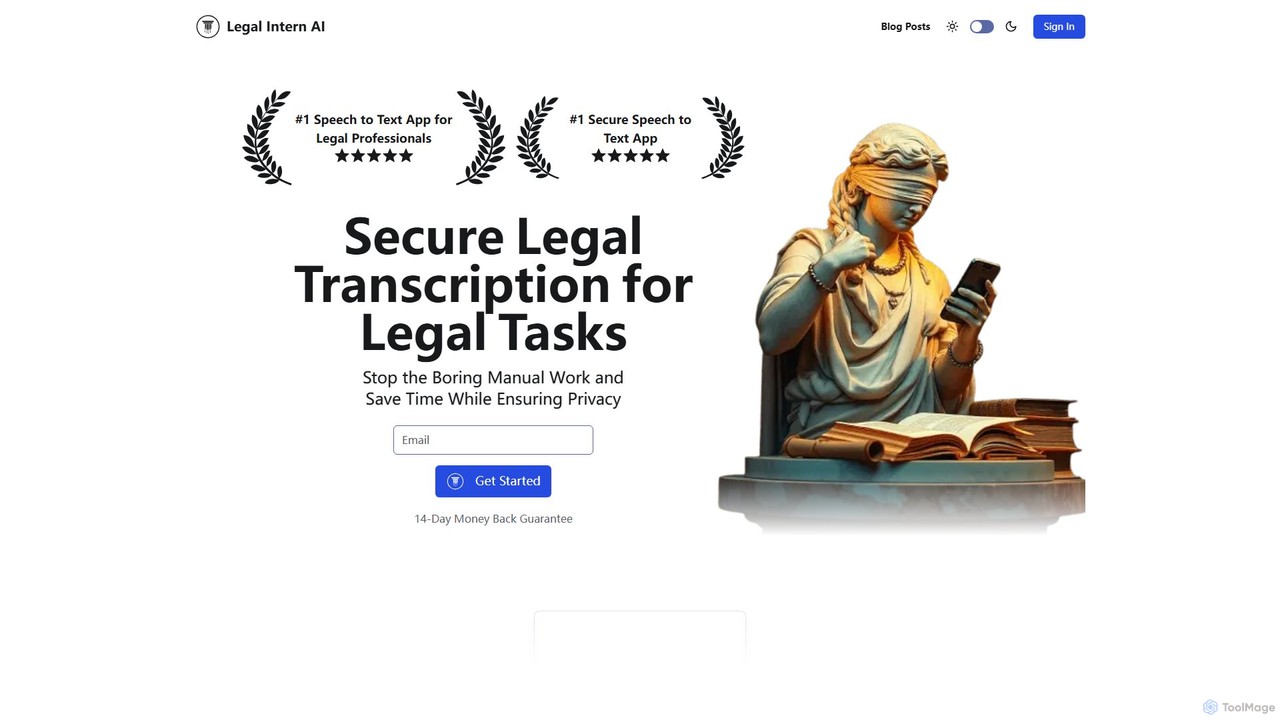
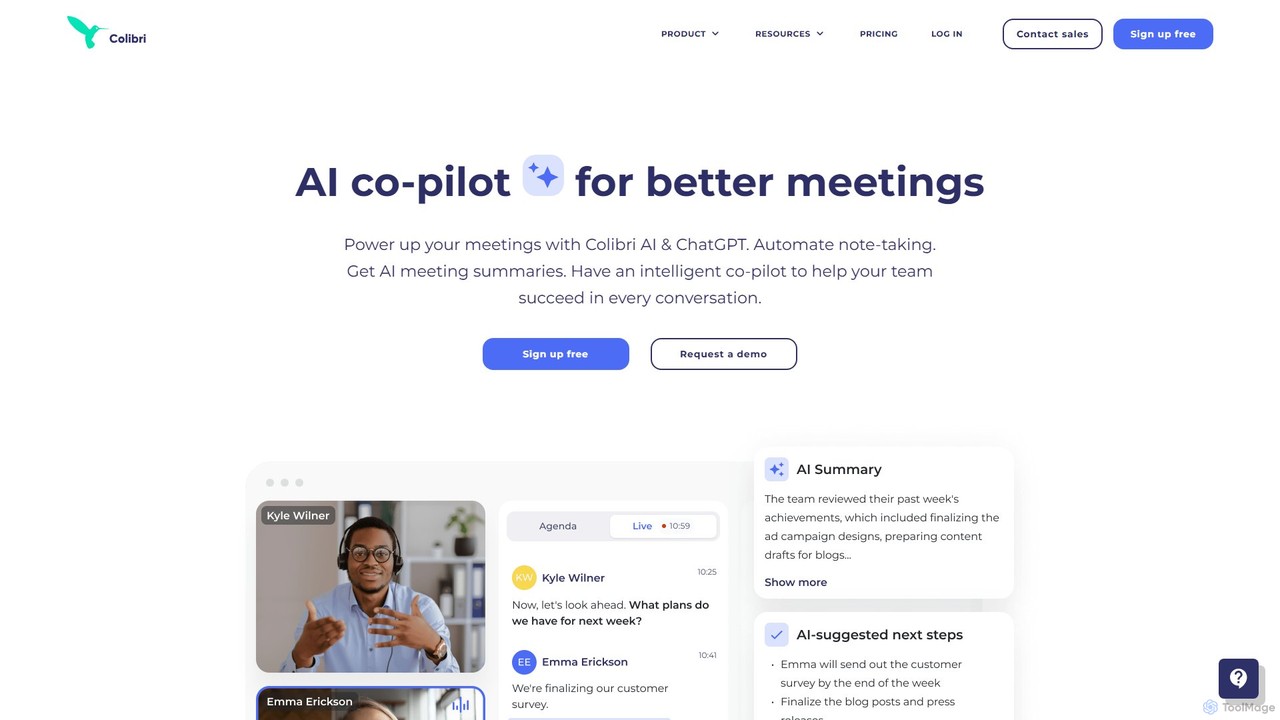
Transcription tools are AI-powered solutions that convert spoken language from audio or video files into written text. Leveraging advanced Automatic Speech Recognition (ASR) and natural language processing, these tools accurately capture dialogue, monologues, and environmental sounds. They are invaluable for creating accessible content, detailed documentation, and searchable archives across various industries, particularly within the legal sector where precise record-keeping for court proceedings, depositions, and client consultations is paramount.
Core Features
- High Accuracy ASR: Utilizes sophisticated algorithms to convert speech to text with exceptional precision, minimizing errors even with diverse accents, background noise, or complex terminology.
- Speaker Diarization: Automatically identifies and separates different speakers in a conversation, attributing transcribed text to each individual, which is crucial for multi-participant discussions like interviews or meetings.
- Timestamping: Integrates precise time markers into the transcribed text, allowing users to quickly navigate and verify specific words or phrases by linking them directly to their exact moment in the original audio or video.
- Multi-language Support: Offers robust transcription capabilities across a wide array of languages and dialects, often including integrated translation features to broaden content accessibility and global reach.
- Custom Vocabulary & Glossaries: Enables users to define and add specific industry terms, proper nouns, or legal jargon, significantly enhancing accuracy for specialized content and technical discussions.
- Export & Integration Options: Provides flexible export formats such as TXT, DOCX, SRT, and VTT, and often integrates with other productivity tools or content management systems for seamless workflow incorporation.
Applicable Scenarios
AI transcription tools are indispensable for legal professionals, streamlining the documentation of court hearings, witness testimonies, depositions, and confidential client interviews, ensuring every spoken word is accurately recorded and easily searchable. Beyond legal, content creators widely use them to generate precise subtitles and captions for videos and podcasts, significantly improving accessibility and search engine optimization. Journalists rely on these tools to quickly convert interview recordings into text, allowing them to focus on narrative development rather than manual note-taking, while researchers leverage them for efficient analysis of qualitative data from spoken sources.
How to Choose
When selecting an AI transcription tool, prioritize its accuracy rate, as this is paramount for reliable documentation, especially in fields like law or medicine. Evaluate the breadth of its language support and its ability to handle various accents and dialects. Crucially, assess its speaker identification capabilities for multi-participant recordings and the flexibility of its custom vocabulary features for specialized terminology. Consider integration options with your existing software ecosystem, security and data privacy protocols for sensitive information, and the overall pricing model relative to your anticipated usage volume and required features.