ToolMage
Sign in

Best 33 Parenting AI tools for Lifestyle

Popular Parenting AI tools in Lifestyle include Poppylist, Sleepytale, Oscar Stories, BabyStoryAI, CuboAi, Scarlett Panda, Named by AI, colone, Tellmeastoryai, and StoryCraftr, helping you work more efficiently.

Scarlett Panda
Freemium

Scarlett Panda

Scarlett Panda is an AI-powered app that creates hyper-personalized bedtime stories for children in seconds. Parents can customize characters, settings, and moral lessons to generate unique tales, complete with illustrations. It also offers custom meditations, lullabies, and learning adventures, available in digital, audiobook, and printed hardcover formats.

Storytelling
Visits 11.8KFavorites 136Likes 152
The Spark Book
Paid

The Spark Book

The Spark Book is an AI-powered platform that allows parents to create personalized children's storybooks with their child as the hero. By uploading a photo and selecting a theme, you can generate a unique, beautifully illustrated hardcover book designed to boost confidence, imagination, and a love for reading. The tool makes storytelling a collaborative and magical experience, delivering a treasured keepsake to your door.

Writing
Visits 5.9KFavorites 129Likes 130
Fantasaur
Paid

Fantasaur

Fantasaur is an AI-powered tool for parents to create personalized bedtime stories for their children. By selecting emojis, character names, and a moral, users can generate unique, illustrated stories in seconds across 18 languages. The tool offers both text and audio formats, an interactive mode to shape the narrative, and is accessible via web and an Android app. It's designed to make bedtime a delightful and creative experience for families.

Storytelling
Visits 5.8KFavorites 146Likes 154
Happy Mama
Free

Happy Mama

Happy Mama is an AI-powered chatbot designed to provide instant, supportive, and reliable answers to questions about pregnancy. It serves as a 24/7 virtual companion for expectant mothers, offering guidance on everything from symptoms and nutrition to fetal development and postpartum care.

Personal Assistant
Visits 5.8KFavorites 134Likes 134
Oscar Stories
Freemium

Oscar Stories

Oscar Stories is an AI-powered app that creates personalized bedtime stories for children. Make your child the hero of their own adventure, choosing unique characters and themes. The app generates unique, illustrated stories with valuable life lessons and can even turn them into soothing audiobooks, making bedtime a magical and educational experience.

Audiobook Generation
Visits 19KFavorites 135Likes 142
TinyTalk.AI
Freemium

TinyTalk.AI

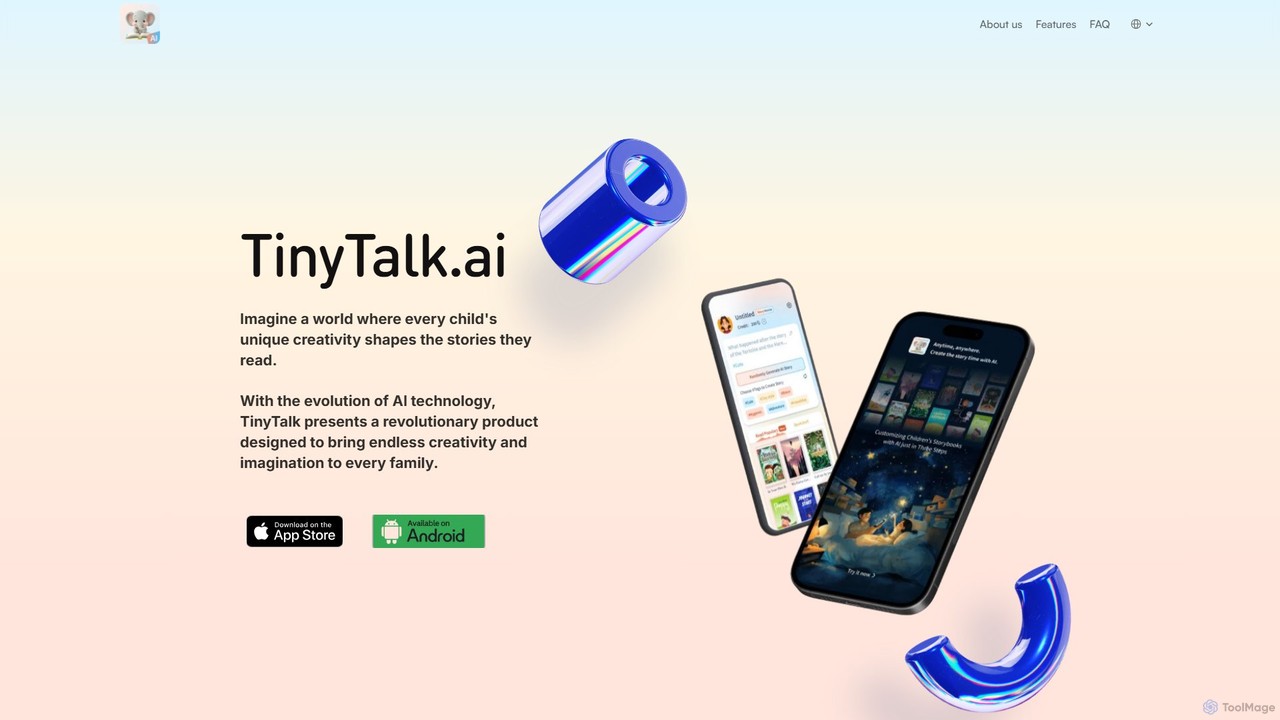
TinyTalk.AI is an AI-powered storytelling platform that creates personalized, illustrated children's books. It generates unique, age-appropriate stories with visually consistent characters based on user prompts. With over 500 artistic styles, it transforms a child's imagination into a magical reading experience, making it a perfect tool for parents and educators to foster creativity and a love for reading.

Art Generation
Visits 6KFavorites 138Likes 155
Namely
Freemium

Namely

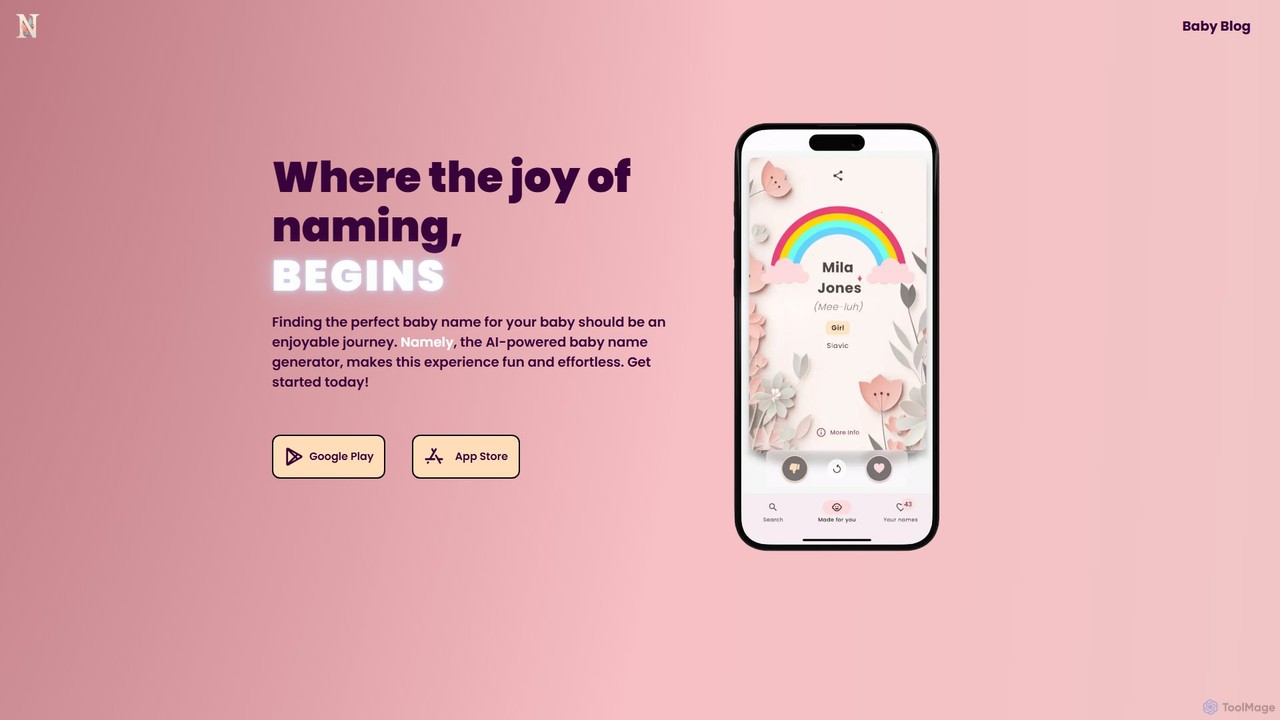
Namely is an AI-powered baby name generator app designed for expecting parents. It transforms the naming process into a fun, collaborative, and stress-free journey. Discover thousands of unique names, use advanced filters, and connect with your partner to swipe, match, and find the perfect name for your baby.

Discovery
Visits 7KFavorites 120Likes 112
bedtimeread
Freemium

bedtimeread

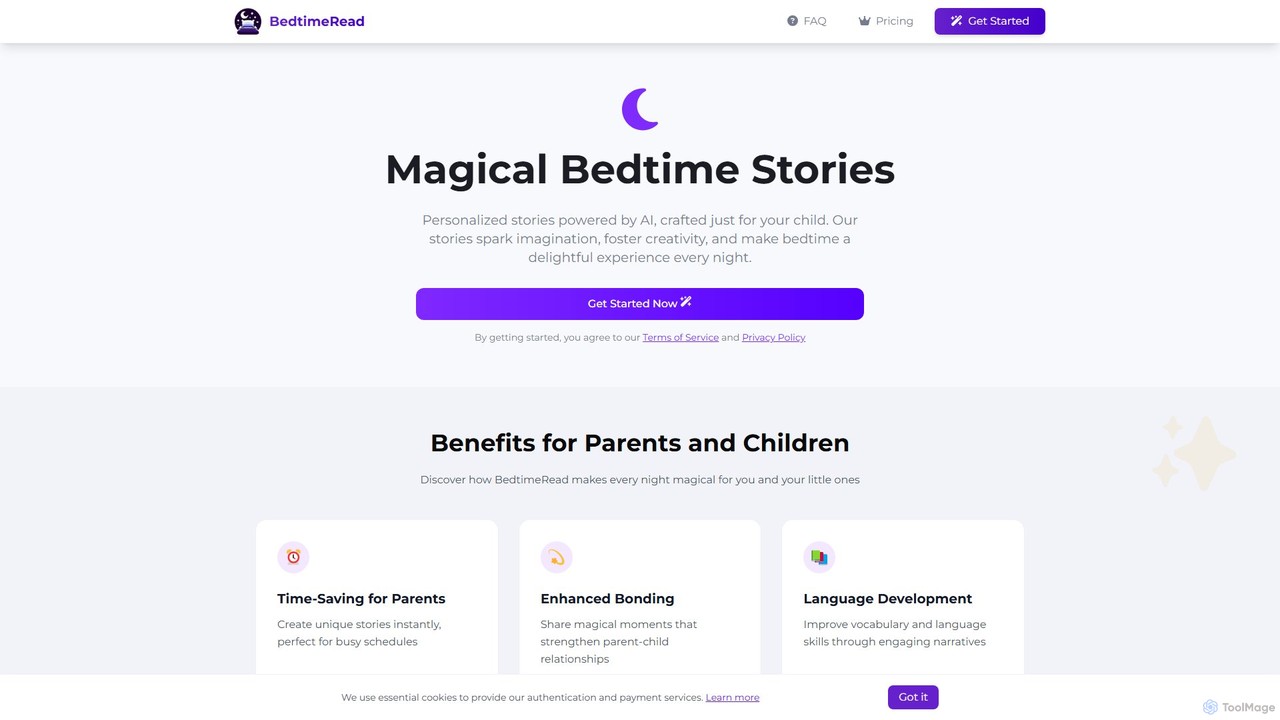
BedtimeRead is an AI-powered platform that generates personalized bedtime stories for children. It helps parents create unique, magical, and educational narratives in seconds, tailored to their child's interests. This tool aims to enhance parent-child bonding, foster creativity, improve language skills, and establish a delightful bedtime routine.

Storytelling
Visits 5.9KFavorites 173Likes 172
Mystoria
Freemium

Mystoria

Mystoria is an AI-powered platform designed to create magical and personalized bedtime stories for children. By inputting simple prompts like a child's name, favorite characters, and a desired theme, parents can instantly generate unique, engaging tales with beautiful illustrations. It aims to make bedtime a creative, bonding, and cherished experience for families.

Writing
Visits 5.9KFavorites 126Likes 143

About Parenting

AI Parenting tools are applications that leverage artificial intelligence to provide parents with personalized support and resources. These tools analyze data such as a child's age, developmental milestones, and daily routines to offer tailored advice, activity suggestions, and progress tracking. They serve as a digital assistant for modern parents, helping to simplify scheduling, answer common questions with expert-backed information, and foster a child's development. By using machine learning, these platforms can adapt to a family's unique needs, offering proactive insights that go beyond generic parenting guides.

Core Features

  • Personalized Guidance: Delivers age-specific advice and tips based on the child's developmental stage and user-inputted data.
  • Milestone Tracking: Allows parents to log and monitor key developmental milestones, from first steps to vocabulary growth.
  • Activity Generation: Creates customized educational games, crafts, and activities tailored to a child's interests and learning goals.
  • AI-Powered Q&A: Provides instant answers to common parenting questions, often trained on data from pediatricians and child development experts.
  • Schedule Management: Helps organize and automate daily routines, including feeding times, sleep schedules, and appointments.

Use Cases

These tools are widely used by new parents seeking guidance through the early stages of a child's life, busy working parents needing to efficiently manage family schedules, and co-parents looking for a neutral platform to coordinate care. For instance, a parent can use an app to track an infant's sleep patterns and receive AI-driven suggestions for improving sleep quality. Another common use is generating educational content for toddlers to support early learning at home.

How to Choose

When selecting an AI Parenting tool, first consider the credibility of its information sources; look for tools vetted by pediatricians or child development specialists. Data privacy and security are paramount, so review how the app stores and protects your family's sensitive information. Also, evaluate whether the tool's features align with your child's age and your specific needs, whether it's sleep training, activity planning, or co-parenting coordination. Finally, an intuitive and easy-to-use interface is crucial for busy parents.

Featured tool rankings

Parenting use cases

1

Personalized Sleep Training Guidance for Infants

New parents often struggle with inconsistent infant sleep patterns. Using an AI parenting tool, they can log feeding times, nap durations, and nighttime awakenings. The AI analyzes this data to identify patterns and provides a customized, step-by-step sleep training plan. It might suggest adjusting nap times or creating a more consistent bedtime routine. As parents input daily progress, the AI dynamically adapts its recommendations, offering a data-driven approach that is more effective than generic advice found online.

2

Generating Custom Bedtime Stories

A parent wants to make bedtime more engaging for their five-year-old. Instead of reading the same books, they use an AI tool to create new stories. The parent inputs prompts like 'a brave squirrel named Sam,' 'a magical forest,' and 'learns about sharing.' The AI then generates a unique, age-appropriate story complete with character dialogue and a positive moral. Some tools can even generate accompanying illustrations, providing a fresh and creative experience every night that is tailored to the child's current interests.

3

Planning Age-Appropriate Educational Activities

A caregiver for a preschooler needs ideas for weekend activities that are both fun and developmental. They use an AI parenting app and specify the child's age, interests (e.g., dinosaurs, painting), and available materials (e.g., cardboard boxes, paint). The AI generates a curated list of activities, such as 'Build a Dinosaur Diorama' or 'Color-Mixing Volcano Experiment,' complete with step-by-step instructions and explanations of the learning benefits. This saves the caregiver significant time on research and ensures the activities are well-suited to the child's developmental stage.

4

Tracking and Understanding Developmental Milestones

Parents of a toddler use an AI-powered app to log key developmental milestones, such as first words, motor skills, and social interactions. The app visualizes this progress on a timeline and compares it to standard developmental charts. If the AI notices a potential delay in a specific area, it can provide parents with a gentle notification and suggest specific, expert-approved activities to encourage development in that area. This provides parents with peace of mind and a proactive way to support their child's growth, while also creating a digital keepsake of their child's early years.

5

Getting Instant Answers to Parenting Questions

A parent is worried about their toddler's sudden picky eating habits. Instead of spending hours searching online forums, they ask an AI parenting assistant: 'What are some healthy foods for a 2-year-old who refuses vegetables?' The AI, trained on pediatric nutrition data, provides an immediate, structured response. It might list nutrient-rich alternatives, suggest creative ways to present vegetables (like smoothies or hidden in sauces), and explain the developmental reasons behind picky eating. This provides quick, reliable, and actionable advice 24/7.

6

Simplifying Co-Parenting Schedules and Communication

Separated or divorced parents use an AI-powered co-parenting app to manage complex schedules and reduce conflict. They input custody arrangements, school holidays, and special events. The AI helps create a fair and balanced schedule, sends automated reminders to both parents about handovers and appointments, and provides a neutral, documented platform for communication. This ensures consistency for the child and minimizes misunderstandings between parents, allowing them to focus on their child's well-being rather than logistical disputes.

Parenting FAQ

What are AI Parenting tools?

AI Parenting tools are digital applications or platforms that use artificial intelligence to assist parents with the challenges of raising children. They function as personalized assistants by analyzing data like a child's age, sleep patterns, and developmental progress to provide tailored advice, activity suggestions, and scheduling support. Core features often include milestone tracking, AI-powered Q&A with expert-backed information, and content generation for education and entertainment.

How do I choose the right AI Parenting tool?

To choose the right tool, consider these four factors:

  • Credibility: Check if the tool's advice is based on information from pediatricians, child psychologists, or other certified experts.
  • Data Privacy: Since you'll be sharing sensitive family information, ensure the app has a strong privacy policy and security measures.
  • Age Appropriateness: Select a tool designed for your child's specific age group, whether it's for infants, toddlers, or older children.
  • Features vs. Needs: Identify your primary need (e.g., sleep tracking, activity planning, co-parenting) and choose a tool with strong features in that area.
Can AI Parenting tools replace professional medical advice?

No, AI Parenting tools should not replace professional medical advice. They are designed to be supportive resources that provide general guidance, track data, and offer suggestions based on common patterns. While they can be very helpful for everyday questions and organization, they cannot diagnose medical conditions or replace the personalized care and examination from a qualified pediatrician or healthcare provider. Always consult a doctor for any health concerns regarding your child.

What are the main benefits of using AI for parenting?

The main benefits include:

  • Personalization: AI tools adapt to your child's specific data, offering more relevant advice than generic books or websites.
  • Convenience: They provide 24/7 access to information and organizational tools, which is ideal for busy parents.
  • Data-Driven Insights: By tracking patterns in sleep, feeding, or behavior, these tools can highlight trends you might not notice, helping you make more informed decisions.
  • Reduced Stress: Automating schedules, getting quick answers, and having a structured plan can help reduce some of the daily stress and uncertainty of parenting.
How are AI Parenting tools different from general lifestyle apps?

While general lifestyle apps (like calendars or note-takers) can help with organization, AI Parenting tools are highly specialized. Their key differentiator is the use of AI models trained specifically on child development data, pediatric knowledge, and parenting strategies. This allows them to provide context-aware advice and features, such as interpreting sleep data to suggest a better nap schedule or generating age-appropriate educational content, which generic apps cannot do. They are built to address the unique, dynamic challenges of raising a child.