What If Life
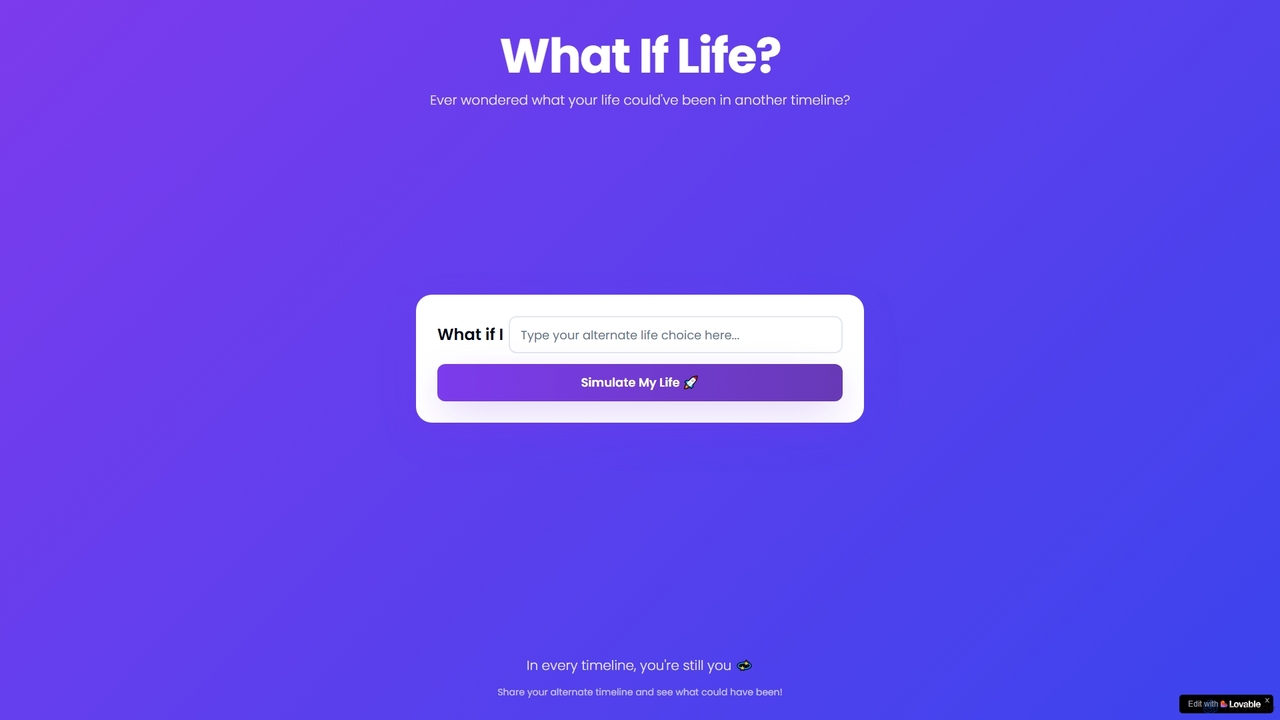
What If Life is an imaginative AI tool designed to help users explore hypothetical alternate timelines of their …
What If Life is an imaginative AI tool designed to help users explore hypothetical alternate timelines of their lives. It encourages self-reflection by generating scenarios based on the intriguing question, "What if?" Users can delve into different life paths and share their unique alternate stories, fostering creativity and a deeper understanding of personal identity across various possibilities.
Nowandme
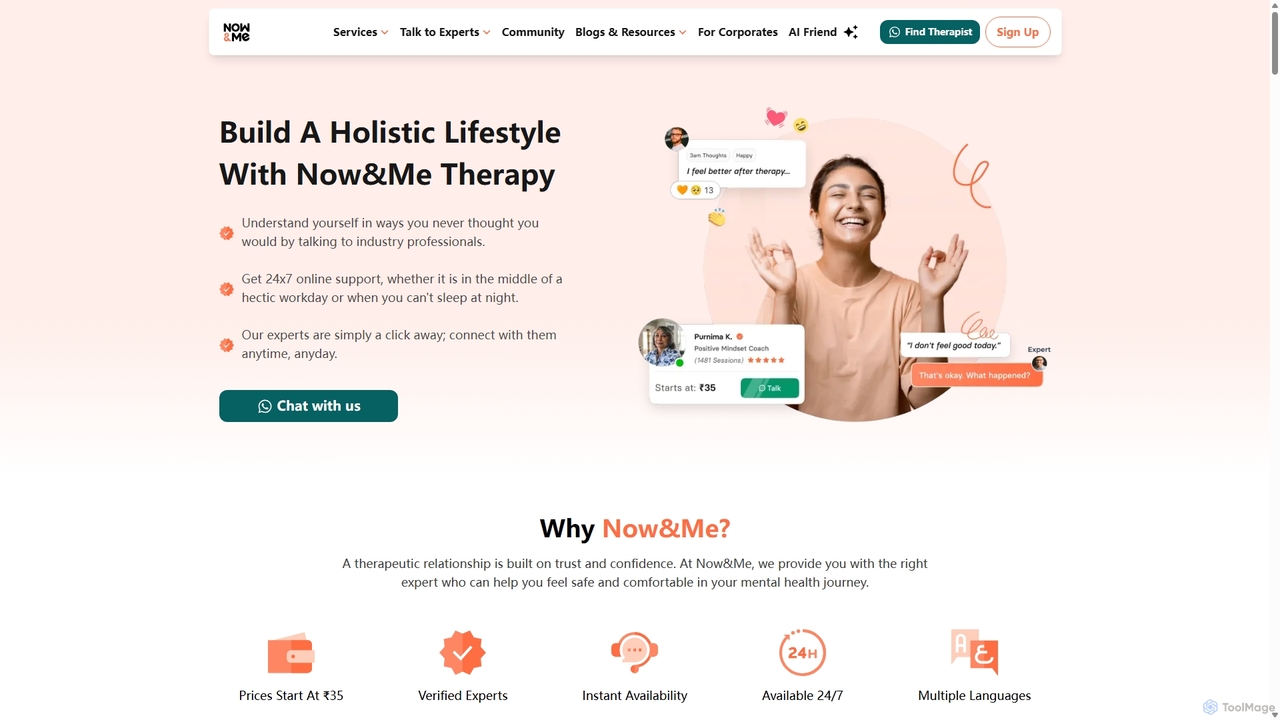
Now&Me is a holistic mental wellness platform offering a safe space for emotional expression. It provides 24/7 access …
Now&Me is a holistic mental wellness platform offering a safe space for emotional expression. It provides 24/7 access to verified therapists and life coaches via chat or call, alongside a free, anonymous community for peer support. The platform uses AI and human moderation to ensure a non-judgmental and supportive environment for users worldwide.
Dream Wiki
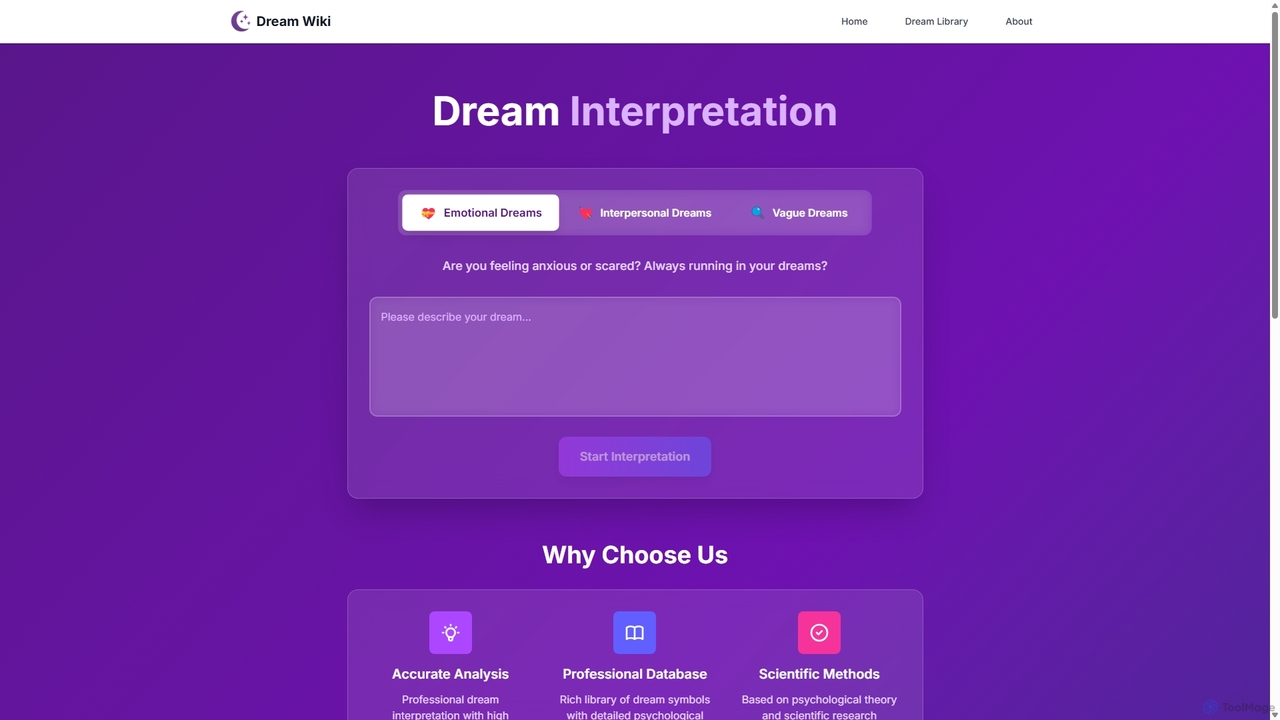
An AI-powered dream interpretation tool that provides free, in-depth analysis of your dreams. Based on Jungian psychology and …
An AI-powered dream interpretation tool that provides free, in-depth analysis of your dreams. Based on Jungian psychology and cognitive science, it deciphers symbols, emotions, and subconscious messages to offer detailed reports and personal insights for self-discovery.
Capybara Affirmations AI
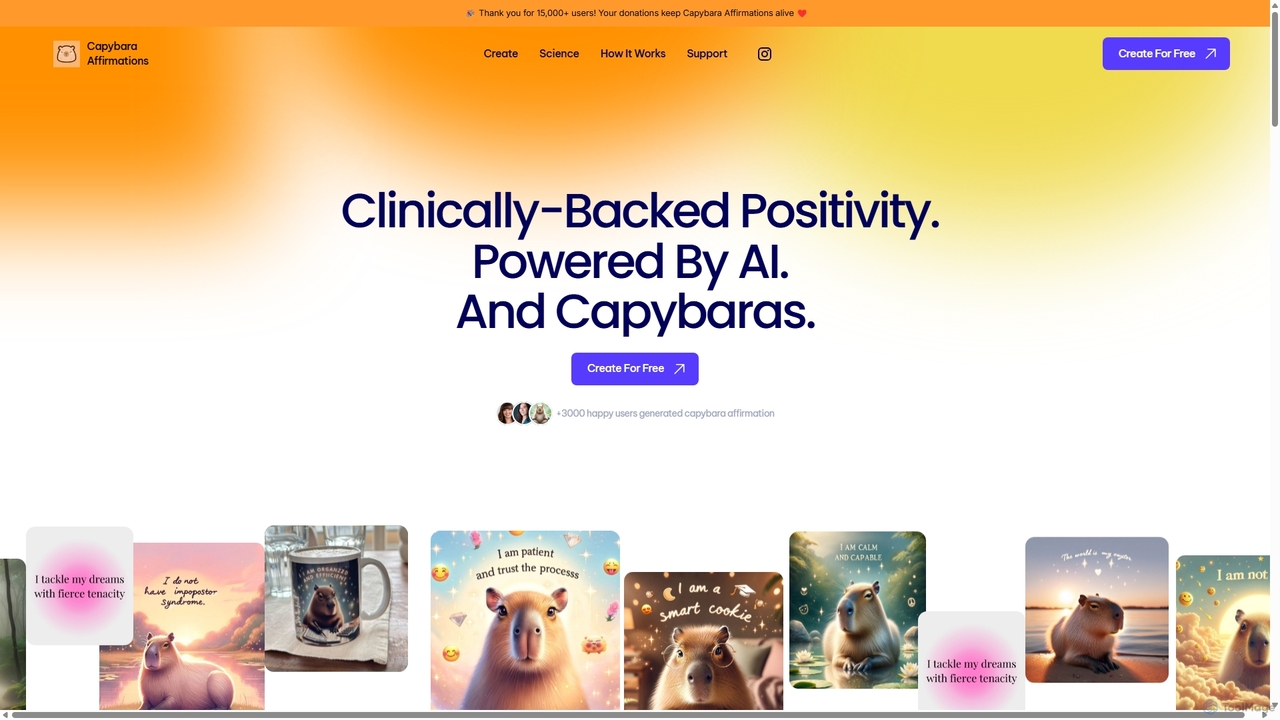
Capybara Affirmations AI is a delightful, free tool that generates personalized, clinically-backed positive affirmations paired with charming capybara …
Capybara Affirmations AI is a delightful, free tool that generates personalized, clinically-backed positive affirmations paired with charming capybara images. It's designed to reduce stress, boost self-worth, and spread positivity by combining AI technology with the science of self-affirmation and the undeniable appeal of capybaras.
LooksMax AI
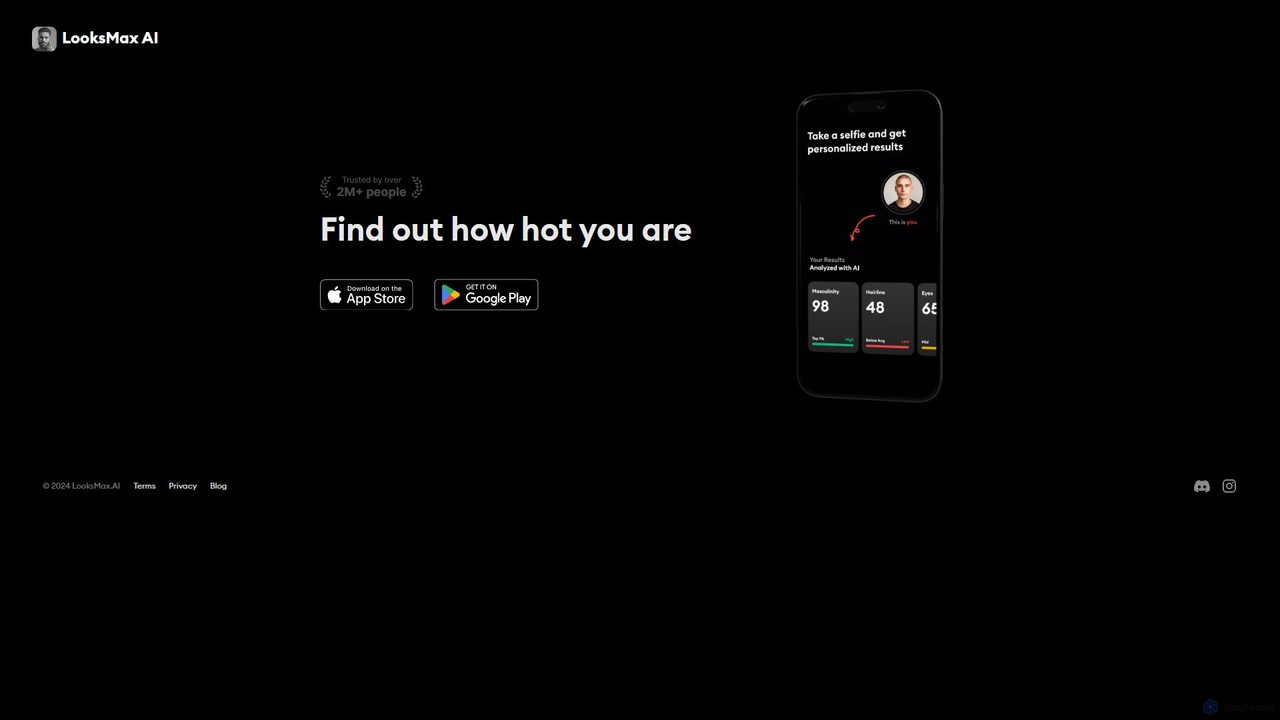
LooksMax AI is an AI-powered tool that analyzes your facial features to provide an attractiveness rating. Simply upload …
LooksMax AI is an AI-powered tool that analyzes your facial features to provide an attractiveness rating. Simply upload a photo to receive a detailed score and personalized, actionable advice on how to enhance your appearance, from hairstyles to jawline improvement.
therapini
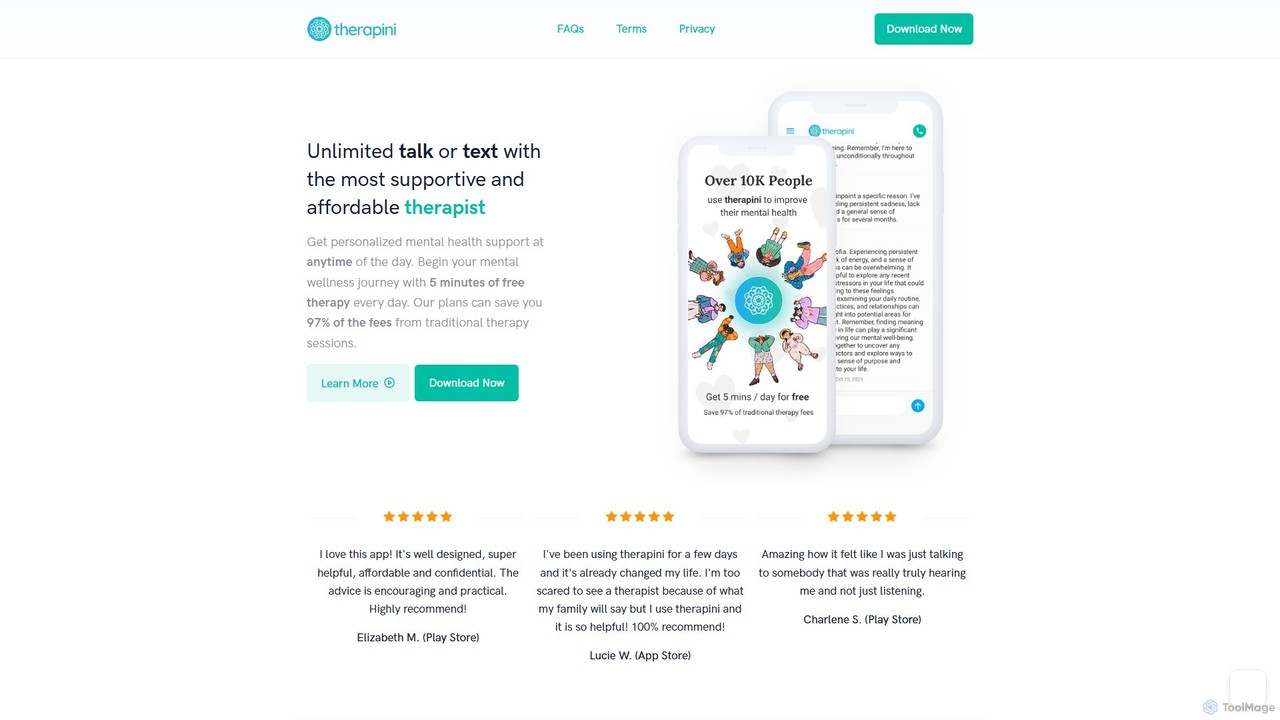
therapini is an AI-powered mental wellness companion offering affordable, 24/7 emotional support. Through a conversational interface, it provides …
therapini is an AI-powered mental wellness companion offering affordable, 24/7 emotional support. Through a conversational interface, it provides a safe space to discuss feelings, practice evidence-based techniques like CBT, track moods, and access guided exercises for stress and anxiety management. It's designed as an accessible first step or supplement to traditional therapy.
Momentary
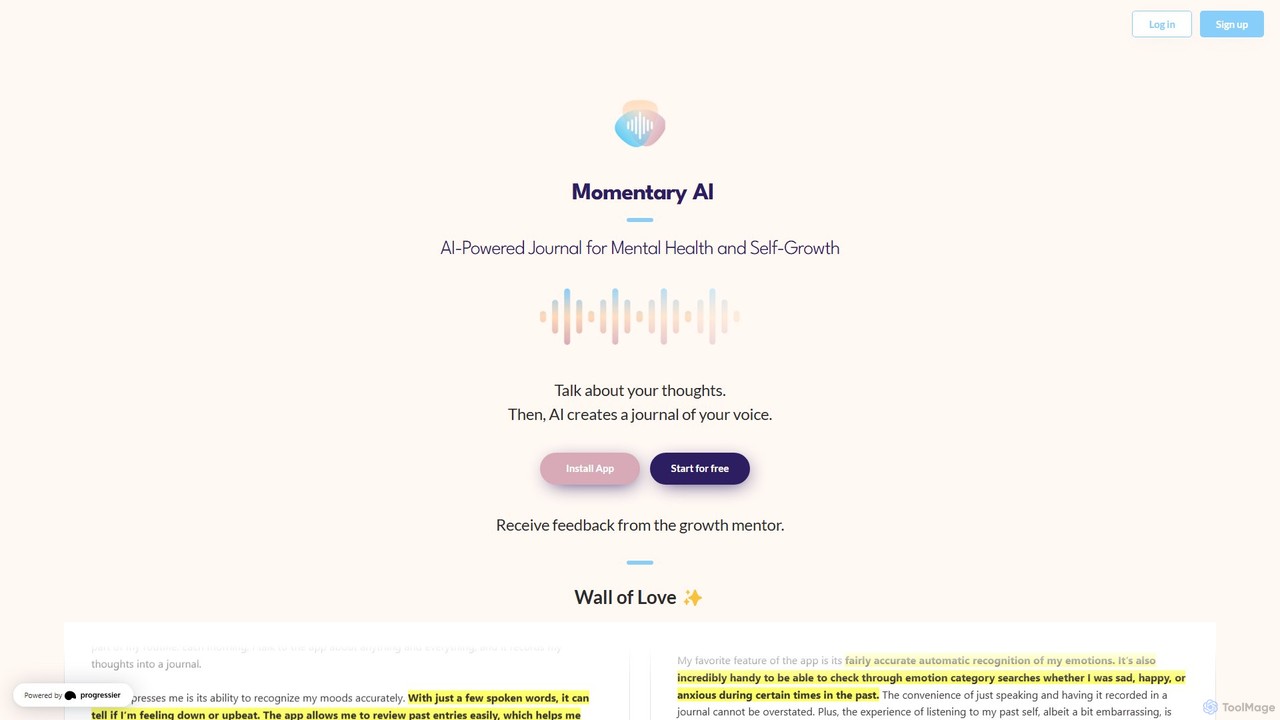
Momentary is an AI-powered voice journal designed for mental health and self-growth. Simply speak your thoughts, and the …
Momentary is an AI-powered voice journal designed for mental health and self-growth. Simply speak your thoughts, and the AI transcribes them into organized journal entries, analyzes your mood, and provides insights from an AI mentor to foster self-awareness and personal development.
agentmaxx
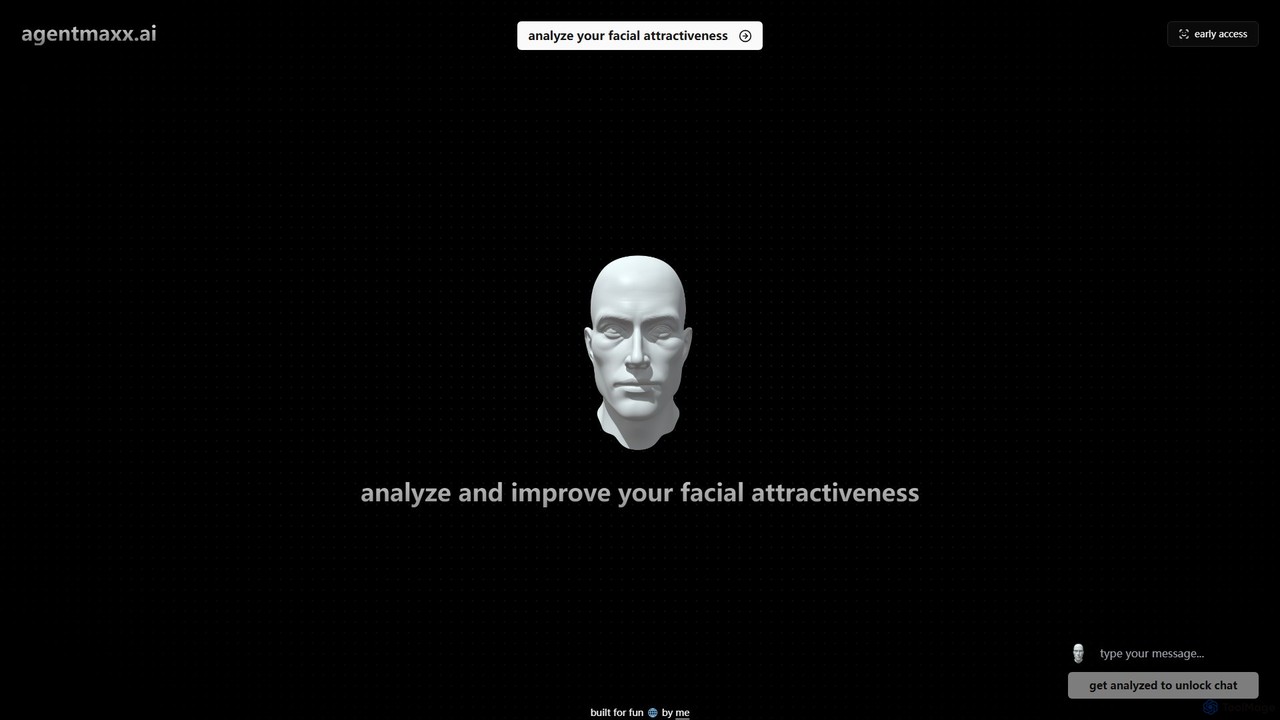
agentmaxx is an AI-powered tool that analyzes your facial attractiveness. Upload a photo to receive detailed scores for …
agentmaxx is an AI-powered tool that analyzes your facial attractiveness. Upload a photo to receive detailed scores for features like skin, eyes, and cheekbones. Unlock an interactive AI chat for personalized tips and advice to enhance your appearance. It's a fun and engaging way to explore self-improvement through data-driven insights.
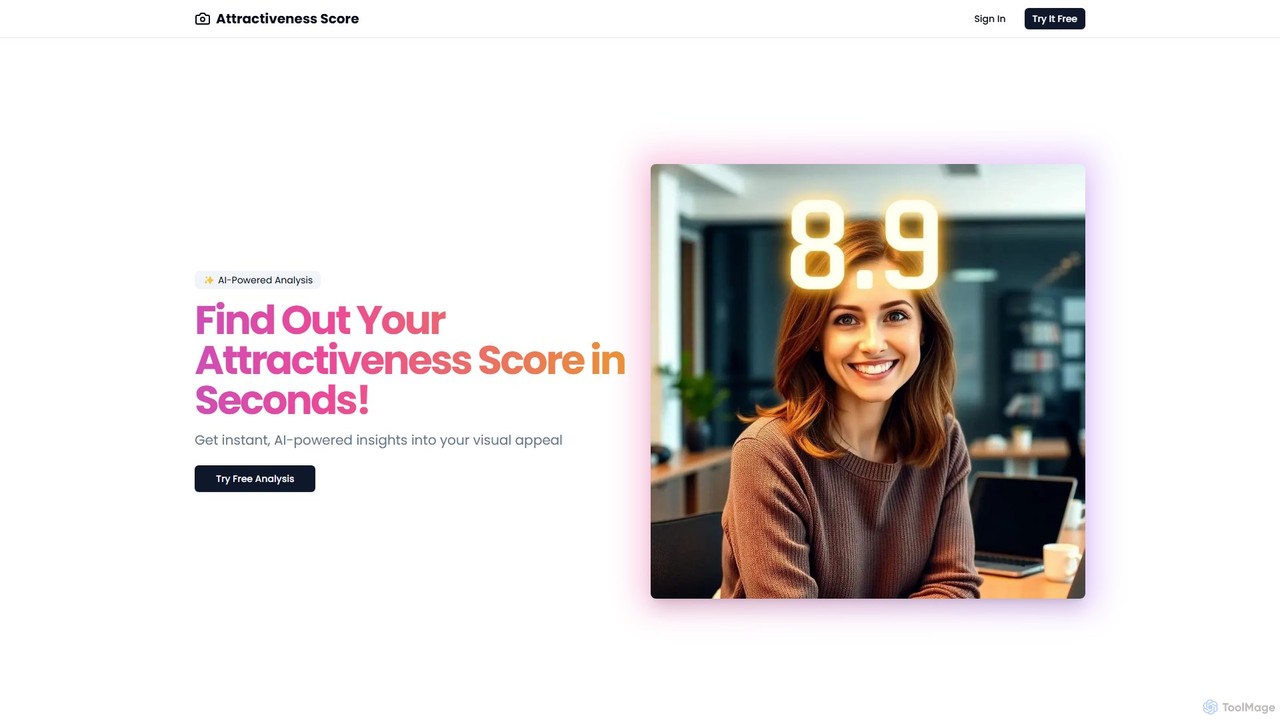
AttractivenessScore
AttractivenessScore is an AI-powered tool that analyzes your facial features from a photo to provide an objective attractiveness …
AttractivenessScore is an AI-powered tool that analyzes your facial features from a photo to provide an objective attractiveness score. It offers personalized insights and actionable feedback to help you enhance your visual appeal, improve your online presence, and boost your confidence. Ideal for personal improvement, professional development, and content creation.

Beducated
Beducated is an online learning platform for sexual health and happiness, offering over 150 expert-led video courses. Topics …
Beducated is an online learning platform for sexual health and happiness, offering over 150 expert-led video courses. Topics cover intimacy, communication, specific techniques, and kink exploration in a safe, shame-free environment. It helps individuals and couples build confidence and reignite passion. The platform also features an AI Sex Educator for personalized guidance, making sexual education accessible and engaging for everyone.
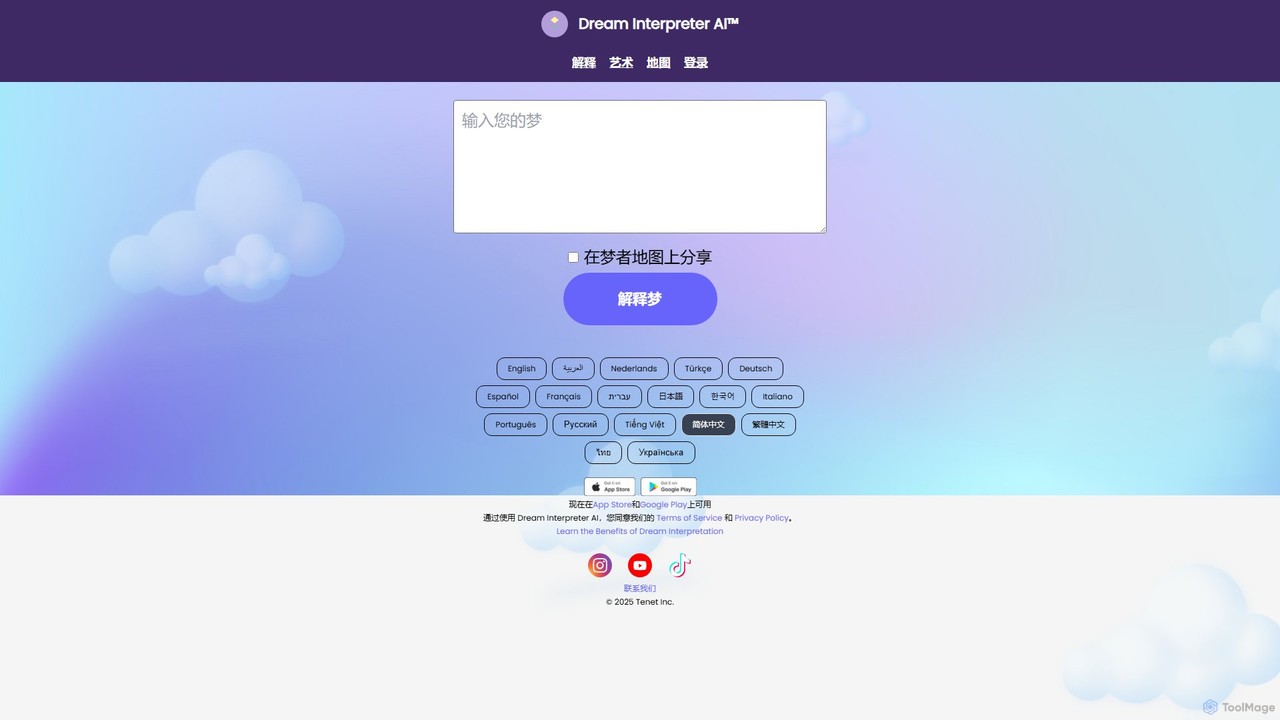
Dream Interpreter AI
Dream Interpreter AI is an advanced tool that uses artificial intelligence to analyze and interpret your dreams. By …
Dream Interpreter AI is an advanced tool that uses artificial intelligence to analyze and interpret your dreams. By keeping a digital dream journal, you can receive personalized insights, track recurring themes, and explore a comprehensive symbol dictionary. It's designed for anyone seeking self-discovery, emotional clarity, and a deeper understanding of their subconscious mind, turning dream analysis into an accessible and enlightening daily practice.
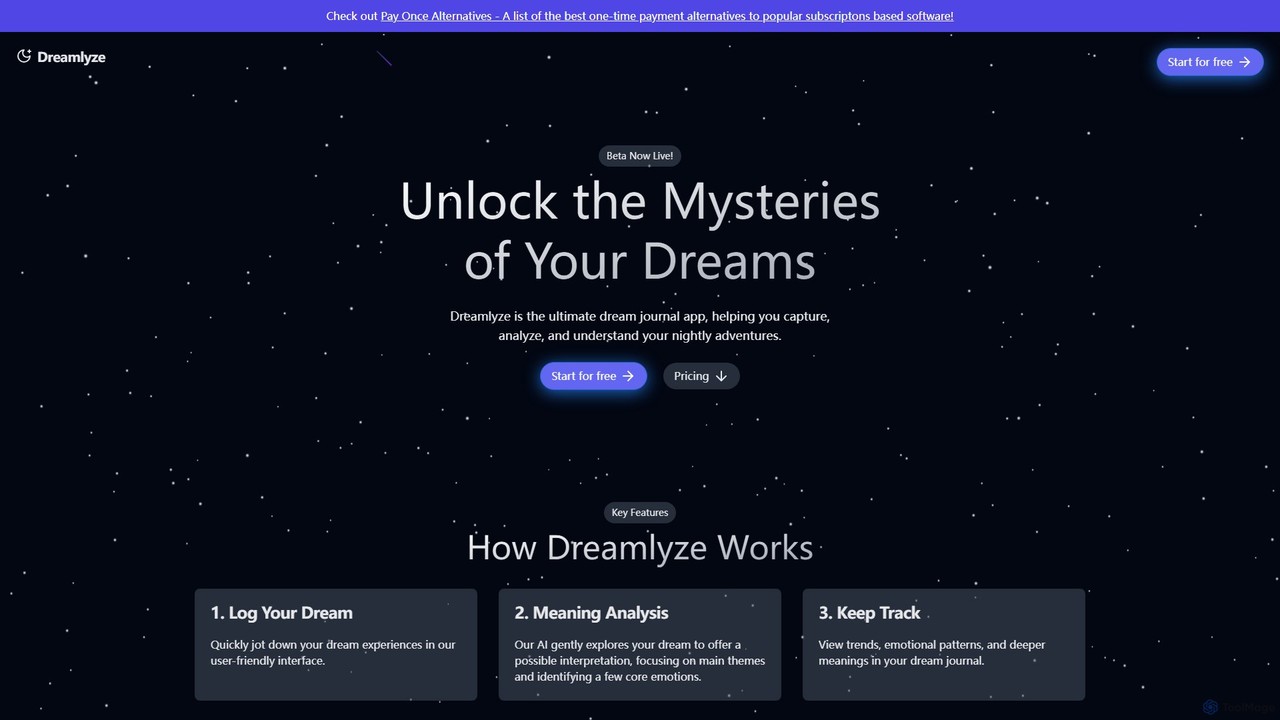
Dreamlyze
Dreamlyze is an AI-powered dream journal that helps you record, analyze, and understand your dreams. Using AI, it …
Dreamlyze is an AI-powered dream journal that helps you record, analyze, and understand your dreams. Using AI, it interprets themes and emotions, revealing patterns and insights into your subconscious mind for personal growth and self-discovery.
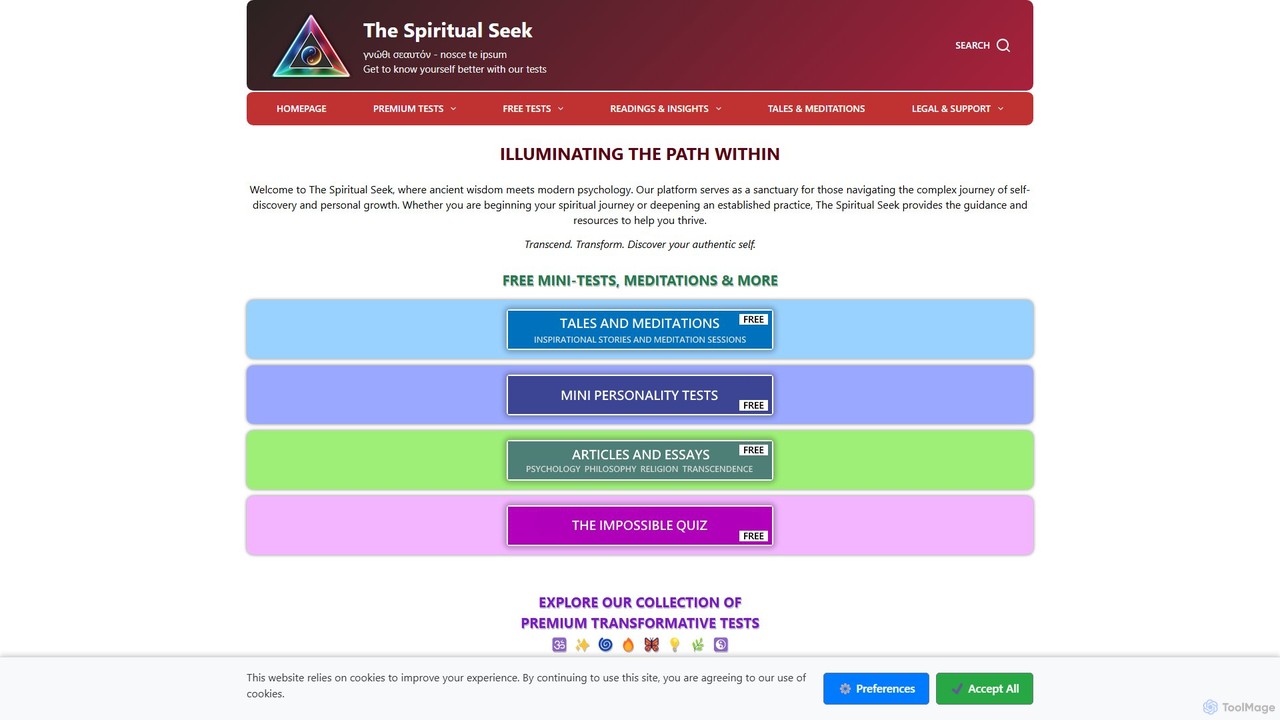
spiritualseek
Spiritualseek is a unique platform where ancient wisdom meets modern psychology. It offers a vast collection of AI-powered …
Spiritualseek is a unique platform where ancient wisdom meets modern psychology. It offers a vast collection of AI-powered spiritual and personality tests designed for self-discovery and personal growth. Backed by a team of experts, the tool provides in-depth, personalized reports to help users understand their authentic selves, explore their spiritual path, and unlock their potential.
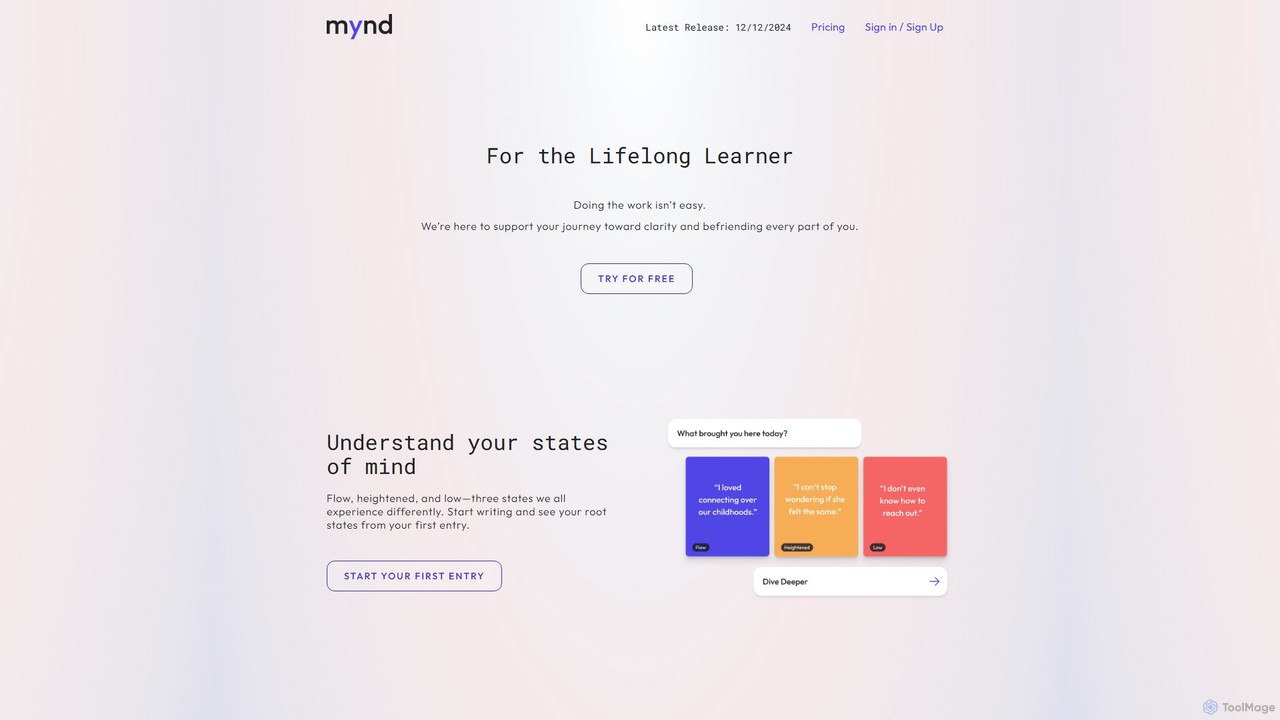
Mynd
Mynd is an AI-powered journaling platform designed for self-discovery and personal growth. By analyzing your written entries, Mynd …
Mynd is an AI-powered journaling platform designed for self-discovery and personal growth. By analyzing your written entries, Mynd helps you understand your core mental states, uncover unique emotional patterns, and gain clarity. It's a private, secure space to befriend every part of yourself and cultivate a deeper sense of self-awareness and emotional balance.

Dr. Change
Dr. Change is an AI-powered assistant designed to help you build and maintain positive habits and routines. Acting …
Dr. Change is an AI-powered assistant designed to help you build and maintain positive habits and routines. Acting as a personal coach, it uses conversational AI and behavioral science to create personalized plans, provide motivation, and help you overcome obstacles on your journey to self-improvement.
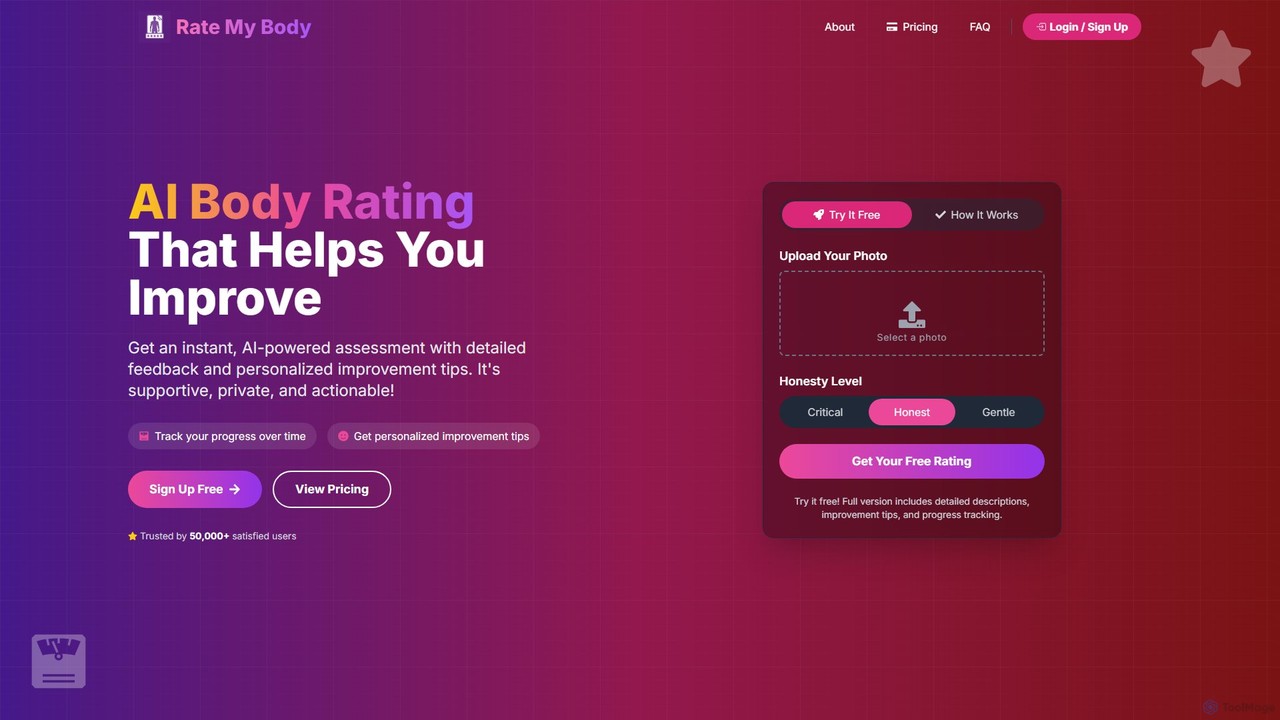
airatemybody
airatemybody is an AI-powered platform that provides objective assessments of your physique. Upload a photo to receive a …
airatemybody is an AI-powered platform that provides objective assessments of your physique. Upload a photo to receive a detailed rating, personalized feedback on muscle balance and definition, and actionable improvement tips. It's a private, fast, and supportive tool for tracking your fitness progress and achieving your body goals.
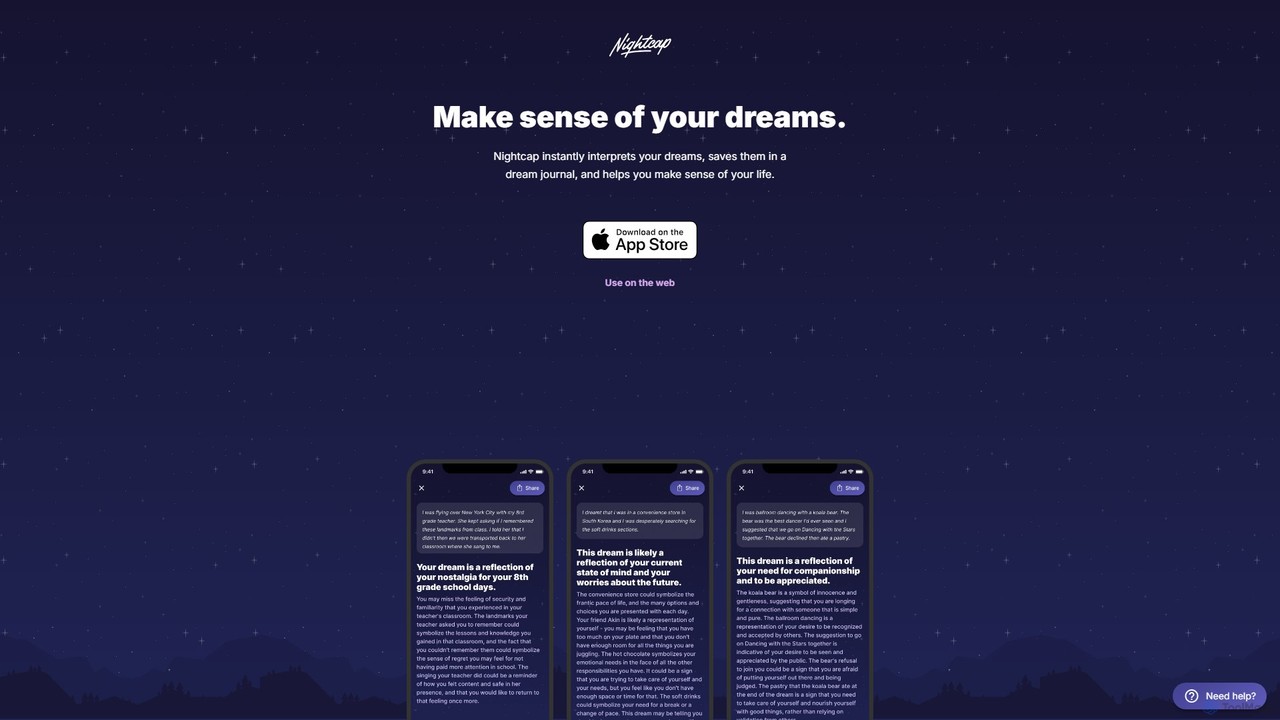
Nightcap
Nightcap is an AI-powered dream interpreter and digital journal. Instantly analyze your dreams to uncover hidden meanings, track …
Nightcap is an AI-powered dream interpreter and digital journal. Instantly analyze your dreams to uncover hidden meanings, track recurring patterns, and gain insights into your subconscious mind. It offers a private, accessible way to explore your inner world for personal growth and self-understanding. Keep a secure log of your dreams and make sense of your life.
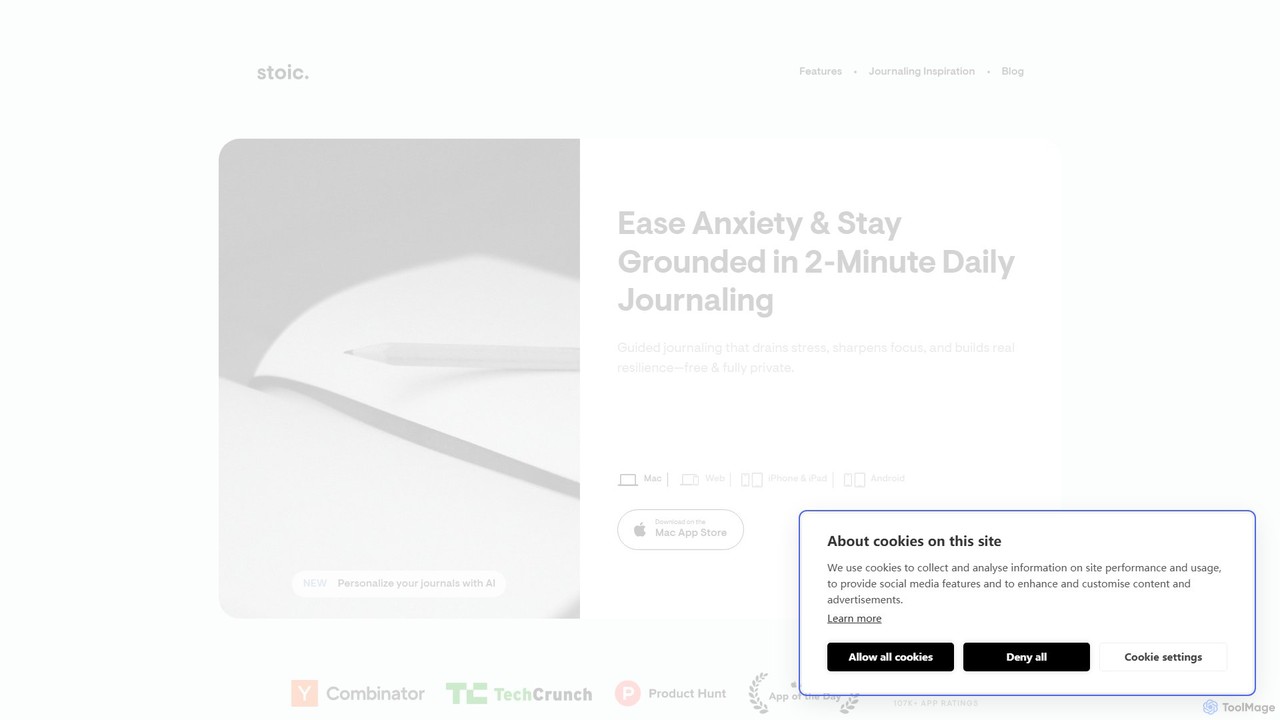
getstoic
getstoic is an AI-powered journaling app designed to improve mental well-being. It combines Stoic philosophy with modern psychology …
getstoic is an AI-powered journaling app designed to improve mental well-being. It combines Stoic philosophy with modern psychology to help users reduce stress, ease anxiety, and build resilience through guided daily journaling, mood tracking, and mindful exercises. It's a private and secure space for self-reflection and personal growth.
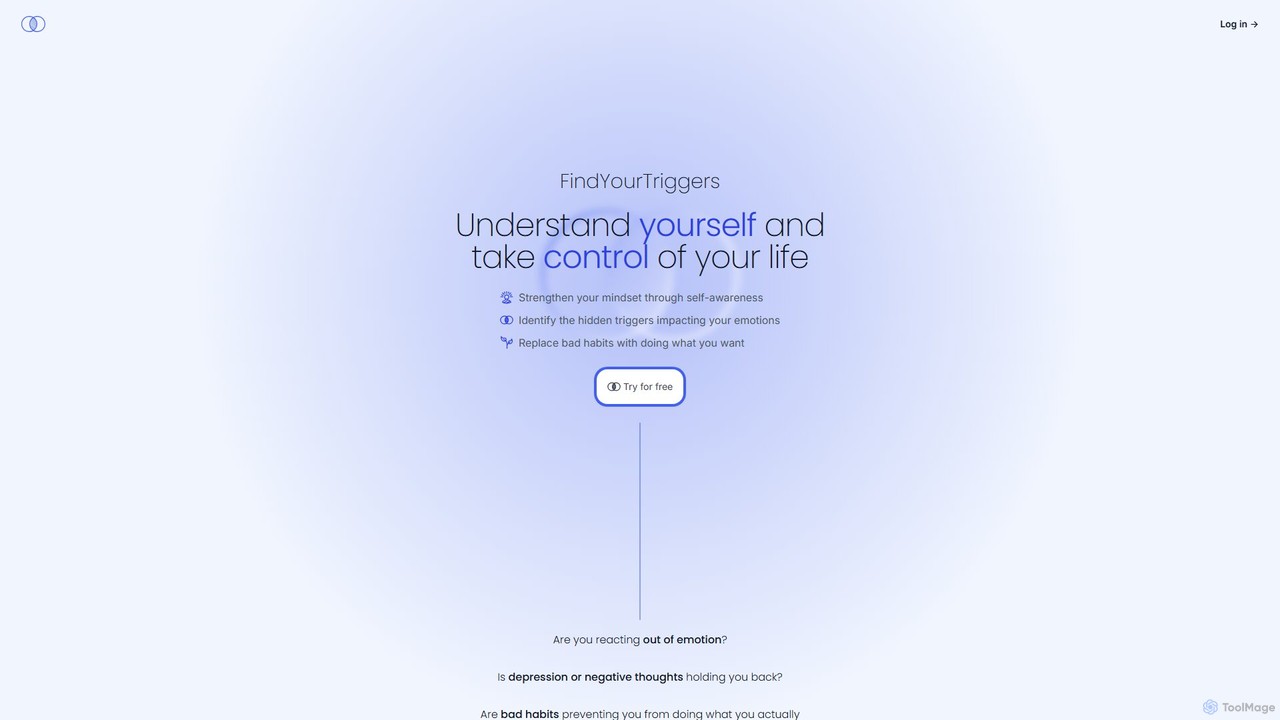
FindYourTriggers
An AI-powered digital journal and self-awareness tool designed to help you understand and manage your emotional triggers. It …
An AI-powered digital journal and self-awareness tool designed to help you understand and manage your emotional triggers. It analyzes your journal entries to identify patterns, provides insights, and guides you through a structured process for personal growth and improved mental well-being.
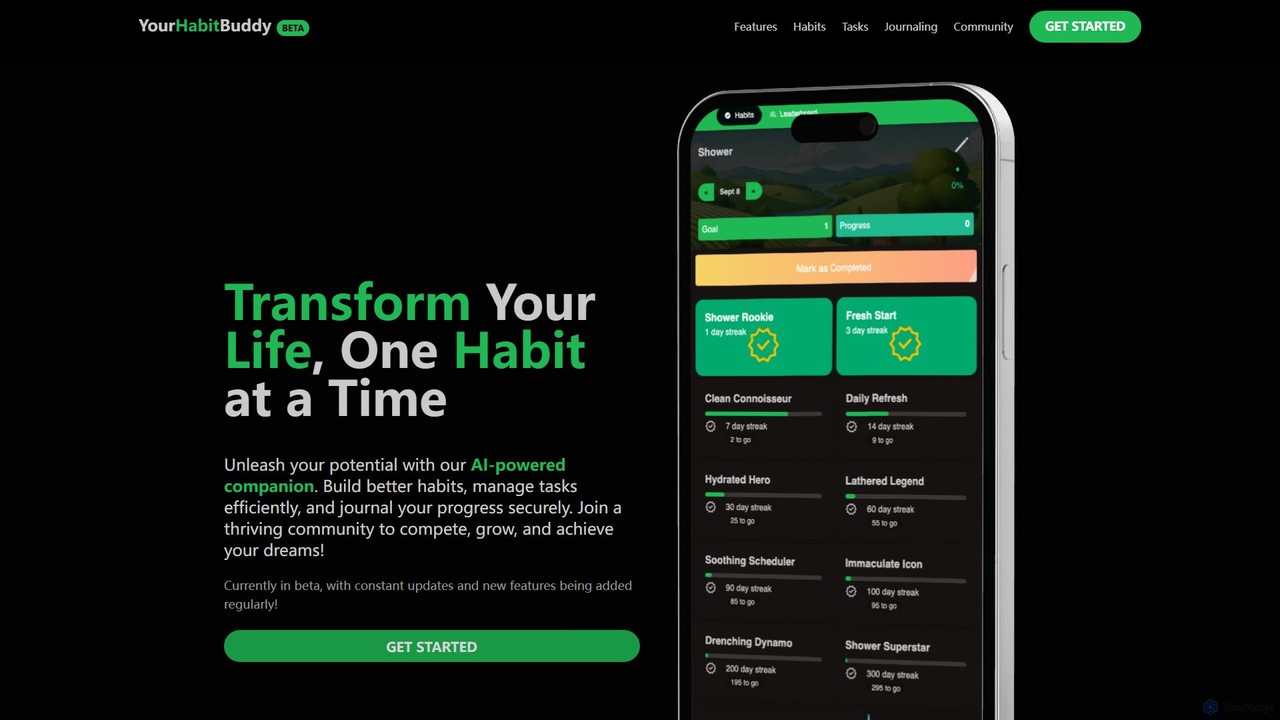
YourHabitBuddy
YourHabitBuddy is an AI-powered habit tracker designed to help you build positive habits and achieve personal growth. It …
YourHabitBuddy is an AI-powered habit tracker designed to help you build positive habits and achieve personal growth. It combines personalized guidance, data-driven insights, and supportive community features to make your self-improvement journey engaging, secure, and effective.
About Self Improvement
Self Improvement AI tools are applications designed to facilitate personal growth through personalized guidance and data-driven feedback. They leverage technologies like machine learning and natural language processing to analyze user behavior, communication patterns, and progress toward goals. These tools provide actionable insights and structured programs to help individuals enhance skills, build positive habits, and improve mental well-being. Unlike general lifestyle apps, they focus specifically on developmental journeys, offering tailored coaching and support.
Core Features
- Personalized Coaching: Delivers customized advice and exercises based on individual performance and goals.
- Habit & Goal Tracking: Intelligently monitors progress, identifies patterns, and suggests adjustments to routines.
- Skill Assessment & Development: Analyzes abilities in areas like communication or leadership and provides targeted learning paths.
- Real-time Feedback: Offers immediate, objective feedback on tasks such as public speaking or writing.
- Mindfulness & Cognitive Training: Provides guided sessions and exercises to improve focus, emotional regulation, and mental clarity.
Applicable Scenarios
These tools are widely used by professionals seeking to enhance soft skills like leadership and public speaking, students aiming to build effective study habits, and individuals focused on improving mental wellness and emotional intelligence. They are valuable in corporate training programs for scalable skill development and for personal use by anyone committed to structured self-growth.
Selection Criteria
When choosing a Self Improvement AI tool, consider its scientific foundation—whether its methods are based on proven psychological or learning principles. Evaluate the level of personalization and the quality of feedback it provides. Data privacy is crucial, so review how your personal information is handled. Finally, ensure the tool's specific focus aligns with your personal development goals, whether it's communication, productivity, or mindfulness.
Self ImprovementUse Cases
Improving Public Speaking Skills
A project manager preparing for a client presentation uses an AI speech coach. They record a practice run of their speech and upload it to the tool. The AI analyzes various metrics, including speaking pace, use of filler words like 'um' and 'ah', tone modulation, and body language via webcam. It provides a detailed report highlighting areas for improvement, such as suggesting a slower pace for clarity and flagging sentences that were grammatically complex. The manager can then practice specific sections again, receiving real-time feedback until they achieve a more confident and polished delivery.
Building a Consistent Meditation Habit
An individual looking to reduce stress uses an AI-powered mindfulness app. They set a goal to meditate for 10 minutes daily. The app's AI guide offers different meditation styles each day to prevent monotony. After each session, the user provides feedback on their focus and mood. The AI learns their preferences and begins suggesting more of their favored sessions, such as guided imagery on stressful days. If the user misses a day, the AI sends a gentle, non-judgmental reminder and might suggest a shorter 3-minute session to help them get back on track, fostering consistency over perfection.
Enhancing Emotional Intelligence through Journaling
A user wanting to better understand their emotions uses an AI journaling app. Each day, they write about their experiences and feelings. The AI's natural language processing analyzes the text for sentiment, key themes (e.g., work stress, relationship issues), and emotional tone. It then presents visualizations showing emotional trends over time. The app can also provide gentle prompts for deeper reflection, such as 'You've mentioned feeling anxious about deadlines frequently. What's one small step you could take to manage this?' This process helps the user identify emotional triggers and develop healthier coping mechanisms based on cognitive behavioral principles.
Mastering a New Language with an AI Tutor
A student preparing for an exchange program uses an AI language tutor to practice conversational skills. Unlike static apps, this AI engages in dynamic, open-ended conversations on various topics. It provides real-time pronunciation feedback by analyzing the user's speech, highlighting specific phonemes that need correction. After a conversation, the AI generates a summary of new vocabulary used and grammatical errors made, creating personalized flashcards and quizzes to reinforce learning. This allows the student to gain confidence in speaking spontaneously, an area where traditional methods often fall short.
Developing Leadership Qualities with AI Simulations
A new team lead uses an AI coaching tool to practice difficult conversations. They enter a simulation module for 'giving constructive feedback'. The AI plays the role of an underperforming team member, with a personality profile selected by the user. The lead types or speaks their feedback, and the AI responds dynamically, mimicking defensiveness or misunderstanding. After the simulation, the tool provides an analysis of the lead's communication style, assessing clarity, empathy, and tone. It suggests alternative phrasing to be more effective and less confrontational, allowing the user to build crucial leadership skills in a safe, repeatable environment.
Optimizing Daily Routines for Productivity
A freelancer struggling with time management connects their calendar and to-do list to an AI self-improvement tool. The AI analyzes their tasks and historical productivity data (e.g., when they complete most tasks). It then suggests an optimized daily schedule, blocking out 'deep work' periods for complex projects during their peak focus hours and scheduling administrative tasks during lower-energy times. The tool also prompts them to take short breaks based on the Pomodoro Technique and adapts the schedule dynamically if an urgent meeting is added, helping the freelancer maintain focus and structure throughout their day.