ToolMage
Sign in

Best 6 Sustainability AI tools for Lifestyle

Popular Sustainability AI tools in Lifestyle include Faircado, Ecolink AI, easytrip.ai, Biliki AI, UPLOAD.food, and EcoSnap, helping you work more efficiently.

Biliki AI
Freemium

Biliki AI

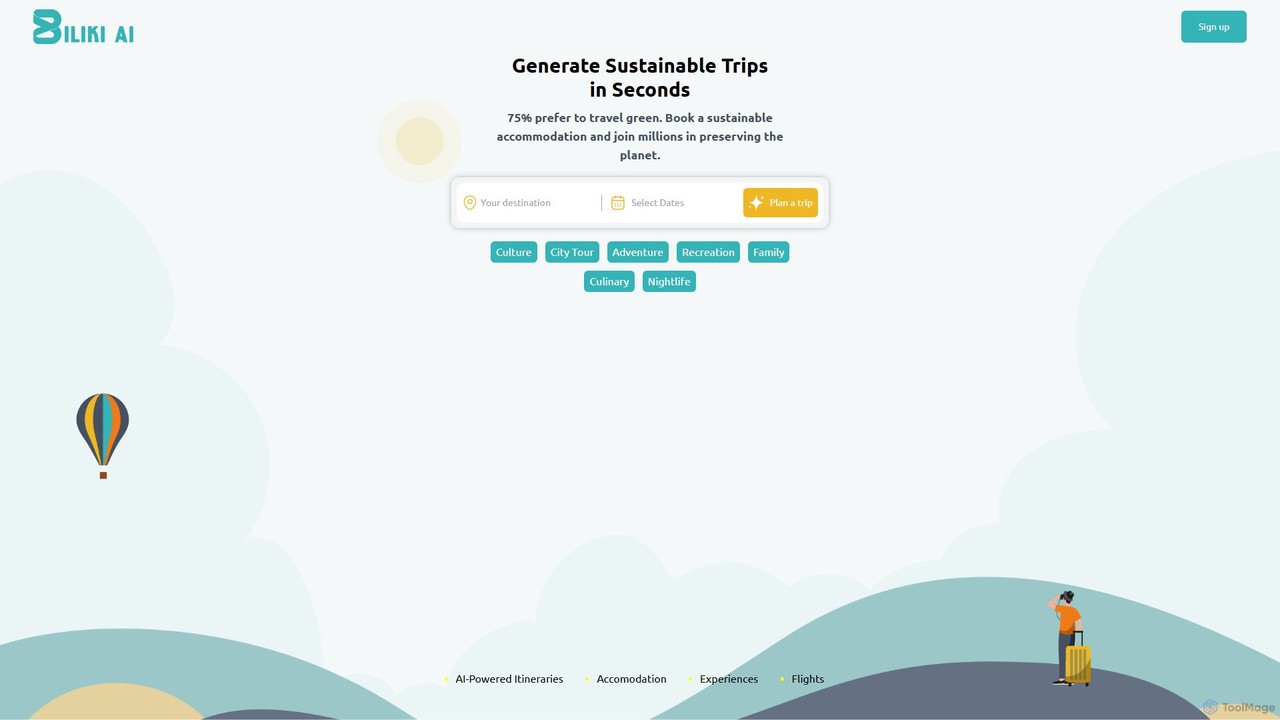
Biliki AI is an innovative travel planner that generates personalized, sustainable trip itineraries in seconds. By inputting your destination, dates, and interests, the AI crafts a complete plan including eco-friendly accommodations, low-carbon transportation, and unique local experiences. Every booking contributes to planting a tree, empowering travelers to explore responsibly and positively impact the planet. It's the ideal tool for conscious travelers who want to combine adventure with environmental stewardship.

Sustainability
Visits 5.8KFavorites 145Likes 136
Faircado
Free

Faircado

Faircado is an AI-powered browser extension and app that simplifies second-hand shopping. As you browse online stores, it automatically finds and displays the best pre-owned alternatives from millions of offers across various marketplaces. This helps you save money, reduce your environmental impact, and effortlessly join the circular economy.

Sustainability
Visits 30.4KFavorites 130Likes 147
UPLOAD.food
Paid

UPLOAD.food

UPLOAD.food is an AI-powered recipe generator that transforms your grocery receipts into delicious, personalized meal plans. Simply upload a photo of your receipt, and the AI creates recipes based on the ingredients you own, helping you reduce food waste, save money, and eliminate kitchen anxiety.

Meal Planning
Visits 5.8KFavorites 118Likes 129
Ecolink AI
Freemium

Ecolink AI

Ecolink AI is a decentralized commerce network and mobile app that empowers conscious consumers. Scan any product to instantly uncover its health, sustainability, and ethical impact. The platform uses on-chain verification for data transparency and rewards users with $MEGA tokens for contributing and verifying information, fostering a community-driven marketplace built on trust and impact.

Nutrition
Visits 8.2KFavorites 137Likes 147
EcoSnap
Free

EcoSnap

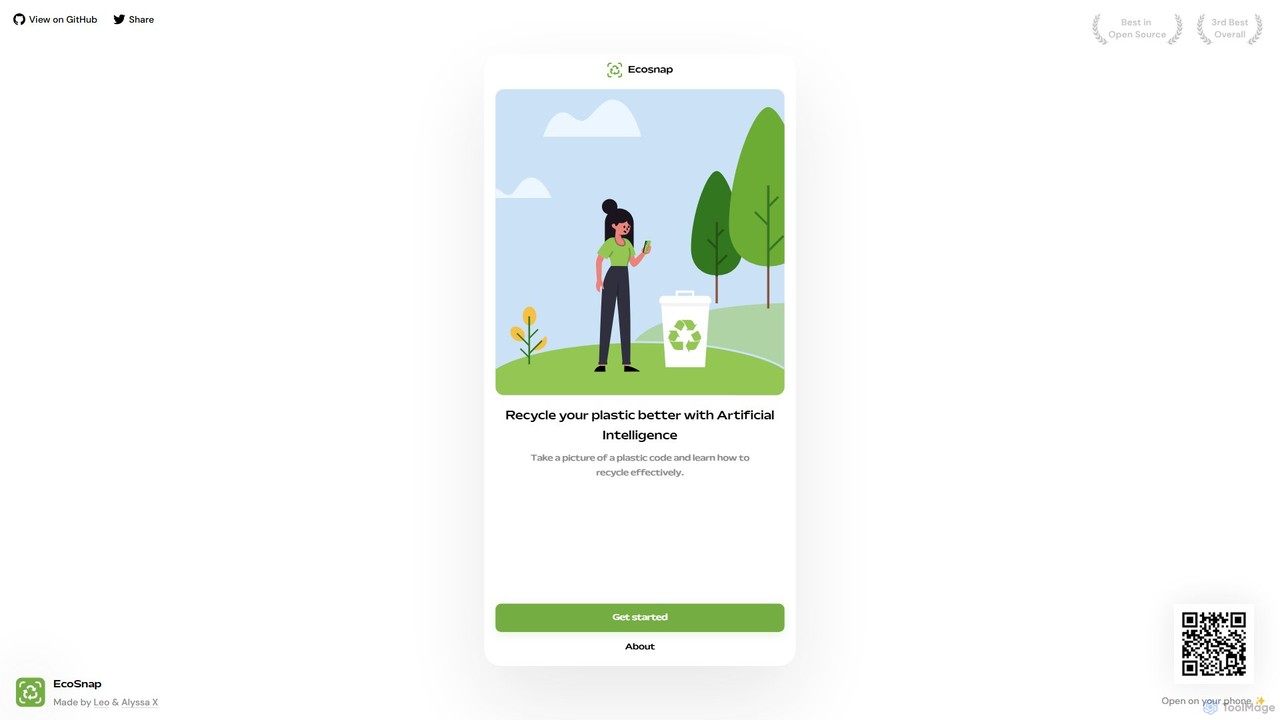
EcoSnap is an AI-powered web tool that helps you recycle plastics more effectively. Simply take a picture of a plastic's recycling code (the number inside the triangle), and the AI will instantly identify the plastic type and provide you with clear, actionable recycling instructions.

Environment
Visits 5.8KFavorites 115Likes 128
easytrip.ai
Freemium

easytrip.ai

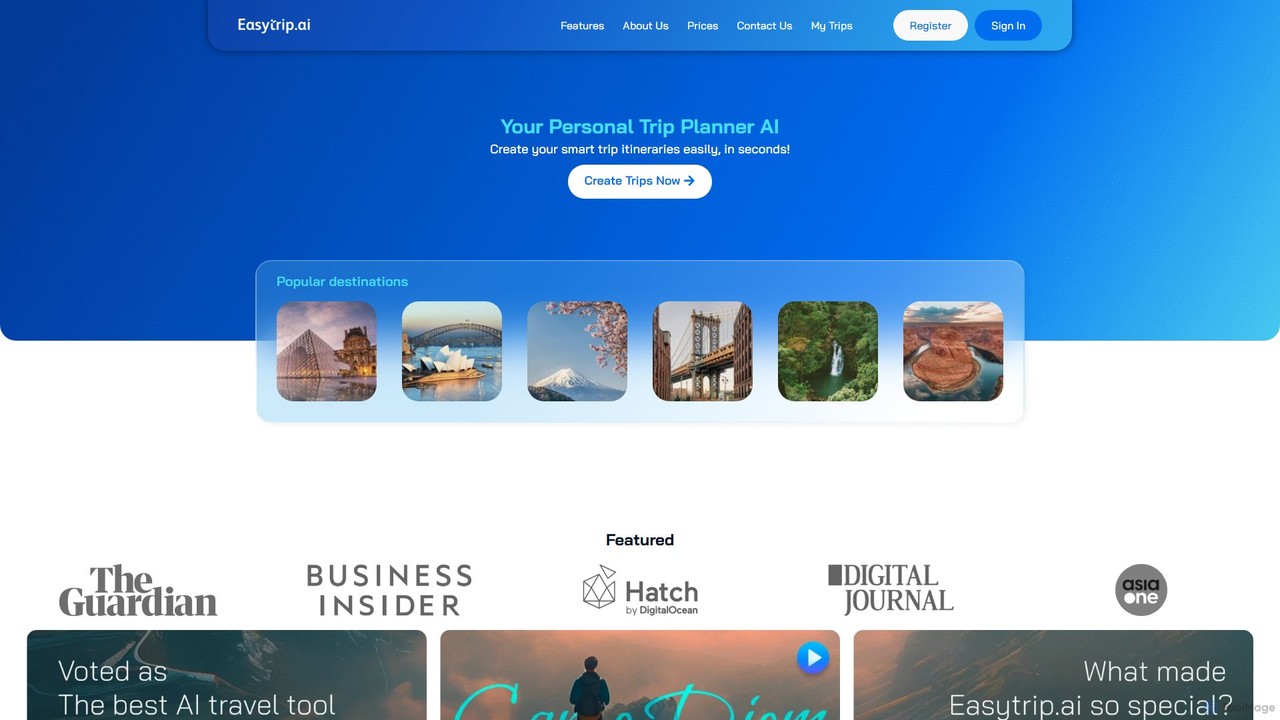
easytrip.ai is a free AI-powered trip planner that creates personalized, smart, and eco-friendly travel itineraries in seconds. It helps users plan trips with budget considerations, discover hidden gems, and travel sustainably. The platform offers customizable plans, real-time activity suggestions, and sharing options, making travel planning fast and hassle-free.

Sustainability
Visits 6.1KFavorites 113Likes 92

About Sustainability

Sustainability AI tools are a category of artificial intelligence applications designed to help individuals and organizations monitor, analyze, and optimize their environmental impact. These tools leverage data analytics, machine learning, and predictive modeling to identify inefficiencies, suggest eco-friendly alternatives, and track progress towards sustainability goals. They empower users to make informed decisions that reduce carbon footprint, conserve resources, and promote a more sustainable lifestyle.

Core Features

  • Environmental Monitoring: Track and analyze resource consumption (energy, water), waste generation, and emissions data.
  • Impact Assessment: Evaluate the environmental footprint of products, services, or activities using life cycle assessment (LCA) principles.
  • Optimization & Prediction: Suggest energy-saving measures, optimize supply chains for reduced emissions, or predict resource needs to minimize waste.
  • Reporting & Compliance: Generate sustainability reports, ensure adherence to environmental regulations, and facilitate ESG (Environmental, Social, and Governance) disclosures.
  • Behavioral Nudging: Provide personalized recommendations and insights to encourage eco-friendly habits and choices.

Use Cases

Individuals can use these tools to track personal carbon emissions from travel and consumption, receiving tips for reduction. Businesses can optimize their logistics for lower fuel consumption or monitor energy usage in facilities to identify areas for improvement. Urban planners might use them to model the impact of new developments on local ecosystems.

How to Choose

When selecting a Sustainability AI tool, consider its data integration capabilities with existing systems, the specific environmental metrics it tracks, and its reporting features. Evaluate the accuracy of its predictive models and the level of customization offered for different industry needs. User interface intuitiveness and compliance with relevant sustainability standards are also crucial factors.

Sustainability use cases

1

Optimizing Home Energy Consumption

Homeowners use AI tools to analyze smart meter data, identify energy waste patterns, and receive personalized recommendations for reducing electricity and heating usage, leading to lower utility bills and a smaller carbon footprint.

2

Sustainable Supply Chain Management

Businesses deploy AI to map their supply chains, assess the environmental impact of suppliers, and optimize logistics routes to minimize emissions and waste, ensuring ethical sourcing and reduced ecological damage.

3

Personal Carbon Footprint Tracking

Individuals utilize mobile AI apps to log daily activities like travel, diet, and purchases, receiving real-time feedback on their carbon emissions and suggestions for more sustainable choices, fostering eco-conscious living.

4

Waste Reduction in Manufacturing

Manufacturers implement AI-powered systems to monitor production lines, predict equipment failures, and optimize material usage, significantly reducing scrap rates and industrial waste, contributing to a circular economy.

5

Smart Water Management for Agriculture

Farmers leverage AI to analyze soil moisture, weather forecasts, and crop health data, enabling precise irrigation scheduling that conserves water resources while maximizing yield, promoting sustainable farming practices.

6

ESG Reporting and Compliance Automation

Corporations use AI platforms to collect, process, and analyze vast amounts of environmental, social, and governance data, automating the generation of comprehensive ESG reports and ensuring compliance with regulatory requirements.

Sustainability FAQ

What are Sustainability AI tools?

Sustainability AI tools are applications that use artificial intelligence to help monitor, analyze, and improve environmental performance. They leverage machine learning to process complex data, identify patterns, and provide actionable insights for reducing ecological impact, conserving resources, and promoting sustainable practices across various sectors.

How do Sustainability AI tools differ from traditional environmental management systems?

While traditional environmental management systems (EMS) often rely on manual data input and rule-based analysis, Sustainability AI tools offer advanced capabilities like predictive analytics, real-time monitoring, and automated optimization. They can process larger datasets, adapt to changing conditions, and provide more dynamic, data-driven recommendations for sustainability improvements.

What are the key benefits of using AI for sustainability?

The primary benefits include enhanced data accuracy and analysis, improved efficiency in resource management, and the ability to predict and prevent environmental issues. AI can automate complex reporting, optimize energy consumption, reduce waste, and provide personalized guidance for more sustainable choices, leading to significant environmental and economic gains.

Who can benefit most from Sustainability AI tools?

A wide range of users can benefit, including individuals seeking to reduce their personal carbon footprint, businesses aiming to optimize operations and achieve ESG goals, and governments or urban planners working on smart city initiatives. Any entity focused on improving environmental performance and resource efficiency can find value in these tools.

What data do Sustainability AI tools typically use?

These tools commonly utilize diverse datasets such as energy consumption records, water usage metrics, waste generation data, supply chain logistics, sensor data from smart devices, satellite imagery, and environmental impact assessments. They also integrate with weather data, market trends, and regulatory information to provide comprehensive insights.