
ToolMage
Sign in

Best 1 Resource Optimization AI tools for Machine Learning

Popular Resource Optimization AI tools in Machine Learning include Market01, helping you work more efficiently.

Market01

Market01

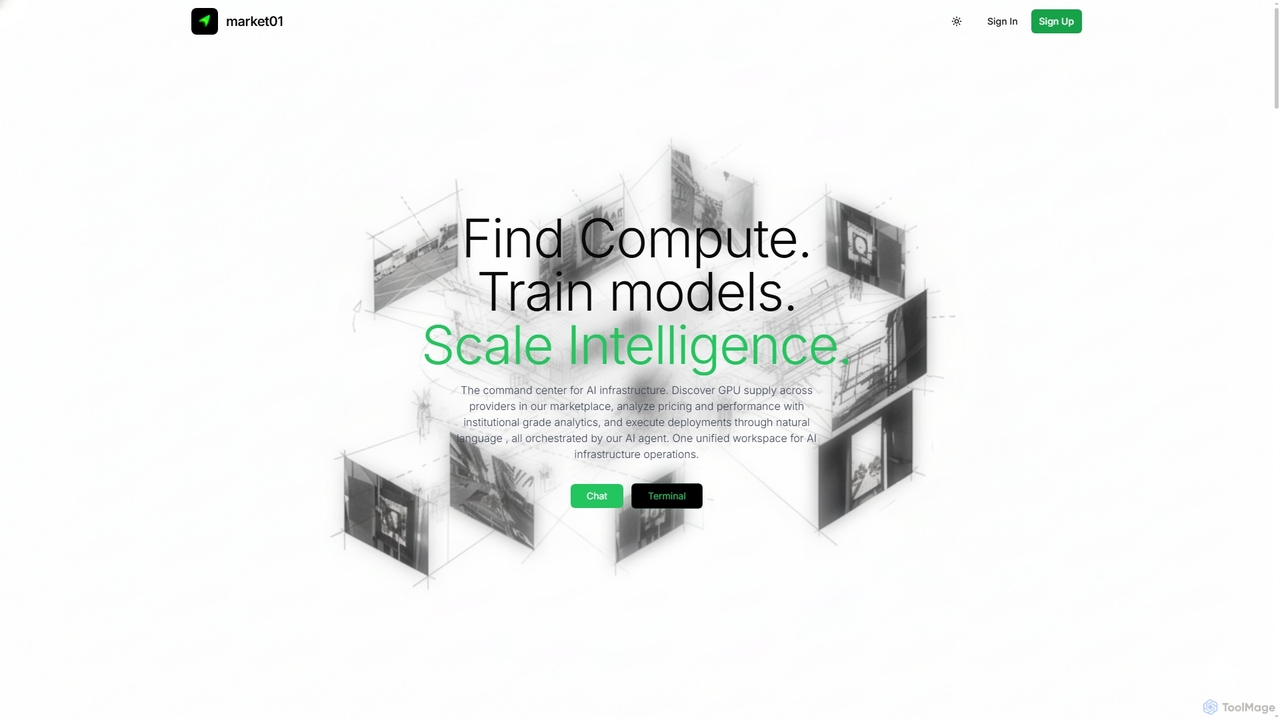
Market01 is an AI infrastructure command center that unifies GPU compute discovery, analysis, and deployment across multiple providers. It leverages an AI agent and natural language interface, Telos Chat, to simplify operations for training models and scaling intelligence.

Infrastructure Management
Visits 3.4KFavorites 119Likes 119

About Resource Optimization

Resource Optimization tools are AI-powered solutions that intelligently manage and allocate various resources to maximize efficiency and achieve specific objectives. These tools leverage machine learning algorithms, such as predictive analytics and reinforcement learning, to analyze complex data patterns and forecast resource demands. They enable organizations to reduce operational costs, improve performance, and make data-driven decisions in dynamic environments. By automating complex scheduling and allocation tasks, they transform traditional resource management into a proactive, intelligent process.

Core Features

  • Predictive Demand Forecasting: Anticipates future resource needs based on historical data and real-time trends.
  • Dynamic Resource Allocation: Automatically adjusts resource distribution in real-time to meet fluctuating demands.
  • Constraint-Based Scheduling: Optimizes schedules while adhering to predefined rules, capacities, and dependencies.
  • Performance Monitoring & Anomaly Detection: Tracks resource usage and identifies inefficiencies or potential issues.
  • Scenario Planning & Simulation: Models different resource strategies to evaluate their potential impact and outcomes.

Applicable Scenarios

Resource Optimization tools are applicable across various sectors, from optimizing cloud infrastructure and logistics networks to managing energy consumption and workforce scheduling. For instance, data centers use them to balance server loads, while manufacturing facilities apply them for production line scheduling and material flow management.

How to Choose

When selecting a Resource Optimization tool, consider its integration capabilities with existing systems, the types of resources it can manage, and the complexity of its optimization algorithms. Evaluate the tool's ability to handle real-time data, its customization options for specific business rules, and the clarity of its reporting and analytics features to ensure it meets your operational needs.

Featured tool rankings

Resource Optimization use cases

1

Optimizing Cloud Computing Costs

For IT managers and cloud architects, these tools analyze cloud resource usage patterns, identify idle or underutilized instances, and automatically scale resources up or down. This dynamic adjustment minimizes expenditure on cloud services while maintaining desired performance levels and preventing over-provisioning, leading to significant cost savings.

2

Enhancing Logistics and Supply Chain Efficiency

Logistics planners and supply chain managers use AI to optimize delivery routes, warehouse space allocation, and inventory levels. By predicting demand and managing fleet resources, these tools reduce transportation costs, minimize stockouts or overstocking, and improve overall delivery times and supply chain responsiveness.

3

Intelligent Workforce Scheduling

HR and operations managers in service industries (e.g., call centers, healthcare) deploy these tools to create optimal staff schedules. The AI balances workload, employee availability, skill sets, and regulatory compliance to meet service demands, reduce overtime costs, and improve employee satisfaction by ensuring fair and efficient shifts.

4

Energy Consumption Management in Smart Buildings

Facility managers utilize resource optimization to monitor and control HVAC, lighting, and other energy systems in commercial buildings. By learning usage patterns and external factors like weather, the AI minimizes energy waste, optimizes system performance, and significantly lowers utility bills while maintaining occupant comfort.

5

Optimizing Manufacturing Production Lines

Production managers in factories use these tools to schedule machine usage, material flow, and labor assignments. Based on order forecasts and machine capacities, the AI minimizes bottlenecks, reduces downtime, and maximizes throughput, leading to more efficient production and faster delivery of goods.

6

Network Bandwidth Allocation for Telecom Providers

Telecommunication companies employ resource optimization to dynamically allocate network bandwidth across different services and users. The AI ensures quality of service for critical applications (e.g., video conferencing, emergency services) while efficiently utilizing available network capacity, preventing congestion, and improving overall user experience.

Resource Optimization FAQ

What are Resource Optimization tools?

Resource Optimization tools are AI-driven solutions that apply machine learning to efficiently manage and allocate various resources, such as computing power, personnel, or inventory. They analyze data to predict needs and make intelligent decisions, aiming to reduce costs, improve performance, and enhance overall operational efficiency across an organization's assets and processes.

How do Resource Optimization tools leverage Machine Learning?

These tools utilize machine learning algorithms like predictive analytics to forecast resource demand, reinforcement learning to discover optimal allocation strategies through trial and error, and deep learning for complex pattern recognition. ML enables them to adapt to changing conditions, learn from past performance, and continuously improve optimization outcomes without explicit programming for every scenario.

What types of resources can these tools optimize?

Resource Optimization tools can manage a wide array of resources, including IT infrastructure (servers, network, storage), human capital (staffing, scheduling), physical assets (machinery, vehicles), energy consumption, inventory levels, and financial capital. Their applicability spans across virtually any measurable and manageable resource within an organization, making them highly versatile.

What are the key benefits of using AI for Resource Optimization?

The primary benefits include significant cost reduction through minimized waste and improved utilization, enhanced operational efficiency by automating complex decisions, better decision-making based on data-driven insights, and increased agility to respond to dynamic market conditions or unexpected events. AI-driven optimization also leads to improved sustainability and reduced environmental impact.

How do Resource Optimization tools differ from traditional resource management systems?

Traditional systems often rely on static rules, manual input, or basic heuristics, making them less adaptable to change. Resource Optimization tools, powered by AI, are dynamic and adaptive. They learn from data, predict future states, and make autonomous, intelligent adjustments in real-time, offering a level of sophistication and efficiency that traditional systems cannot match, especially in complex and volatile environments.