ToolMage
Sign in

Best 5 Ad Optimization AI tools for Marketing

Popular Ad Optimization AI tools in Marketing include TrustedClicks, Order Legend, Alace, Adfonic, and ShowStop, helping you work more efficiently.

Alace
Freemium

Alace

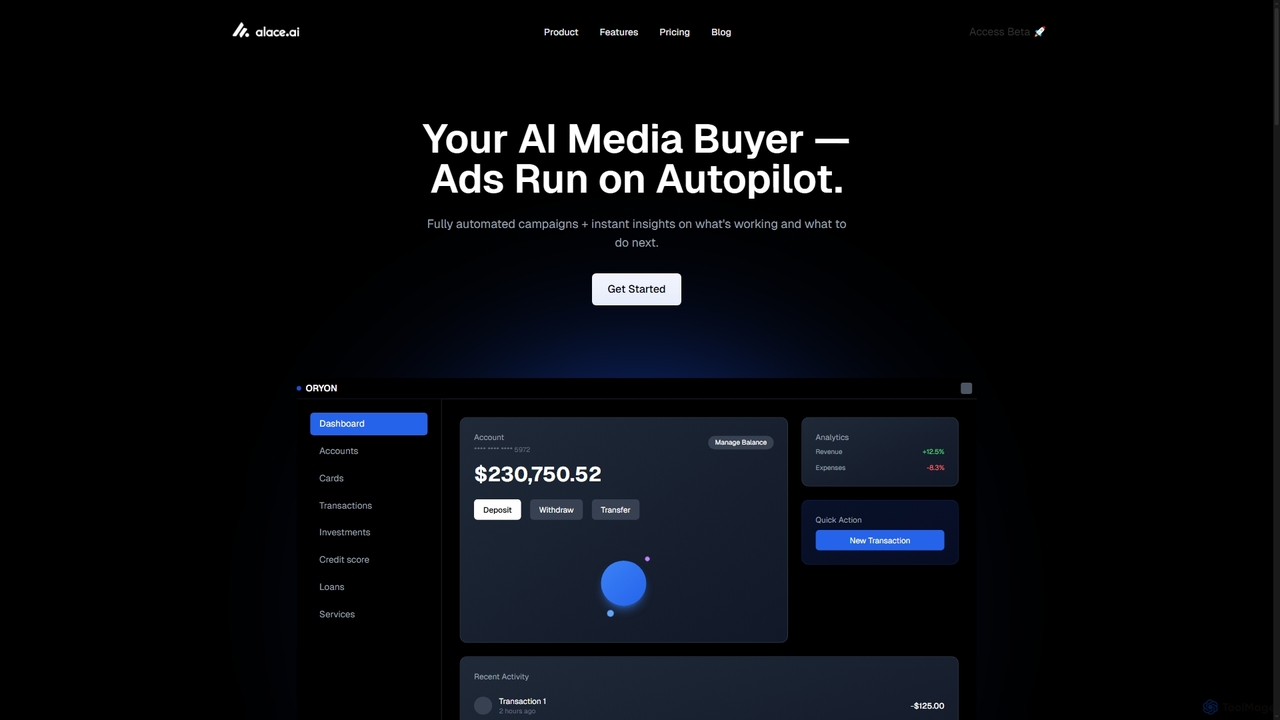
Alace is an AI-powered ad optimization platform that automates ad spend management, provides data-driven insights, and maximizes ROAS for businesses of all sizes, particularly for Meta Ads.

Performance Marketing
Visits 8KFavorites 73Likes 66
ShowStop
Paid

ShowStop

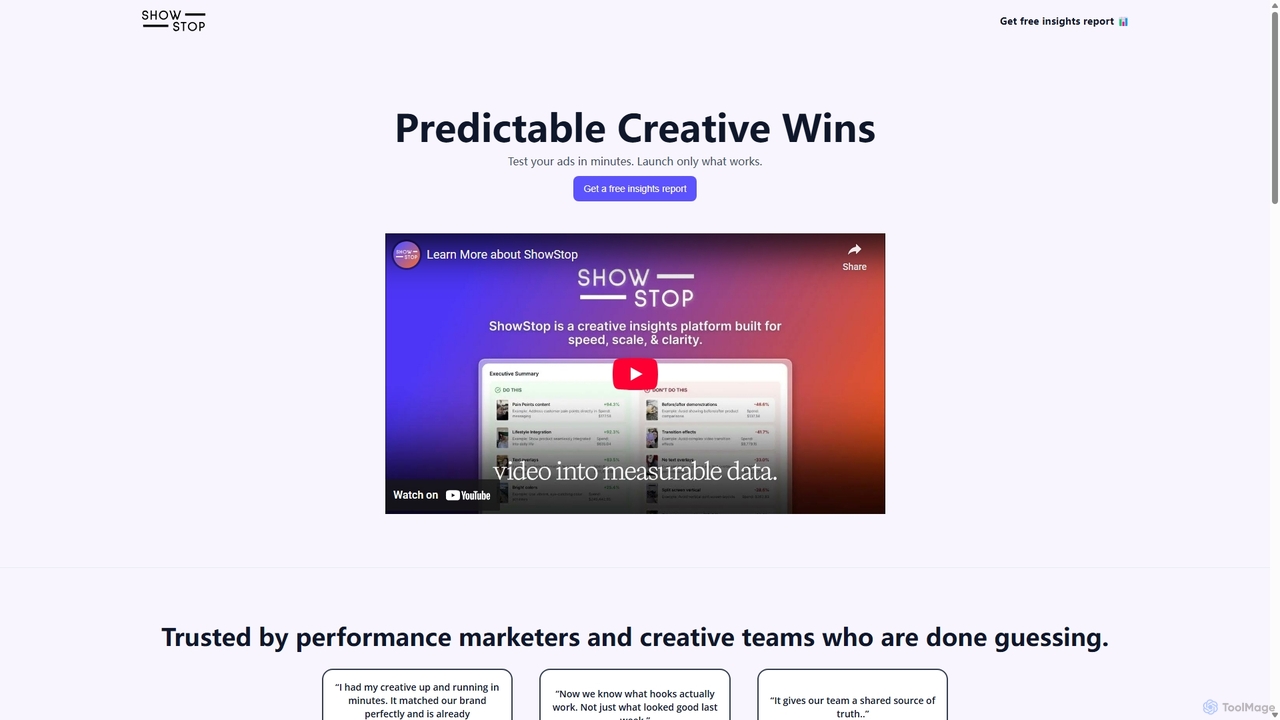
ShowStop is an AI-powered platform that tests and predicts the performance of ad creatives in minutes. It helps performance marketers and creative teams eliminate guesswork by analyzing hundreds of creative elements to forecast ROAS, identify winning ad components, and prevent ad fatigue before campaigns go live.

Predictive Analytics
Visits 6.5KFavorites 139Likes 141
Adfonic
Freemium

Adfonic

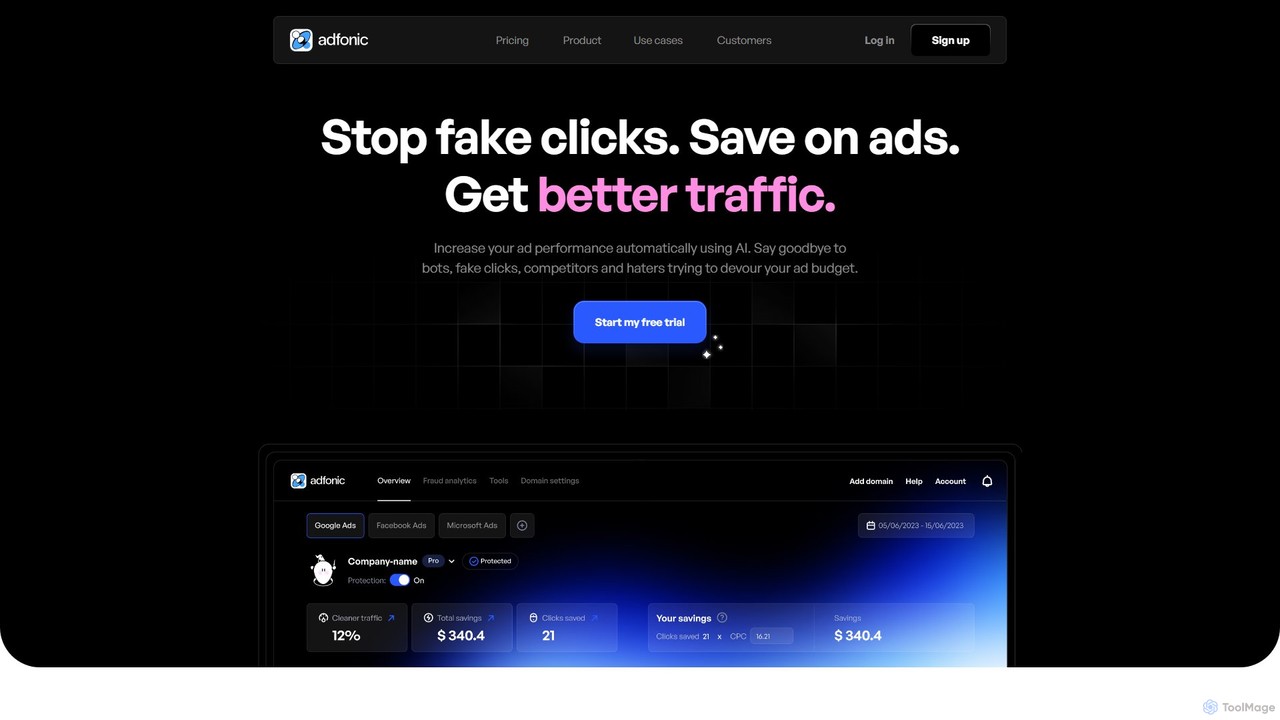
Adfonic is an AI-powered click fraud protection software designed to safeguard your advertising budget. It automatically detects and blocks invalid traffic, including bots, competitor clicks, and click farms, from your Google Ads and Facebook Ads campaigns. By filtering out wasteful clicks, Adfonic helps you save money, improve campaign data accuracy, and increase your overall return on investment (ROI) by ensuring your ads are seen by real, potential customers.

Ad Optimization
Visits 7.3KFavorites 133Likes 135
Order Legend
Paid

Order Legend

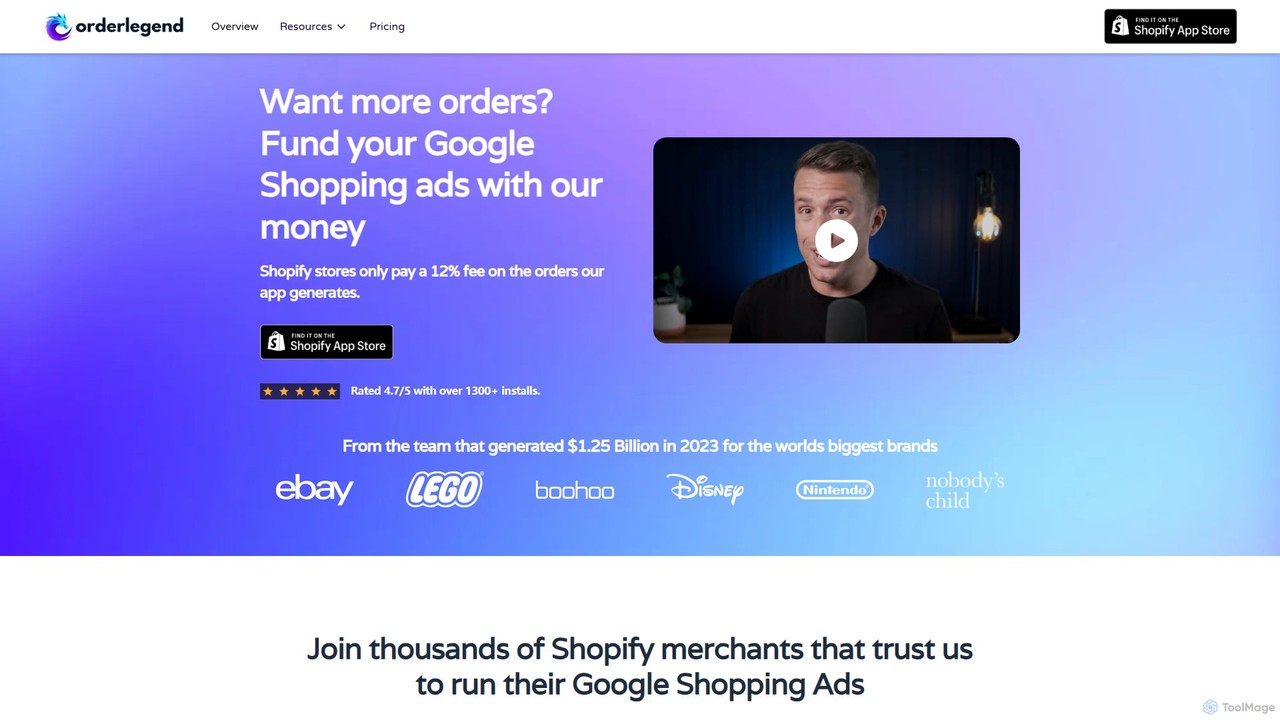
Order Legend is an AI-powered Shopify app that fully automates and optimizes Google Shopping ad campaigns. It operates on a risk-free, performance-based model (CPA), where you only pay for sales generated. This eliminates upfront ad spend risk and leverages advanced AI to maximize your Return on Ad Spend (ROAS) with zero technical expertise required.

Advertising
Visits 9.6KFavorites 148Likes 155
TrustedClicks
Freemium

TrustedClicks

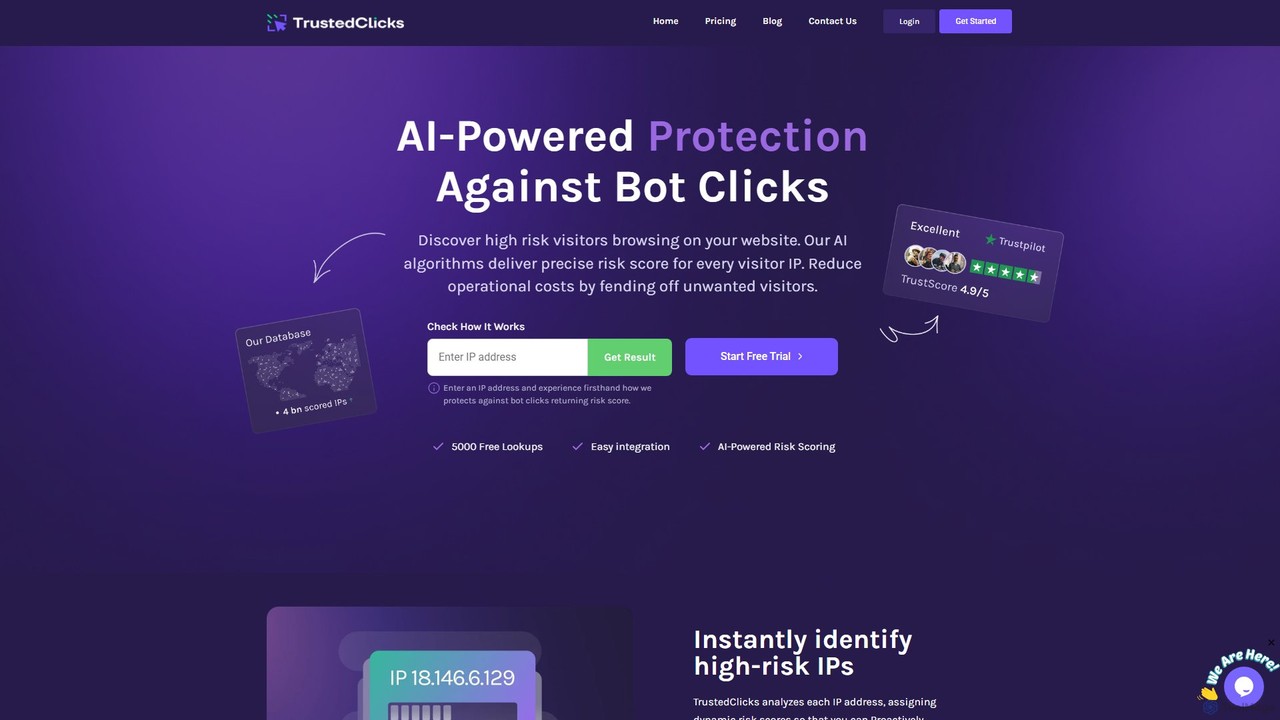
TrustedClicks is an AI-powered IP scoring and fraud detection platform. It protects businesses from online threats like click fraud, bot traffic, and malicious activities by analyzing visitor IPs in real-time. By assigning a dynamic risk score to each IP, it helps companies block unwanted visitors, reduce operational costs, and ensure only genuine traffic interacts with their digital assets.

Api
Visits 10.7KFavorites 160Likes 160

About Ad Optimization

Ad Optimization AI tools are specialized platforms that leverage artificial intelligence to enhance the performance and efficiency of digital advertising campaigns. These tools analyze vast datasets, predict optimal targeting, bidding strategies, and creative elements, enabling marketers to maximize return on ad spend (ROAS) and achieve campaign goals more effectively within the broader marketing landscape. They automate complex tasks and provide data-driven insights to continuously improve campaign outcomes.

Core Features

  • Automated Bidding: AI algorithms dynamically adjust bids in real-time across various ad platforms to secure optimal placements and costs.
  • Audience Targeting: Identifies high-value audience segments based on behavioral data, demographics, and psychographics for precise ad delivery.
  • Creative Optimization: Analyzes ad copy, images, and videos to predict performance and suggest improvements for higher engagement rates.
  • Budget Allocation: Intelligently distributes advertising budgets across different channels and campaigns to maximize overall impact.
  • Performance Forecasting: Predicts future campaign outcomes based on historical data and market trends, aiding strategic planning.

Applicable Scenarios

Digital marketing agencies utilize these tools to manage multiple client campaigns efficiently, ensuring optimal performance and reporting. E-commerce businesses employ them to drive sales by targeting potential customers with highly relevant product ads. Large enterprises use them for complex, multi-channel campaigns to maintain brand visibility and acquire new leads cost-effectively.

How to Choose

When selecting an Ad Optimization AI tool, consider its compatibility with your existing ad platforms (e.g., Google Ads, Facebook Ads), the depth of its analytical capabilities, and the level of automation it offers. Evaluate its reporting features for clarity and actionable insights, and assess its pricing model relative to your budget and expected ROAS improvements.

Ad Optimization use cases

1

Maximizing ROAS for E-commerce Product Launches

An e-commerce marketing manager uses an Ad Optimization AI tool to launch a new product line. The tool automatically identifies high-potential customer segments, optimizes bidding for specific keywords and demographics across Google Shopping and Facebook Ads, and dynamically adjusts budget allocation to top-performing campaigns. This ensures maximum visibility and conversions, significantly boosting sales during the critical launch phase.

2

Real-time Bid Adjustment for High-Volume Search Campaigns

A performance marketing specialist managing large-scale Google Ads campaigns leverages AI for real-time bid adjustments. The tool continuously monitors competitor bids, search query performance, and conversion rates, automatically modifying bids every few minutes. This proactive approach ensures ads remain competitive and cost-efficient, preventing overspending on underperforming keywords and capturing valuable impressions.

3

A/B Testing and Optimization of Ad Creatives

A content creator for a SaaS company utilizes an Ad Optimization platform to test multiple versions of ad creatives (headlines, images, call-to-actions). The AI analyzes user engagement metrics for each variant, identifies the best-performing combinations, and automatically prioritizes them for display. This iterative optimization process leads to higher click-through rates and lower cost-per-acquisition.

4

Cross-Channel Budget Allocation for Lead Generation

A B2B marketing team aims to generate qualified leads across LinkedIn, Google Display Network, and industry-specific ad platforms. An Ad Optimization AI tool allocates the budget dynamically across these channels based on real-time lead quality and conversion rates. It shifts spend from underperforming channels to those delivering the highest ROI, ensuring efficient lead acquisition.

5

Personalized Ad Delivery for Customer Retention

A subscription service company uses Ad Optimization AI to re-engage dormant customers or upsell existing ones. The tool segments customers based on their past behavior and subscription status, then delivers personalized ads with tailored offers or relevant content. This targeted approach improves customer retention rates and increases customer lifetime value by showing the right message to the right person.

6

Identifying and Eliminating Ad Fraud and Waste

A digital advertising agency employs an Ad Optimization solution with fraud detection capabilities. The AI monitors ad impressions and clicks for suspicious patterns, such as bot traffic or click farms, and automatically blocks fraudulent sources. This protects the ad budget from waste, ensuring that impressions and clicks come from genuine potential customers, thereby improving campaign integrity and efficiency.

Ad Optimization FAQ

What are Ad Optimization AI tools?

Ad Optimization AI tools are software solutions that use artificial intelligence to automate and enhance various aspects of digital advertising campaigns. They analyze vast amounts of data to predict optimal strategies for targeting, bidding, creative selection, and budget allocation. Their core purpose is to maximize campaign performance, improve return on ad spend (ROAS), and reduce manual effort for marketers.

How do Ad Optimization AI tools improve campaign performance?

These tools improve performance by providing data-driven insights and automation. They can identify the most effective audience segments, dynamically adjust bids in real-time for better ad placement, optimize ad creatives for higher engagement, and intelligently allocate budgets across channels. This leads to more efficient spending, higher conversion rates, and a better overall return on investment.

What's the difference between general marketing automation and Ad Optimization AI?

General marketing automation focuses on streamlining broader marketing tasks like email campaigns, social media scheduling, and lead nurturing. Ad Optimization AI, while part of the marketing tech stack, is specifically designed to enhance paid advertising efforts. It delves into granular ad performance data, bidding algorithms, and creative testing to directly impact ad campaign efficiency and ROAS, rather than broader customer journey automation.

Who benefits most from using Ad Optimization AI tools?

Digital marketing agencies, e-commerce businesses, large enterprises running extensive ad campaigns, and performance marketers benefit significantly. These tools are particularly valuable for those managing complex, multi-channel campaigns with large budgets, where manual optimization is time-consuming and prone to human error. They help scale efforts, improve efficiency, and achieve better results.

What factors should I consider when choosing an Ad Optimization AI tool?

Key factors include compatibility with your primary ad platforms (e.g., Google Ads, Facebook Ads, LinkedIn Ads), the specific optimization features offered (e.g., bidding, targeting, creative, budget), and the accuracy of its predictive analytics. Also, consider its ease of integration with your existing marketing stack, the quality of its reporting and analytics dashboards, pricing structure, and customer support.