ToolMage
Sign in

Best 2 Ad Tech AI tools for Marketing

Popular Ad Tech AI tools in Marketing include inPowered and AdsOn, helping you work more efficiently.

AdsOn
Freemium

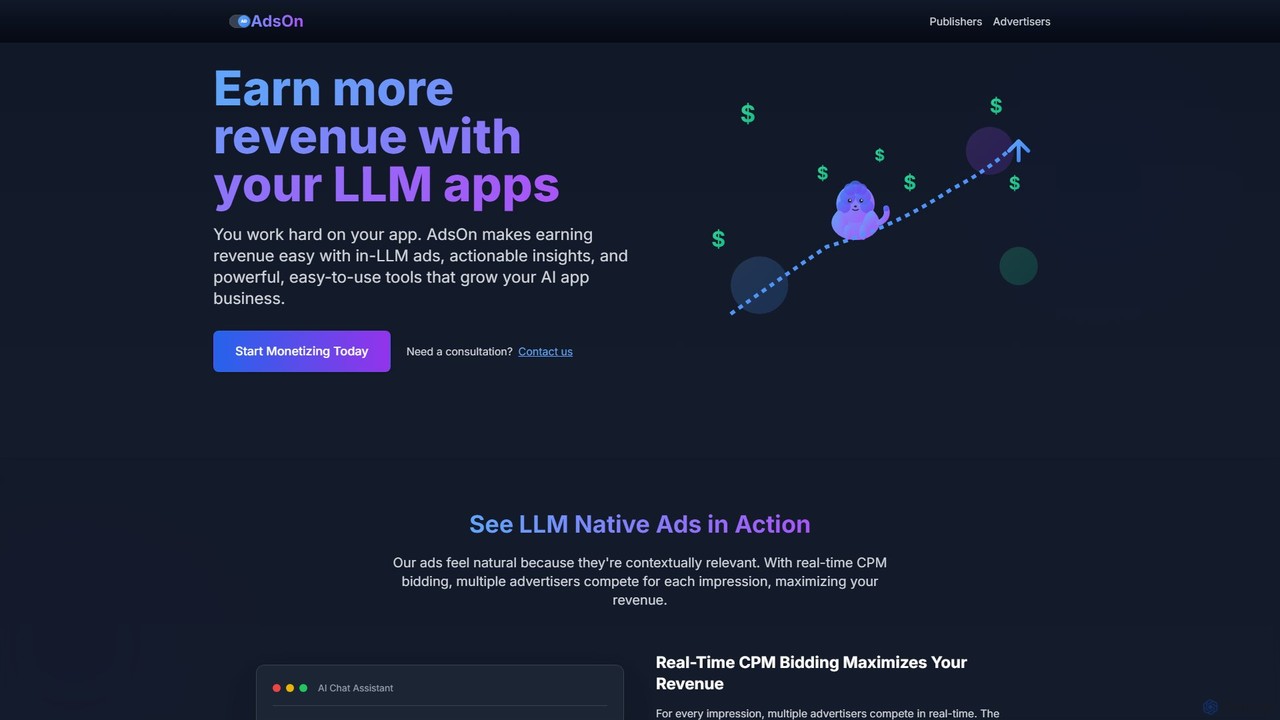
AdsOn

AdsOn is a monetization platform designed for LLM applications. It enables developers to easily integrate context-aware, native ads into their AI tools, creating a new revenue stream. For advertisers, it offers a unique channel to reach high-intent users through non-intrusive, helpful recommendations within AI conversations, boasting high engagement and click-through rates.

Api & Sdk
Visits 7KFavorites 122Likes 124
inPowered
Paid

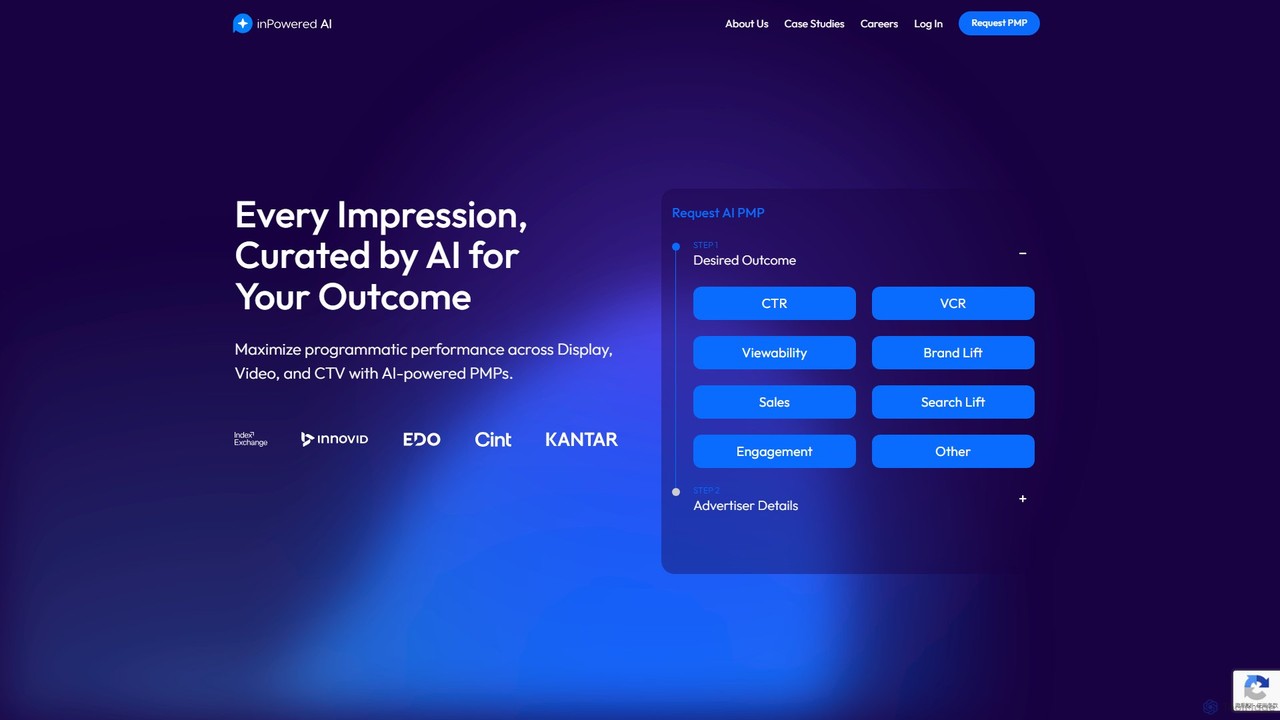
inPowered

inPowered is an AI-powered advertising platform that maximizes programmatic performance across Display, Video, and CTV. It uses AI-driven Private Marketplaces (PMPs) to curate every ad impression, optimizing for specific outcomes like CTR, VCR, brand lift, and sales, delivering significant KPI uplifts for brands and agencies.

Programmatic
Visits 9.4KFavorites 132Likes 137

About Ad Tech

Ad Tech (Advertising Technology) tools are a specialized category of marketing software using AI to automate and optimize the buying, selling, and delivery of digital advertisements. These platforms leverage machine learning to analyze vast datasets for predictive audience targeting, real-time bidding, and personalized ad creative generation. The primary value of AI Ad Tech is to increase campaign efficiency, improve return on ad spend (ROAS), and deliver more relevant ad experiences to consumers at scale.

Core Features

  • Predictive Targeting: Analyzes user data to identify and target audiences most likely to convert.
  • Automated Bidding: Uses algorithms to automatically bid on ad inventory in real-time auctions.
  • Dynamic Creative Optimization (DCO): Assembles personalized ad elements like images and text for individual users.
  • Performance Analytics: Provides deep insights into campaign performance and multi-touch attribution.
  • Fraud Detection: Identifies and blocks invalid traffic to protect ad spend.

Use Cases

AI Ad Tech is crucial for digital marketers, media buyers, and e-commerce managers. It is commonly used for running large-scale programmatic advertising campaigns, retargeting website visitors with personalized product ads, and optimizing ad spend across multiple channels like social media, search, and display networks.

How to Choose

When selecting an Ad Tech tool, evaluate its integration capabilities with your existing marketing stack (e.g., CRM, analytics). Consider the supported ad channels, the transparency of its bidding and reporting processes, and whether its pricing model (e.g., percentage of spend, flat fee) aligns with your budget and campaign scale.

Ad Tech use cases

1

Automate Programmatic Ad Campaigns

For media buyers managing multiple client accounts, AI Ad Tech platforms automate the entire real-time bidding (RTB) process. Instead of manually setting bids for thousands of placements, the AI analyzes performance data to automatically adjust bids, allocating budget to the best-performing channels and audiences. This significantly reduces manual workload and improves the overall return on ad spend (ROAS) by making millions of optimized decisions per second.

2

Personalize E-commerce Retargeting Ads

An e-commerce brand uses AI Ad Tech to combat cart abandonment. The tool integrates with their product catalog and website visitor data. When a user leaves without purchasing, the system automatically generates and serves dynamic ads on social media or other websites, showcasing the exact products they viewed, along with personalized recommendations or a limited-time discount, increasing the likelihood of conversion.

3

Optimize Mobile App User Acquisition

Mobile game developers leverage Ad Tech platforms to acquire high-value users. The AI analyzes in-app behavior of existing players to build lookalike audiences of people who are most likely to make in-app purchases. It then automates ad buying across various mobile ad networks to target these specific segments, optimizing the campaign for a lower cost per install (CPI) and a higher lifetime value (LTV).

4

Enhance Brand Awareness Campaign Reach

A large consumer brand launching a new product uses AI Ad Tech to maximize reach among its target demographic. The platform's AI helps identify the most cost-effective combination of publishers and ad formats (video, display, native) to reach the desired audience. It also manages ad frequency to prevent ad fatigue, ensuring the brand message is seen by the right people the optimal number of times.

5

Prevent Ad Budget Waste with Fraud Detection

A company spending significantly on display advertising uses an Ad Tech tool with built-in AI fraud detection. The system continuously monitors traffic sources in real-time, identifying and blocking bots, click farms, and other forms of invalid traffic before a bid is even made. This ensures that the advertising budget is spent on reaching real human users, protecting the investment and providing more accurate campaign performance data.

6

A/B Test Ad Creatives at Scale

A marketing team wants to find the most effective ad copy and imagery. Instead of manually setting up dozens of A/B tests, they use a Dynamic Creative Optimization (DCO) feature within their Ad Tech platform. They upload multiple headlines, images, and calls-to-action. The AI then automatically combines these elements, tests thousands of variations, and allocates more budget to the top-performing combinations, accelerating the optimization process.

Ad Tech FAQ

What is AI Ad Tech?

AI Ad Tech refers to software and platforms that use artificial intelligence to automate and enhance digital advertising processes. Its core function is to make data-driven decisions at scale, from targeting the right audience and automatically bidding for ad space to personalizing ad content in real-time. This technology helps advertisers improve efficiency and maximize their return on investment.

How do I choose the right AI Ad Tech tool?

To choose the right tool, first define your primary goal (e.g., user acquisition, retargeting, brand awareness). Then, consider these factors:

  • Channel Support: Ensure it supports the channels you use (social, search, display, video).
  • Integrations: Check if it connects with your CRM, analytics, and e-commerce platforms.
  • Transparency: Look for clear reporting on media costs and performance data.
  • Pricing Model: Evaluate if its pricing (e.g., percentage of ad spend, subscription) fits your budget.

What is the difference between Ad Tech and MarTech?

Ad Tech (Advertising Technology) is a subset of MarTech (Marketing Technology) focused specifically on paid advertising. Ad Tech tools manage the process of buying, placing, and measuring ads on external sites (e.g., programmatic ad platforms, demand-side platforms). MarTech is a broader category that includes tools for managing owned media and customer relationships, such as CRM, email marketing, and SEO platforms.

What are the key functions of AI in Ad Tech?

AI performs several critical functions in Ad Tech. Key examples include:

  • Predictive Analytics: Forecasting which users are most likely to convert.
  • Real-Time Bidding (RTB): Automating the auction process for buying ad space.
  • Dynamic Creative Optimization (DCO): Personalizing ad visuals and text for each viewer.
  • Attribution Modeling: Determining which ad touchpoints led to a conversion.
  • Fraud Detection: Identifying and blocking non-human traffic.

Who should use AI Ad Tech tools?

AI Ad Tech tools are most beneficial for professionals and businesses heavily involved in digital advertising. This includes digital marketing agencies managing multiple client campaigns, e-commerce companies running performance-based advertising, media buyers at large brands, and mobile app developers focused on user acquisition. Essentially, anyone looking to automate and optimize significant ad spend can benefit.