ToolMage
Sign in

Best 26 Api & Sdk AI tools for Developer Tools

Popular Api & Sdk AI tools in Developer Tools include Vapi, LiveKit, VideoSDK, TwelveLabs, Tencent RTC, Liveblocks, Bria, Oso, MirrorFly, and Graphlit, helping you work more efficiently.

Substrate
Freemium

Substrate

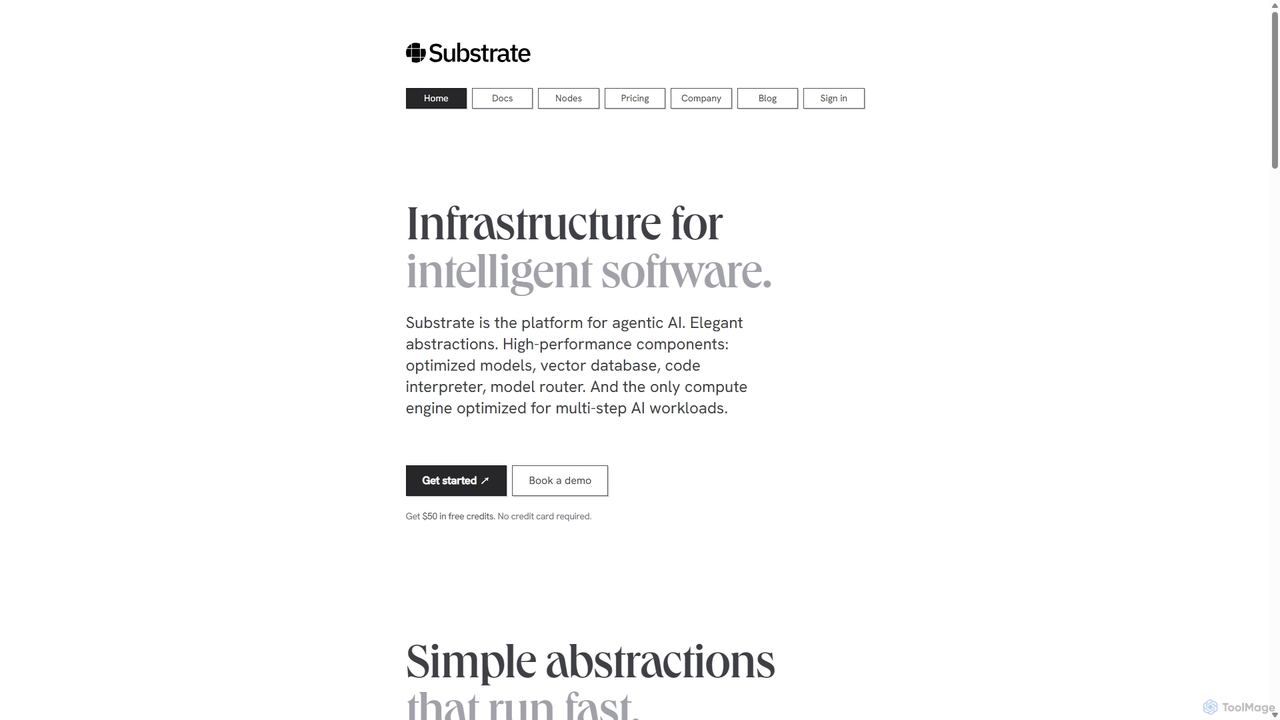
Substrate is a developer platform for building high-performance, agentic AI applications. It provides elegant SDKs, a comprehensive library of optimized models, and a unique compute engine that orchestrates complex, multi-step AI workflows for maximum speed and efficiency.

Api & Sdk
Visits 9.2KFavorites 137Likes 125
Vapi
Freemium

Vapi

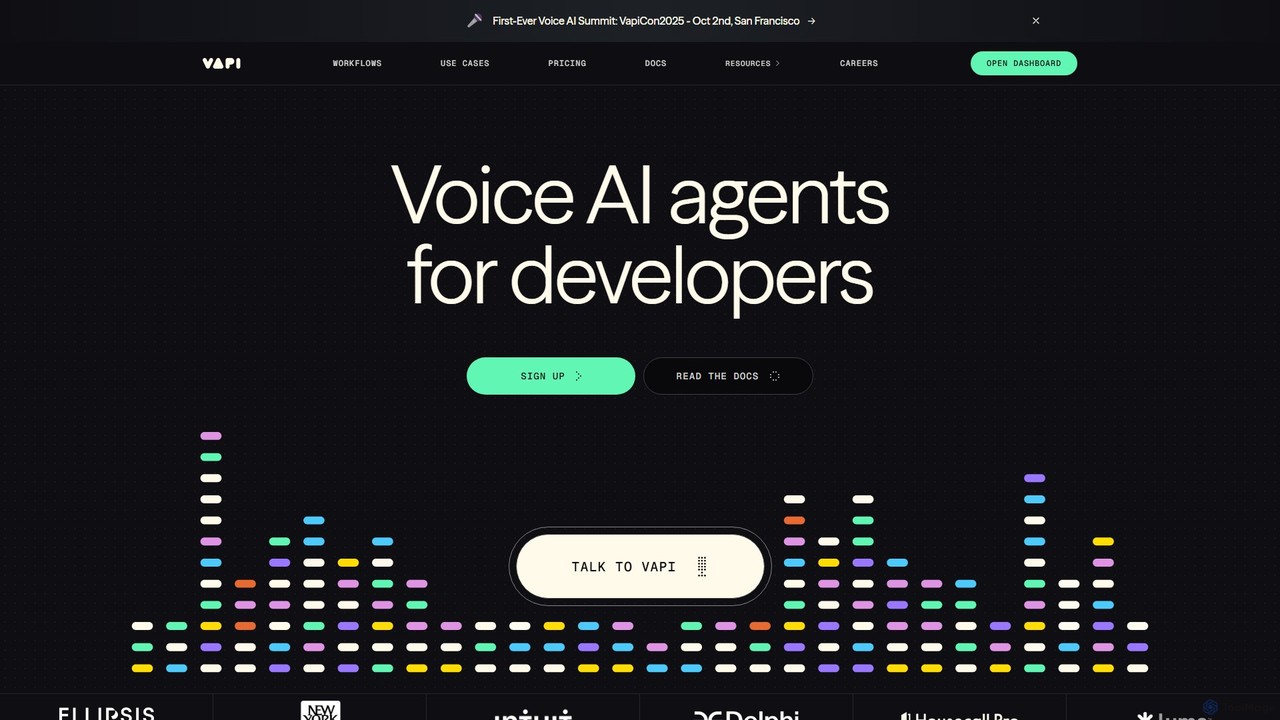
Vapi is a developer-first API platform for building, deploying, and scaling advanced, human-like voice AI agents. It enables the creation of sophisticated conversational AI for inbound/outbound calls, in-app assistants, and more, with ultra-low latency and high configurability.

Voice Assistant
Visits 981.1KFavorites 161Likes 158
Sensible
Freemium

Sensible

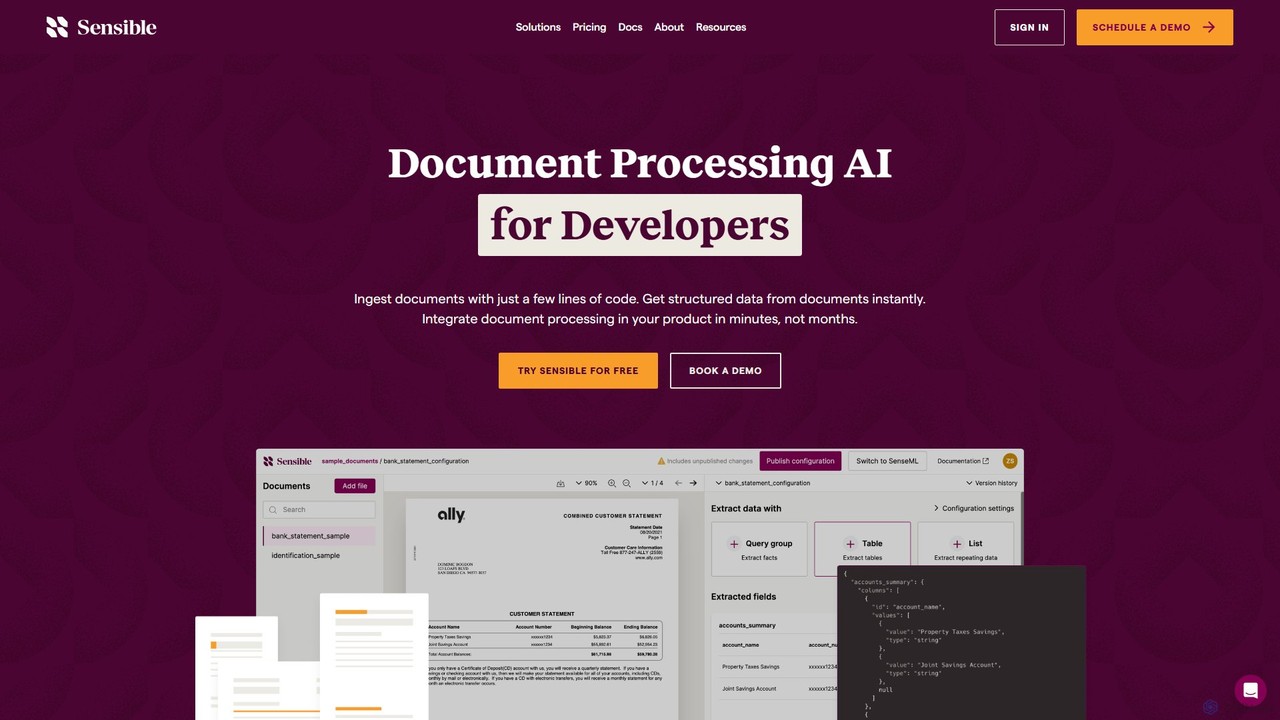
Sensible is an API-first intelligent document processing platform for developers. It uses advanced LLM parsing and visual layout-based rules to accurately extract structured data from any document, such as PDFs, images, and spreadsheets. It's designed for seamless integration, scalability, and enterprise-grade security, including SOC 2 and HIPAA compliance.

Automation
Visits 15.9KFavorites 140Likes 115
TwelveLabs
Freemium

TwelveLabs

TwelveLabs is a powerful multimodal AI platform for video understanding. It provides APIs and SDKs for developers to build applications that can search, analyze, and generate text from video content. By understanding visuals, audio, and speech, it unlocks deep insights from large video libraries.

Api & Sdk
Visits 156.8KFavorites 129Likes 132
Oso
Freemium

Oso

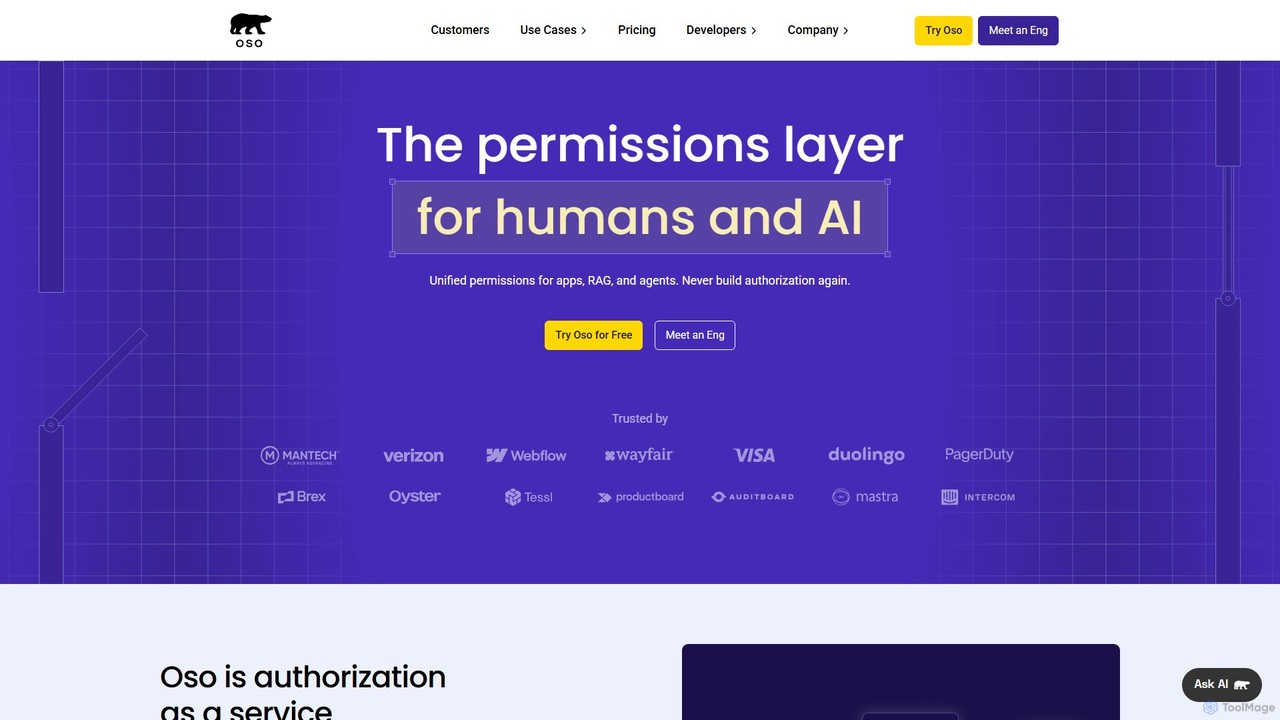
Oso is an Authorization as a Service platform for developers. It simplifies the implementation of complex access control logic like RBAC, ReBAC, and ABAC. Using its declarative policy language, Polar, engineering teams can quickly build and enforce fine-grained permissions for any application, including modern AI-native apps with agentic workflows and RAG systems, accelerating development and enhancing security.

Security
Visits 65.8KFavorites 110Likes 98
Conva.AI
Freemium

Conva.AI

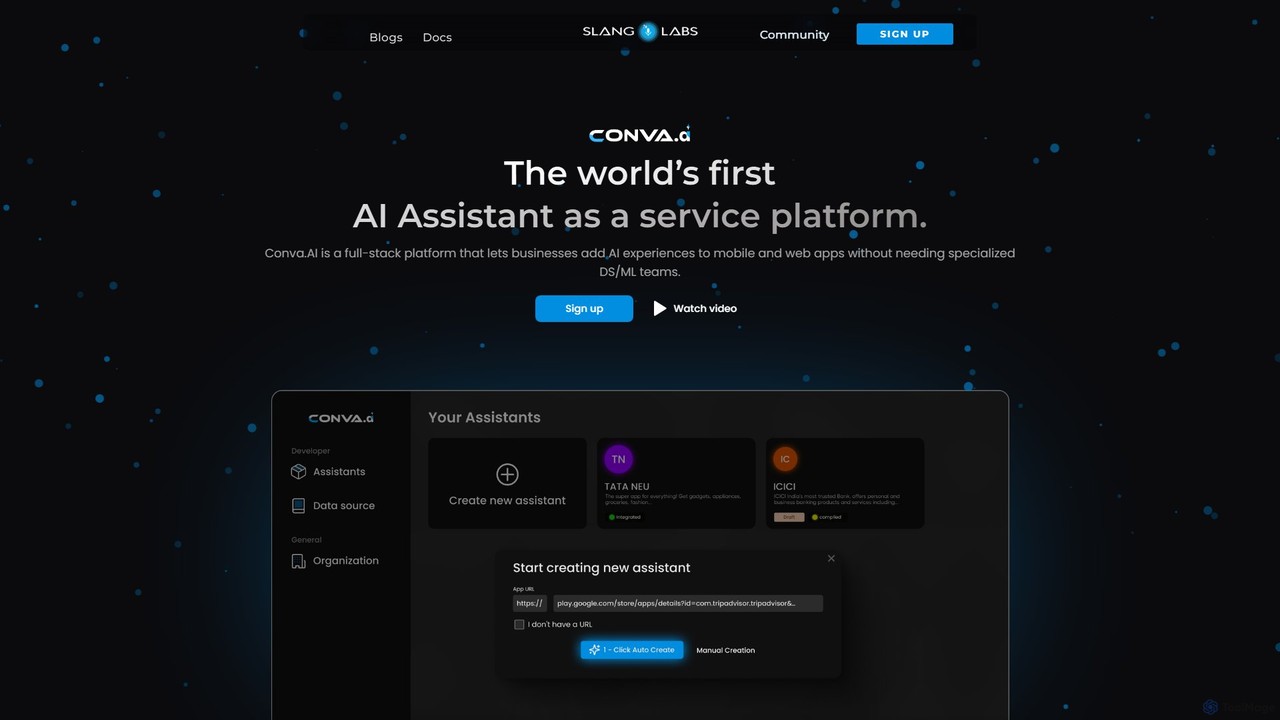
Conva.AI by Slang Labs is a pioneering AI Assistant-as-a-Service platform, backed by Google. It empowers developers to seamlessly integrate powerful, multilingual conversational AI and voice assistants into any mobile or web application using robust SDKs and APIs. This enhances user experience, boosts engagement, and improves accessibility by enabling natural language commands for in-app actions.

Chatbot
Visits 6.3KFavorites 137Likes 125
Graphlit
Freemium

Graphlit

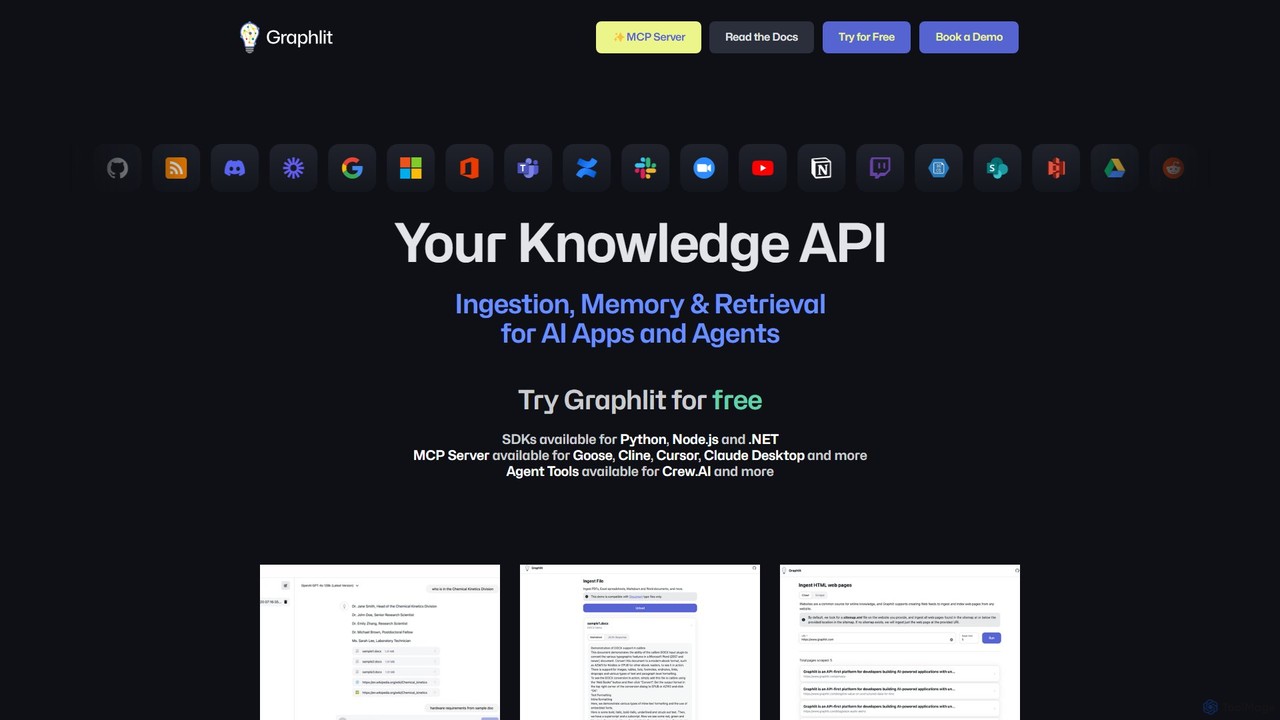
Graphlit is a developer-focused Knowledge API platform for building AI applications and agents. It streamlines the ingestion, memory, and retrieval of unstructured data from any source, offering a powerful RAG-as-a-Service solution. With SDKs for major languages and tools for AI agent integration, it simplifies the creation of sophisticated AI systems.

Rag
Visits 17.7KFavorites 157Likes 131
kby_ai
Paid

kby_ai

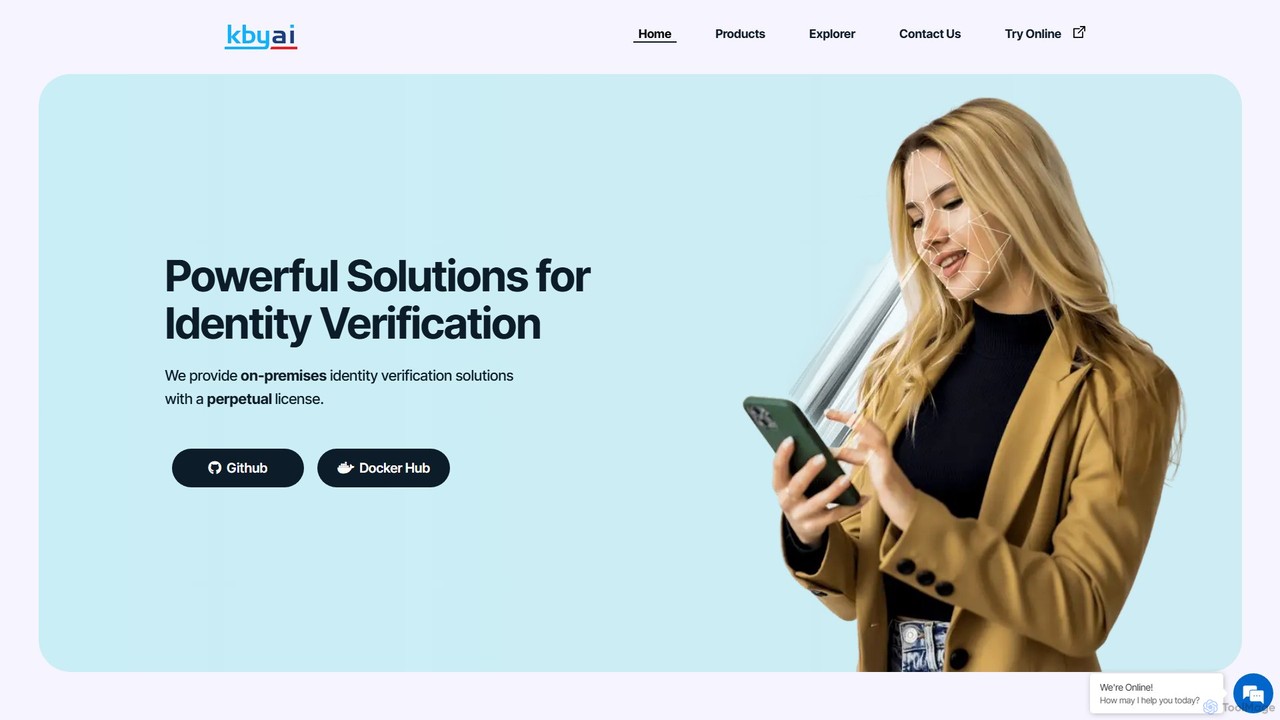
KBY-AI provides high-accuracy, on-premises identity verification SDKs with a perpetual license. Its solutions include NIST-ranked face recognition, 3D liveness detection, ID document scanning, and palm recognition. The SDKs work fully offline, support multiple platforms, and are designed for easy integration into applications for KYC, security, and access control.

Api & Sdk
Visits 15.1KFavorites 139Likes 154
FacePlugin
Paid

FacePlugin

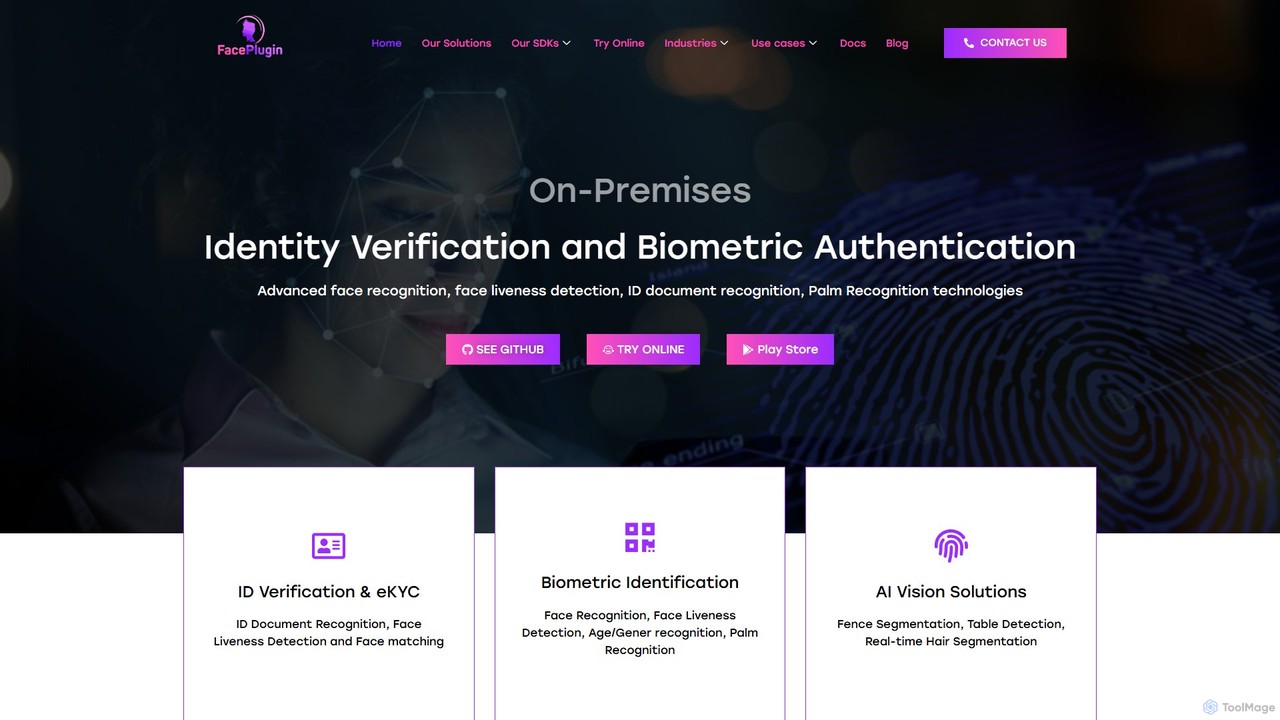
FacePlugin offers advanced, on-premise SDKs for identity verification, featuring face recognition, passive liveness detection, and ID document analysis. It provides a robust, secure, and developer-friendly solution for eKYC, biometric authentication, and fraud prevention, ensuring data privacy by processing information on-site or on-device.

Api & Sdk
Visits 10.3KFavorites 112Likes 114
getnuvo
Freemium

getnuvo

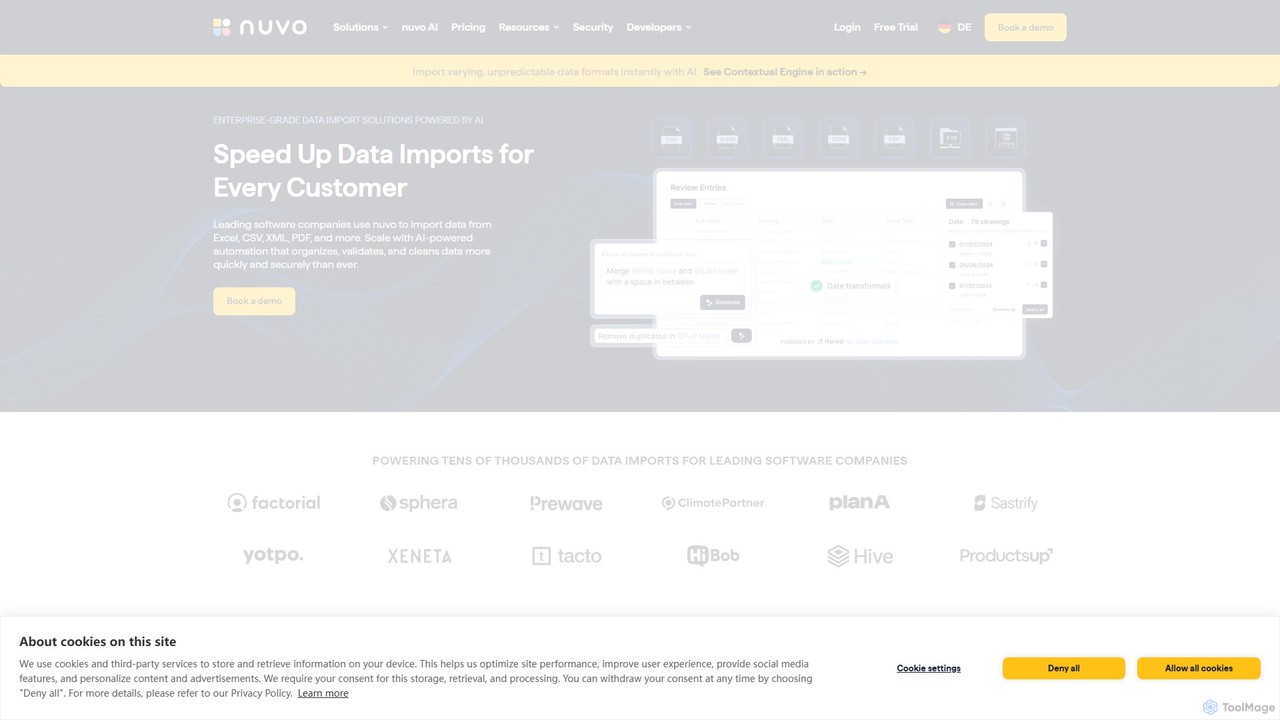
getnuvo is an AI-powered data import solution for SaaS businesses. It provides an embeddable SDK and automated pipelines to instantly import, map, clean, and validate customer data from any format (CSV, Excel, JSON, etc.). This streamlines customer onboarding, reduces manual effort, and saves developer resources.

Customer Onboarding
Visits 6.3KFavorites 123Likes 138
Helpbar
Freemium

Helpbar

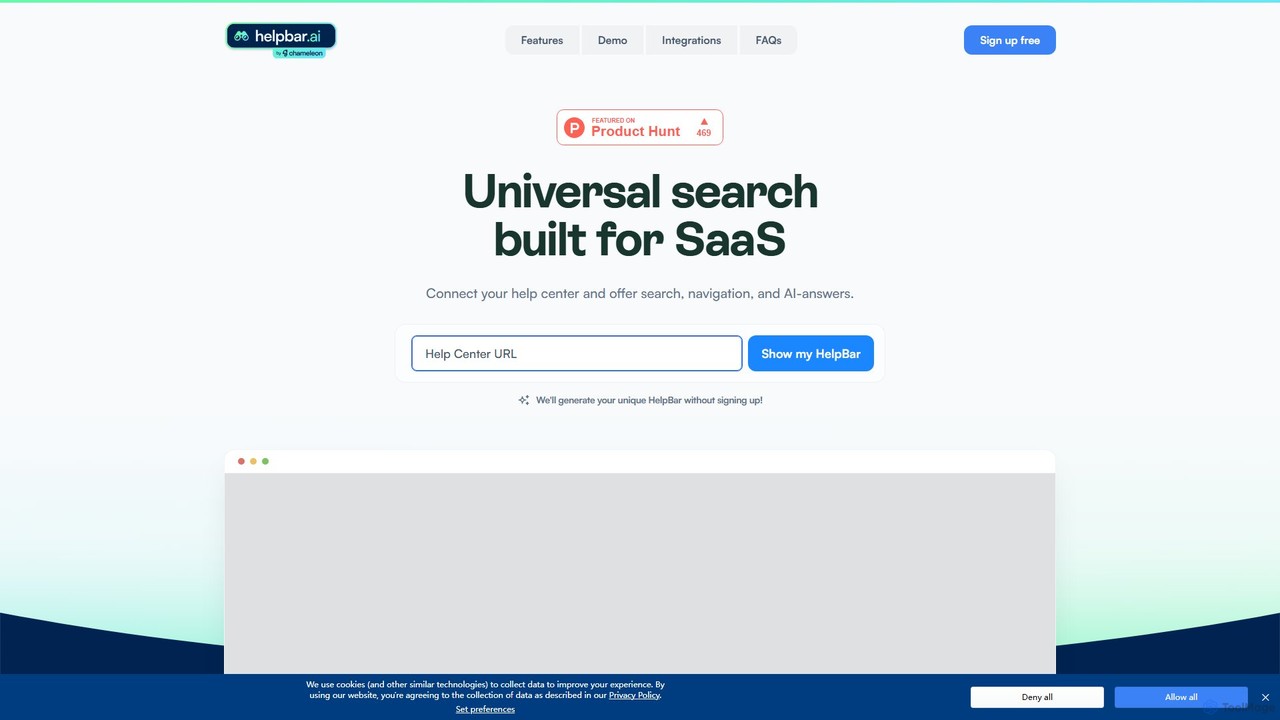
Helpbar is an AI-powered universal search bar (Cmd+K) for SaaS applications. It allows users to find help content, navigate pages, and execute actions instantly from a single interface. By integrating with your knowledge base, docs, and other tools, Helpbar enhances user onboarding, reduces support tickets, and improves overall in-app user experience, turning new users into power users.

Self Service
Visits 6.7KFavorites 138Likes 131
LiveKit
Freemium

LiveKit

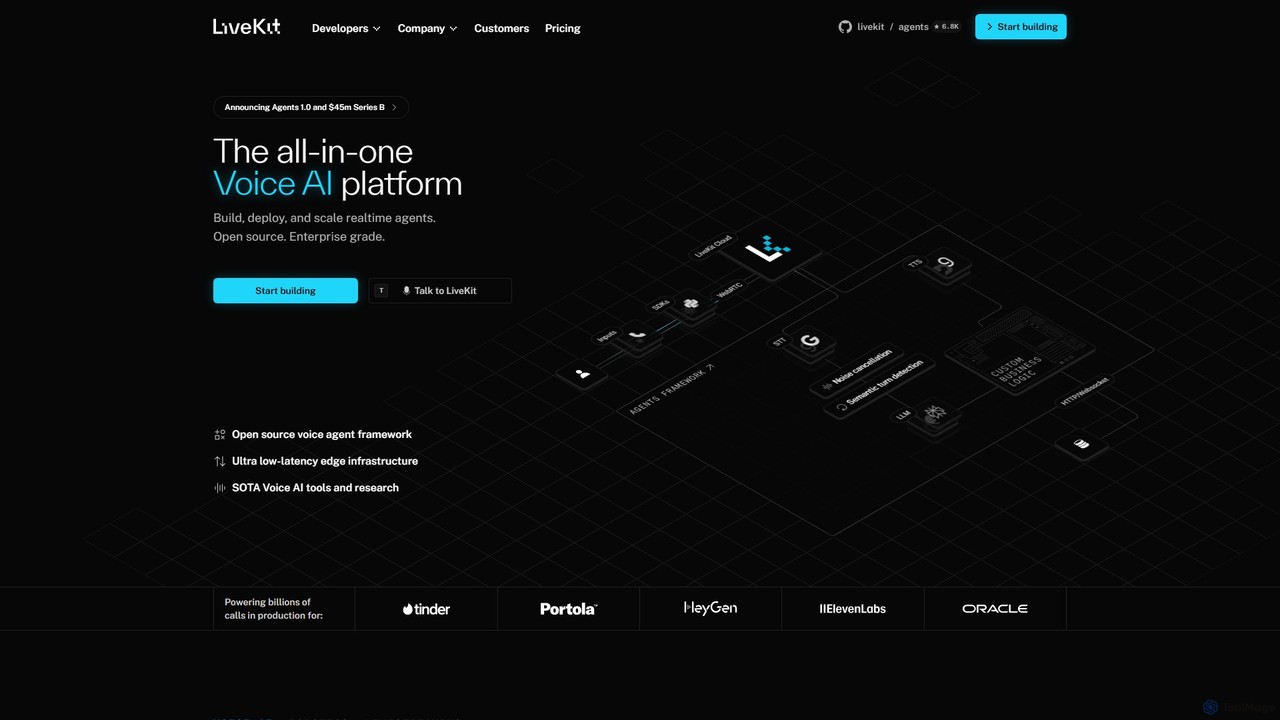
LiveKit is an all-in-one, open-source platform for building, deploying, and scaling real-time voice and video AI agents. It provides ultra-low latency infrastructure, powerful APIs, and state-of-the-art AI tools to enable developers to create conversational AI, robotics, and live streaming applications with enterprise-grade reliability and scalability.

Real Time Communication
Visits 546.2KFavorites 169Likes 171
Recognito
Paid

Recognito

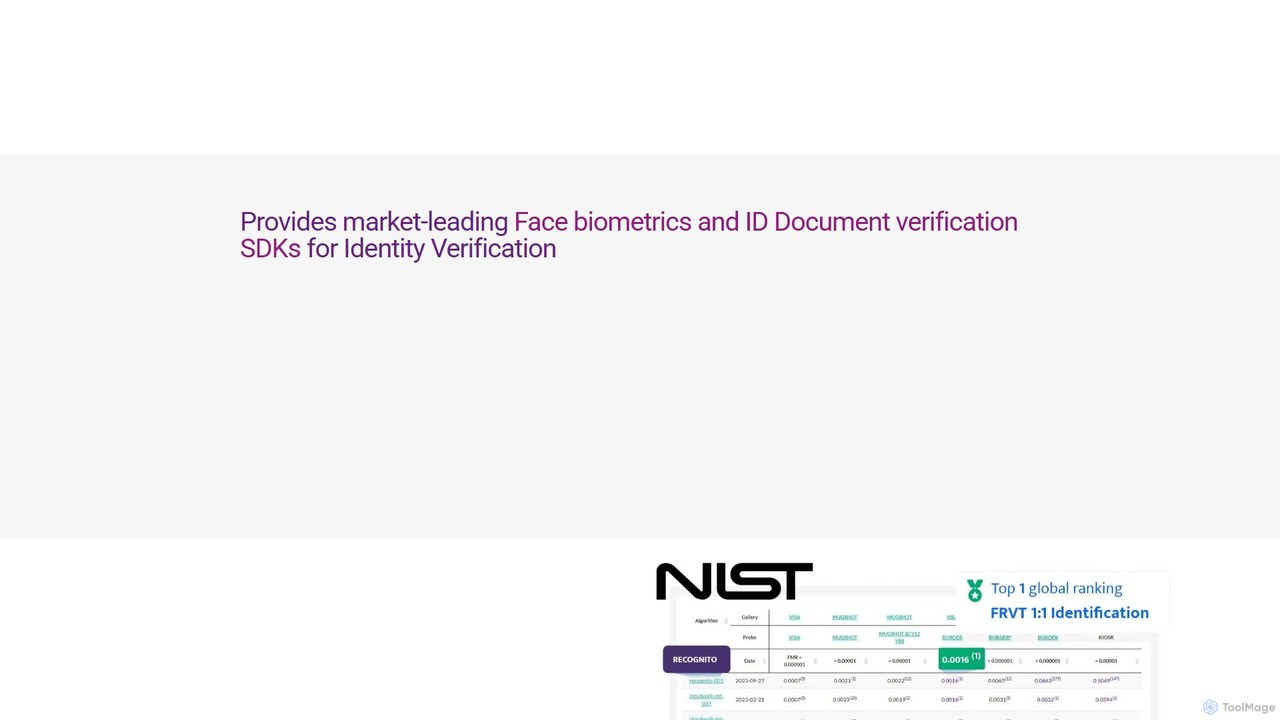
Recognito offers top-tier, NIST-certified face recognition and ID verification SDKs. It provides solutions for 1:1 and 1:N facial matching, 3D passive liveness detection, and deepfake prevention. Supporting over 14,000 document types, its SDKs are designed for easy integration into Windows, Linux, Android, and iOS applications, ensuring high accuracy and security for industries like banking, healthcare, and government. It offers on-premise and offline deployment for complete data privacy.

Api & Sdk
Visits 9.4KFavorites 143Likes 136
Outspeed
Paid

Outspeed

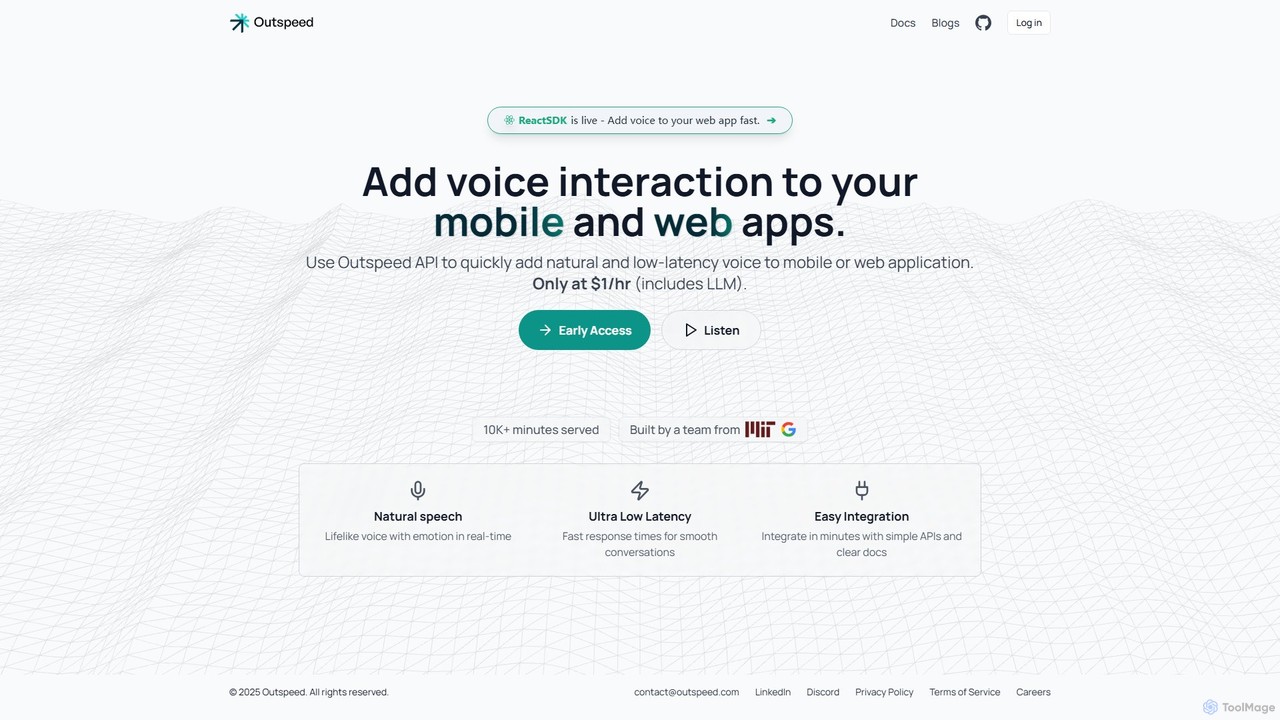
An API and SDK for developers to build and deploy AI voice companions with real-time emotion and memory. Easily integrate natural, low-latency voice interactions into web and mobile applications.

Voice Chatbot
Visits 9.2KFavorites 126Likes 136
llongterm
Freemium

llongterm

llongterm is a developer-focused API providing persistent, long-term memory for AI applications and agents. It enables AI to remember user interactions over years, creating structured, human-readable knowledge maps for truly personalized and context-aware experiences.

Memory Management
Visits 6.3KFavorites 119Likes 120
Godly
Freemium

Godly

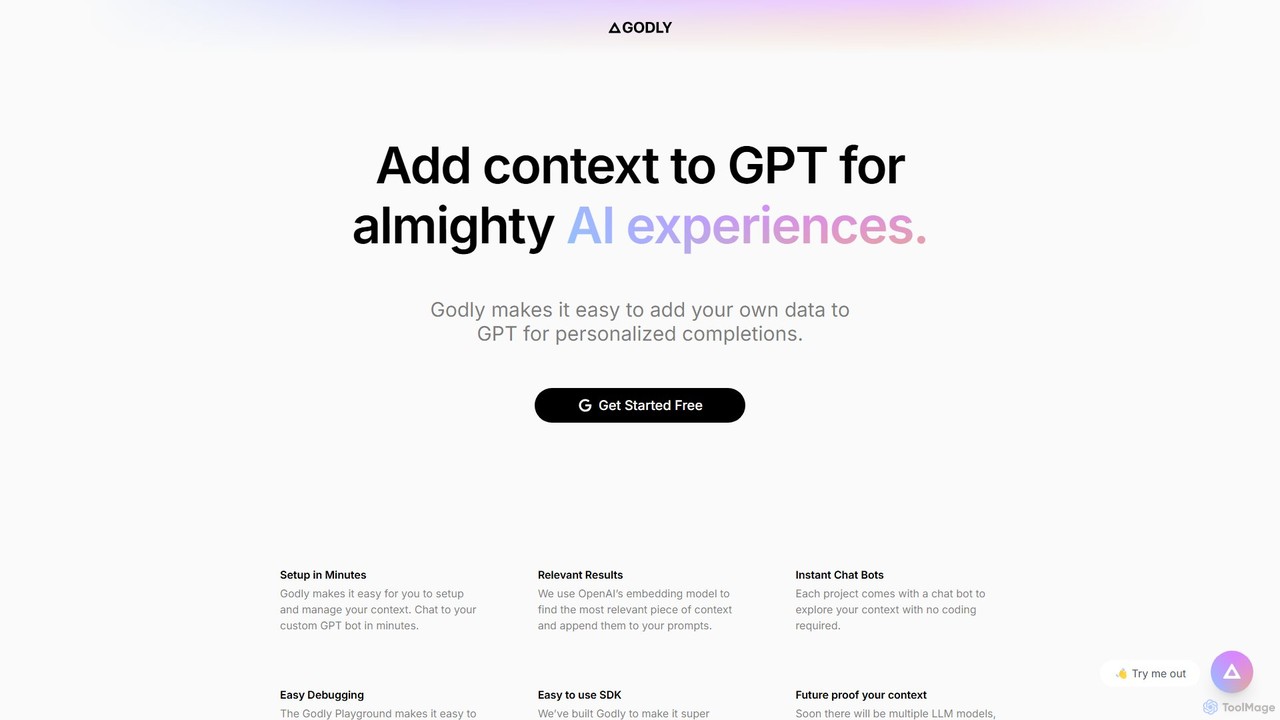
Godly is a developer-focused platform that enables the rapid integration of custom data into GPT and other LLMs. It provides the tools to build context-aware AI applications, such as personalized chatbots and intelligent search systems, by connecting your own data sources to large language models through a streamlined RAG (Retrieval-Augmented Generation) pipeline.

Api & Sdk
Visits 6.4KFavorites 132Likes 140
Machina
Paid

Machina

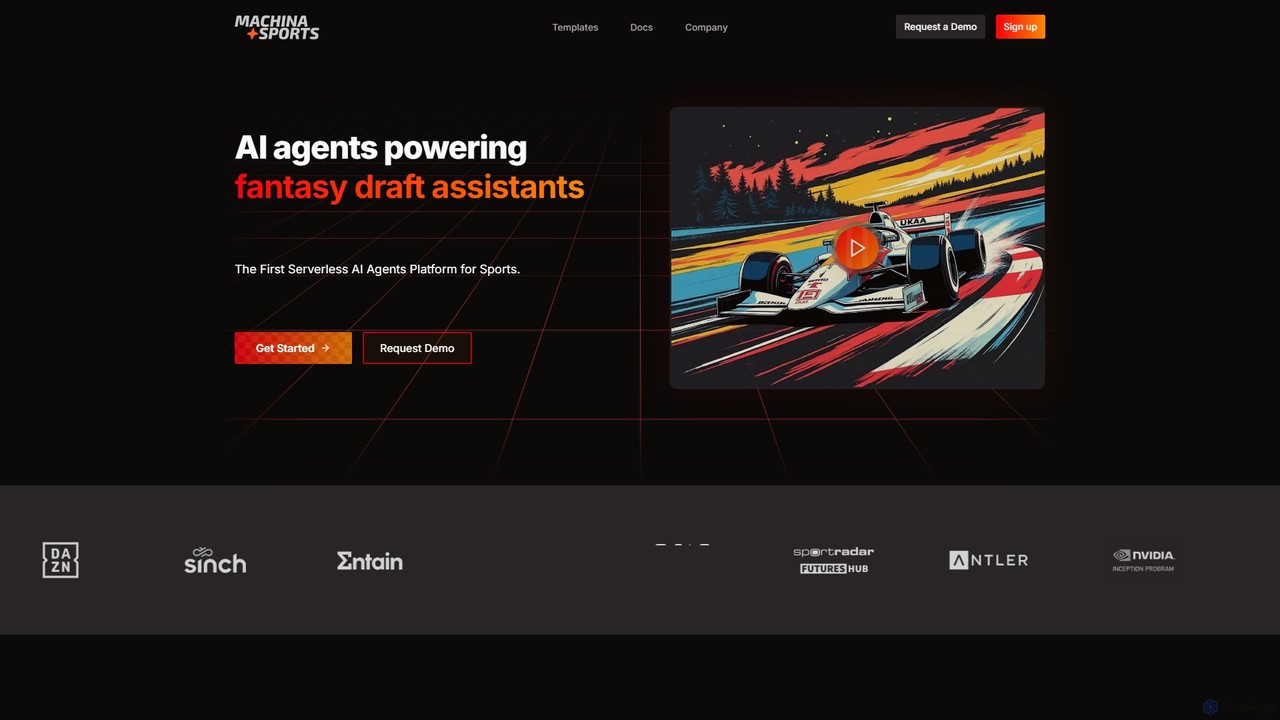
Machina is a developer-first, serverless AI agent platform specifically for the sports industry. It provides an SDK and pre-built templates to create powerful fan engagement bots, generate automated content, and deliver deep analytics. It integrates live sports data and CRM systems to build personalized, real-time experiences for fans.

Analytics
Visits 9.7KFavorites 135Likes 136
AdsOn
Freemium

AdsOn

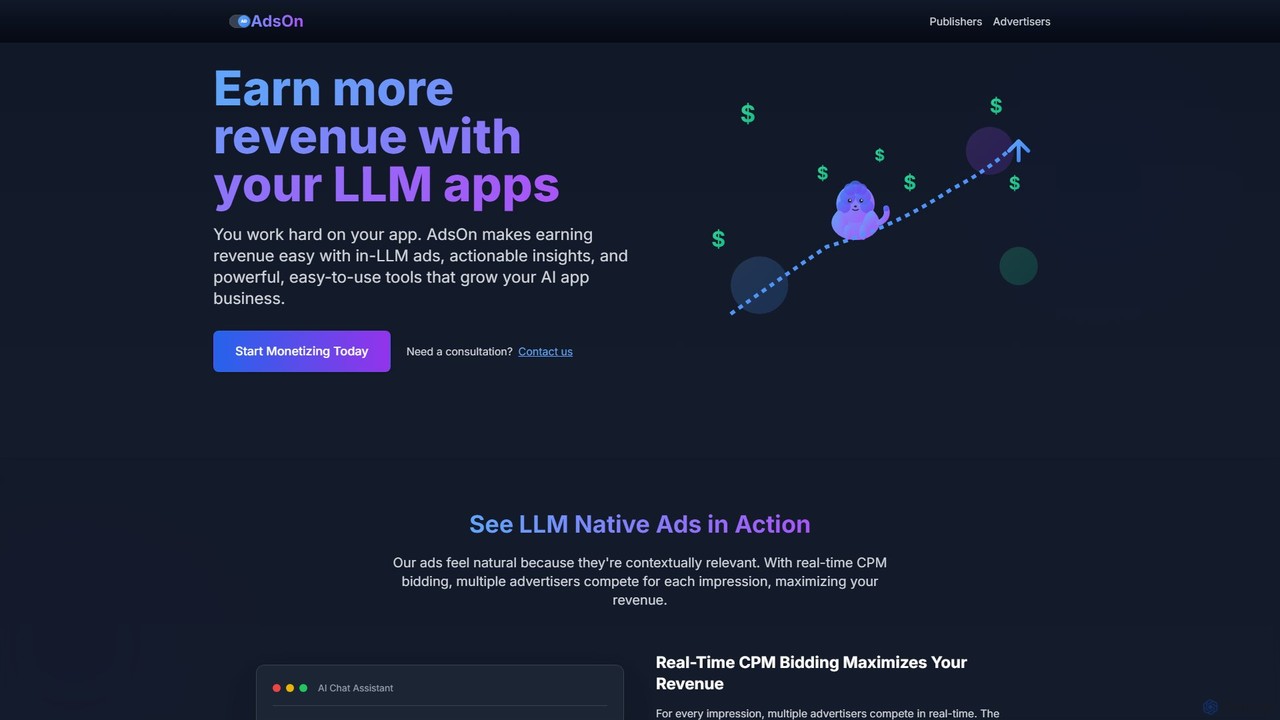
AdsOn is a monetization platform designed for LLM applications. It enables developers to easily integrate context-aware, native ads into their AI tools, creating a new revenue stream. For advertisers, it offers a unique channel to reach high-intent users through non-intrusive, helpful recommendations within AI conversations, boasting high engagement and click-through rates.

Api & Sdk
Visits 8.1KFavorites 129Likes 132
Tencent RTC
Freemium

Tencent RTC

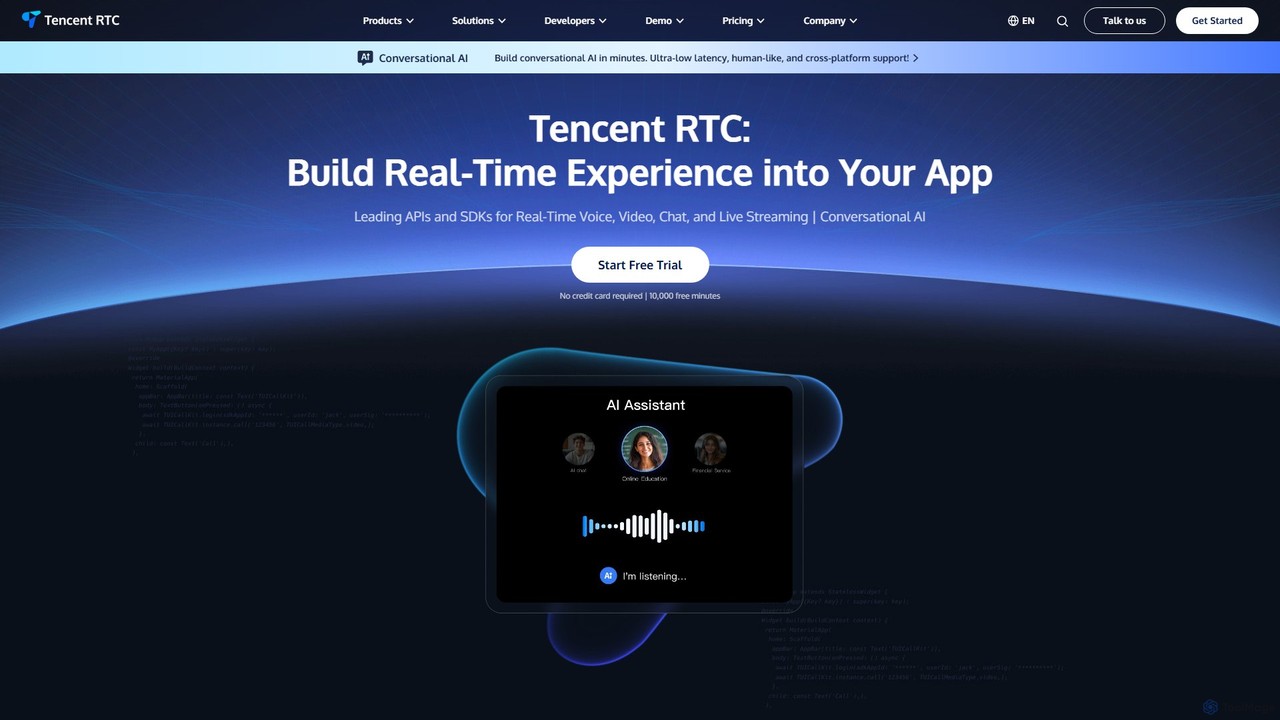
A comprehensive developer platform providing powerful APIs and SDKs for real-time voice, video, chat, and live streaming. Tencent RTC enables businesses to build scalable, low-latency, and interactive communication experiences directly into their applications across various industries.

Video Conferencing
Visits 129.5KFavorites 196Likes 179
audeering
Paid

audeering

audeering is a leading Voice AI technology platform that enables machines to understand human emotion and expression through advanced voice analysis. By detecting over 7,000 acoustic parameters, it provides deep insights for applications in automotive, healthcare, robotics, market research, and gaming, fostering a new era of empathetic human-machine interaction.

Voice Analysis
Visits 16.7KFavorites 152Likes 161
Liveblocks
Freemium

Liveblocks

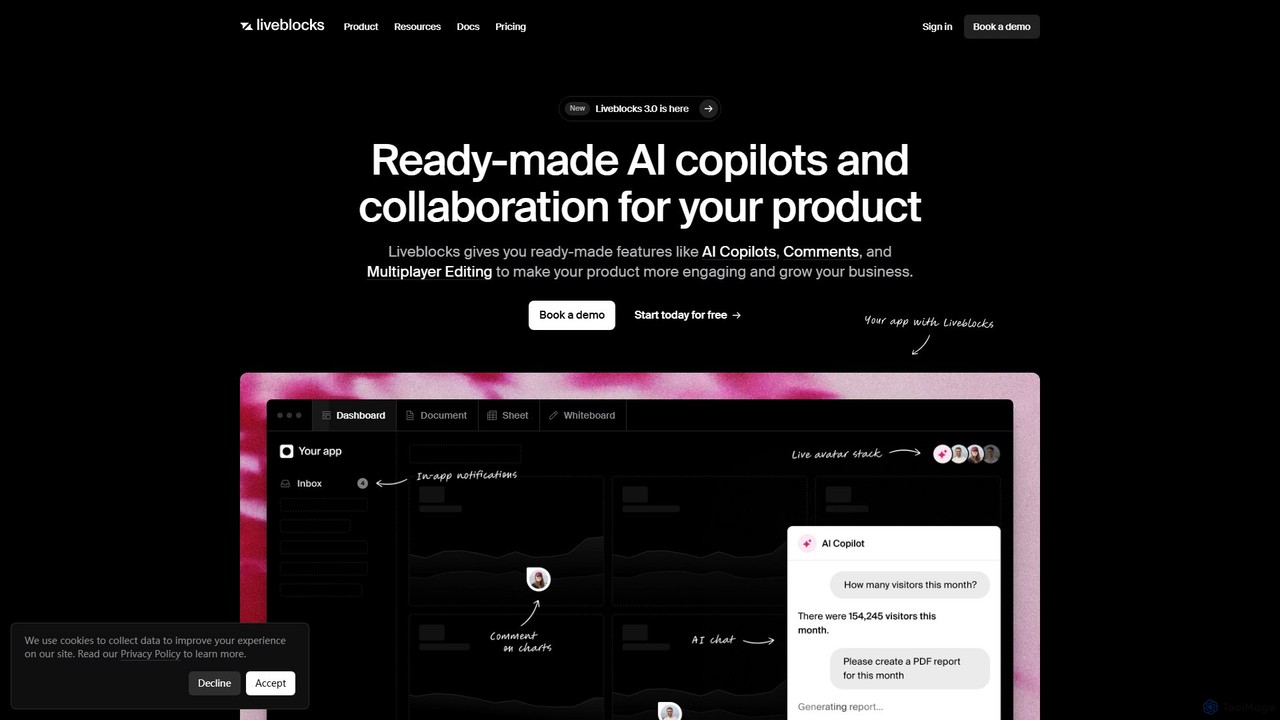
Liveblocks is a developer platform providing ready-made APIs and components to quickly build real-time collaborative experiences and AI copilots into any product. It handles the complex infrastructure for features like multiplayer editing, comments, and AI chat, allowing teams to ship faster and increase user engagement.

Ai Development
Visits 83.3KFavorites 151Likes 153
VideoSDK
Freemium

VideoSDK

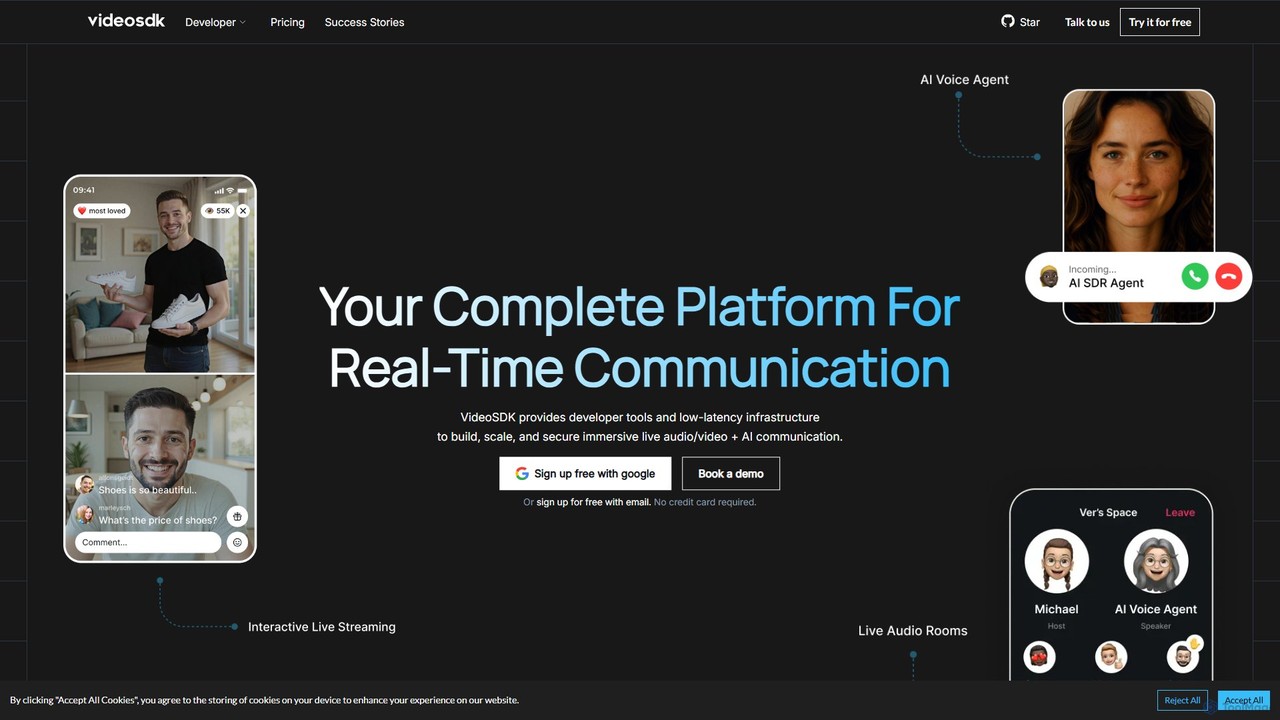
VideoSDK is a comprehensive developer platform providing APIs and SDKs to build, scale, and secure real-time audio/video communication and interactive live streaming. It features low-latency infrastructure, cross-platform support, and integrated AI capabilities like voice agents, transcription, and summarization, enabling developers to embed immersive communication experiences into any application.

Video Conferencing
Visits 170.8KFavorites 119Likes 125
Bria
Freemium

Bria

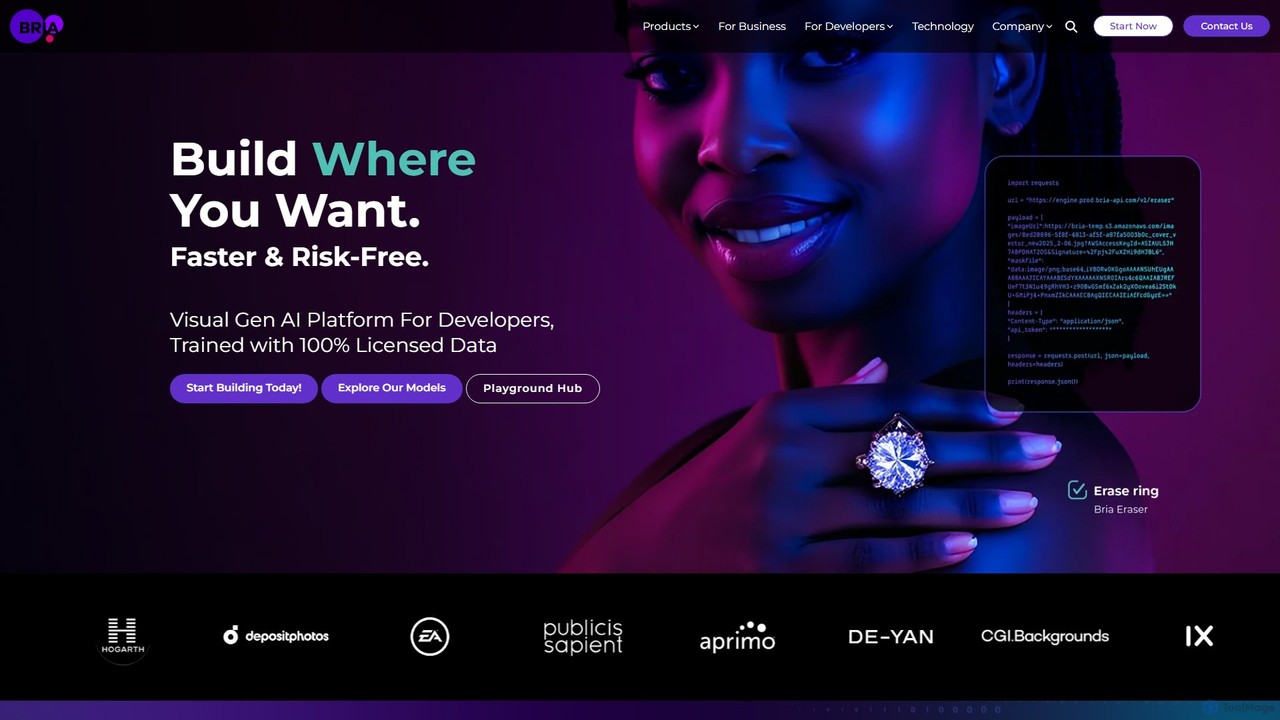
Bria is a developer-first visual generative AI platform, offering source-available models and APIs built on 100% licensed data. It enables businesses and developers to create, edit, and scale high-quality, commercially-safe visual content, with full legal indemnification. Bria provides flexible toolkits for custom AI solutions, including image generation, editing, product photography, and ad creation.

Api & Sdk
Visits 67.1KFavorites 150Likes 140
taptalk
Paid

taptalk

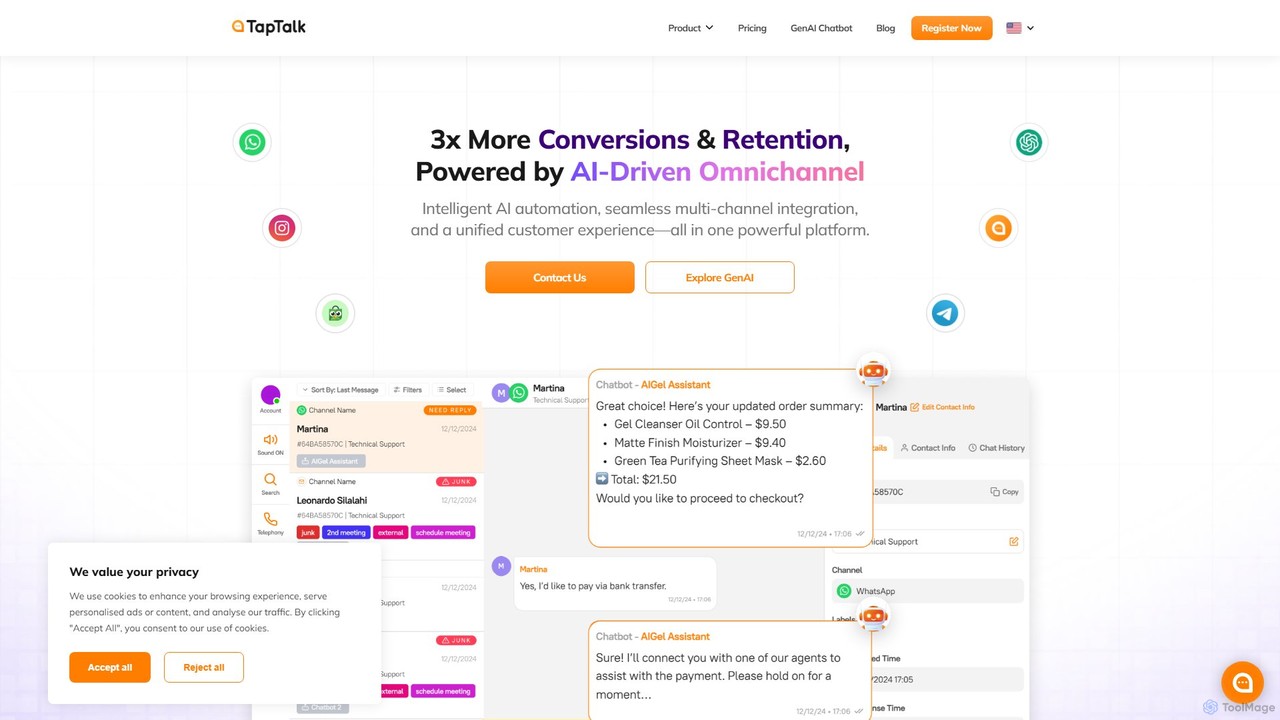
TapTalk is an all-in-one omnichannel chat solution designed for businesses to enhance customer communication across sales, marketing, and support. It unifies popular messaging channels like WhatsApp, Instagram, Facebook Messenger, and more into a single dashboard. Powered by AI and ChatGPT, TapTalk offers advanced chatbots, in-app chat SDKs, and social commerce features to streamline interactions, improve customer satisfaction, and drive business growth.

Omnichannel
Visits 17.4KFavorites 144Likes 131

About Api & Sdk

AI APIs & SDKs are pre-built interfaces and software development kits that allow developers to integrate powerful artificial intelligence capabilities into their applications. These tools provide direct access to complex, pre-trained models for tasks like natural language processing or computer vision, eliminating the need to build and train models from scratch. By using these components, developers can rapidly add advanced features, accelerate product development cycles, and leverage state-of-the-art AI technology with minimal machine learning expertise. They form a crucial part of the developer tools ecosystem, enabling the creation of smarter, more responsive software.

Core Features

  • Pre-trained Model Access: Provides direct programmatic access to sophisticated AI models (e.g., for language generation, image recognition, or data analysis).
  • Scalable Infrastructure: Handles the computational load and scaling of AI model inference, managed by the provider.
  • Language-Specific SDKs: Offers libraries and toolkits for popular programming languages (like Python, JavaScript, Java) to simplify integration.
  • Comprehensive Documentation: Includes detailed guides, code samples, and API references to facilitate quick implementation.

Use Cases

These tools are widely used by software developers and tech companies to build intelligent applications. Common scenarios include integrating conversational AI into customer support chatbots, adding content moderation features to social platforms, powering recommendation engines in e-commerce, or enabling image analysis in mobile apps. They are essential for any project requiring advanced AI functionality without the resources for in-house model development.

How to Choose

When selecting an AI API or SDK, consider the specific task you need to accomplish and the model's performance on that task. Evaluate the pricing structure, including API call limits and costs per request. Assess the quality of the documentation and the availability of developer support. Finally, check for SDKs in your preferred programming language to ensure a smooth integration process.

Featured tool rankings

Api & Sdk use cases

1

Building an Intelligent Customer Service Chatbot

A developer at an e-commerce company is tasked with reducing customer support tickets. By using a conversational AI API, they can build and deploy a chatbot on the company's website. The API handles natural language understanding, allowing the chatbot to interpret user questions about order status, returns, and product information. This integration automates responses to common queries 24/7, freeing up human agents to focus on more complex issues and improving overall customer satisfaction.

2

Automating Content Moderation for a Social Platform

A social media startup needs an efficient way to moderate user-generated content to maintain community standards. Instead of hiring a large team of human moderators, they integrate a content analysis API. This API can automatically scan text and images for inappropriate content, such as hate speech or violence. The system flags or removes violating content in real-time, significantly reducing the moderation workload and creating a safer online environment for users with lower operational costs.

3

Developing a Smart Search Feature in an App

An e-commerce app developer wants to improve the product search experience. Traditional keyword-based search often fails to understand user intent. By integrating a semantic search API, the app can understand the meaning behind a user's query, not just the words. For example, a search for "warm jacket for winter" can return results for down coats and parkas, even if those exact words weren't used. This leads to more relevant search results, higher user engagement, and increased sales.

4

Integrating Image Recognition into a Mobile App

A mobile app developer is creating an educational app for identifying plants. Instead of building a complex computer vision model, they use an image recognition SDK. The SDK simplifies the process of accessing the phone's camera, capturing an image, and sending it to an API for analysis. The API returns the plant's species name and other relevant information, which is then displayed to the user. This allows the developer to create a powerful feature quickly, without needing deep expertise in machine learning or image processing.

5

Powering a Personalized Recommendation Engine

A streaming service wants to increase user retention by providing better content recommendations. They integrate a recommendation engine API that analyzes a user's viewing history, ratings, and preferences. The API then generates a personalized list of movies and shows the user is likely to enjoy. This functionality can be implemented without the need for a dedicated data science team, helping the service deliver a more engaging experience and compete with larger platforms.

6

Generating Code Snippets in a Development Environment

A company developing an Integrated Development Environment (IDE) wants to add an AI-powered code completion feature. They integrate a code generation API, which analyzes the context of the code being written and suggests relevant completions, from single lines to entire functions. This helps developers write code faster, reduces boilerplate, and minimizes errors. By using an API, the IDE provider can offer a cutting-edge feature without investing years in developing their own large language model for code.

Api & Sdk FAQ

What are AI APIs and SDKs?

AI APIs (Application Programming Interfaces) and SDKs (Software Development Kits) are tools that allow developers to add artificial intelligence features to their software without building the underlying models. An API provides a set of rules and protocols for one application to request services from another (the AI model), while an SDK is a collection of tools, libraries, and documentation in a specific programming language that makes using that API easier. Essentially, they provide access to pre-trained AI capabilities on demand.

How do I choose the right AI API for my project?

To choose the right AI API, follow these steps:

  • Define Your Goal: Clearly identify the task you want to automate or the feature you want to build (e.g., text translation, object detection).
  • Evaluate Model Performance: Research and compare the accuracy, speed, and capabilities of different APIs for your specific use case. Many providers offer free trials for testing.
  • Consider Pricing and Limits: Analyze the cost structure. Look at the price per API call, monthly subscription fees, and any rate limits that might affect your application's scalability.
  • Check Documentation and Support: Ensure the provider offers clear, comprehensive documentation and reliable developer support to help with integration and troubleshooting.
What's the difference between an API and an SDK in the context of AI?

The main difference lies in their scope and purpose. An API (Application Programming Interface) is the endpoint that receives requests and sends back responses from the AI model. It's the direct communication channel. An SDK (Software Development Kit) is a more comprehensive package for a specific programming language (like Python or JavaScript). It typically includes pre-written code, libraries, and examples that wrap around the API, making it much easier and faster for a developer to integrate the AI service into their application without handling raw API requests manually.

Do I need machine learning expertise to use AI APIs?

No, one of the primary benefits of using AI APIs is that you do not need deep machine learning expertise. The complex model training, optimization, and infrastructure management are all handled by the API provider. A developer only needs standard software development skills, such as knowing how to make HTTP requests and process JSON data, to integrate these powerful AI capabilities into their applications. If an SDK is available, the process is even simpler.

What are the advantages of using an AI API over building my own model?

Using an AI API offers several key advantages over in-house model development:

  • Speed to Market: Integrating an existing API is significantly faster than the months or years it can take to collect data, train, and deploy a custom model.
  • Lower Cost: It avoids the high costs associated with hiring data scientists, acquiring large datasets, and paying for extensive computational resources for training.
  • Access to State-of-the-Art Technology: API providers often have large research teams and access to massive datasets, meaning their models are typically more powerful and up-to-date than what most companies can build themselves.
  • Managed Infrastructure: You don't have to worry about deploying, maintaining, and scaling the infrastructure needed to run the AI model.