Customer Support Best in category 4 results Self Service AI Tool

Popular AI tools in the Self Service field of Customer Support include Userpilot、Userflow、roojoom、Helpbar, etc., helping you quickly improve efficiency.

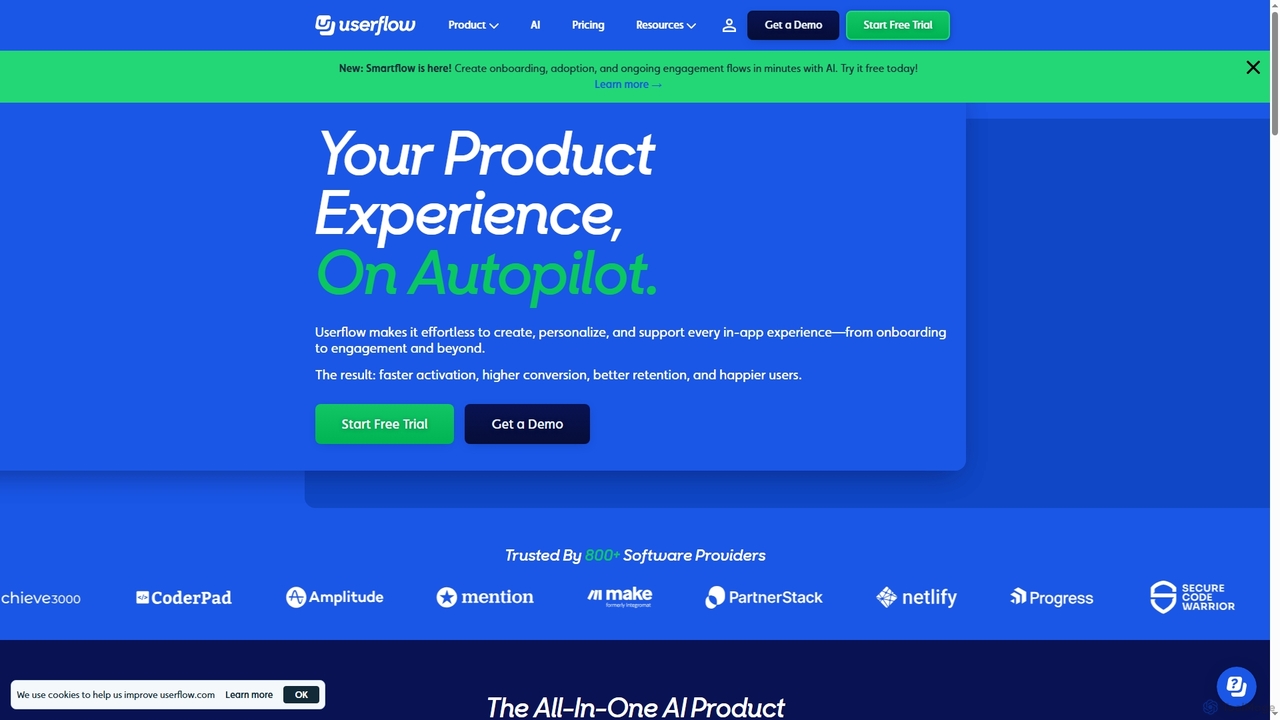
Userflow

Userflow

Userflow is an AI-powered, no-code platform for building in-app user onboarding, product tours, and surveys. It helps SaaS …

95.0K
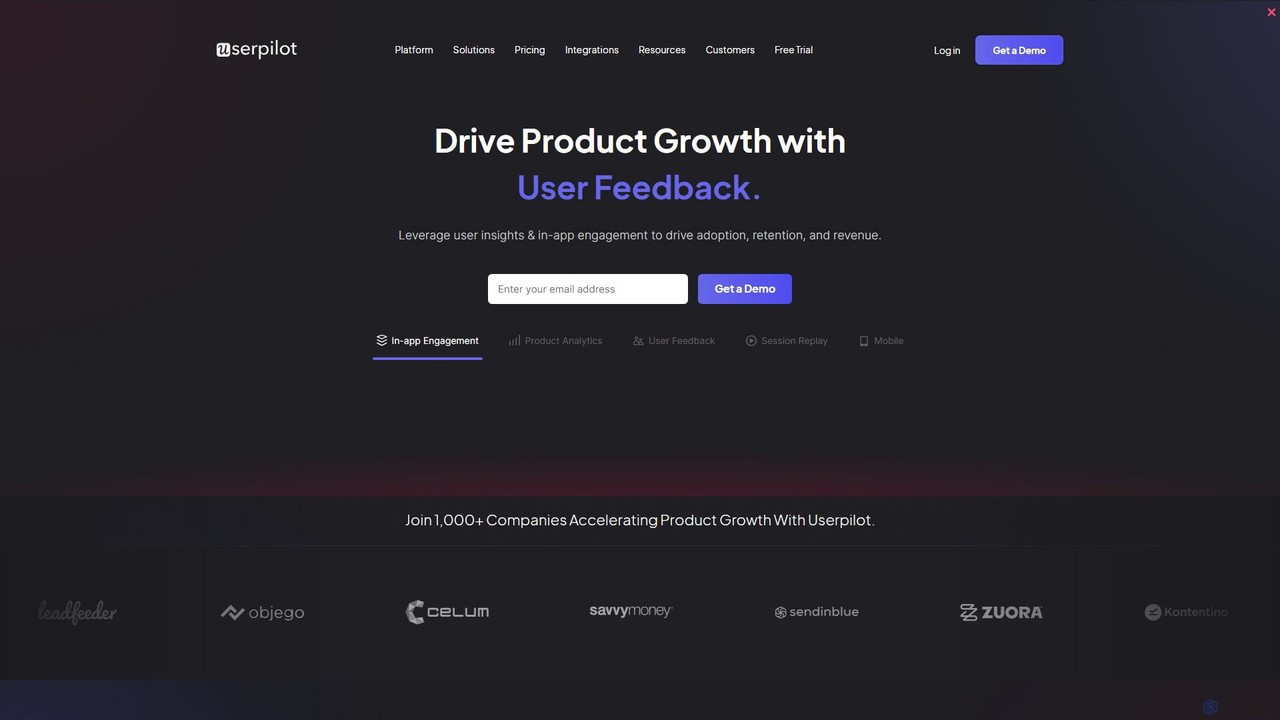
Userpilot

Userpilot

Userpilot is a comprehensive product growth platform designed for SaaS companies to improve user onboarding, engagement, and feature …

146.5K
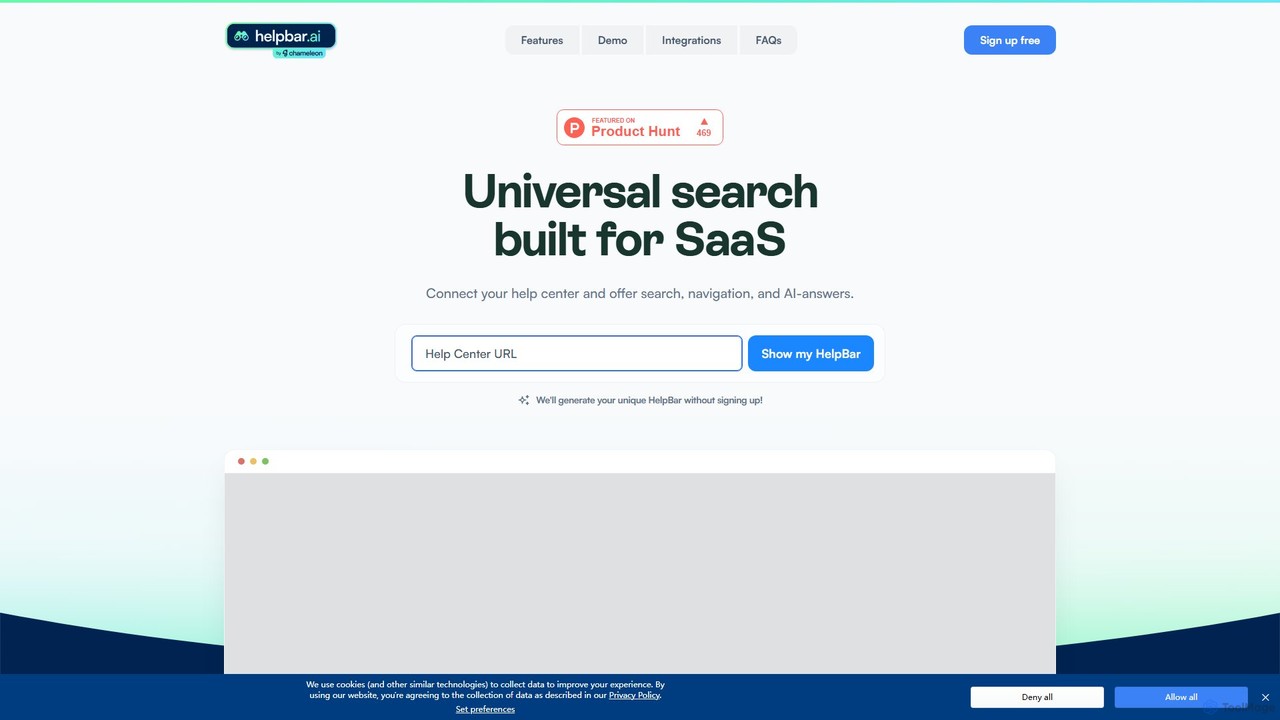
Helpbar

Helpbar

Helpbar is an AI-powered universal search bar (Cmd+K) for SaaS applications. It allows users to find help content, …

2.8K
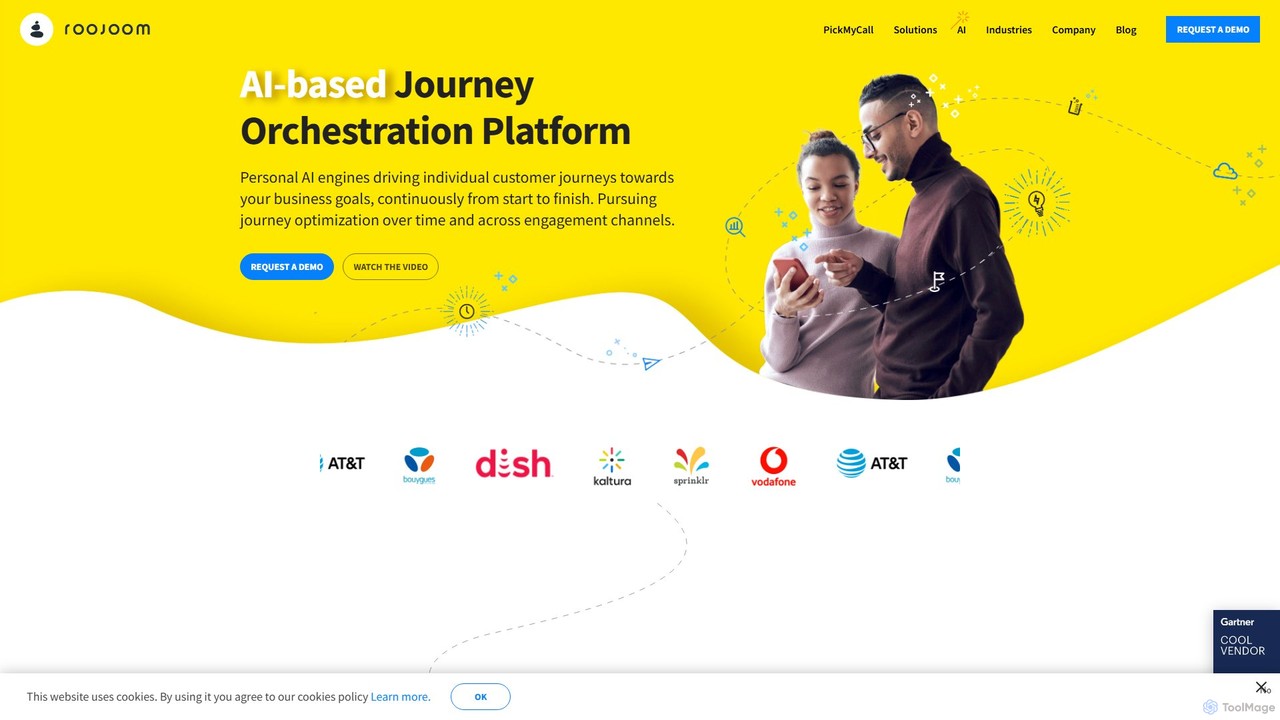
roojoom

roojoom

roojoom is an AI-powered journey orchestration platform that automates and personalizes customer journeys from start to finish. It …

5.9K

About Self Service

Self Service AI tools are a category of artificial intelligence solutions designed to empower customers to find answers and resolve issues independently, without direct human intervention. These tools leverage natural language processing (NLP), machine learning, and intelligent automation to provide instant, accurate, and personalized support. They enhance the overall customer support experience by offering immediate assistance, reducing wait times, and freeing up human agents for more complex inquiries.

Core Features

  • Intelligent Chatbots: Provide instant, conversational answers to frequently asked questions and guide users through processes.
  • AI-Powered Knowledge Bases: Offer dynamic, searchable repositories of information, using AI to improve search relevance and content recommendations.
  • Virtual Assistants: Automate routine tasks like account updates, order tracking, and basic troubleshooting through voice or text interfaces.
  • Personalized Recommendations: Suggest relevant solutions, products, or articles based on user query history and profile.

Applicable Scenarios

Businesses across various sectors utilize AI Self Service tools to streamline operations and improve customer satisfaction. E-commerce platforms deploy intelligent chatbots to handle order inquiries and product FAQs. SaaS companies use AI-powered knowledge bases to provide instant technical support and onboarding guides. Financial institutions implement virtual assistants for secure account management and transaction inquiries, ensuring customers can access information 24/7.

How to Choose

When selecting Self Service AI tools, consider the breadth of their knowledge base integration, the sophistication of their natural language understanding (NLU) for accurate query resolution, and their scalability to handle varying customer volumes. Evaluate the ease of content creation and management, the ability to integrate with existing CRM systems, and the analytics capabilities for continuous improvement. Prioritize tools that offer robust security features and a user-friendly interface for both customers and administrators.

Self ServiceUse Cases

1

Automating FAQ Resolution for E-commerce

An e-commerce customer service manager implements an AI chatbot to handle common inquiries about shipping, returns, and product availability. The chatbot instantly provides accurate answers, reducing the volume of repetitive questions directed to human agents by up to 70% and ensuring customers receive immediate support at any time, improving purchase confidence.

2

Guided Troubleshooting for Software Users

A software company integrates an AI-powered virtual assistant into its application. When users encounter an issue, the assistant guides them step-by-step through diagnostic checks and common fixes, leveraging a vast knowledge base. This empowers users to resolve technical problems independently, significantly decreasing support ticket submissions and enhancing user autonomy.

3

Personalized Product Discovery in Retail

A retail brand uses an AI Self Service tool on its website to help customers find products. Based on a customer's query (e.g., "I need a waterproof jacket for hiking"), the AI analyzes product attributes and user preferences to recommend suitable items, complete with specifications and reviews. This enhances the shopping experience and increases conversion rates by guiding customers efficiently.

4

24/7 Account Management for Banking

A bank deploys an AI virtual assistant that allows customers to perform routine account management tasks, such as checking balances, viewing transaction history, or updating contact information, securely and instantly. This reduces call center traffic for simple requests, provides round-the-clock service, and improves customer convenience and satisfaction.

5

Enhancing Internal Employee Support

A large enterprise implements an AI-powered internal knowledge base and chatbot for its employees. Employees can quickly find answers to HR policies, IT issues, or company procedures without contacting support departments. This boosts internal productivity by providing immediate access to information and reduces the workload on internal support teams.

6

Multilingual Customer Support Automation

A global travel agency utilizes AI Self Service tools capable of operating in multiple languages. Customers from different regions can interact with chatbots or access knowledge base articles in their native tongue, receiving consistent and accurate support. This expands the agency's reach, improves global customer satisfaction, and reduces the need for a large, multilingual human support team.

Self ServiceFrequently Asked Questions