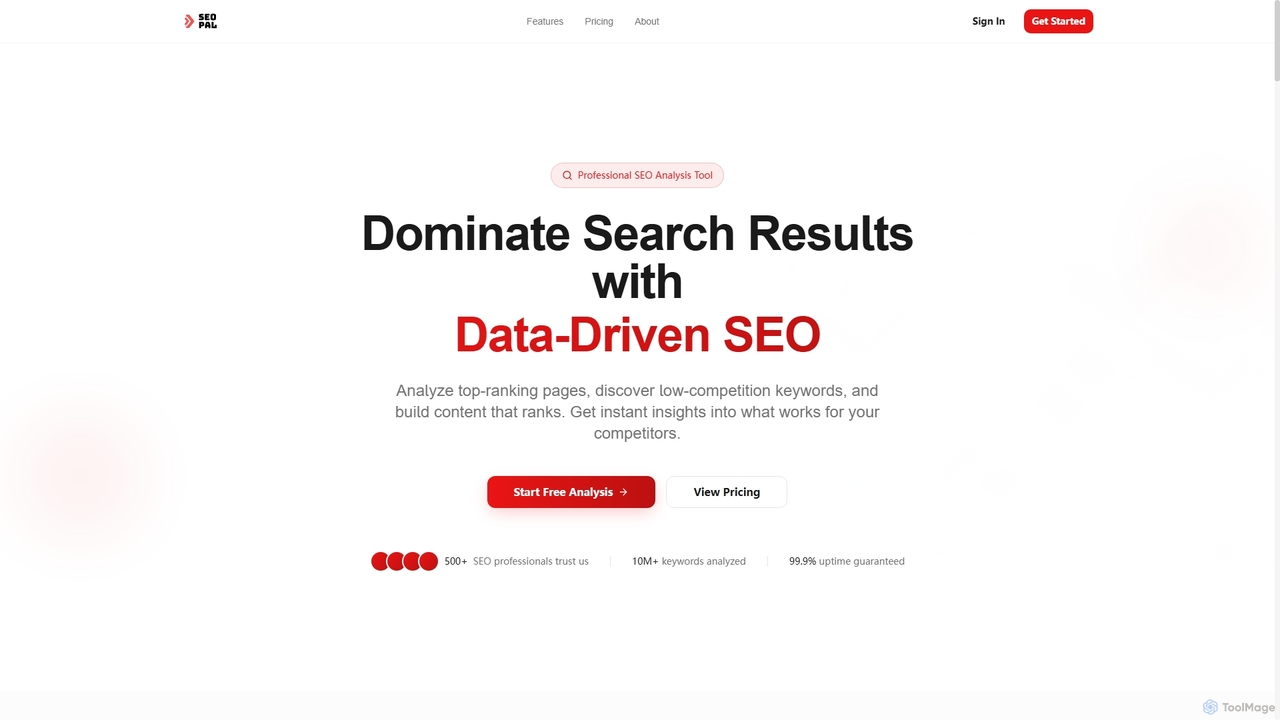
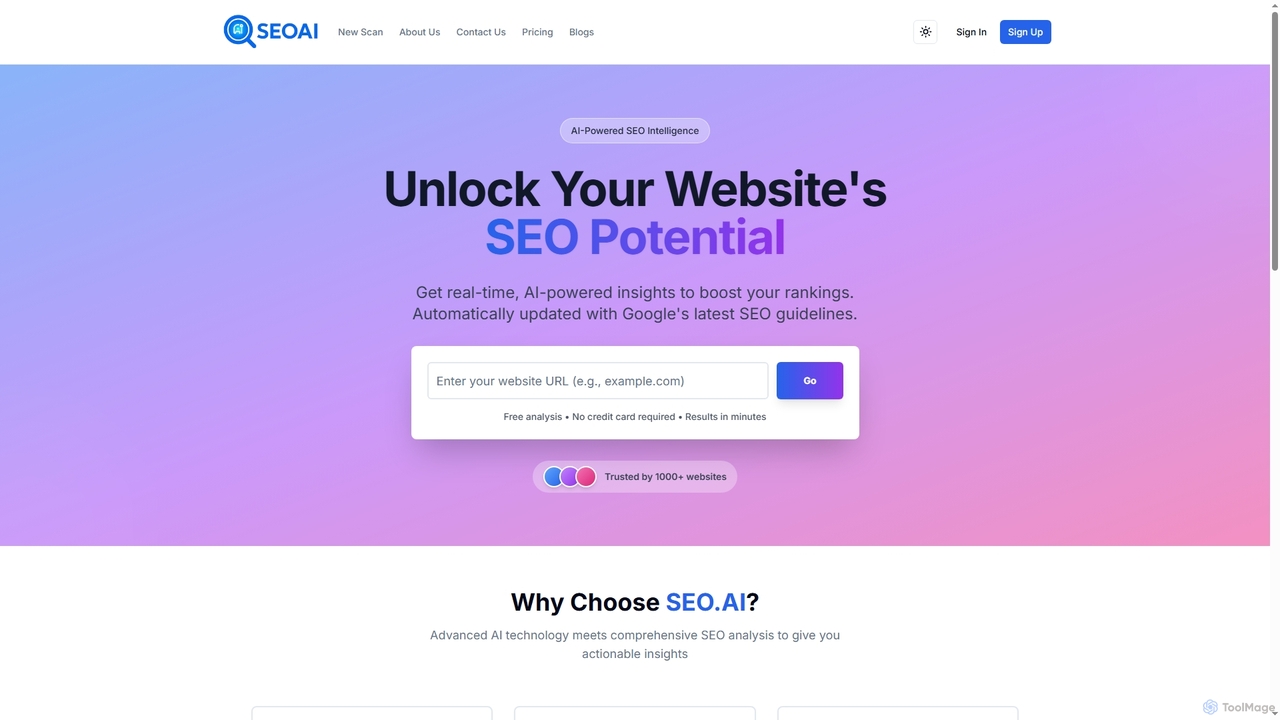
Content Optimization tools are AI-powered platforms designed to enhance the performance, reach, and effectiveness of digital content across various channels. Leveraging advanced natural language processing (NLP) and machine learning, these tools analyze text, images, and other media to provide actionable insights and recommendations. They help marketers, content creators, and businesses ensure their content resonates with target audiences, improves search engine rankings, and drives desired outcomes like engagement and conversions, all within the broader context of digital marketing strategies.
Core Features
- SEO Keyword Analysis: Identifies high-ranking keywords, analyzes search intent, and suggests optimal placement for improved visibility.
- Readability & Tone Analysis: Evaluates content for clarity, sentence structure, and emotional tone, ensuring it matches the target audience and brand voice.
- Engagement Prediction: Predicts how content will perform with specific audiences, offering suggestions to boost interaction and shareability.
- Content Repurposing Suggestions: Recommends ways to adapt existing content into new formats for different platforms, maximizing its lifespan and reach.
- Conversion Rate Optimization (CRO) Insights: Analyzes content elements like calls-to-action and headlines to suggest improvements for higher conversion rates.
Applicable Scenarios
Content Optimization tools are essential for digital marketers aiming to maximize ROI from their content efforts. Content creators use them to refine blog posts, articles, and video scripts for better audience retention. E-commerce businesses leverage these tools to optimize product descriptions and landing pages, driving more sales through improved search visibility and persuasive copy.
How to Choose
When selecting a Content Optimization tool, consider its AI capabilities, specifically the depth of its NLP and machine learning models for accurate analysis. Evaluate its integration with your existing CMS, SEO platforms, and social media management tools. Assess the breadth of its feature set, from keyword research and readability checks to content generation and performance analytics, ensuring it meets your specific marketing goals.