Marketing Best in category 3 results Customer Loyalty AI Tool

Popular AI tools in the Customer Loyalty field of Marketing include Snappy、posdish、Cheers, etc., helping you quickly improve efficiency.

Cheers

Cheers

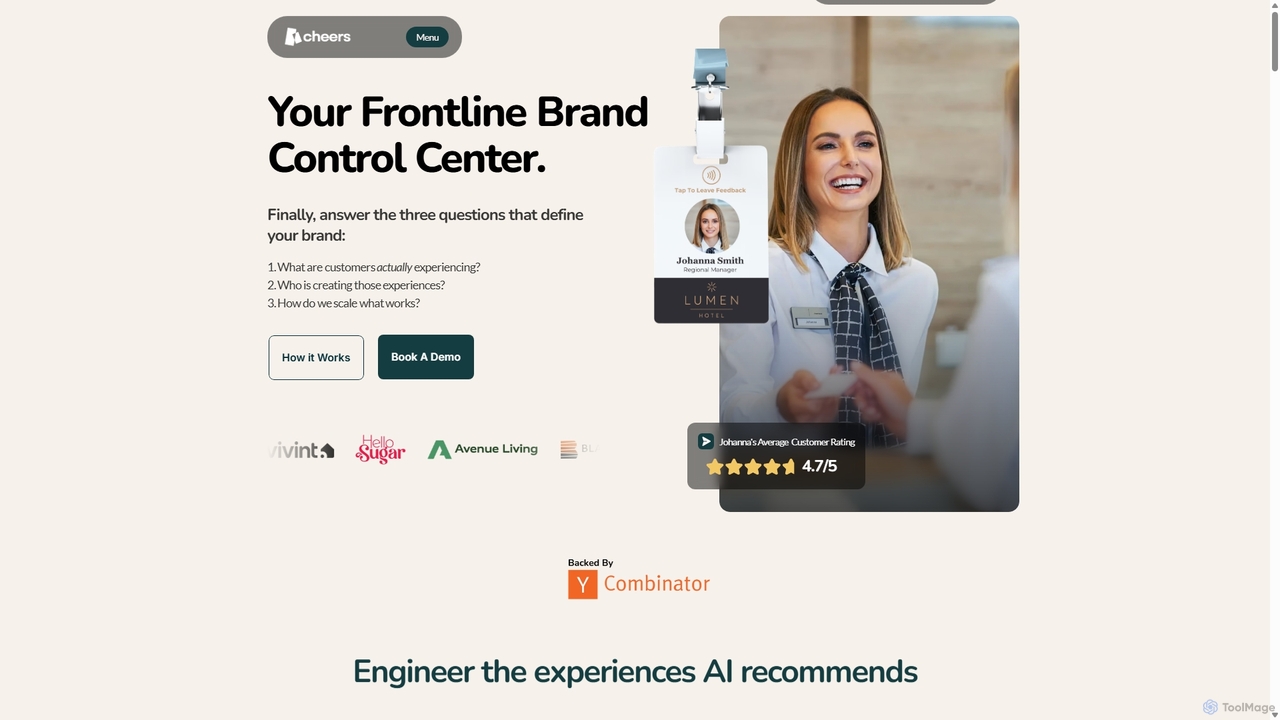
Cheers is an AI-powered Frontline Brand Control Center that connects customer feedback directly to individual employees using NFC …

17
Snappy

Snappy

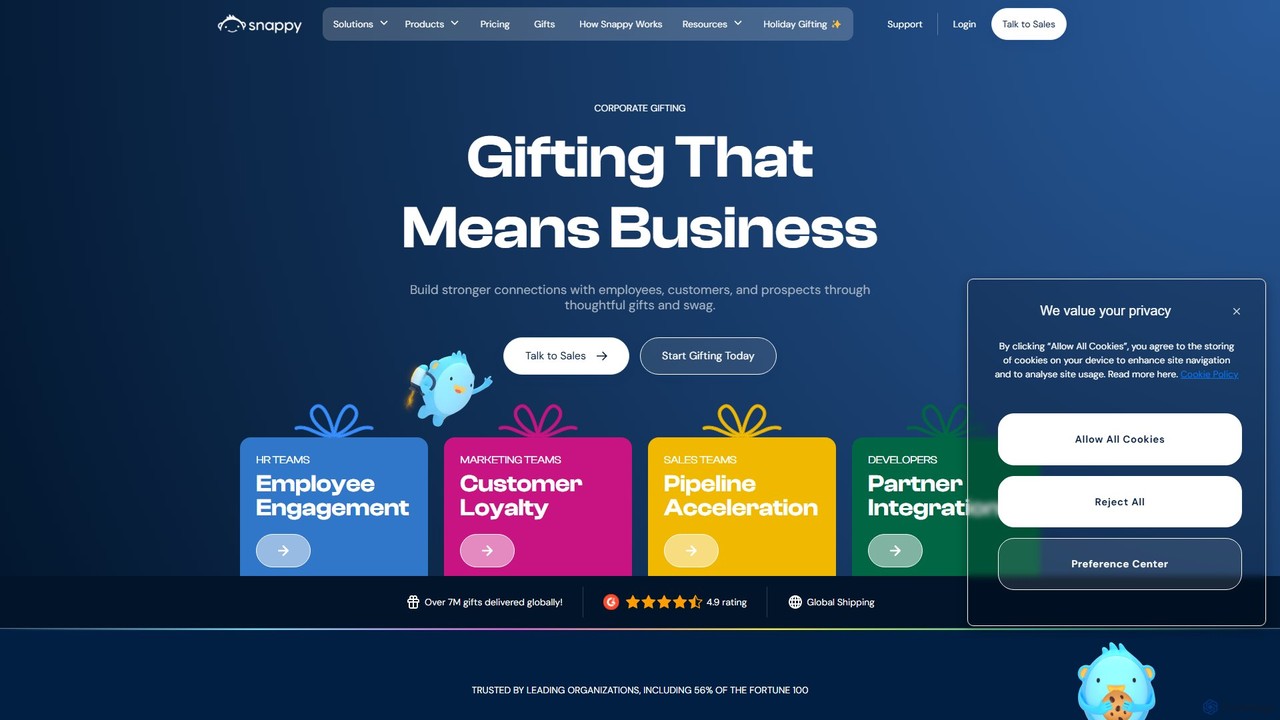
Snappy is an AI-powered, all-in-one corporate gifting platform designed to build stronger connections with employees, customers, and prospects. …

196.1K
posdish

posdish

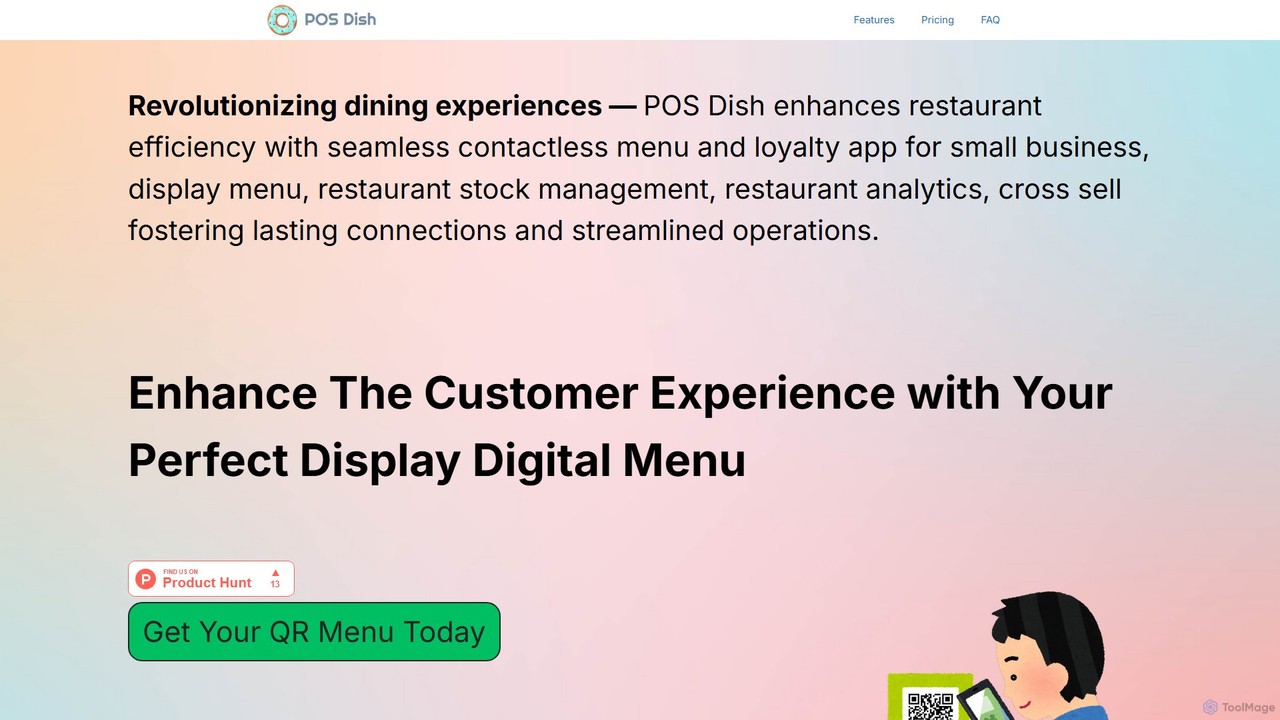
posdish is an AI-powered restaurant management platform that revolutionizes the dining experience. It provides a comprehensive solution including …

3.6K

About Customer Loyalty

Customer Loyalty tools are AI-powered platforms designed to analyze customer behavior, predict churn, and automate personalized retention strategies. They leverage machine learning to process data from various touchpoints, such as purchase history and engagement metrics, to identify at-risk customers and high-value segments. The primary goal is to increase customer lifetime value (CLV) and foster long-term brand advocacy by delivering proactive, relevant experiences. Unlike general marketing automation, these tools focus specifically on post-purchase engagement and building lasting relationships.

Core Features

  • Predictive Churn Analysis: Uses AI to identify customers likely to leave based on their behavioral patterns.
  • Personalized Loyalty Programs: Creates and manages dynamic rewards, offers, and tiers tailored to individual customers.
  • Advanced Customer Segmentation: Automatically groups customers based on value, engagement, and loyalty status for targeted campaigns.
  • Automated Retention Campaigns: Triggers personalized emails or offers when a customer shows signs of disengagement.

Use Cases

These tools are essential for businesses where repeat custom is vital, such as e-commerce stores, subscription services (SaaS), and direct-to-consumer (DTC) brands. Marketing and retention teams use them to design and execute loyalty programs, while customer success managers monitor customer health and proactively prevent churn.

How to Choose

When selecting a Customer Loyalty tool, consider its integration capabilities with your existing CRM and e-commerce platform. Evaluate the sophistication of its AI models for churn prediction and personalization. Assess the flexibility of the rewards engine and ensure the platform provides clear analytics to measure ROI and customer lifetime value.

Customer LoyaltyUse Cases

1

Automating 'At-Risk' Customer Re-engagement

An e-commerce retention manager notices a decline in repeat purchases from a specific customer segment. Instead of manual outreach, they use an AI Customer Loyalty tool. The system automatically identifies customers who haven't purchased in 60 days but were previously frequent buyers. It then triggers a personalized 'We Miss You' email campaign, offering a unique discount on products related to their past purchases. This proactive, automated approach helps win back disengaged customers, directly reducing the monthly churn rate and preserving revenue.

2

Creating Tiered & Personalized Loyalty Programs

A direct-to-consumer (DTC) brand wants to move beyond a simple points-per-dollar system. Using an AI loyalty tool, their marketing director designs a tiered program (e.g., Bronze, Silver, Gold). The AI analyzes customer spending and engagement to automatically assign customers to the correct tier. It also suggests personalized rewards, such as offering early access to new products for Gold members who frequently buy new arrivals. This creates a more engaging and exclusive experience, encouraging customers to spend more to reach higher tiers and increasing average order value.

3

Rewarding Non-Transactional Customer Actions

A SaaS company wants to build a stronger community and encourage product adoption. Their community manager uses a loyalty tool to reward users for actions beyond payment. They set up rules to automatically award points for writing a product review, referring a new user, or completing an advanced feature tutorial. These points can then be redeemed for subscription discounts or exclusive content. This strategy gamifies engagement, turning passive users into active participants, which generates valuable user content and improves overall product stickiness.

4

Predicting and Preventing Subscription Churn

A customer success manager for a subscription box service uses an AI loyalty platform to proactively reduce churn. The AI analyzes data like login frequency, product rating patterns, and customer support interactions. It assigns a 'churn risk score' to each subscriber. For those with a high score, the system automatically triggers a retention workflow, such as sending a survey to gather feedback or offering a one-month discount. This allows the team to intervene before a customer decides to cancel, significantly lowering the monthly churn rate.

5

Personalizing Post-Purchase Communication

An online fashion retailer aims to improve the customer experience after a sale. Their email marketing specialist integrates a loyalty tool with their e-commerce platform. After a customer buys a pair of leather shoes, the system automatically sends a follow-up email a week later. Instead of a generic message, it contains AI-generated tips on how to care for leather shoes, recommends a matching belt from their catalog, and asks for a review in exchange for loyalty points. This personalized follow-up enhances customer value, drives cross-selling, and gathers social proof.

6

Identifying and Nurturing Brand Advocates

A brand manager for a cosmetics company wants to launch an ambassador program. Instead of manually sifting through customer lists, they use an AI loyalty tool. The AI analyzes purchase frequency, total spend, social media mentions, and review ratings to identify the top 1% of customers who are true brand advocates. The system then automates an invitation to an exclusive 'VIP Advocate' group, offering them early product samples and special recognition. This data-driven approach ensures they engage their most influential customers, building a powerful network for word-of-mouth marketing.

Customer LoyaltyFrequently Asked Questions