
Hr Best in category 1 results Employee Recognition AI Tool

Popular AI tools in the Employee Recognition field of Hr include Snappy, etc., helping you quickly improve efficiency.

Snappy

Snappy

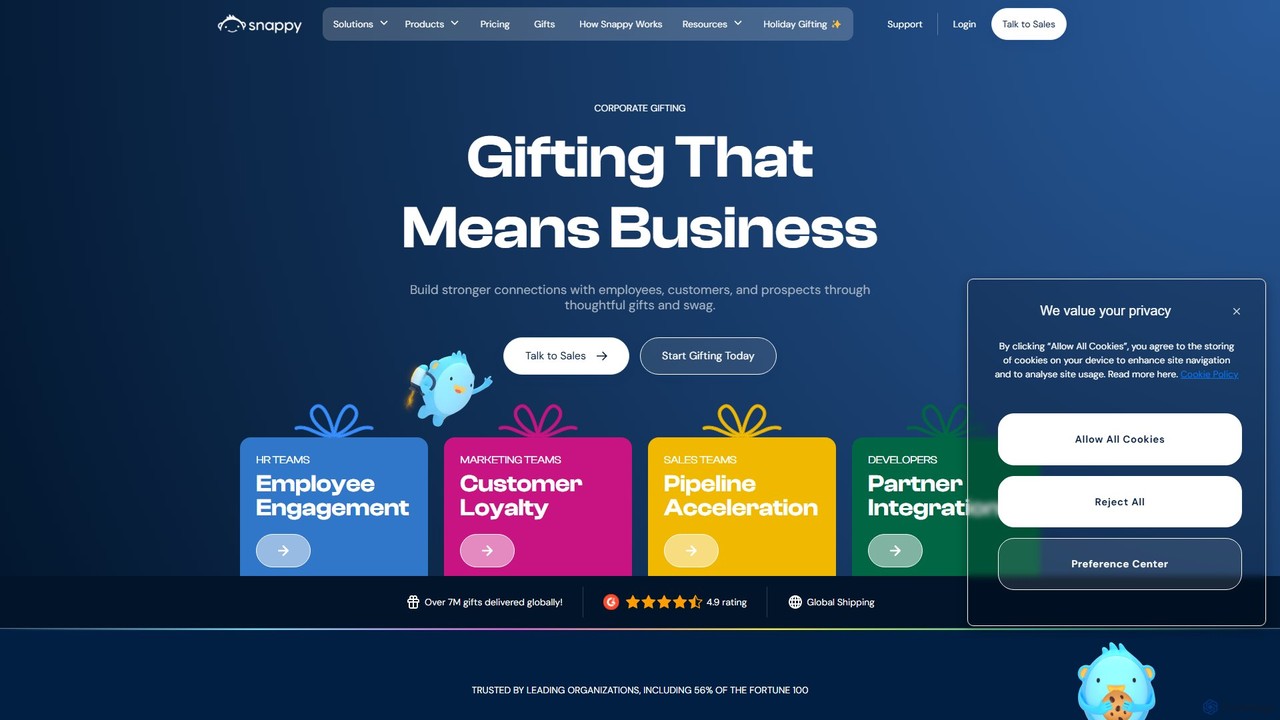
Snappy is an AI-powered, all-in-one corporate gifting platform designed to build stronger connections with employees, customers, and prospects. …

196.0K

About Employee Recognition

Employee Recognition tools are specialized AI platforms designed to automate, personalize, and analyze the process of acknowledging employee contributions. They utilize data analytics and integrations with communication platforms like Slack or Teams to identify achievements and facilitate timely, meaningful appreciation. These systems help organizations build a positive workplace culture, boost morale, and improve retention by making recognition a consistent and visible part of daily work. AI enhances these platforms by providing insights into recognition trends and ensuring fairness across the organization.

Core Features

  • Peer-to-Peer Recognition: Enables employees to publicly or privately acknowledge colleagues' contributions, fostering a collaborative environment.
  • Automated Milestones: Automatically celebrates work anniversaries, birthdays, and project completions, reducing administrative workload.
  • Values-Based Recognition: Links recognition instances to specific company values, reinforcing desired behaviors and culture.
  • Rewards & Incentives Integration: Connects recognition with a catalog of tangible rewards, such as gift cards, experiences, or company swag.
  • Analytics & Reporting: Provides dashboards and reports on recognition trends, engagement levels, and top contributors.

Use Cases

These tools are widely used by HR departments, team leaders, and executives in mid-to-large sized companies, especially those with remote or hybrid work models. They are crucial for maintaining team cohesion and morale across distributed teams. Startups also use them to embed a culture of appreciation from an early stage, which is vital for attracting and retaining top talent in competitive markets.

How to Choose

When selecting an Employee Recognition tool, consider its integration capabilities with your existing HRIS and communication tools. Evaluate the platform's user experience and mobile accessibility to ensure high adoption rates. Assess the flexibility of its rewards system and the depth of its analytics for measuring impact. Finally, review the pricing model to ensure it aligns with your company size and budget.

Employee RecognitionUse Cases

1

Automating Milestone and Anniversary Recognition

An HR manager at a large corporation with over 1,000 employees struggles to manually track and celebrate individual work anniversaries. By implementing an AI Employee Recognition tool, they can set up automated workflows. The system integrates with their HRIS to pull employee start dates and automatically sends a public recognition message in the company's main communication channel (e.g., Slack) on their anniversary. This ensures no milestone is missed, saves the HR team dozens of hours per month, and makes every employee feel valued on their special day, boosting company-wide morale.

2

Facilitating Real-Time Peer-to-Peer Feedback

A software development team lead wants to foster a culture of continuous appreciation. Using an Employee Recognition platform, team members can instantly give 'kudos' or 'shout-outs' to colleagues directly within their project management tool (like Jira) or chat app (like Microsoft Teams). For example, when a developer helps another solve a complex bug, they can receive immediate public recognition tied to the company value of 'Collaboration'. This creates a positive feedback loop, makes contributions visible beyond direct managers, and strengthens team bonds, especially in fast-paced, agile environments.

3

Linking Recognition to Company Values

A company is rolling out a new set of corporate values and wants to ensure they are adopted and embodied by employees. They configure their Employee Recognition tool to require every 'shout-out' to be tagged with one of the core values, such as 'Customer Obsession' or 'Innovate and Simplify'. When an employee is recognized for going above and beyond for a customer, the recognition is tagged with 'Customer Obsession'. The platform's analytics dashboard then shows which values are being recognized most often, giving leadership valuable insight into how well the culture is being embedded across different departments.

4

Creating Data-Driven Recognition Reports for Leadership

The Head of People at a tech company needs to present the impact of their new culture initiatives to the board. Using the analytics module of their Employee Recognition platform, they generate a quarterly report. This report visualizes key metrics such as the number of recognitions per department, the most active givers and receivers, and the alignment of recognition with company values. The AI can also identify potential 'recognition deserts' (teams with low engagement) that may need intervention. This data-driven approach allows the leadership team to make informed decisions and demonstrate the tangible ROI of investing in employee engagement.

5

Personalizing Rewards and Incentives at Scale

A global company wants to offer rewards that are meaningful to employees across different regions and cultures. Their AI-powered recognition platform includes a vast, localized rewards catalog. When an employee accumulates enough recognition points, the system suggests rewards based on their location, past choices, and even interests inferred from public recognition data. An employee in Japan might be offered a gift card for a local electronics store, while an employee in Brazil might prefer an online course subscription. This personalization makes the rewards more desirable and impactful, increasing motivation and showing that the company cares about individual preferences.

6

Boosting Morale in Remote and Hybrid Teams

A fully remote company faces challenges in maintaining team cohesion and preventing feelings of isolation. They use an Employee Recognition tool as a central hub for positive communication. The platform's activity feed acts like a virtual 'water cooler' where successes are shared and celebrated in real-time. Team leads schedule weekly automated prompts asking, 'Who helped you this week?' to encourage participation. This practice makes positive contributions highly visible, helps remote employees feel connected to their colleagues and the company's mission, and actively combats the disengagement that can occur in non-office environments.

Employee RecognitionFrequently Asked Questions