
Hr Best in category 1 results Internal Tools AI Tool

Popular AI tools in the Internal Tools field of Hr include nexxtsupport, etc., helping you quickly improve efficiency.

nexxtsupport

nexxtsupport

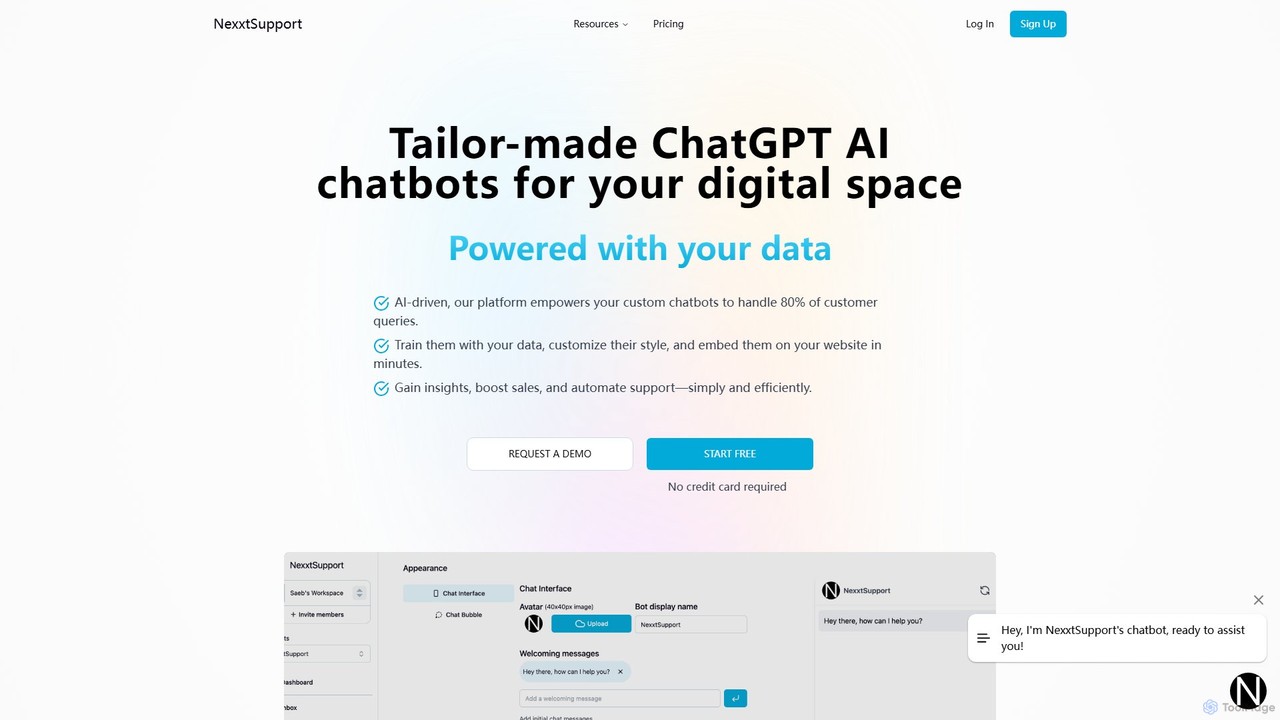
nexxtsupport is an AI-first, all-in-one platform for creating custom ChatGPT-powered chatbots. Train them on your own data to …

2.5K

About Internal Tools

Internal Tools are AI-powered solutions designed to streamline and automate various operational workflows within an organization, particularly enhancing efficiency in human resources (HR) and administrative tasks. These tools leverage artificial intelligence to process data, manage tasks, and facilitate communication, enabling businesses to build custom applications and dashboards without extensive coding. They empower teams to manage employee data, automate onboarding processes, track performance, and centralize internal knowledge, ultimately boosting productivity and improving employee experience.

Core Features

  • Workflow Automation: Automates repetitive tasks like approvals, data entry, and notifications across departments.
  • Custom Application Builder: Allows non-technical users to create bespoke internal apps for specific business needs, such as project tracking or inventory management.
  • Data Integration & Analytics: Connects disparate data sources to provide unified dashboards and actionable insights for better decision-making.
  • Knowledge Management: Centralizes and organizes internal documents, policies, and FAQs, making information easily accessible to employees.
  • Employee Self-Service Portals: Provides employees with direct access to HR information, leave requests, and benefits management, reducing HR workload.

Applicable Scenarios

Internal Tools are invaluable for organizations seeking to optimize their operational efficiency and employee management. They are widely adopted by HR departments for automating onboarding and offboarding, by IT teams for managing support tickets, and by operations for tracking assets. Companies with complex internal processes or those needing rapid development of custom applications benefit significantly from these versatile AI-driven platforms.

How to Choose

When selecting AI Internal Tools, prioritize solutions offering robust customization capabilities to align with unique business processes. Evaluate their integration potential with existing HRIS, CRM, or ERP systems to ensure seamless data flow. Consider the platform's scalability to accommodate future growth and its security features for protecting sensitive employee and company data. User-friendliness and low-code/no-code development options are also crucial for empowering non-technical staff.

Internal ToolsUse Cases

1

Automating Employee Onboarding Workflows

HR managers utilize internal tools to create automated onboarding sequences. This includes sending welcome emails, assigning training modules, setting up access to internal systems, and collecting necessary documents, ensuring a consistent and efficient experience for new hires while reducing manual administrative burden.

2

Streamlining Performance Review Processes

Team leads and HR professionals deploy internal tools to standardize and automate performance review cycles. The tools facilitate goal setting, feedback collection from peers and managers, progress tracking, and report generation, providing a comprehensive overview of employee performance and development needs.

3

Centralizing Internal Knowledge Base

Operations teams leverage internal tools to build a searchable, centralized repository for company policies, procedural guides, FAQs, and best practices. This ensures all employees have immediate access to accurate information, reducing inquiries to HR and support teams and fostering self-sufficiency.

4

Facilitating Cross-Departmental Project Collaboration

Project managers use internal tools to create custom dashboards for tracking project progress, assigning tasks, and managing resources across different departments. These tools enable real-time updates, communication, and document sharing, enhancing transparency and coordination for complex projects.

5

Simplifying Expense Reporting and Approval

Employees submit expense reports through a custom internal application, which automatically routes them to the appropriate manager for approval based on predefined rules. The tool integrates with finance systems, streamlining the entire process from submission to reimbursement and reducing manual errors.

6

Managing Employee Training and Development

Learning & Development (L&D) departments use internal tools to track employee training progress, assign courses, and manage certifications. The platform can send automated reminders, generate completion reports, and help identify skill gaps, ensuring continuous professional growth within the organization.

Internal ToolsFrequently Asked Questions