ToolMage
Sign in

Best 2 Job Search AI tools for Hr

Popular Job Search AI tools in Hr include JobWizard and Algojobs, helping you work more efficiently.

Algojobs
Paid

Algojobs

Algojobs is an AI-powered platform that automates the job search process. It intelligently finds relevant job openings and automatically applies on your behalf, saving you countless hours. The system learns from your corrections to improve application accuracy over time, making your job hunt more efficient and less stressful.

Personal Assistant
Visits 6.5KFavorites 127Likes 148
JobWizard
Freemium

JobWizard

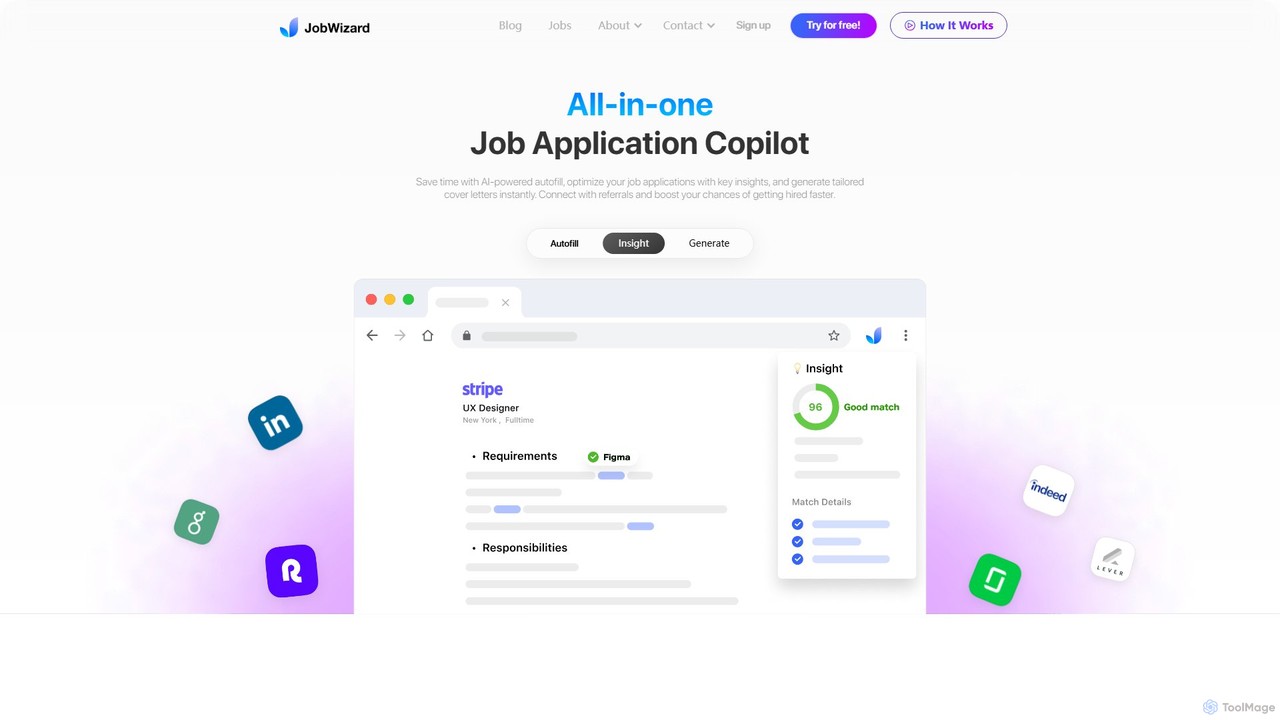
JobWizard is an all-in-one AI job application copilot designed to accelerate your job search. It automates applications with AI-powered autofill, generates tailored cover letters and answers, optimizes your resume for ATS, and helps you find internal referrals to boost your chances of getting hired.

Job Search
Visits 20.3KFavorites 158Likes 145

About Job Search

AI Job Search tools are a specialized category of HR technology designed to automate and optimize the process of finding relevant employment opportunities for individuals. These tools utilize machine learning algorithms to parse resumes, match skills against job descriptions, and filter vast online job boards to deliver personalized recommendations. They empower job seekers by significantly reducing manual search time, uncovering unlisted or niche positions, and providing data-driven insights to tailor applications effectively. Unlike broader HR suites that serve recruiters, these tools are built specifically for the candidate's journey.

Core Features

  • Automated Job Matching: Intelligently scans job postings across multiple platforms to find roles that align with your skills, experience, and career goals.
  • Resume Optimization: Analyzes your resume against specific job descriptions and suggests keyword and formatting improvements to pass Applicant Tracking Systems (ATS).
  • Personalized Career Pathing: Recommends potential career tracks and upskilling opportunities based on your profile and market trends.
  • Interview Preparation: Offers AI-powered coaching, generating practice questions and providing feedback on your responses.
  • Salary Benchmarking: Provides real-time market data to help you understand your worth and negotiate compensation effectively.

Use Cases

These tools are invaluable for active job seekers across all industries, from recent graduates to experienced professionals looking to make a career change. They are particularly useful for individuals in competitive fields like tech, marketing, and finance, where identifying the right opportunity quickly is crucial. Freelancers and consultants also use them to find new projects that match their specific expertise.

How to Choose

When selecting an AI Job Search tool, consider the scope of its job board integrations—more sources mean more opportunities. Evaluate the sophistication of its resume analysis and matching algorithm. Look for tools that offer additional features like interview coaching or salary data. Finally, consider the user interface and pricing model, whether it's a one-time fee, a subscription, or a freemium service.

Job Search use cases

1

Automated Job Matching for Tech Professionals

A software developer uses an AI job search platform to streamline their hunt for a new role. They upload their resume and specify their tech stack (e.g., Python, AWS, React), desired salary range, and remote work preferences. The AI continuously scans hundreds of job boards, company career pages, and recruiter listings. Each morning, the developer receives a curated email digest of the top 10 most relevant job openings that closely match their profile, saving them hours of manual searching and ensuring they never miss a prime opportunity.

2

Resume Optimization to Pass ATS Scans

A marketing manager is applying for competitive roles but suspects their resume isn't getting past the initial screening. They use an AI tool to upload their resume and the description of a target job. The AI analyzes both documents, identifies missing keywords crucial for Applicant Tracking Systems (ATS), and suggests specific phrasing changes. It provides a match score, and the manager edits their resume directly in the tool until the score improves significantly, increasing the likelihood of their application being seen by a human recruiter.

3

AI-Powered Interview Preparation and Coaching

A recent graduate is preparing for their first major job interview. They use an AI interview coach to practice. The tool generates common and role-specific questions based on the job description they provide. As they answer the questions via their webcam, the AI provides real-time feedback on their pacing, use of filler words (like 'um' and 'ah'), and body language. After the session, they receive a detailed report with suggestions for improvement, helping them build confidence and polish their delivery before the actual interview.

4

Discovering Alternative Career Paths

An individual with five years of experience in customer service feels stuck and wants a career change but is unsure what roles their skills would transfer to. They input their resume and interests into an AI career pathing tool. The AI analyzes their core competencies—such as communication, problem-solving, and CRM software proficiency—and suggests alternative career paths like 'Customer Success Manager,' 'Technical Support Specialist,' or 'Sales Operations Coordinator.' For each path, it shows salary expectations, required skills, and even suggests online courses to bridge any gaps.

5

Generating Tailored Cover Letters

A job seeker needs to apply to multiple positions but finds writing a unique cover letter for each one time-consuming. They use an AI tool where they upload their resume and paste the job description. The AI generates a draft cover letter that highlights the most relevant experiences and skills from their resume and aligns them with the specific requirements listed in the job description. The job seeker can then quickly review, personalize, and finalize the letter, reducing the time spent on each application from an hour to just a few minutes.

6

Salary Benchmarking for Negotiation

A data analyst receives a job offer. Before accepting, they use an AI job search tool's salary benchmarking feature. They input the job title, location, company size, and their years of experience. The tool aggregates real-time salary data from thousands of similar roles, providing a detailed report showing the market average, as well as the 25th and 75th percentile salary ranges. Armed with this data, the analyst identifies that the offer is slightly below market rate and confidently negotiates a 10% increase, securing a more competitive compensation package.

Job Search FAQ

What are AI Job Search tools?

AI Job Search tools are applications that use artificial intelligence, particularly machine learning, to help individuals find jobs more efficiently. They automate tasks like searching job boards, matching a user's resume to relevant openings, and optimizing application materials. Their primary goal is to reduce the manual effort of job hunting and increase the quality and relevance of opportunities presented to the user.

How do I choose the right AI Job Search tool?

To choose the right tool, consider your specific needs. Look for these key factors:

  • Features: Do you need resume optimization, cover letter generation, interview prep, or just job matching?
  • Job Source Aggregation: Does it scan a wide variety of job boards, company sites, and platforms like LinkedIn?
  • User Interface: Is the platform intuitive and easy to use?
  • Pricing: Is it a free tool, a one-time purchase, or a recurring subscription? Evaluate if the cost aligns with the value it provides for your job search.
What's the difference between an AI Job Search tool and a traditional job board?

A traditional job board (like Indeed or Monster) is a passive database where you manually search for jobs using keywords and filters. An AI Job Search tool is an active, personalized agent. It learns from your profile and activity to proactively find and recommend jobs for you. While job boards provide the raw listings, AI tools add a layer of intelligence to analyze, match, and optimize your entire application process, saving you time and improving your chances of success.

Can AI tools guarantee me a job?

No, AI tools cannot guarantee you a job. They are powerful assistants designed to make your job search more efficient and effective. They can significantly increase your chances of getting noticed by recruiters and landing interviews by optimizing your resume and finding the best-fit roles. However, the final hiring decision always depends on your qualifications, interview performance, and the employer's specific needs. Think of them as a competitive advantage, not a magic solution.

Who can benefit most from using AI Job Search tools?

While anyone can benefit, certain groups find these tools particularly valuable:

  • Active Job Seekers: Individuals applying to many positions can save significant time on searching and tailoring applications.
  • Career Changers: AI can help identify transferable skills and suggest new career paths they might not have considered.
  • Professionals in Competitive Fields: In sectors like tech or finance, speed and precision are key. AI helps find and apply to the best roles faster.
  • Recent Graduates: These tools can help optimize a new resume and provide valuable interview practice.