Hr Best in category 9 results Employee Engagement AI Tool

Popular AI tools in the Employee Engagement field of Hr include Haller.ai、DailyBot、wrenly、Asa.Team、Opre、orgengage、mculture、burnoutbot、Gift With Bear, etc., helping you quickly improve efficiency.

DailyBot

DailyBot

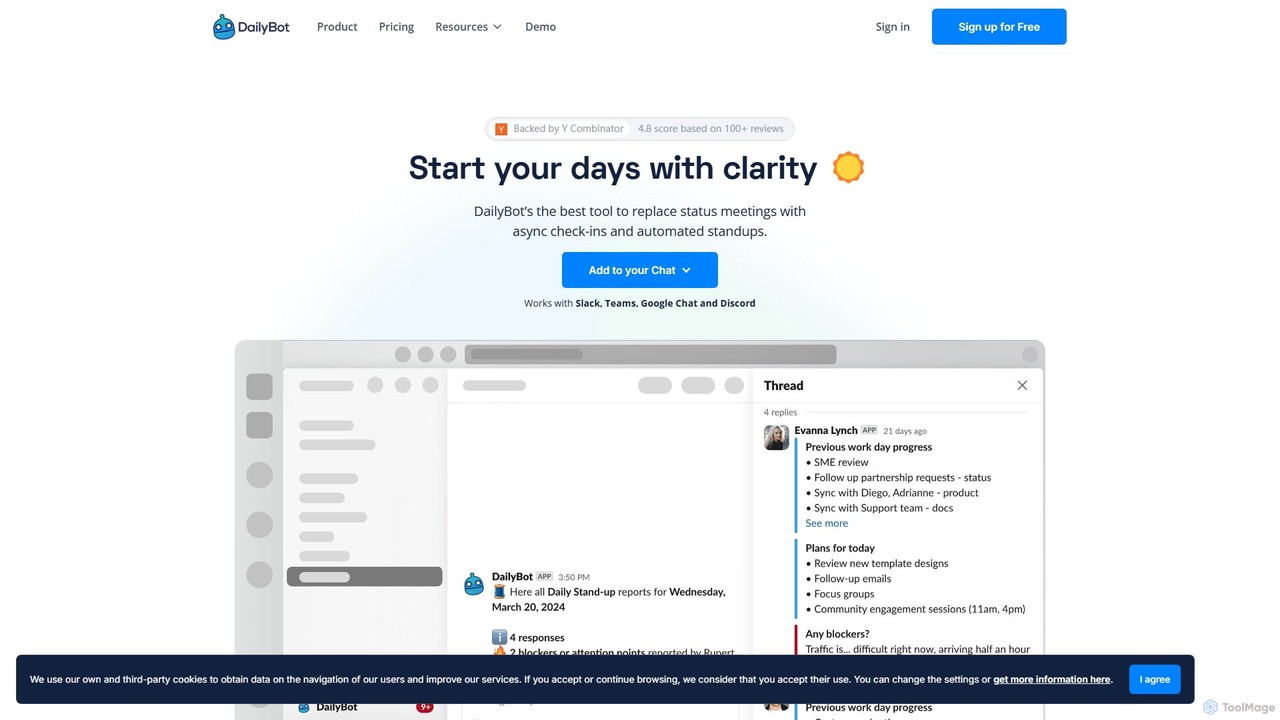
DailyBot is an AI-powered chatbot for agile and remote teams, automating daily stand-ups, team check-ins, and feedback collection. …

47.4K
mculture

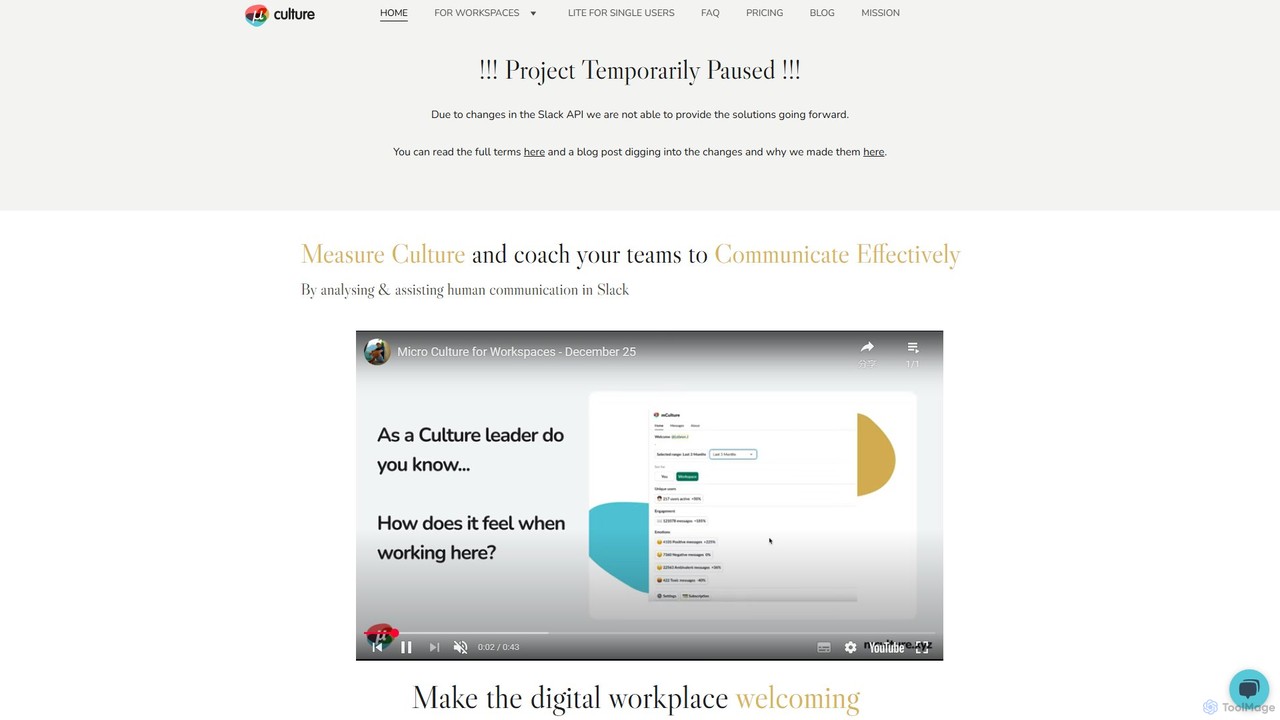
mculture

mculture is a people analytics platform for Slack that uses AI to analyze communication sentiment. It aims to …

1.8K
Gift With Bear

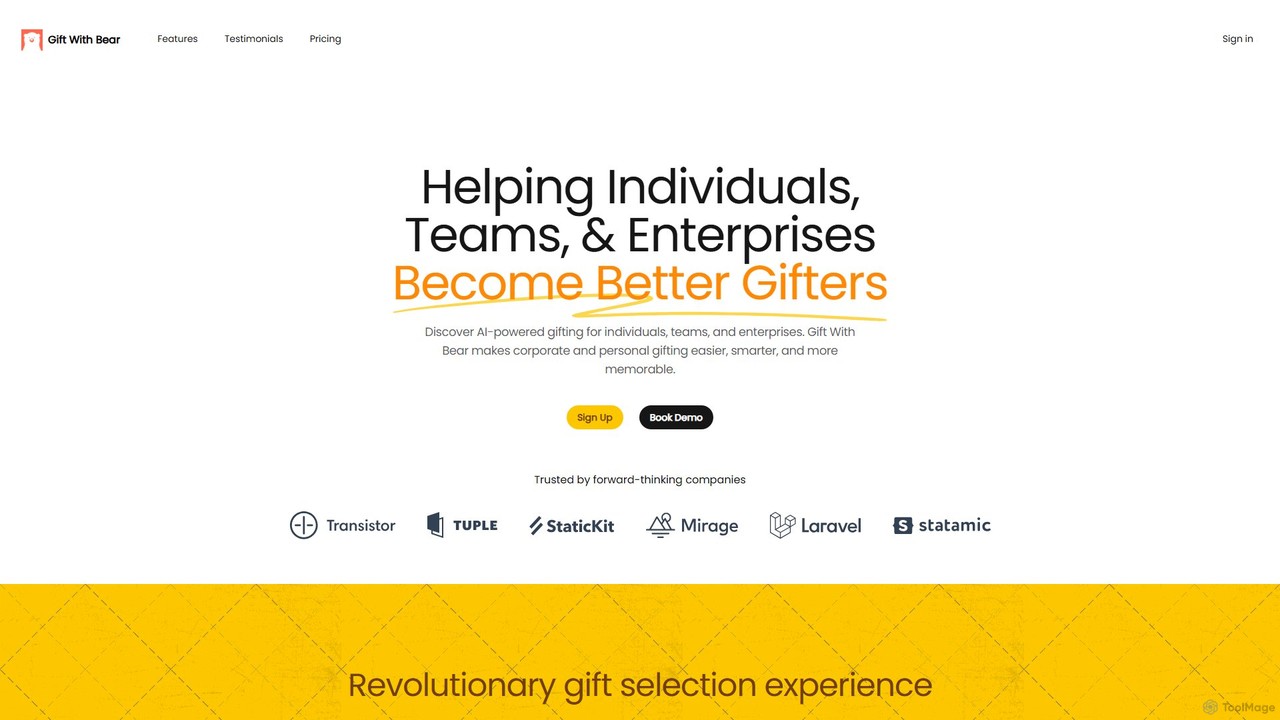
Gift With Bear

An AI-powered gifting platform for individuals, teams, and enterprises. It simplifies corporate and personal gifting by offering personalized, …

1.8K
Asa.Team

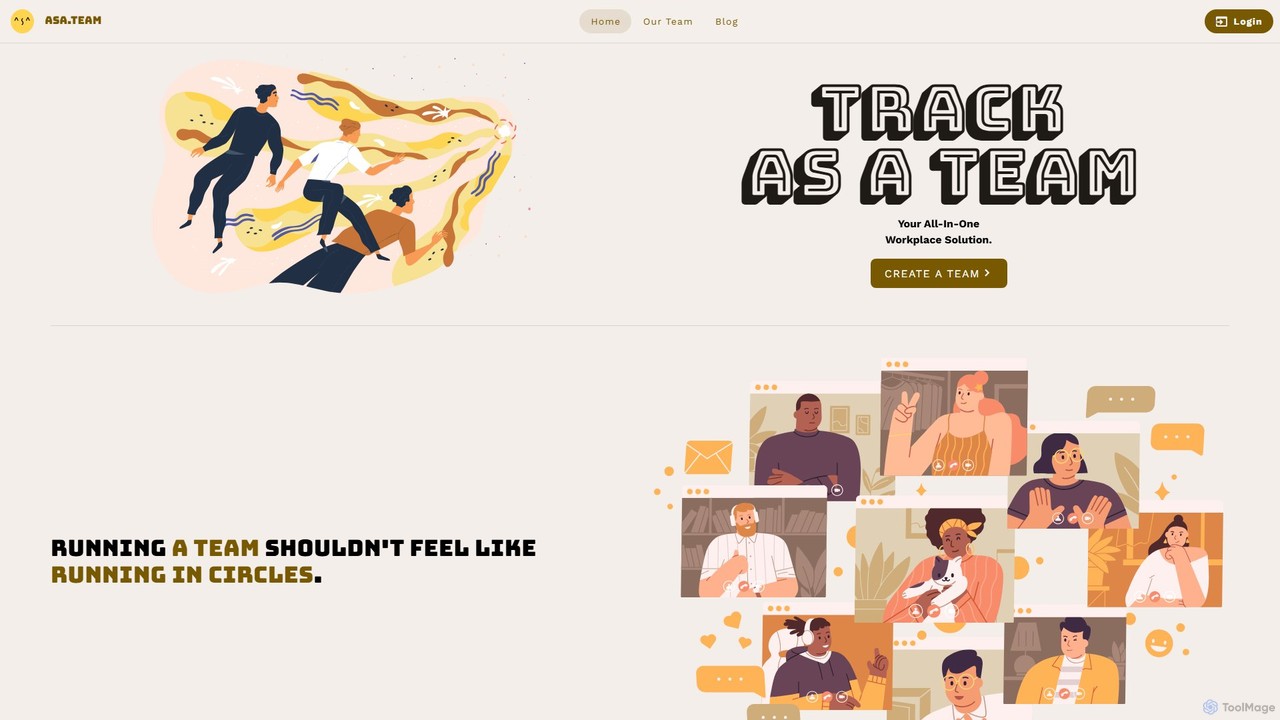
Asa.Team

Asa.Team is an all-in-one AI workplace assistant designed to streamline team management for remote, hybrid, and on-site teams. …

6.1K
Haller.ai

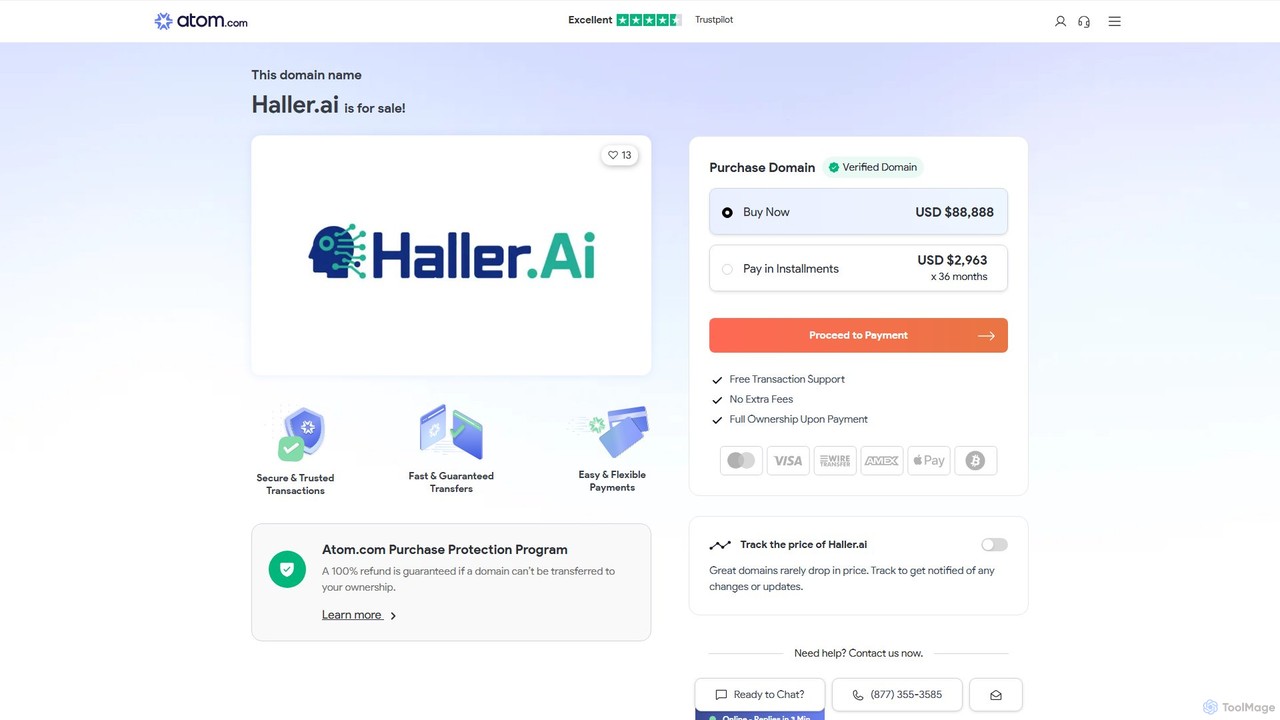
Haller.ai

Haller.ai is an AI-powered platform designed to enhance corporate communication by streamlining town halls and all-hands meetings. It …

3.2M
wrenly

wrenly

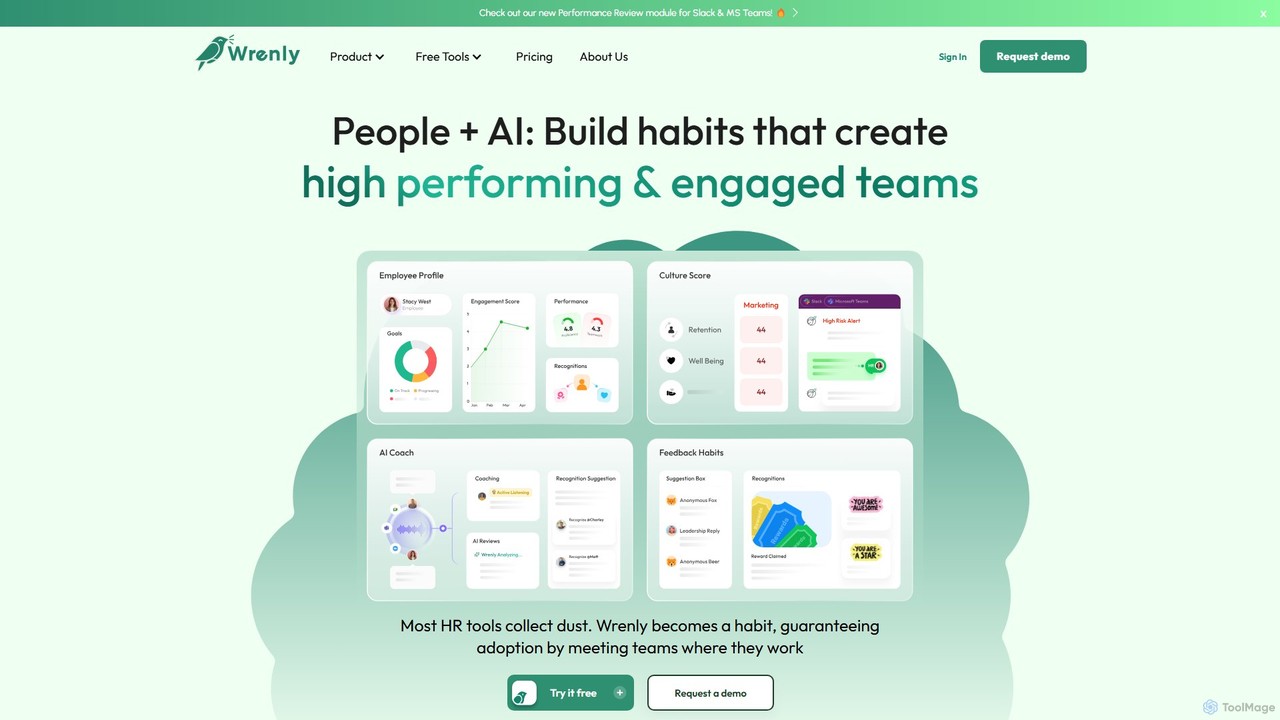
Wrenly is an AI-powered employee engagement platform for Slack and Microsoft Teams. It facilitates anonymous feedback, peer recognition, …

10.5K
burnoutbot

burnoutbot

burnoutbot is an AI-powered wellness companion designed to help individuals and teams prevent and manage burnout. Through conversational …

1.8K
Opre

Opre

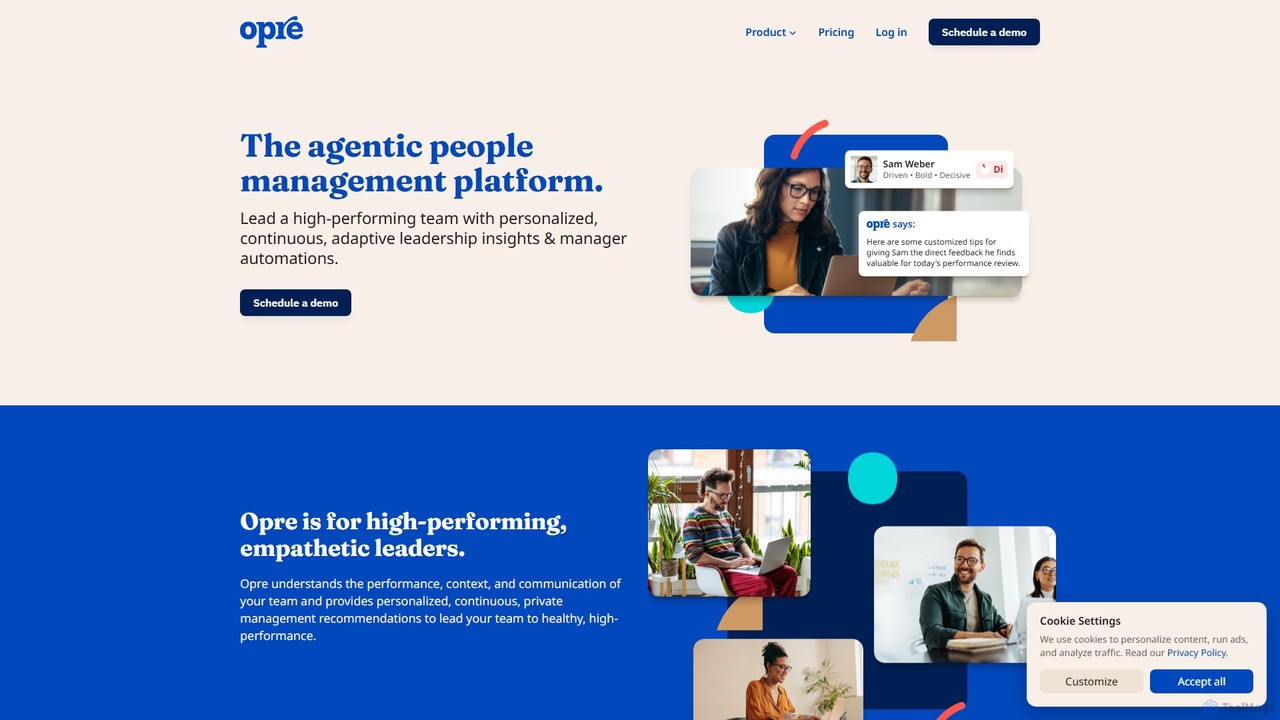
Opre is an AI-powered people management platform designed for leaders. It provides personalized coaching, automates manager tasks, and …

3.2K
orgengage

orgengage

orgengage is an AI-powered Slack application designed to enhance team engagement and build a strong company culture, especially …

2.0K

About Employee Engagement

AI Employee Engagement tools are specialized platforms that use artificial intelligence to measure, analyze, and improve workforce morale and satisfaction. These tools leverage natural language processing (NLP) and machine learning to interpret employee feedback from surveys, communication channels, and performance data in real-time. Their primary value lies in providing organizations with actionable insights to proactively address issues, boost retention, and cultivate a positive company culture. This data-driven approach moves beyond traditional annual surveys, offering a continuous understanding of the employee experience.

Core Features

  • Sentiment Analysis: Automatically analyzes text from surveys and communication platforms to gauge employee mood and identify key themes.
  • AI-Powered Pulse Surveys: Deploys short, frequent, and intelligent surveys to capture real-time feedback without causing survey fatigue.
  • Attrition Prediction: Uses predictive analytics to identify employees or teams at high risk of turnover based on engagement patterns.
  • Automated Recognition: Suggests and facilitates peer-to-peer recognition based on collaboration and performance data.
  • Actionable Recommendations: Provides managers with personalized, data-driven suggestions to improve their team's engagement.

Use Cases

These tools are widely used by HR departments, team leaders, and senior management in mid-to-large sized companies. They are particularly valuable in fast-paced industries like tech, finance, and retail, where retaining top talent is critical. Common applications include monitoring morale during organizational changes, understanding the drivers of burnout, and measuring the impact of new workplace policies.

How to Choose

When selecting an AI Employee Engagement tool, consider its integration capabilities with your existing communication platforms like Slack or Microsoft Teams. Evaluate the depth and clarity of its analytics dashboard and the actionability of its recommendations. Data privacy and security compliance (like GDPR) are crucial. Also, assess the platform's scalability to grow with your organization and its pricing model.

Employee EngagementUse Cases

1

Analyze Real-time Feedback During Organizational Change

An HR manager at a large tech company undergoing a merger needs to monitor employee morale in real-time. They use an AI Employee Engagement tool to deploy weekly pulse surveys with targeted questions about the transition. The tool's NLP capabilities instantly analyze thousands of open-ended comments, categorizing them into themes like 'Communication Clarity,' 'Future Role Concerns,' and 'Leadership Trust.' The manager receives a dashboard summary, allowing them to identify specific departments with low morale and proactively address their concerns with targeted communication, preventing a drop in productivity and rise in attrition.

2

Proactively Identify and Reduce Attrition Risk

A team lead in a customer support center notices a decline in performance from a few key team members. Instead of waiting for exit interviews, they consult their AI engagement platform. The tool's predictive analytics model has already flagged these employees as 'high attrition risk' based on decreased participation in team channels, negative sentiment in recent survey responses, and reduced peer recognition. The platform provides the team lead with specific, confidential coaching tips, such as initiating a conversation about workload or offering new development opportunities. This early, data-informed intervention helps re-engage the employees and prevent valuable talent from leaving.

3

Automate and Personalize Employee Recognition

A fully remote company wants to foster a stronger culture of appreciation. They integrate an AI engagement tool with their primary communication platform, Slack. The AI monitors public channels for positive keywords and phrases like 'great job,' 'thanks for the help,' or 'excellent presentation.' When it detects such an interaction, it prompts the sender to formalize the recognition with a 'kudo' or points. The system also tracks recognition patterns and reminds managers if certain team members haven't been recognized recently, ensuring appreciation is distributed more equitably and consistently, boosting morale across the organization.

4

Generate Action Plans for Team Managers

Following a quarterly engagement survey, a manager of a sales team receives a report showing low scores in 'Work-Life Balance' and 'Career Growth'. Instead of just raw data, the AI platform provides a prioritized list of actionable recommendations. For 'Work-Life Balance,' it suggests implementing 'no-meeting Fridays' and provides a template for discussing workload management. For 'Career Growth,' it recommends setting up individual development plan meetings and points to relevant internal training resources. This transforms managers from passive data recipients into active drivers of engagement, equipped with concrete steps to support their teams.

5

Measure the Impact of New HR Initiatives

A company's leadership team invests in a new comprehensive wellness program to combat burnout. To measure its ROI, the HR department uses an AI engagement tool to track sentiment before and after the program's launch. The tool analyzes communication data for keywords related to stress, workload, and well-being. Six months after implementation, the AI generates a report showing a 15% decrease in negative sentiment related to stress and a 20% increase in positive mentions of company benefits. This quantifiable data provides clear evidence of the program's success, justifying the investment to the board and informing future HR strategy.

6

Enhance Onboarding for New Hires

An HR specialist wants to improve the onboarding experience for remote employees. They configure their AI engagement tool to send automated pulse surveys to new hires at the 7-day, 30-day, and 90-day marks. The questions are designed to gauge their understanding of their role, their connection with their team, and the effectiveness of training. The AI analyzes responses and flags any new hire who expresses confusion or feelings of isolation. This triggers an automated notification to their manager and the HR specialist to check in, allowing for timely intervention and ensuring new employees feel supported and integrated from day one.

Employee EngagementFrequently Asked Questions