ToolMage
Sign in

Best 8 Data Enrichment AI tools for Marketing

Popular Data Enrichment AI tools in Marketing include Clearbit, Databar.ai, AroundDeal, airscale, useArtemis, trestleiq, Parvenu, and NioLeads, helping you work more efficiently.

trestleiq
Freemium

trestleiq

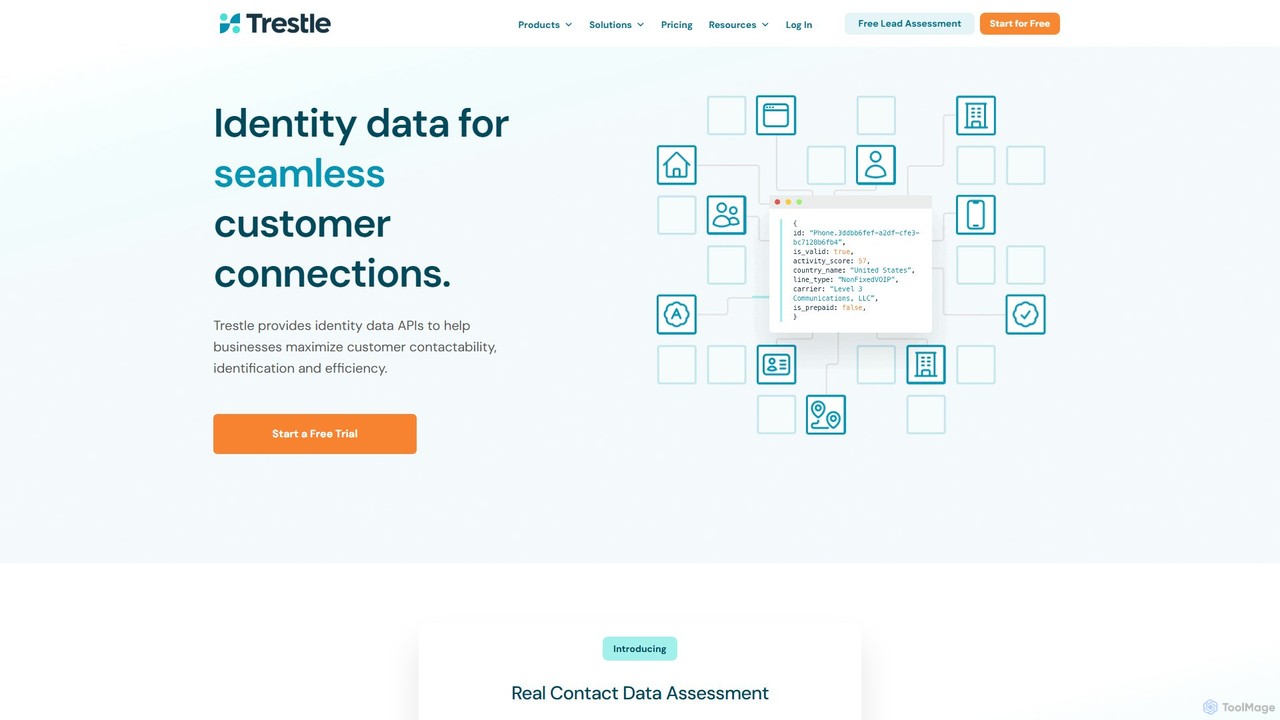
TrestleIQ provides enterprise-grade identity data enrichment and validation APIs. It helps businesses maximize customer contactability, verify identities, and prevent fraud by offering real-time data on phone numbers, addresses, and individuals. Leveraging machine learning, TrestleIQ delivers accurate, low-latency insights for lead generation, customer service, and compliance, accessible via easy-to-integrate APIs or batch uploads.

Api
Visits 28.8KFavorites 128Likes 133
Parvenu
Freemium

Parvenu

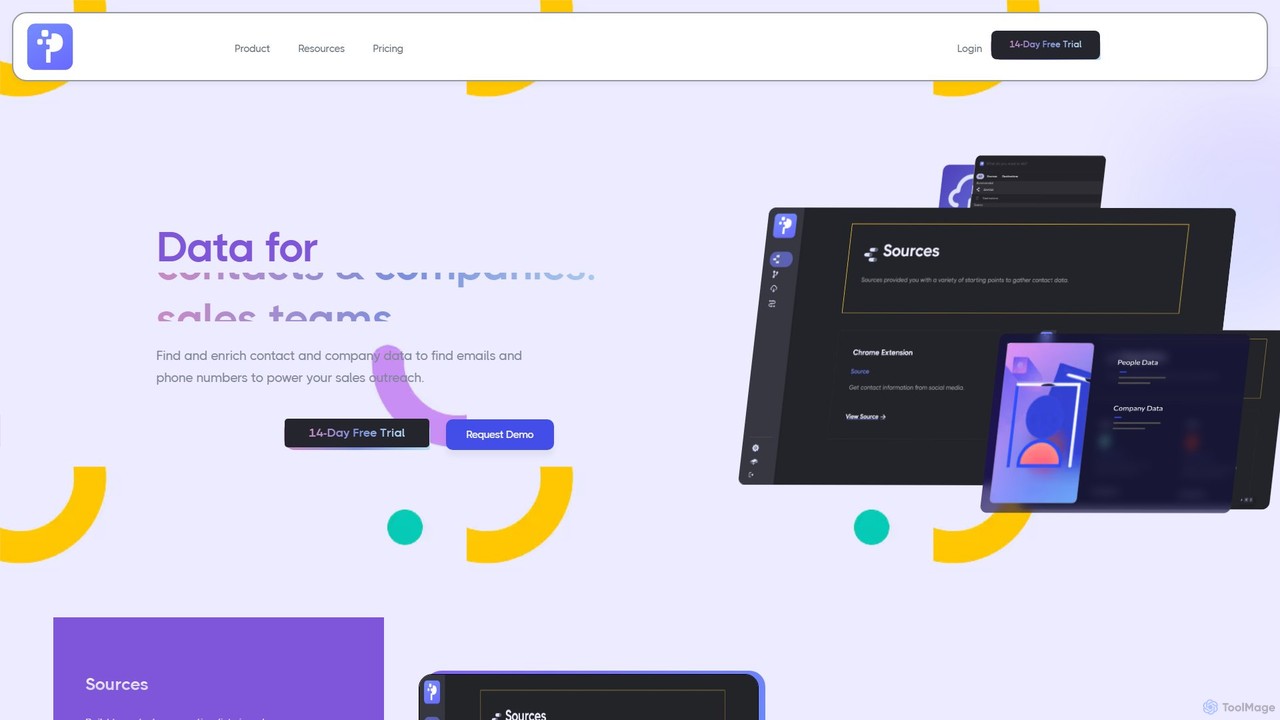
Parvenu is an AI-powered data enrichment and lead generation platform for sales and marketing teams. It helps users build targeted contact lists, enrich data with verified emails and company details, and create personalized outreach messages using AI. With seamless integrations with popular CRMs and email platforms, Parvenu streamlines the entire GTM workflow.

Data Enrichment
Visits 10.8KFavorites 117Likes 102
NioLeads
Freemium

NioLeads

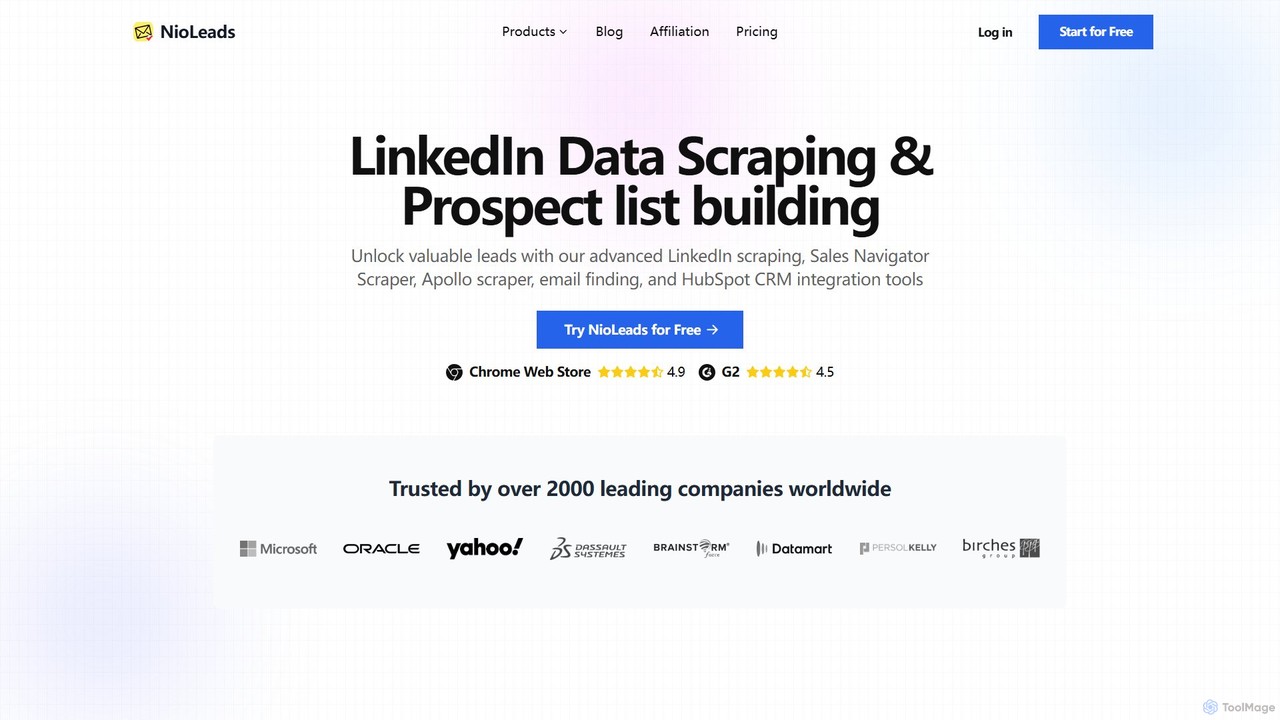
NioLeads is a powerful lead generation tool designed as a Chrome extension. It specializes in scraping data from LinkedIn, Sales Navigator, and Apollo.io, helping users build prospect lists effortlessly. The tool finds and verifies professional email addresses, bypasses platform limitations, and integrates seamlessly with HubSpot to streamline sales and marketing workflows.

Scraping
Visits 9.1KFavorites 167Likes 169
useArtemis
Freemium

useArtemis

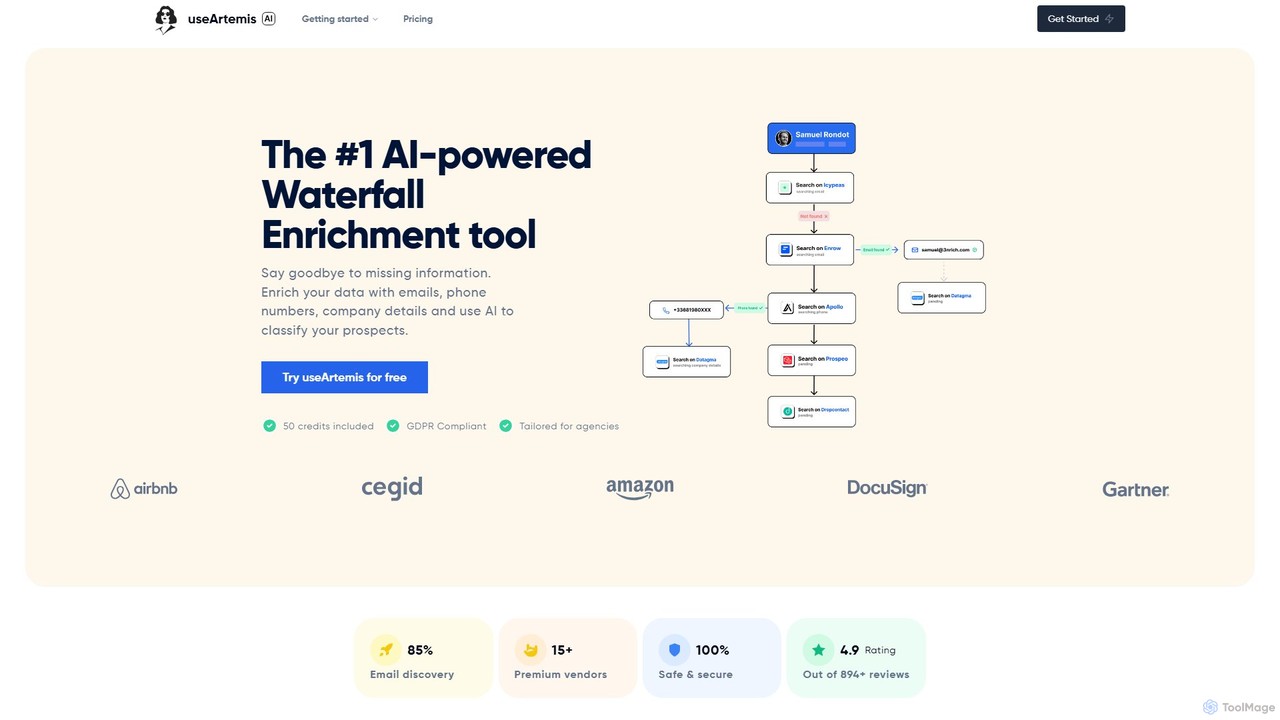
useArtemis is an AI-powered waterfall enrichment tool designed for sales and marketing teams. It specializes in finding verified email addresses and phone numbers for prospects, enriching lead data with over 10 data points from sources like LinkedIn, and using AI to classify and filter leads. It helps automate prospecting and increase pipeline quality.

Data Enrichment
Visits 36.9KFavorites 148Likes 159
Clearbit
Paid

Clearbit

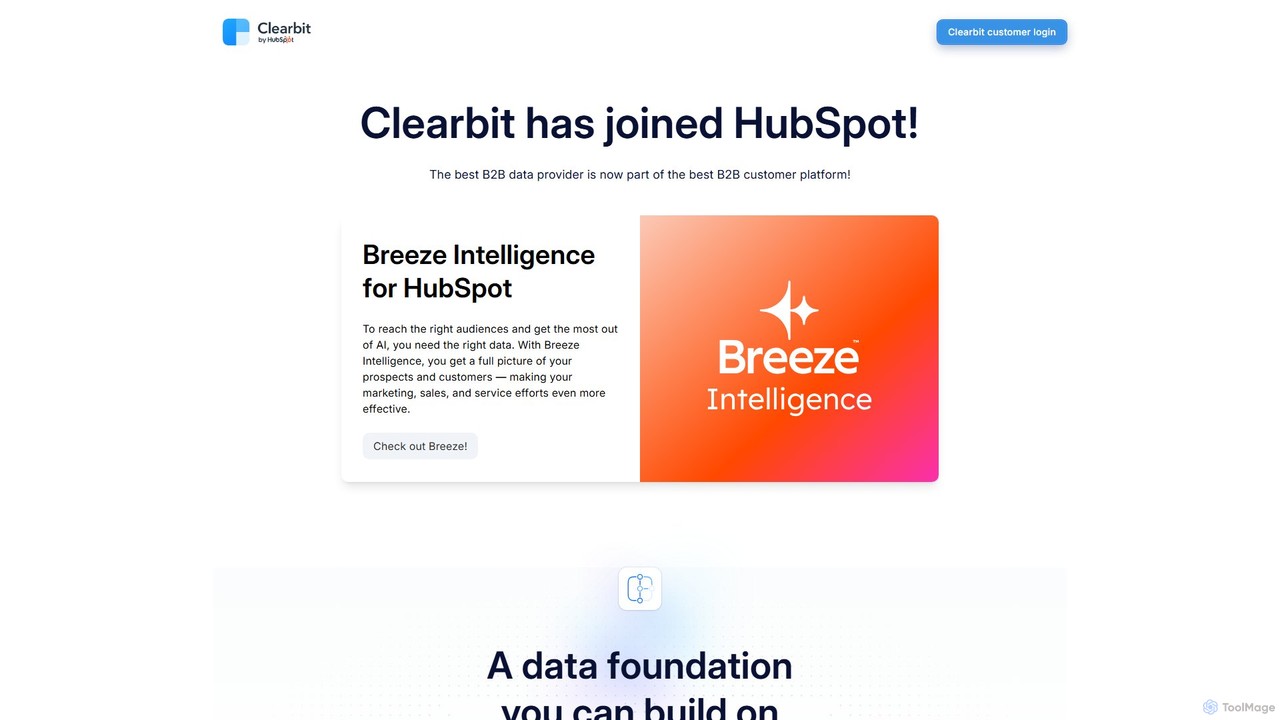
Clearbit is a B2B marketing intelligence platform, now part of HubSpot as Breeze Intelligence. It enriches customer records with comprehensive data, identifies anonymous web traffic, and scores leads in real-time. By leveraging public data, proprietary sources, and LLMs, it helps sales and marketing teams to target, engage, and convert their ideal customers more effectively.

Data Enrichment
Visits 142KFavorites 108Likes 111
Databar.ai
Freemium

Databar.ai

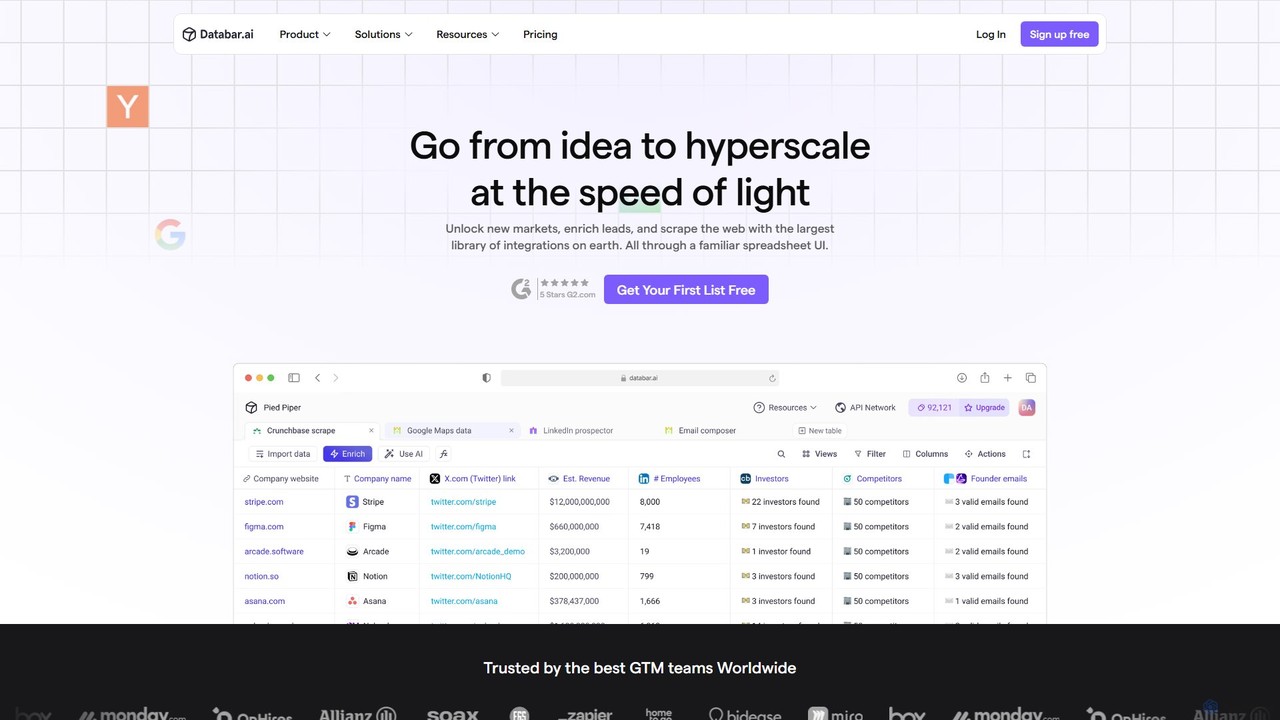
Databar.ai is a no-code data platform that empowers users to enrich data, automate research, and scrape the web by connecting to over 100 APIs through an intuitive spreadsheet interface. It's designed for sales, marketing, and GTM teams to build lead lists, personalize outreach, and conduct market research without writing any code.

Web Scraping
Visits 58.1KFavorites 122Likes 103
airscale
Freemium

airscale

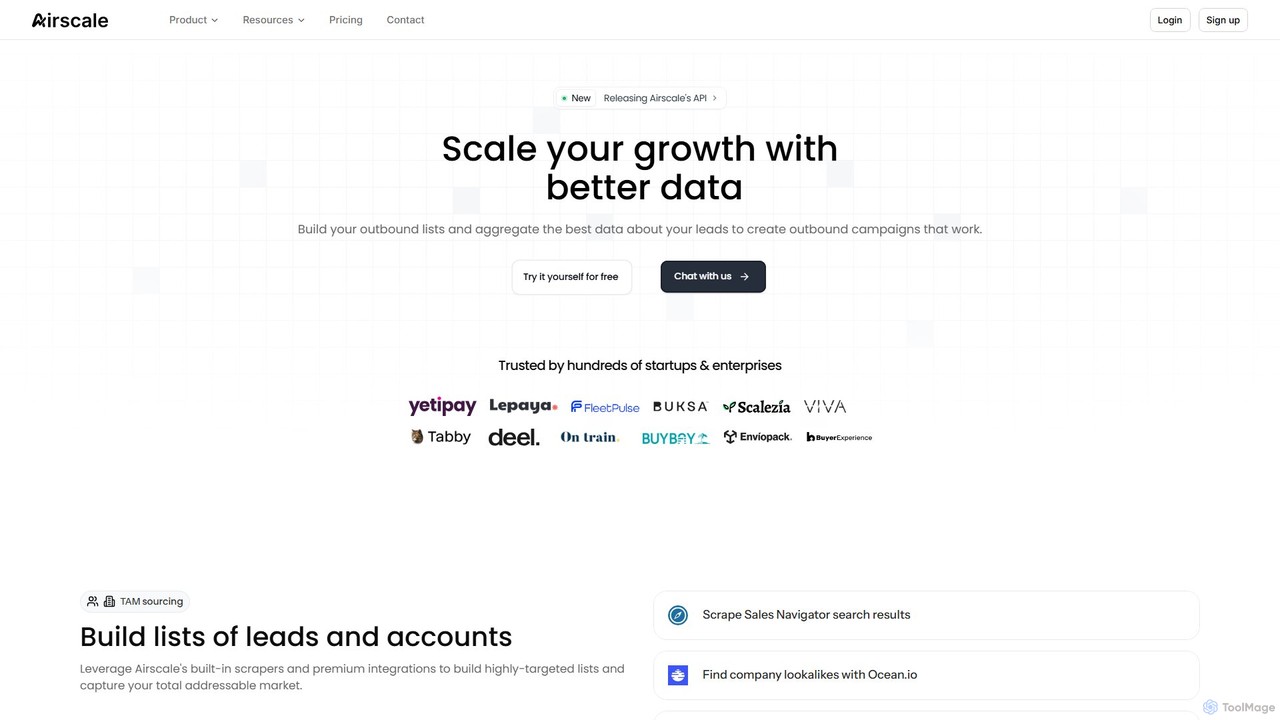
airscale is an AI-powered data enrichment and lead generation platform for sales and marketing teams. It helps build highly-targeted outbound lists by aggregating data from over 30 providers, including LinkedIn and Apollo. With features like waterfall enrichment for contacts, an AI research agent, and seamless CRM integration, airscale streamlines prospecting, improves data accuracy, and saves significant manual research time for more effective outreach.

Data Enrichment
Visits 38.6KFavorites 129Likes 131
AroundDeal
Freemium

AroundDeal

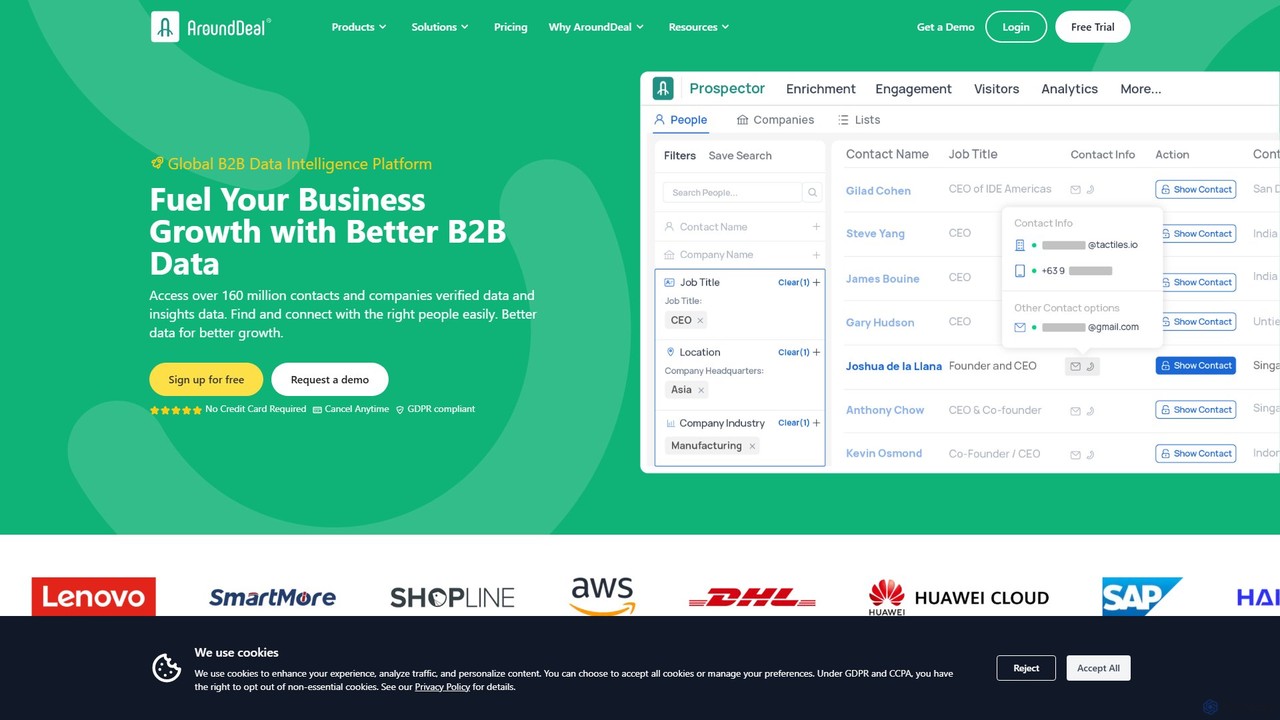
AroundDeal is a global B2B data intelligence platform offering access to over 160 million verified contacts and company profiles. It empowers sales, marketing, and recruitment teams to find leads, enrich data, and accelerate growth with an AI-powered platform and browser extension.

Recruiting
Visits 50.4KFavorites 100Likes 116

About Data Enrichment

Data Enrichment tools are AI-powered solutions that automatically enhance existing raw data with additional, contextual information from external sources. These tools match a known data point, such as an email address or company domain, against vast public and proprietary databases to append valuable details. This process transforms basic contact lists into rich, actionable profiles, enabling highly personalized marketing, accurate lead scoring, and deeper customer understanding. Unlike manual research, AI-driven data enrichment operates at scale and in real-time, ensuring information is consistently fresh and comprehensive.

Core Features

  • Contact Data Append: Adds personal and professional details like job titles, social profiles, and phone numbers to individual contacts.
  • Firmographic Enrichment: Appends company-level data, including industry, employee count, annual revenue, and technology stack.
  • Real-time Enrichment API: Integrates with web forms and CRMs to enrich lead data the moment it is captured.
  • Data Cleansing and Verification: Identifies and corrects outdated information while verifying the validity of emails and phone numbers.
  • Geographic and Demographic Data: Adds location-based information and demographic attributes for precise market segmentation.

Use Cases

These tools are primarily used by marketing operations managers, sales development representatives (SDRs), and data analysts in B2B sectors like SaaS, finance, and professional services. For instance, a marketing team can enrich a list of webinar attendees to segment follow-up communication by job function and company size, significantly improving engagement rates.

How to Choose

When selecting a Data Enrichment tool, consider four key factors. Evaluate the breadth, accuracy, and refresh rate of their data sources. Assess its integration capabilities with your existing CRM and marketing automation platforms. Compare pricing models, such as per-record fees versus subscription plans, to align with your usage volume. Finally, ensure the provider complies with data privacy regulations like GDPR and CCPA.

Data Enrichment use cases

1

Hyper-Personalize Email Marketing Campaigns

A B2B marketing manager for a SaaS company has a list of 5,000 newsletter subscribers with only email addresses. To increase engagement, they use a data enrichment tool to append job titles, industries, and company names to each contact. With this enriched data, they segment the list and create personalized email campaigns. For example, content for 'Marketing Managers' in the 'E-commerce' industry highlights relevant case studies, resulting in a 40% higher click-through rate compared to generic newsletters.

2

Automate Lead Scoring and Routing

A sales operations team integrates a data enrichment API with their CRM. When a new lead from a web form enters the system, the API is triggered automatically. It enriches the lead with firmographic data like company size, revenue, and industry. Based on this new data, a lead score is calculated. Leads matching the Ideal Customer Profile (ICP) with a high score are instantly routed to senior account executives, while smaller leads are assigned to the SDR team for nurturing. This automates a previously manual process, accelerating response times for high-value leads.

3

Enhance B2B Sales Prospecting Efficiency

A Sales Development Representative (SDR) is tasked with finding new prospects on LinkedIn. Instead of manually searching for contact information, they use a data enrichment browser extension. While viewing a prospect's LinkedIn profile, the SDR clicks a button, and the tool instantly provides a verified business email address and direct-dial phone number. This eliminates hours of manual research each week, allowing the SDR to focus their time on outreach and personalizing their communication, ultimately increasing the number of meetings booked.

4

Refine Customer Segmentation for Ad Campaigns

An e-commerce company wants to run targeted Facebook ad campaigns. Their customer database contains purchase history but lacks demographic details. They use a data enrichment service to append demographic data like age range, location, and interests to their customer profiles based on email addresses. With this enriched data, they create highly specific lookalike audiences on Facebook, targeting users who share characteristics with their best customers. This precision targeting leads to a lower cost-per-acquisition (CPA) and a higher return on ad spend (ROAS).

5

Qualify Leads Instantly with Real-time Form Enrichment

A technology company aims to reduce friction on its 'Request a Demo' form, which previously had many required fields. They implement a real-time data enrichment API. Now, the form only asks for a work email. When a user submits their email, the API instantly enriches it in the background, populating the company name, size, and the user's job title in the CRM. This creates a seamless user experience, increasing form conversions, while simultaneously providing the sales team with the necessary context to qualify and follow up with the lead effectively.

6

Maintain CRM Data Hygiene with Bulk Cleansing

A CRM administrator notices that their company's database has thousands of outdated or incomplete contact records. To improve data quality, they export the entire contact list and upload it to a bulk data enrichment platform. The platform processes the list, updating old job titles, verifying email addresses (and flagging invalid ones), standardizing company names, and filling in missing information like industry and location. The administrator then re-imports the clean, enriched data into the CRM, ensuring that sales and marketing teams are working with accurate and reliable information.

Data Enrichment FAQ

What are AI Data Enrichment tools?

AI Data Enrichment tools are software solutions that automatically append third-party data to an existing dataset. They take a single piece of information you already have, like an email address, and use it to find and add related data points from external databases. This typically includes contact details (job title, phone number), firmographics (company size, industry), and technographics (software a company uses). The primary goal is to transform incomplete records into comprehensive profiles for more effective sales and marketing.

How do I choose the right Data Enrichment tool?

To choose the right tool, evaluate these four key areas:

  • Data Quality and Coverage: Assess the accuracy, freshness, and breadth of their data sources. Do they cover the industries and regions relevant to your business?
  • Integration Capabilities: Ensure the tool integrates seamlessly with your existing systems, such as your CRM (e.g., Salesforce, HubSpot) and marketing automation platforms.
  • Pricing Model: Compare how vendors charge. Some use a per-record or credit-based system, while others offer monthly or annual subscriptions. Choose one that aligns with your expected usage volume.
  • Compliance and Security: Verify that the provider adheres to data privacy regulations like GDPR and CCPA to avoid legal risks.
What's the difference between Data Enrichment and Data Cleansing?

The key difference lies in their primary function. Data Enrichment is about adding new, external information to your existing data to make it more complete (e.g., adding a job title to a contact who only had an email). Data Cleansing (or data cleaning) is about fixing or removing inaccurate, incomplete, or duplicate data that already exists within your dataset (e.g., correcting a misspelled name or merging two duplicate contact records). While many tools offer both capabilities, enrichment adds value by appending new insights, whereas cleansing preserves value by ensuring accuracy.

What kind of data can be added through enrichment?

Data enrichment tools can append a wide variety of information to your records. Common data types include:

  • Contact Data: Job titles, seniority levels, direct-dial phone numbers, and verified email addresses.
  • Firmographic Data: Company name, industry (SIC/NAICS codes), employee count, annual revenue, and office locations.
  • Technographic Data: The technology stack a company uses, such as their CRM, marketing automation, or analytics tools.
  • Social Data: Links to professional profiles, primarily LinkedIn.
How does Data Enrichment support a marketing strategy?

Data enrichment is a foundational element of a modern marketing strategy. It directly enables several key activities:

  • Personalization: With data like job titles and industries, marketers can tailor messaging and content to resonate with specific audience segments.
  • Segmentation: It allows for the creation of highly targeted lists for email campaigns, digital advertising, and account-based marketing (ABM).
  • Lead Scoring: By adding firmographic data, marketing teams can more accurately score leads and prioritize the most promising opportunities for the sales team.
  • Improved Analytics: Enriched data provides deeper insights into the customer base, helping to refine the ideal customer profile (ICP) and overall strategy.