Marketing Best in category 4 results Event Management AI Tool

Popular AI tools in the Event Management field of Marketing include Goldcast、Bizzabo、Zuddl、Ivipop, etc., helping you quickly improve efficiency.

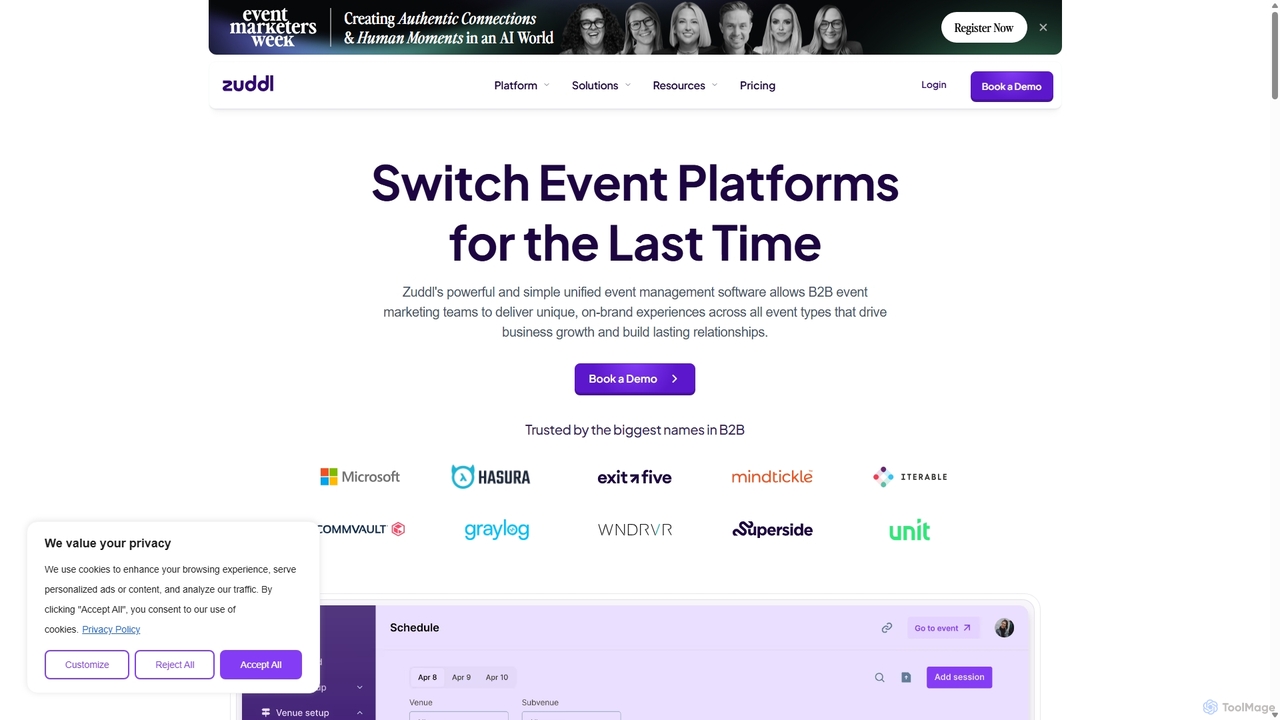
Zuddl

Zuddl

Zuddl is a modular, all-in-one platform for B2B marketers to plan and execute standout virtual and hybrid events. …

56.6K
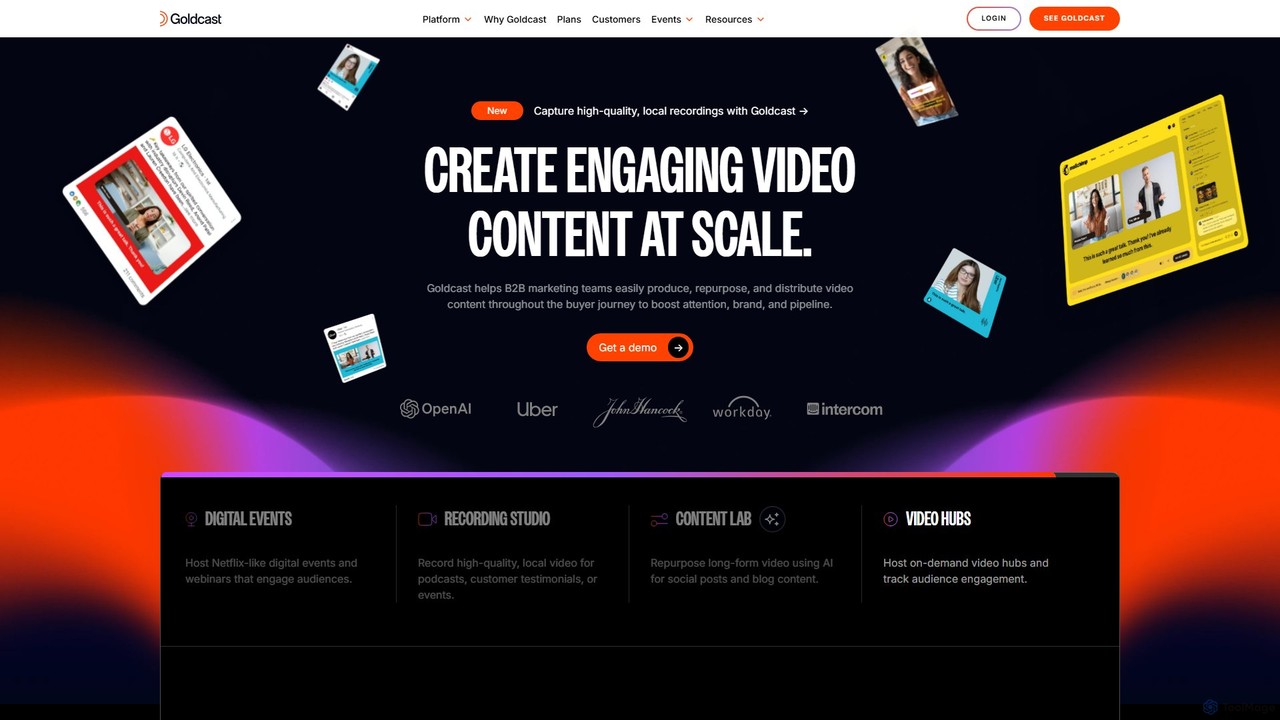
Goldcast

Goldcast

Goldcast is an AI-first video content platform for B2B marketers. It enables teams to create, repurpose, and distribute …

663.2K
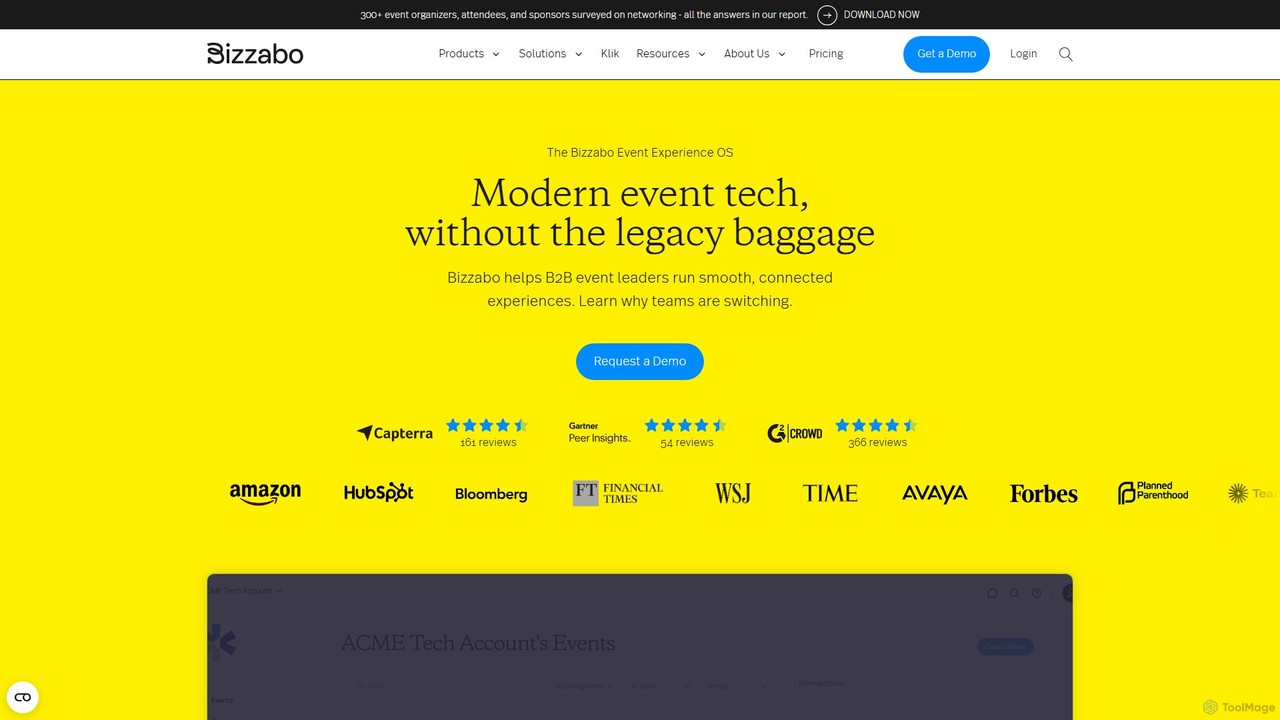
Bizzabo

Bizzabo

Bizzabo is an AI-powered Event Experience Operating System for virtual, in-person, and hybrid events. It provides a comprehensive …

271.2K
Ivipop

Ivipop

Ivipop is an upcoming AI-powered live event sharing platform from France, designed for creators and businesses to broadcast …

3.1K

About Event Management

AI Event Management tools are specialized platforms that leverage artificial intelligence to streamline and enhance various aspects of event planning, execution, and post-event analysis. These tools utilize machine learning, natural language processing, and data analytics to automate repetitive tasks, personalize attendee experiences, and provide data-driven insights. By integrating AI, they help event organizers, marketers, and businesses optimize resource allocation, improve engagement, and measure event ROI more effectively within the broader marketing strategy.

Core Features

  • Automated Registration & Ticketing: Streamlines the sign-up process, manages attendee data, and handles payment processing efficiently.
  • Personalized Attendee Journeys: Uses AI to recommend relevant sessions, networking opportunities, and content based on attendee profiles and behavior.
  • Predictive Analytics: Analyzes historical data to forecast attendance, resource needs, and potential risks, aiding proactive planning.
  • AI-Powered Communication: Automates personalized email campaigns, chatbot interactions, and real-time updates for attendees.
  • Sentiment Analysis: Monitors social media and feedback channels during and after events to gauge attendee mood and identify areas for improvement.

Use Cases

These tools are particularly valuable for corporate event planners managing large conferences, marketing teams organizing product launches, and virtual event hosts aiming for higher engagement. They assist in everything from initial budget forecasting and venue selection to real-time attendee support and comprehensive post-event reporting.

How to Choose

When selecting an AI event management tool, consider its integration capabilities with your existing CRM or marketing automation platforms, the breadth and depth of its AI features (e.g., personalization, analytics), scalability to accommodate different event sizes, and data security protocols. Evaluate the user interface for ease of use and the level of customer support offered.

Event ManagementUse Cases

1

Streamlining Event Registration and Check-in

Event organizers can use AI tools to automate the entire registration process, from customizable forms and secure payment gateways to automated confirmation emails and digital ticketing. AI-powered facial recognition or QR code scanning at check-in points significantly reduces wait times, enhances security, and provides real-time attendance tracking, freeing up staff to focus on attendee experience rather than administrative tasks.

2

Delivering Personalized Attendee Experiences

For large conferences or exhibitions, AI event management platforms analyze attendee profiles, interests, and past interactions to recommend relevant sessions, speakers, and networking opportunities. This personalization extends to dynamic agendas, tailored content suggestions, and intelligent matchmaking for one-on-one meetings, ensuring each attendee gets maximum value and feels more engaged with the event.

3

Optimizing Event Marketing Campaigns

Marketing teams leverage AI tools to optimize their event promotion strategies. AI analyzes audience demographics, engagement patterns, and conversion data to identify the most effective channels and messaging for different segments. This enables targeted advertising, personalized email sequences, and dynamic landing pages, leading to higher registration rates and a more efficient allocation of marketing budget.

4

Boosting Real-time Attendee Engagement and Support

During live or virtual events, AI-powered chatbots provide instant answers to frequently asked questions, guide attendees through the event platform, and offer technical support. AI can also monitor chat sentiment, identify trending topics, and even facilitate interactive polls or Q&A sessions, ensuring attendees feel heard and supported, which significantly improves their overall satisfaction.

5

Predictive Analytics for Event Resource Planning

Event managers utilize AI to forecast critical event metrics such as attendance numbers, catering requirements, and staffing needs. By analyzing historical data, market trends, and registration patterns, AI provides accurate predictions, helping to prevent overspending or under-resourcing. This data-driven approach minimizes waste, optimizes logistics, and ensures a smoother, more cost-effective event execution.

6

Automating Post-Event Follow-up and Lead Nurturing

After an event, AI tools automate the follow-up process by sending personalized thank-you notes, feedback surveys, and relevant content based on attendee engagement during the event. For B2B events, AI can identify hot leads, segment them based on interaction data, and integrate with CRM systems to initiate targeted sales nurturing campaigns, maximizing the event's long-term ROI.

Event ManagementFrequently Asked Questions