Marketing Best in category 3 results Keyword Research AI Tool

Popular AI tools in the Keyword Research field of Marketing include SEOsolved、Keywordgrid、CheckFast, etc., helping you quickly improve efficiency.

SEOsolved

SEOsolved

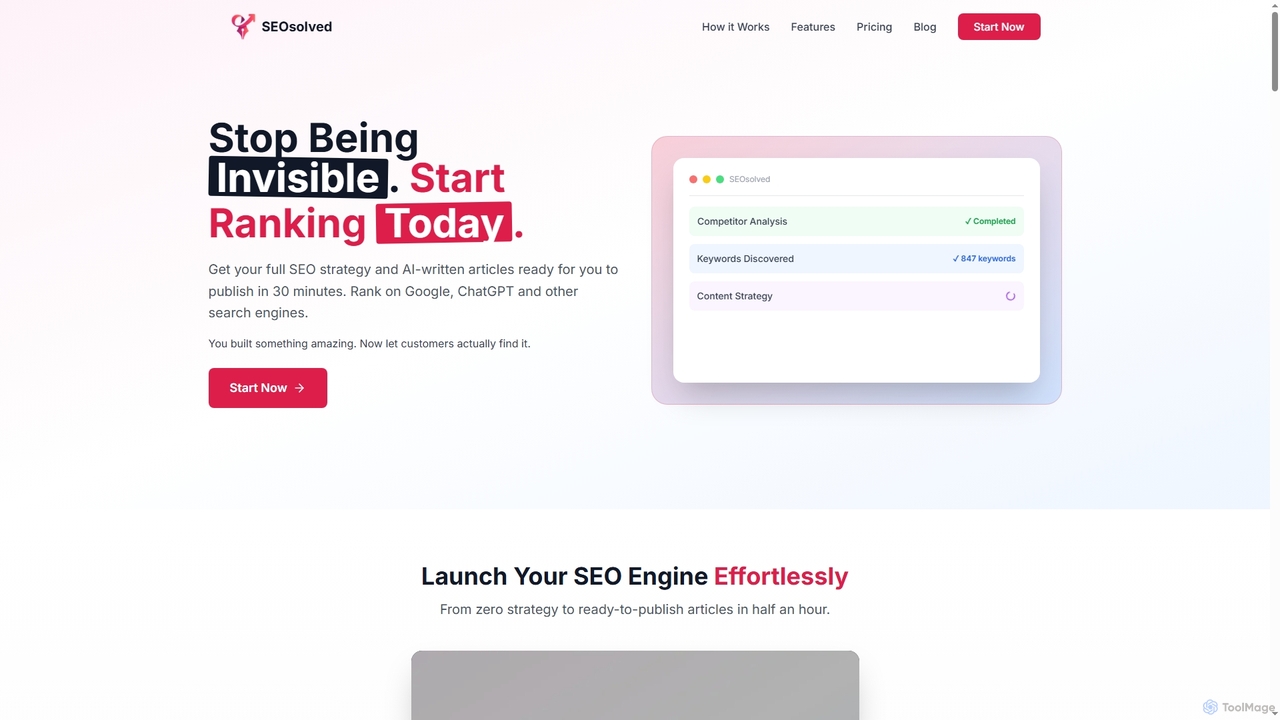
SEOsolved is an AI-powered platform that generates a complete SEO content strategy and ready-to-publish articles in minutes. It …

3.2K
Keywordgrid

Keywordgrid

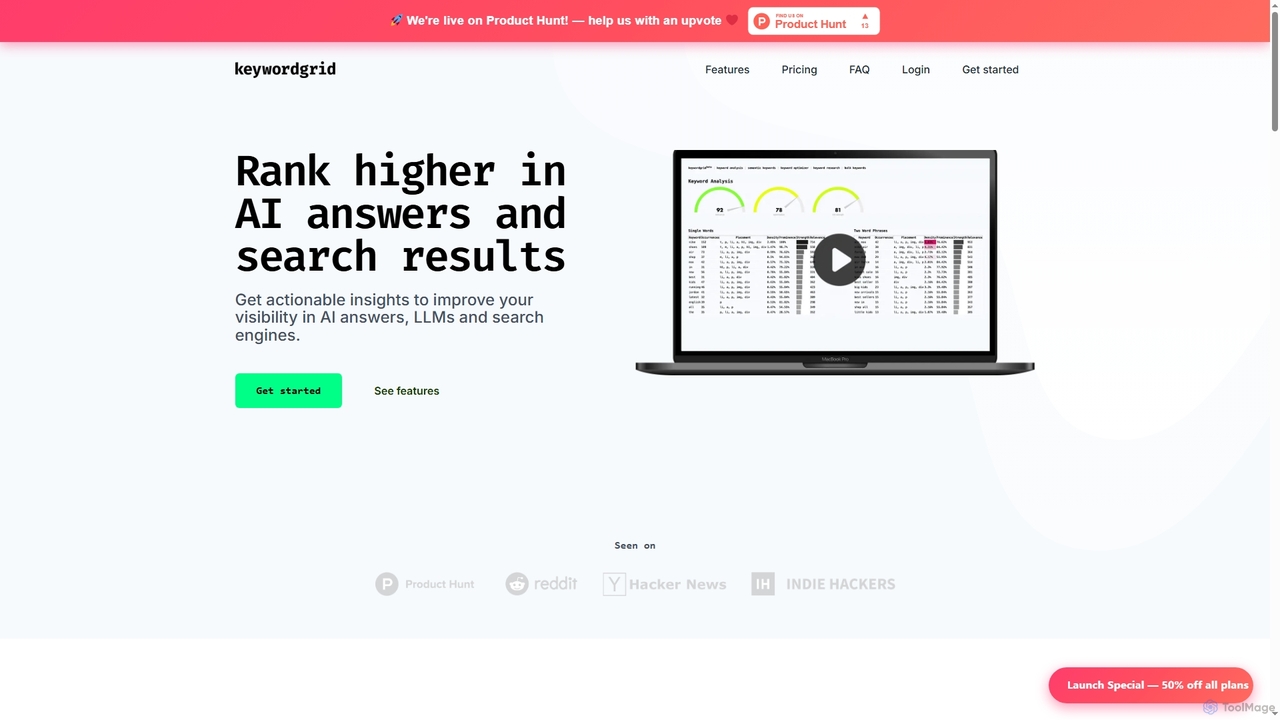
Keywordgrid is an AI-powered SEO optimization and semantic analysis tool designed to improve your content's visibility in both …

3.2K
CheckFast

CheckFast

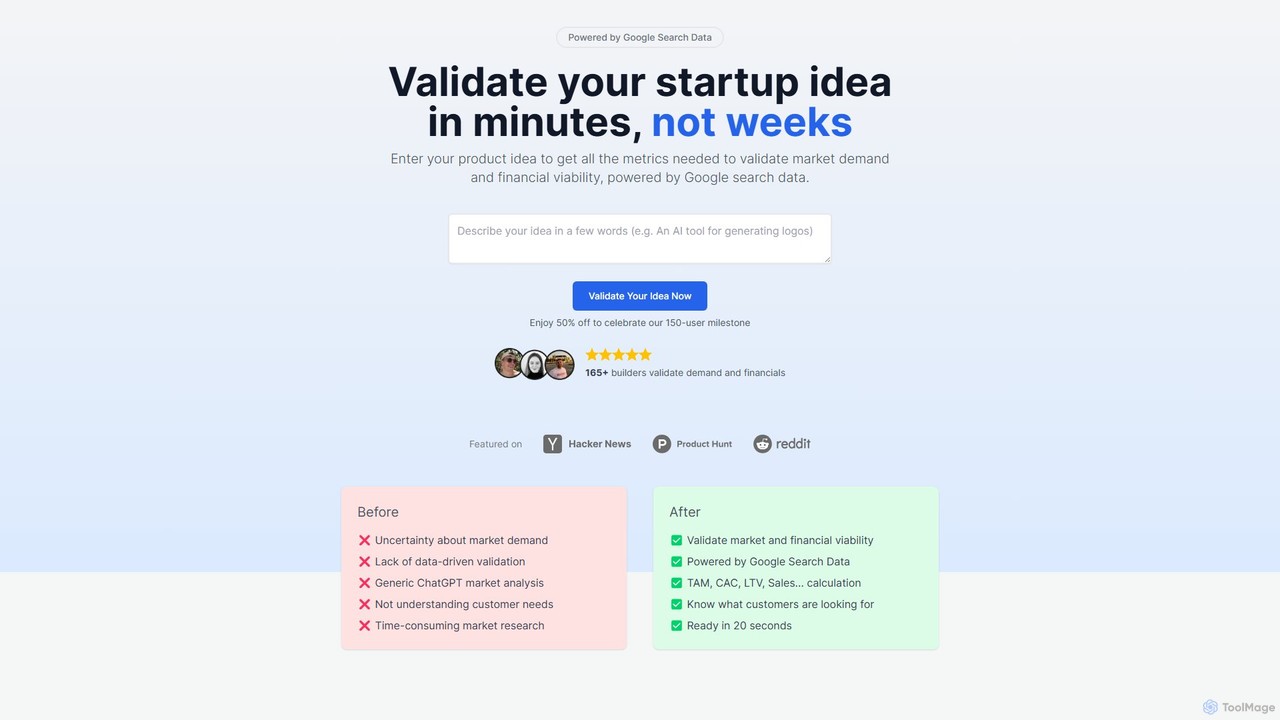
CheckFast is an AI-powered tool for entrepreneurs and founders to instantly validate product ideas. By analyzing Google Search …

3.1K

About Keyword Research

Keyword Research tools are specialized AI platforms for discovering, analyzing, and evaluating the search terms users enter into search engines. These tools leverage vast datasets and machine learning models to identify high-value keywords, assess their search volume, competition level, and underlying user intent. This process is fundamental for effective SEO, content marketing, and PPC campaigns, enabling businesses to attract relevant organic traffic and optimize advertising spend. Modern AI-powered tools go beyond simple metrics, offering semantic analysis, question identification, and competitive keyword gap analysis.

Core Features

  • Keyword Discovery: Generates a broad list of relevant keyword ideas from a single seed term or URL.
  • Data Analysis & Metrics: Provides key data points like monthly search volume, keyword difficulty, cost-per-click (CPC), and search trends.
  • SERP Analysis: Displays the current top-ranking pages for a keyword, revealing the competitive landscape and content formats.
  • Competitive Gap Analysis: Identifies keywords that competitors rank for but your site does not, uncovering new opportunities.
  • Keyword Clustering & Intent: Groups semantically related keywords and classifies them by user intent (informational, transactional, commercial).

Use Cases

These tools are essential for SEO specialists, content marketers, PPC managers, and e-commerce strategists. They are used to build data-driven content calendars, optimize website pages and product listings for search visibility, structure targeted advertising campaigns, and understand market demand by analyzing what potential customers are searching for.

How to Choose

When selecting a Keyword Research tool, consider the accuracy and source of its data (e.g., clickstream vs. Google data). Evaluate the depth of its feature set, such as SERP analysis and intent classification capabilities. Assess the user interface's suitability for your team's skill level. Also, consider integration options with tools like Google Analytics and Search Console, and choose a pricing model that aligns with your usage needs and budget.

Keyword ResearchUse Cases

1

Develop a Content Marketing Strategy

A content marketing manager for a B2B SaaS company uses a keyword research tool to build their quarterly content plan. They start by inputting broad 'seed' topics like 'project management software'. The tool generates hundreds of related long-tail and question-based keywords, such as 'best project management software for small teams' or 'how to improve team collaboration'. By filtering for high search volume and low keyword difficulty, the manager identifies underserved topics and creates a content calendar of blog posts, webinars, and guides that directly address the audience's pain points, aiming to attract qualified leads through organic search.

2

Optimize E-commerce Product Pages

An e-commerce manager for an online shoe store wants to improve the search ranking of a new running shoe. They use a keyword research tool to analyze what terms customers use. Beyond the obvious 'men's running shoes', they discover high-intent variations like 'lightweight marathon shoes size 11' and 'trail running shoes for wide feet'. The manager then strategically incorporates these specific, transactional keywords into the product title, description, meta tags, and image alt-text. This optimization helps search engines understand the product's relevance for specific queries, driving more targeted traffic to the page and increasing conversion rates.

3

Conduct Competitor Keyword Gap Analysis

An SEO analyst for a travel blog notices a competitor is gaining traffic rapidly. Using a keyword research tool's 'gap analysis' feature, they compare their domain against the competitor's. The tool reveals a list of valuable keywords the competitor ranks for in the top 10, but the analyst's blog doesn't. They discover topics like 'budget travel in Southeast Asia' and 'solo female travel safety tips' are major traffic drivers for the competitor. Armed with this data, the analyst prioritizes creating superior content on these specific topics to close the gap and capture a share of that audience.

4

Build a Targeted PPC Ad Campaign

A PPC specialist is launching a Google Ads campaign for a new CRM software. They use a keyword research tool to find high-intent commercial keywords. They identify terms like 'CRM for sales teams pricing' and 'HubSpot alternative'. The tool also provides estimated Cost-Per-Click (CPC) data, helping them budget effectively. Furthermore, they discover related informational keywords like 'how to choose a CRM', which they use to create landing page content that nurtures leads. They also build a comprehensive negative keyword list (e.g., 'free', 'jobs') to prevent wasted ad spend on irrelevant clicks.

5

Find Video Content Ideas for YouTube

A creator with a YouTube channel about home cooking wants to find new video ideas that people are actively searching for. They use a keyword research tool, filtering specifically for question-based queries. They uncover popular searches like 'how to make sourdough starter from scratch', 'what is the best way to chop an onion', and 'easy 30-minute dinner ideas'. The tool shows that these queries have high search volume but relatively low competition on YouTube. This data-driven approach allows the creator to produce videos that serve a demonstrated audience need, increasing the likelihood of ranking high in YouTube search and gaining subscribers.

6

Perform Local SEO for a Small Business

The owner of a plumbing business in Brooklyn wants to attract more local customers through Google search. They use a keyword research tool to identify location-based keywords. They find high-value terms like 'emergency plumber brooklyn', 'brooklyn heights pipe repair', and 'leak detection near me'. The tool also helps them discover related service keywords like 'water heater installation' and 'drain cleaning'. The owner then optimizes their website's service pages and Google Business Profile listing with these specific, localized terms. This ensures their business appears in front of potential customers in their service area who are actively searching for their services.

Keyword ResearchFrequently Asked Questions