Marketing Best in category 11 results Search Engine Marketing AI Tool

Popular AI tools in the Search Engine Marketing field of Marketing include Localo、Hall、Semflow、fresho、ADYOUNEED、PrivateHub、Optimyzee、DeepRank、SEO Master、getseo, etc., helping you quickly improve efficiency.

SEO Master

SEO Master

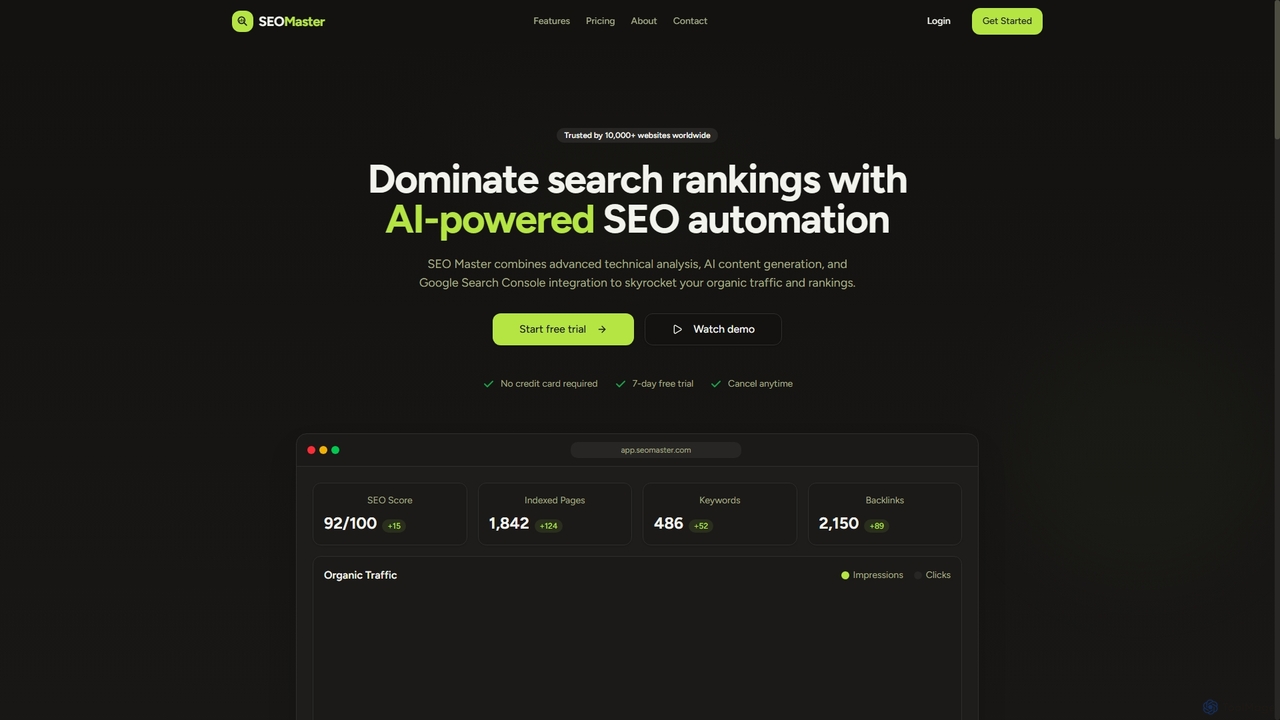
SEO Master is an AI-powered platform designed to automate and optimize search engine optimization. It combines advanced technical …

3.2K
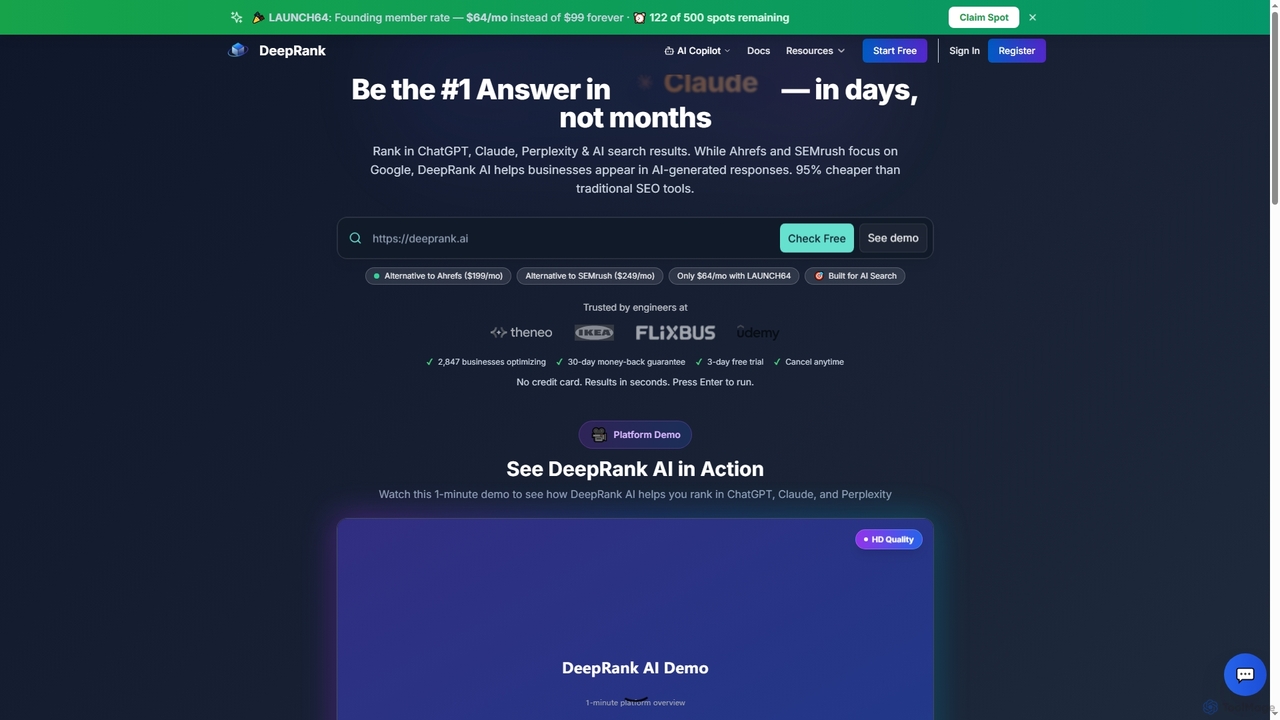
DeepRank

DeepRank

DeepRank is an advanced AI search optimization platform designed to help businesses achieve top rankings in AI assistant …

3.2K
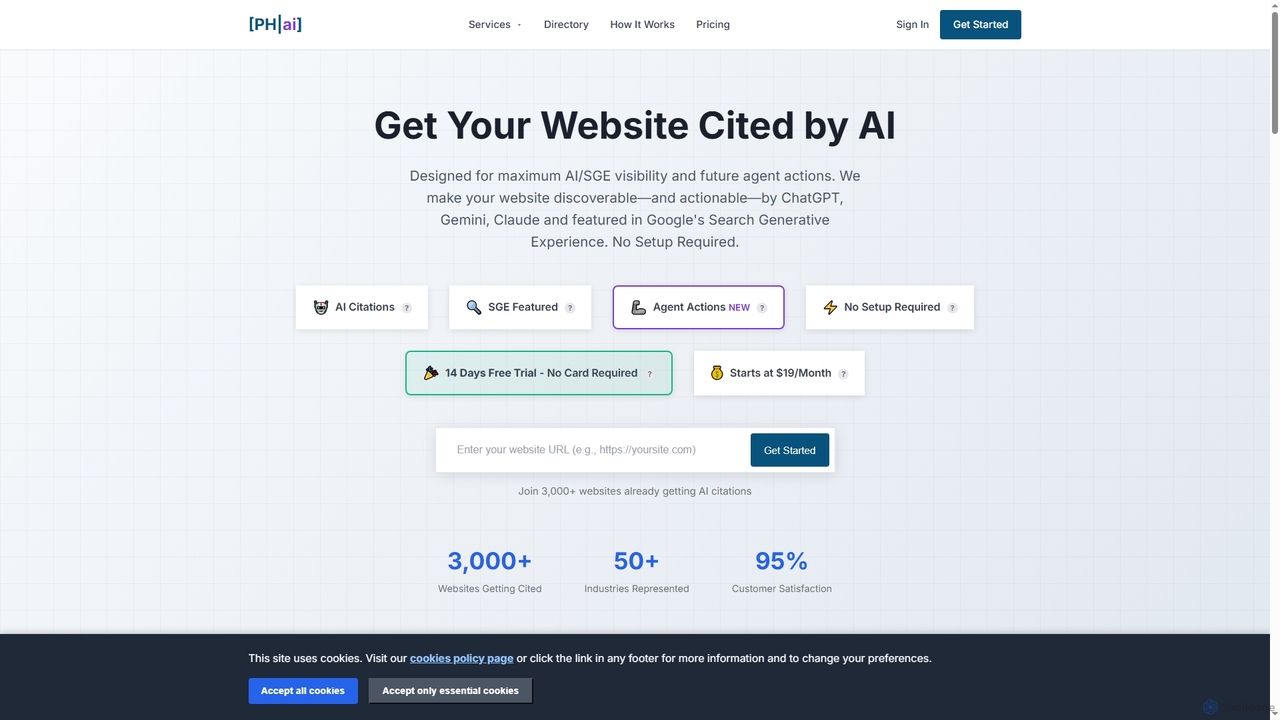
PrivateHub

PrivateHub

PrivateHub is an AI optimization service that makes your website discoverable, understandable, and citable by AI models like …

3.2K
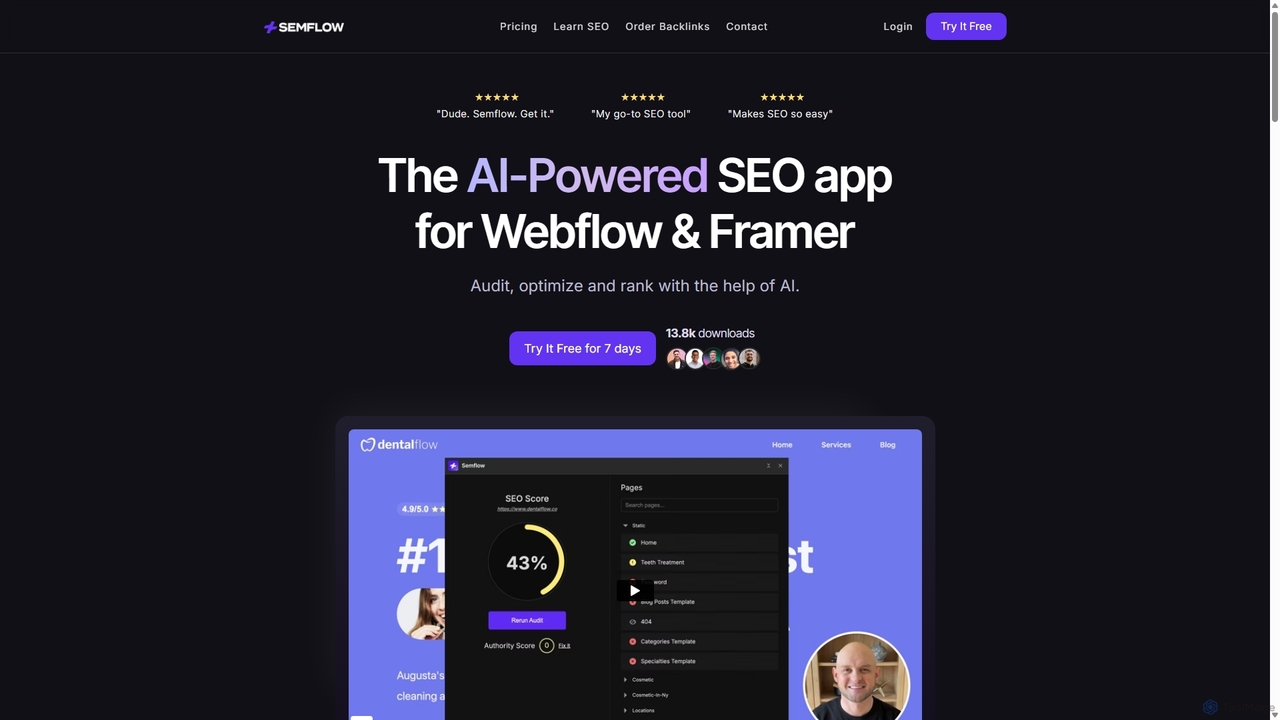
Semflow

Semflow

Semflow is an AI-powered SEO assistant designed specifically for Webflow and Framer. It integrates directly into your site …

8.2K
Optimyzee

Optimyzee

Optimyzee is an AI-powered, all-in-one SEO and content optimization platform designed to boost your website's organic traffic. It …

3.2K
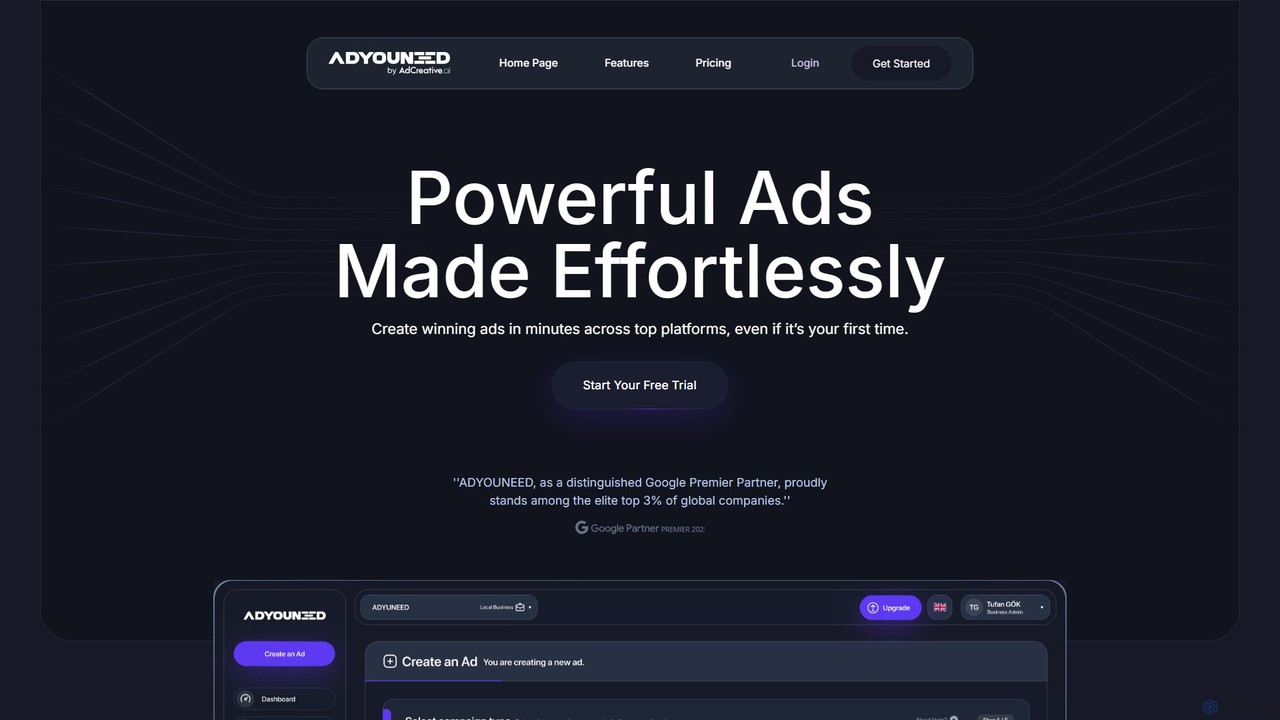
ADYOUNEED

ADYOUNEED

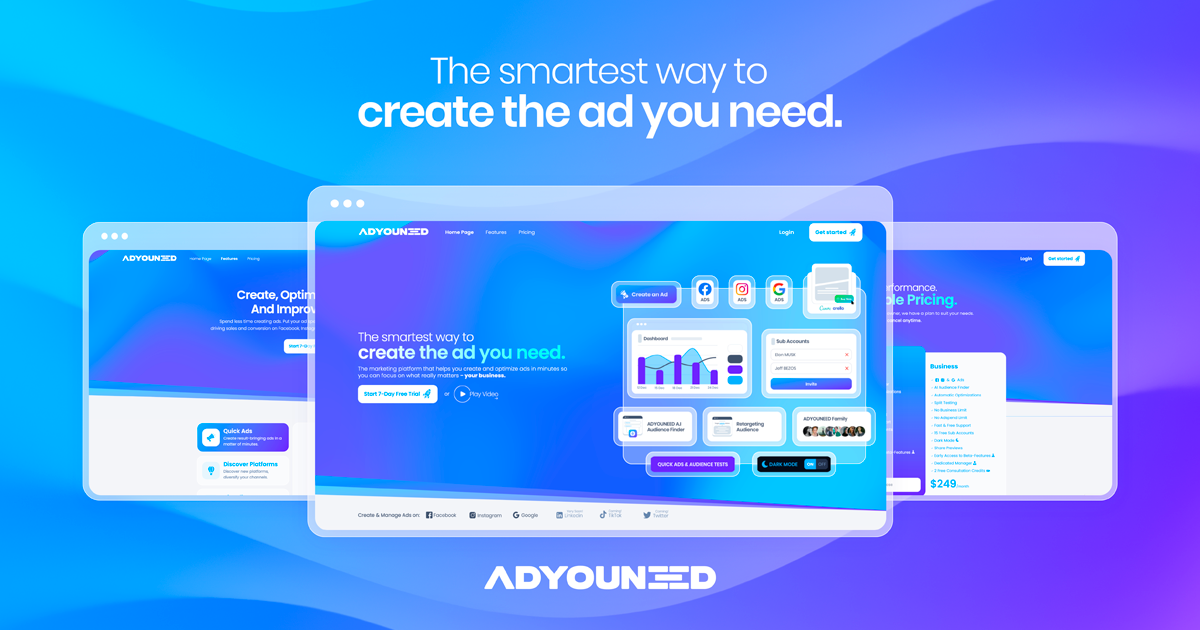
ADYOUNEED is an AI-powered advertising platform that enables users to create, manage, and optimize ad campaigns across major …

4.4K
Hall

Hall

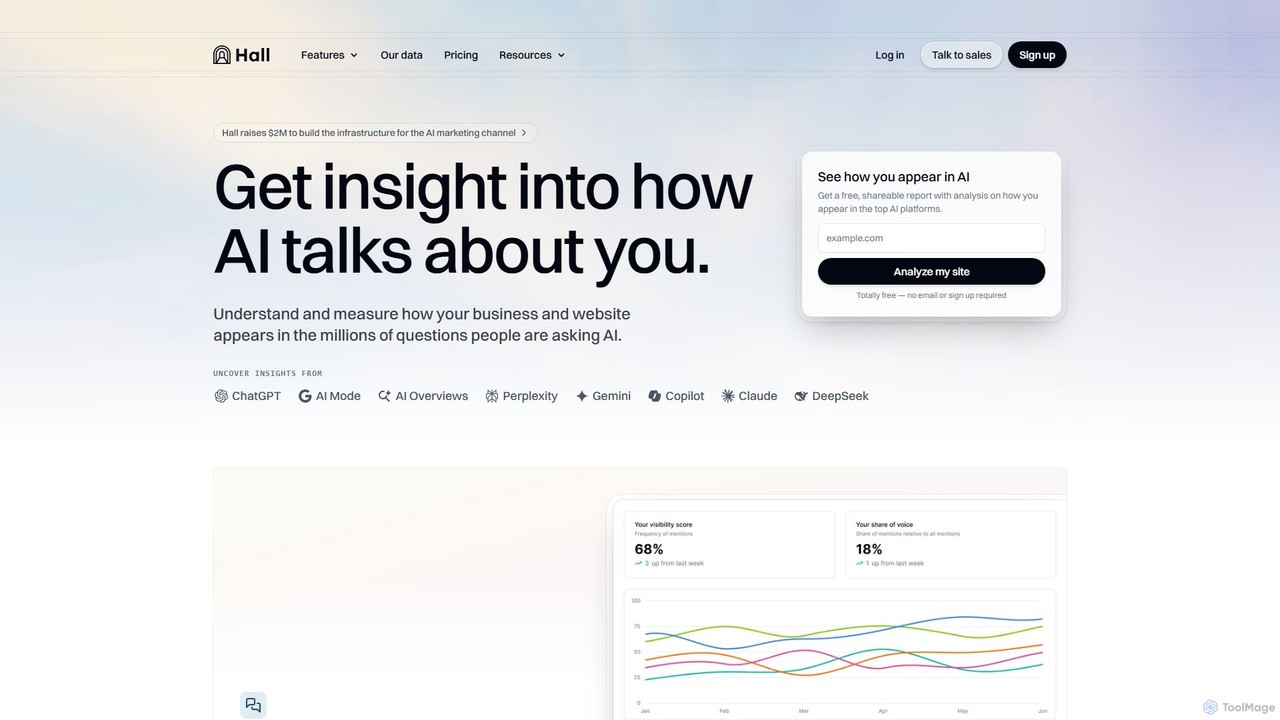
Hall is a Generative Engine Optimization (GEO) platform that helps businesses understand, measure, and optimize their presence in …

55.4K
getseo

getseo

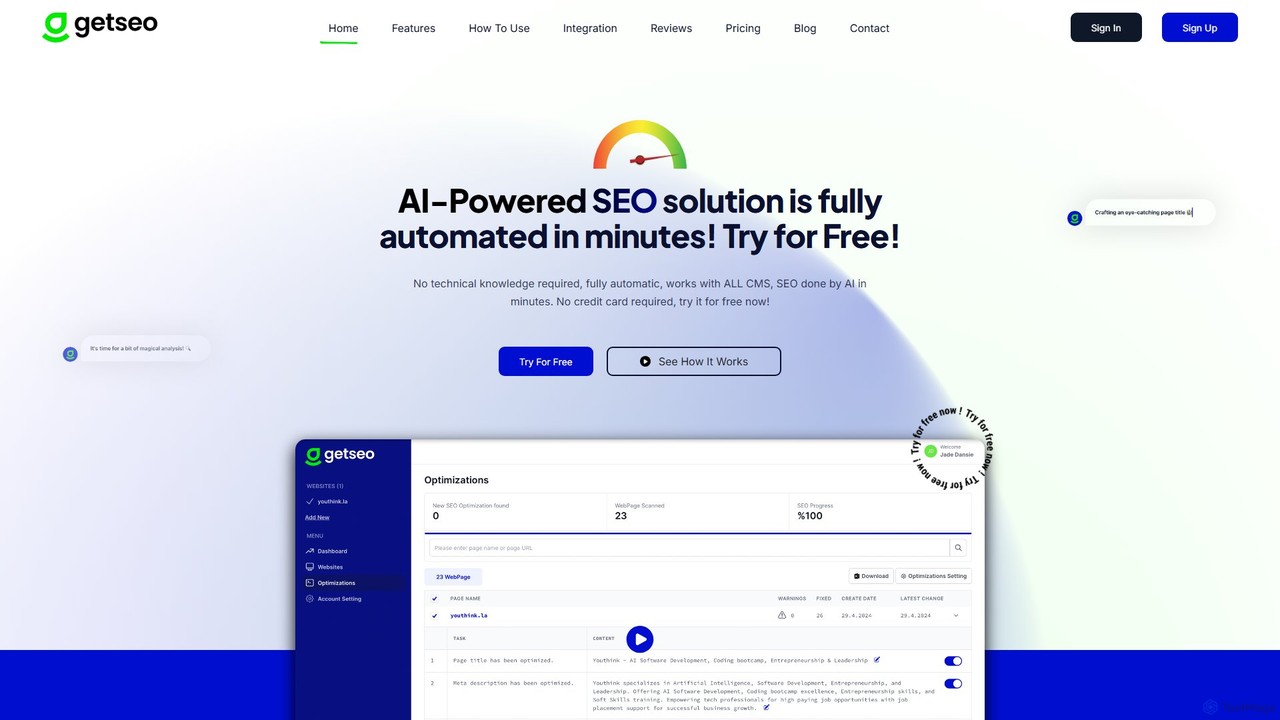
getseo is a fully automated, AI-powered SEO solution designed to optimize your website's on-page elements in minutes. By …

3.1K
fresho

fresho

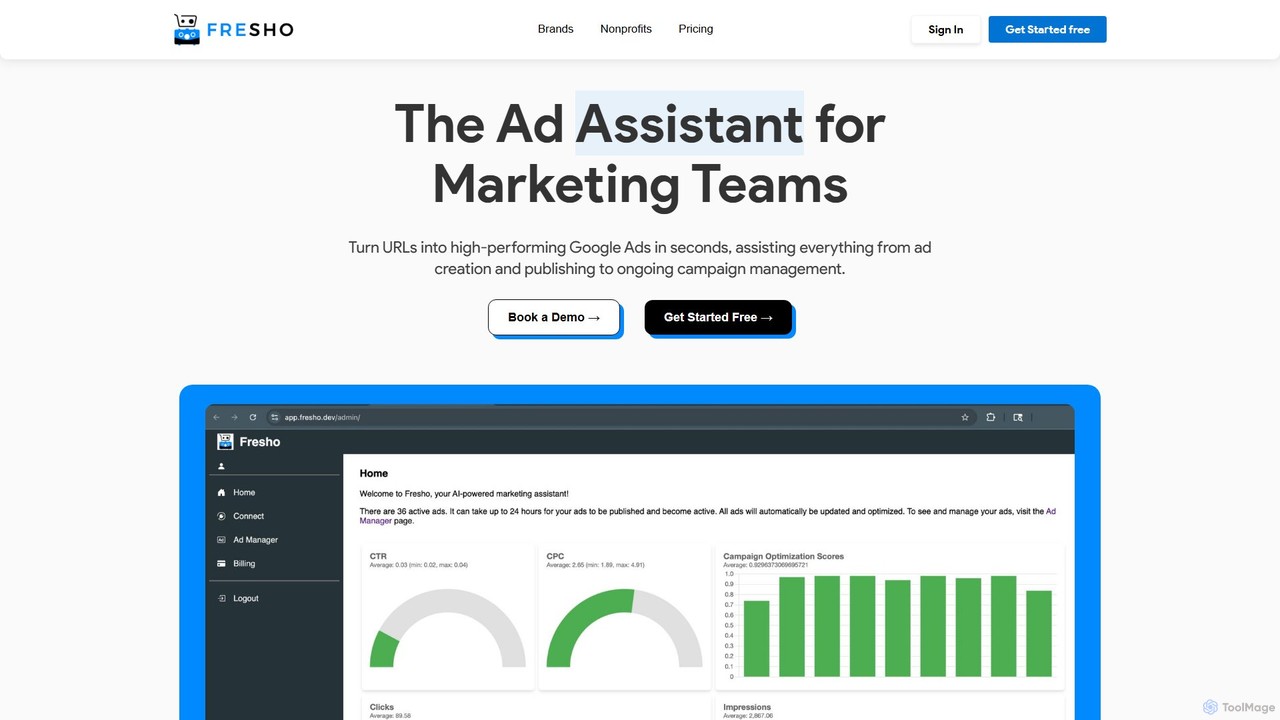
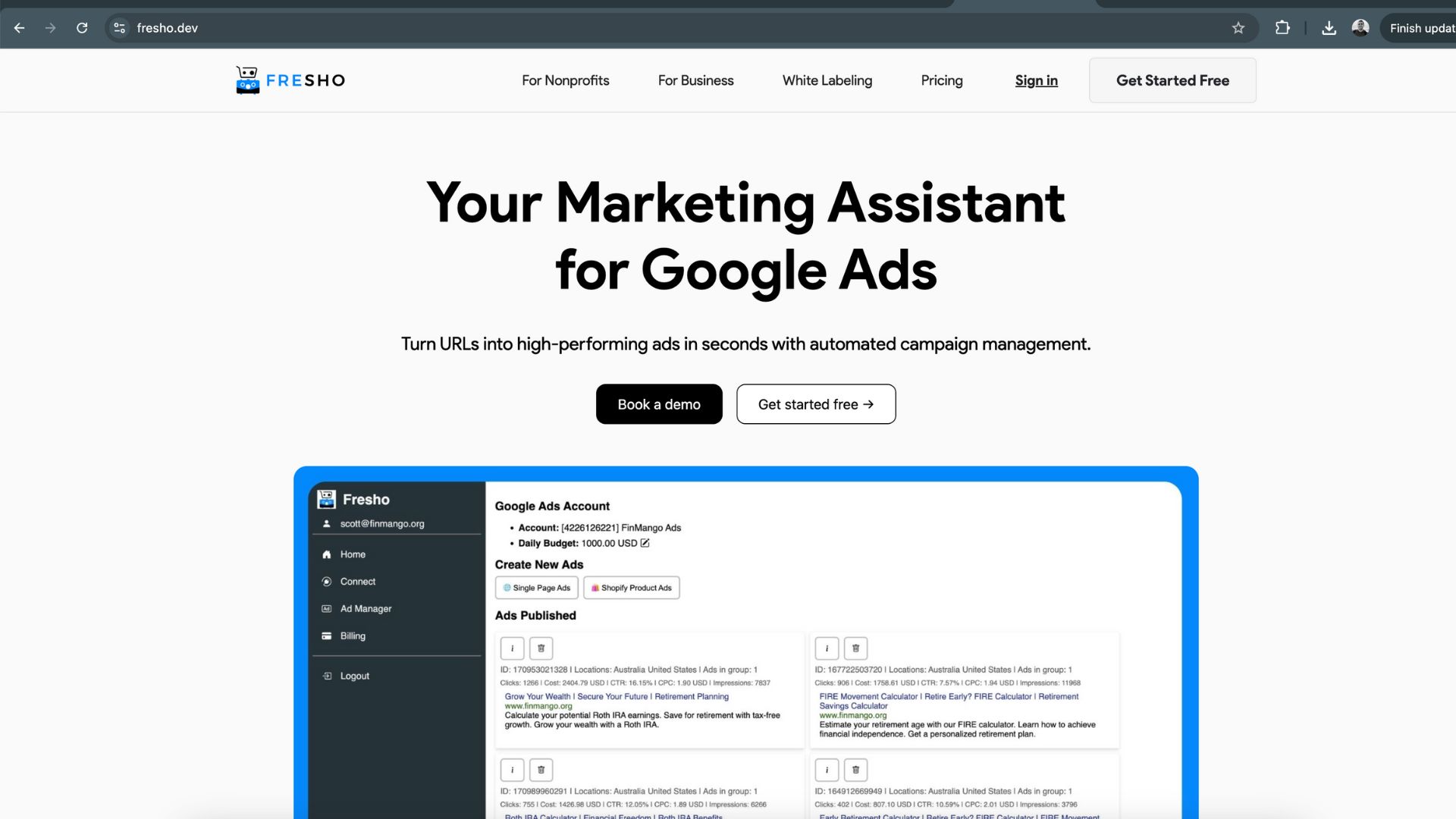
fresho is an AI-powered marketing assistant that automates Google Ads management. Simply connect your Google account and provide …

7.8K
RadiusRank

RadiusRank

RadiusRank is an AI-powered local SEO platform designed to enhance your Google Business Profile (GBP) visibility. It offers …

3.1K
Localo

Localo

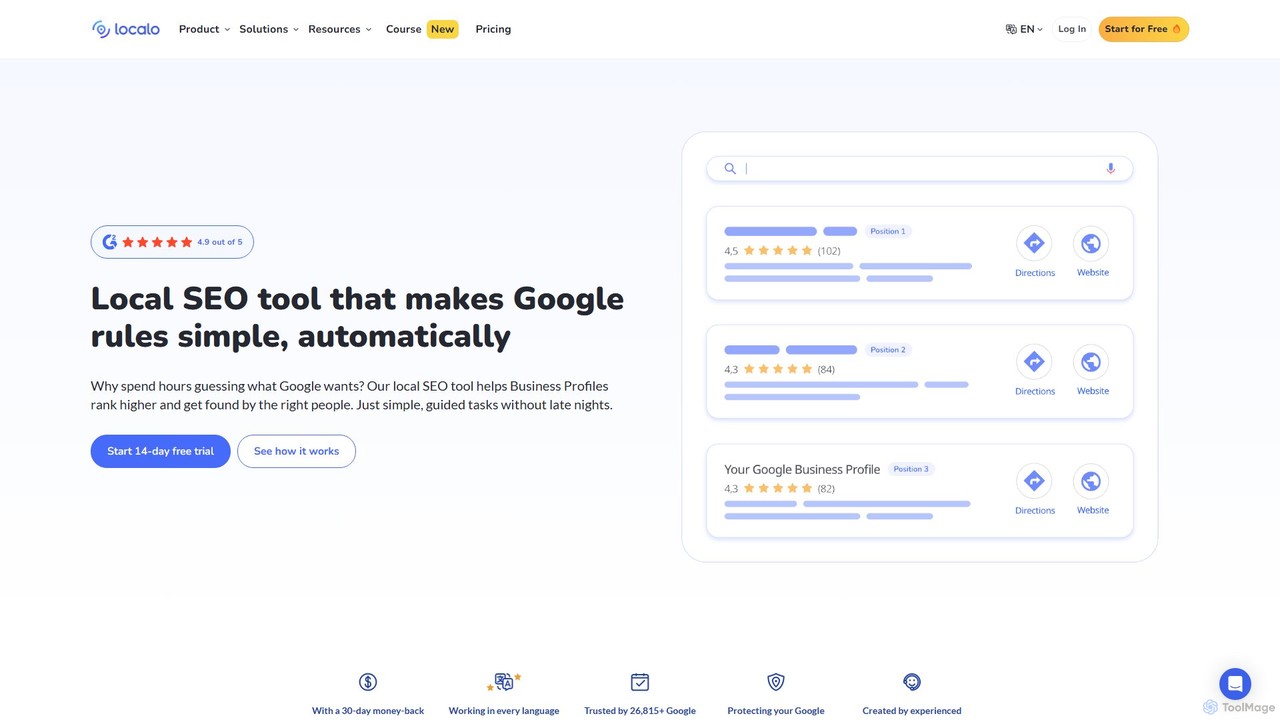
Localo is an AI-powered local SEO tool designed to boost business visibility on Google Maps and Search. It …

274.2K

About Search Engine Marketing

Search Engine Marketing (SEM) tools are AI-powered platforms designed to enhance a website's visibility in search engine results pages (SERPs) through both paid and organic strategies. These tools leverage advanced algorithms to analyze search data, manage ad campaigns, and optimize website content. Their primary value lies in driving targeted traffic, increasing brand awareness, and boosting conversions for businesses of all sizes. They offer a comprehensive approach to digital presence, integrating various aspects of search performance within the broader field of marketing.

Core Features

  • Keyword Research & Analysis: Identify high-volume, low-competition keywords for both organic SEO and paid ad campaigns.
  • PPC Campaign Management: Automate bidding strategies, optimize ad copy, and monitor performance across platforms like Google Ads.
  • SEO Auditing & Optimization: Analyze website technical SEO, content quality, and backlink profiles to improve organic rankings.
  • Competitor Analysis: Gain insights into competitors' keyword strategies, ad spend, and organic search performance.
  • Performance Tracking & Reporting: Monitor key metrics like impressions, clicks, conversions, and ROI with detailed dashboards.

Applicable Scenarios

Digital marketing agencies utilize SEM tools to manage diverse client portfolios, ensuring optimal ad spend and organic visibility across various industries. E-commerce businesses deploy these tools to drive traffic to product pages, optimize product listings, and run targeted promotional campaigns. Startups and small businesses leverage SEM to quickly establish an online presence, attract initial customers, and compete effectively with larger players by focusing on niche keywords and local search.

How to Choose

When selecting an SEM tool, consider its feature set (e.g., comprehensive SEO and PPC capabilities vs. specialized tools), integration capabilities with other marketing platforms (CRM, analytics), data accuracy and real-time updates, and user interface intuitiveness. Evaluate the scalability to match your business growth and the pricing model against your budget. Finally, assess the quality of customer support and available training resources to ensure effective adoption and utilization.

Search Engine MarketingUse Cases

1

Optimizing Google Ads Campaigns for E-commerce

An e-commerce manager uses an SEM tool to refine their Google Ads campaigns. By leveraging AI-driven bidding strategies and keyword suggestions, they can automatically adjust bids for product-specific keywords, identify underperforming ads, and generate new ad copy variations. This leads to a higher Return on Ad Spend (ROAS) and increased sales conversions for their online store, saving hours of manual optimization.

2

Improving Organic Search Rankings for a Blog

A content marketer for a tech blog utilizes an SEM tool to enhance their organic search visibility. They conduct in-depth keyword research to discover trending topics and long-tail keywords, perform technical SEO audits to fix site errors, and analyze competitor content. This strategic approach helps their articles rank higher on Google, driving more organic traffic and increasing subscriber sign-ups.

3

Conducting Competitor Analysis for Market Entry

A new startup entering a competitive market employs an SEM tool to analyze their rivals. They track competitors' top-performing keywords, ad creatives, landing page strategies, and estimated ad spend. This intelligence allows them to identify market gaps, refine their own unique selling propositions, and develop a more effective go-to-market strategy, avoiding costly trial-and-error.

4

Local SEO for a Chain of Restaurants

A marketing director for a restaurant chain uses an SEM tool to optimize their local search presence. They manage Google My Business listings across multiple locations, monitor local reviews, and target geo-specific keywords. This ensures that when potential customers search for "restaurants near me," their establishments appear prominently, driving foot traffic and online reservations.

5

Developing a Comprehensive Content Strategy

A digital agency's content strategist uses an SEM tool to inform their content calendar. By analyzing search trends, user intent, and keyword difficulty, they identify high-potential content topics that align with client goals. The tool helps them map out content clusters, predict seasonal interest, and ensure their content addresses actual audience needs, leading to better engagement and authority.

6

Automating Performance Reporting for Clients

An SEO agency owner leverages an SEM tool's reporting features to automate client updates. The tool integrates data from various search platforms, generating customized, easy-to-understand reports on keyword rankings, traffic growth, ad performance, and conversion rates. This saves significant time each month, allowing the agency to focus more on strategy and less on data compilation, while providing transparent results to clients.

Search Engine MarketingFrequently Asked Questions