AVbeam
AVbeam is a professional desktop software designed for fast and accurate audio comparison. It uses robust audio fingerprinting …
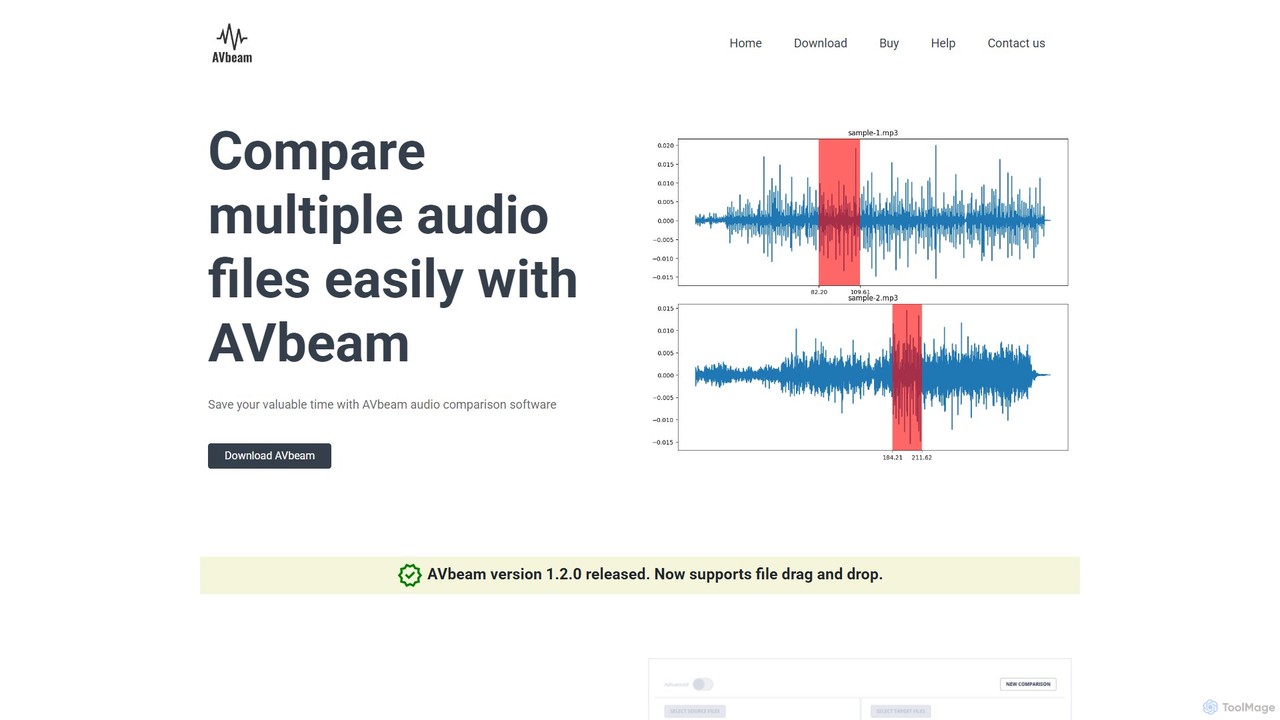
AVbeam is a professional desktop software designed for fast and accurate audio comparison. It uses robust audio fingerprinting technology to identify matching or similar audio segments across multiple files, even with noise and distortions. It supports various formats and provides detailed reports with time offsets and similarity percentages, saving valuable time for media professionals.
About Content Creation
AI Content Creation tools are a class of software that uses artificial intelligence to generate original text, images, and other media from user prompts. These tools leverage advanced generative models, such as Large Language Models (LLMs) and diffusion models, to transform simple inputs into complex, coherent outputs. They are designed to augment human creativity and dramatically accelerate the content production workflow. By automating drafting, brainstorming, and asset creation, these tools enable users to produce high-quality content at scale.
Core Features
- Text Generation: Creates various forms of written content, including articles, blog posts, social media captions, and ad copy.
- Multi-Format Support: Capable of producing content in diverse formats, from long-form articles to short-form video scripts.
- Tone and Style Customization: Allows users to define and adjust the output's tone of voice, style, and complexity to match brand guidelines.
- Content Repurposing: Transforms existing content into new formats, such as turning a blog post into a series of tweets or a podcast script.
- Prompt-Based Ideation: Generates ideas, outlines, and creative concepts based on simple keywords or descriptions.
Use Cases
These tools are widely used in digital marketing, social media management, and SEO content strategy. For instance, a marketing team can use them to generate dozens of ad copy variations for A/B testing. Content creators can produce initial drafts for blog posts and video scripts, significantly reducing research and writing time. E-commerce businesses also utilize them to create unique product descriptions for thousands of items efficiently.
How to Choose
When selecting an AI Content Creation tool, first consider the primary content type you need (e.g., text, images, code). Evaluate the quality and coherence of the generated output. Assess the level of customization and control offered, such as the ability to fine-tune tone and style. Also, consider its integration capabilities with your existing workflow (e.g., CMS or social media platforms) and the pricing model's scalability for your needs.

Content CreationUse Cases
Generate SEO-Optimized Blog Posts
A content marketer for a SaaS company needs to publish four high-quality blog posts per month to drive organic traffic. Using an AI Content Creation tool, they input target keywords, a desired tone of voice, and a brief outline. The tool generates a comprehensive first draft, including an introduction, body paragraphs with proper heading structure, and a conclusion. The marketer then spends about 20% of their usual time editing, fact-checking, and adding unique insights, reducing the total content creation time by up to 80% and allowing them to focus on strategy and promotion.
Create Social Media Campaign Content at Scale
A social media manager is tasked with creating a month's worth of content for a new product launch across Instagram, Twitter, and LinkedIn. This requires unique captions, hashtags, and post formats for each platform. They use an AI tool to generate dozens of content variations based on a single product brief. The tool suggests platform-specific formats, like engaging questions for Instagram stories or professional insights for LinkedIn posts. This automates the repetitive part of content creation, freeing the manager to focus on community engagement and performance analysis.
Drafting Ad Copy Variations for A/B Testing
An e-commerce marketing team wants to optimize their Google Ads campaigns. They need to test multiple headlines and descriptions to find the highest-performing combination. Instead of manually writing 20 different ad variations, they provide an AI tool with the product name, key benefits, and a call-to-action. The AI generates a wide range of compelling, character-limited copy. The team can then quickly launch multiple A/B tests, identify winning ads faster, and improve their return on ad spend (ROAS) without extensive brainstorming sessions.
Generating Scripts for Short-Form Videos
A content creator focused on platforms like TikTok and YouTube Shorts needs a constant stream of fresh ideas and scripts. They use an AI content tool to brainstorm video concepts based on trending topics in their niche. Once a concept is chosen, they input a simple prompt like 'script for a 30-second video on productivity hacks'. The AI generates a structured script with scene suggestions, dialogue, and on-screen text cues. This process transforms a multi-hour task into a matter of minutes, enabling the creator to maintain a consistent and high-volume posting schedule.
Automating Email Newsletter Creation
An email marketer for an online publication needs to send out a weekly newsletter summarizing the top articles. This involves writing an engaging introduction, summarizing 3-5 articles, and crafting compelling subject lines. Using an AI tool, they can paste the links to the articles, and the tool automatically generates concise summaries and several subject line options. The marketer then assembles these components into their email template, adding a personal touch. This reduces the newsletter creation time from 2-3 hours to under 30 minutes, ensuring timely delivery each week.
Bulk Generation of E-commerce Product Descriptions
An e-commerce store manager is adding 200 new products to their catalog. Writing unique, persuasive, and SEO-friendly descriptions for each is a monumental task. They upload a CSV file with product names and key features (e.g., material, dimensions, color) to an AI content tool. The tool is configured with a specific template and brand voice. It then generates a unique description for every product in the file. This bulk generation capability saves hundreds of hours of manual writing, ensures consistency across all listings, and helps improve product page SEO from day one.