Medical Best in category 2 results Research AI Tool

Popular AI tools in the Research field of Medical include x_doc、Researchthegap, etc., helping you quickly improve efficiency.

Researchthegap

Researchthegap

A specialized tool designed for medical researchers, academics, and students to efficiently identify gaps in existing medical research, …

3.0K
x_doc

x_doc

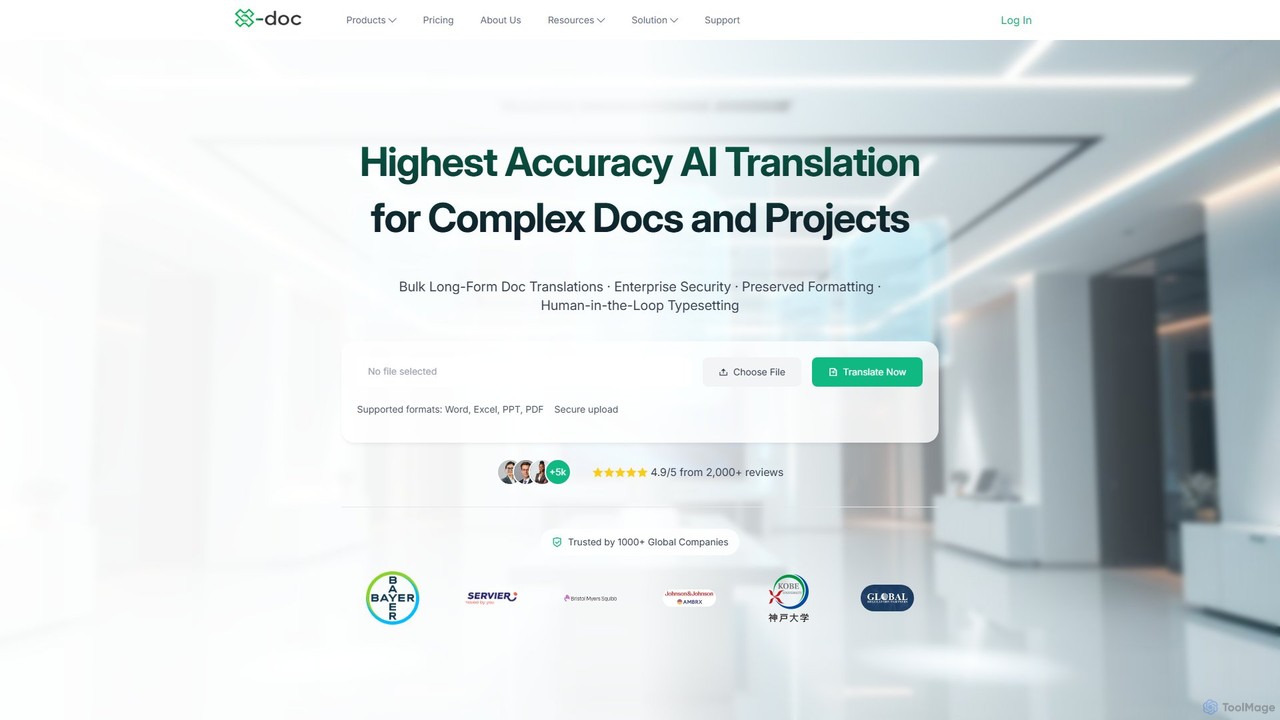
x_doc is a specialized AI translation platform designed for high-accuracy translation of technical and professional documents. Leveraging advanced …

46.4K

About Research

AI Research tools are specialized AI-powered solutions designed to enhance and accelerate scientific and medical discovery. These tools leverage advanced algorithms, including machine learning and natural language processing, to automate complex tasks in data analysis, literature review, and hypothesis generation. They significantly improve the efficiency and accuracy of research processes, enabling breakthroughs in fields like drug discovery and personalized medicine.

Core Features

  • Automated Literature Review: Rapidly scans, summarizes, and synthesizes vast amounts of scientific papers and clinical studies.
  • Advanced Data Analysis: Processes complex datasets (e.g., genomic, proteomic, clinical trial data) to identify patterns, correlations, and anomalies.
  • Hypothesis Generation: Suggests novel research questions, drug targets, or disease mechanisms based on existing knowledge and data.
  • Experimental Design Optimization: Recommends optimal parameters, patient cohorts, or methodologies for scientific experiments and clinical trials.
  • Scientific Writing Assistance: Aids in drafting research papers, grant proposals, and reports by structuring content and suggesting relevant information.

Applicable Scenarios

AI Research tools are indispensable for pharmaceutical companies accelerating drug discovery, academic institutions driving scientific breakthroughs, and clinical research organizations optimizing trial efficiency. They are used by researchers, scientists, and clinicians to manage large datasets, identify novel insights, and streamline the entire research lifecycle, from initial concept to publication.

How to Choose

When selecting an AI research tool, consider its compatibility with your specific data types (e.g., EHR, imaging, genomic data) and its analytical capabilities, including specialized algorithms for your field. Evaluate its adherence to regulatory compliance (e.g., HIPAA, GDPR) and ethical research standards. Finally, assess the user interface for ease of use and the tool's flexibility for customization to meet unique project requirements.


ResearchUse Cases

1

Accelerating Drug Discovery

Pharmaceutical researchers utilize AI research tools to screen vast molecular databases, identify potential drug candidates, and predict their efficacy and toxicity. By automating the initial stages of drug discovery, these tools significantly reduce the time and cost associated with bringing new therapies to market, allowing scientists to focus on promising compounds.

2

Personalized Medicine Research

Clinicians and geneticists leverage AI to analyze complex patient genomic, proteomic, and clinical data to understand disease susceptibility, progression, and individual responses to treatments. This enables the development of highly personalized treatment strategies, moving towards precision medicine tailored to each patient's unique biological profile.

3

Systematic Literature Review Automation

Medical librarians and researchers employ AI tools to automate the tedious process of systematic literature reviews. These tools can quickly screen thousands of published studies, extract relevant data, and synthesize information for meta-analyses or evidence-based guidelines, drastically reducing manual effort and accelerating knowledge synthesis.

4

Clinical Trial Optimization

Clinical Research Organizations (CROs) and pharmaceutical companies utilize AI to optimize various aspects of clinical trials. This includes identifying ideal patient cohorts, predicting trial outcomes, and optimizing study design to reduce costs, accelerate timelines, and improve the success rates of new drug or treatment evaluations.

5

Biomarker Identification

Biologists and oncologists leverage AI to discover novel biomarkers from complex proteomic, genomic, or imaging data. These biomarkers are crucial for early disease detection, predicting patient response to therapy, and monitoring disease progression, leading to more targeted diagnostics and treatments in oncology and other medical specialties.

6

Grant Proposal Writing Assistance

Academic researchers and grant writers utilize AI tools to streamline the creation of grant proposals. These tools can assist in refining research questions, structuring the proposal, identifying relevant funding opportunities, and even generating preliminary text for sections like background or methodology, significantly enhancing the efficiency and success rate of grant applications.

ResearchFrequently Asked Questions