Other Best in category 1 results Detector AI Tool

Popular AI tools in the Detector field of Other include Cramly.ai, etc., helping you quickly improve efficiency.

Cramly.ai

Cramly.ai

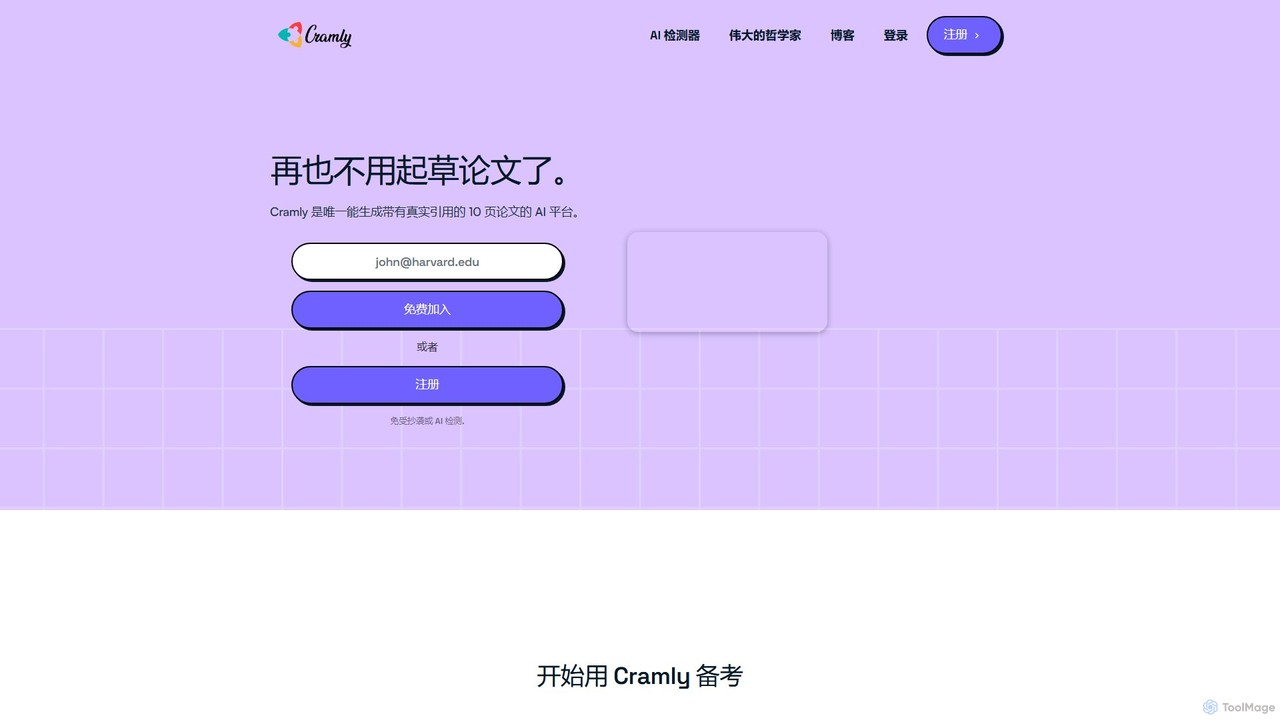
Cramly.ai is a comprehensive AI-powered academic assistant designed for students. It offers a suite of tools including an …

11.9K

About Detector

AI Detectors are specialized tools designed to analyze digital content and identify specific characteristics, such as whether it was generated by AI, plagiarized, or digitally manipulated. These tools employ advanced machine learning models and natural language processing to recognize subtle patterns, statistical anomalies, and artifacts that differentiate machine-generated content from human-created work. Their primary value lies in upholding authenticity, ensuring academic integrity, and combating the spread of misinformation in various digital environments. AI Detectors are becoming essential for verifying the originality and trustworthiness of text, images, and media.

Core Features

  • AI Content Identification: Analyzes text or images to determine the probability of it being generated by AI models like GPT or Midjourney.
  • Plagiarism Checking: Scans content and compares it against a vast database of online sources, academic papers, and publications to detect copied passages.
  • Deepfake Detection: Examines video and audio files for signs of digital manipulation, such as unnatural facial movements or audio inconsistencies.
  • Authenticity Scoring: Provides a quantifiable score or confidence level indicating the likelihood of AI generation or plagiarism.

Use Cases

AI Detectors are widely used in academia by educators and institutions to verify the originality of student submissions. In the publishing and content creation industries, editors and content managers use them to ensure articles are original and not AI-generated. They are also critical for journalists, fact-checkers, and cybersecurity professionals in identifying deepfakes and combating disinformation campaigns.

How to Choose

When selecting an AI Detector, consider its accuracy and reported false positive rates. Evaluate the types of content it supports (e.g., text, images, audio, code). For academic or publishing use, the comprehensiveness of its plagiarism database is crucial. Finally, check for API availability if you need to integrate the detection capabilities into your existing workflows, such as a Learning Management System (LMS) or Content Management System (CMS).

DetectorUse Cases

1

Verifying Academic Integrity in Education

An educator at a university uses an AI detector to maintain academic honesty. Before grading, they run student essays and research papers through the tool. The system first scans for similarities against a vast database of academic journals and web pages to check for traditional plagiarism. Simultaneously, its AI detection module analyzes the writing style, sentence structure, and word choice to calculate the probability of the text being generated by a large language model. This dual-check process helps the educator quickly identify potential academic misconduct, ensuring a fair evaluation for all students and upholding the institution's integrity.

2

Auditing Content Originality for Publishing and SEO

A content manager at a digital marketing agency is responsible for ensuring all published articles are original and meet search engine guidelines. They integrate an AI detector's API into their content management system (CMS). When a writer submits a draft, the system automatically scans it. The tool flags sections that are highly similar to existing online content and provides a score indicating the likelihood of AI generation. This automated workflow allows the manager to quickly review reports, request revisions for unoriginal content, and maintain a high-quality, human-authored blog, which is crucial for building topical authority and avoiding potential SEO penalties.

3

Analyzing Media for Deepfakes and Misinformation

A journalist working for a news organization receives a viral video clip of a politician making a controversial statement. To verify its authenticity before reporting on it, they upload the video to a deepfake detector. The tool analyzes the video frame by frame, checking for inconsistencies in facial expressions, blinking patterns, and subtle visual artifacts common in manipulated media. It also analyzes the audio for signs of synthetic voice generation. The detector provides a report with a confidence score on whether the media is authentic or likely a deepfake. This critical step helps the journalist avoid spreading misinformation and maintain their organization's credibility.

4

Protecting Brand Identity from Impersonation

A corporate security team monitors online platforms to protect their CEO's likeness from being used in malicious deepfakes. They use an AI detection service that continuously scans social media and video platforms for new content featuring the CEO. When a potential deepfake is detected, the system alerts the team. The tool provides a detailed analysis of the video, highlighting manipulated areas. This proactive monitoring allows the security team to quickly identify impersonation attempts, report the fraudulent content for takedown, and issue public statements if necessary, thereby protecting the company's reputation and preventing stock market manipulation or fraud.

5

Verifying Authenticity of Digital Art and NFTs

An online art gallery that specializes in digital art and NFTs uses an AI image detector to maintain the integrity of its marketplace. When an artist submits a new piece for listing, it is automatically processed by the detector. The tool analyzes the image's pixels, patterns, and metadata for tell-tale signs of generation by models like DALL-E or Stable Diffusion. It provides a report to the curation team, helping them distinguish between human-created digital paintings and AI-generated images. This ensures that the gallery accurately represents the origin of its art, builds trust with collectors, and protects the value of works by human artists.

6

Checking Code Originality in Software Development

A lead developer at a tech company uses a specialized AI code detector to review code submissions from freelance developers. The tool is integrated into their version control system. When new code is committed, the detector scans it to identify similarities with public code repositories like GitHub, flagging potential unlicensed code usage. It also analyzes the code's structure and logic to detect patterns characteristic of AI code assistants. This helps the lead developer ensure that all code in their product is properly licensed and primarily human-developed, reducing legal risks and maintaining high standards of engineering craftsmanship.

DetectorFrequently Asked Questions