
ToolMage
Sign in

Best 1 Dictionary AI tools for Other

Popular Dictionary AI tools in Other include MeaningIn.Chat, helping you work more efficiently.

MeaningIn.Chat
Free

MeaningIn.Chat

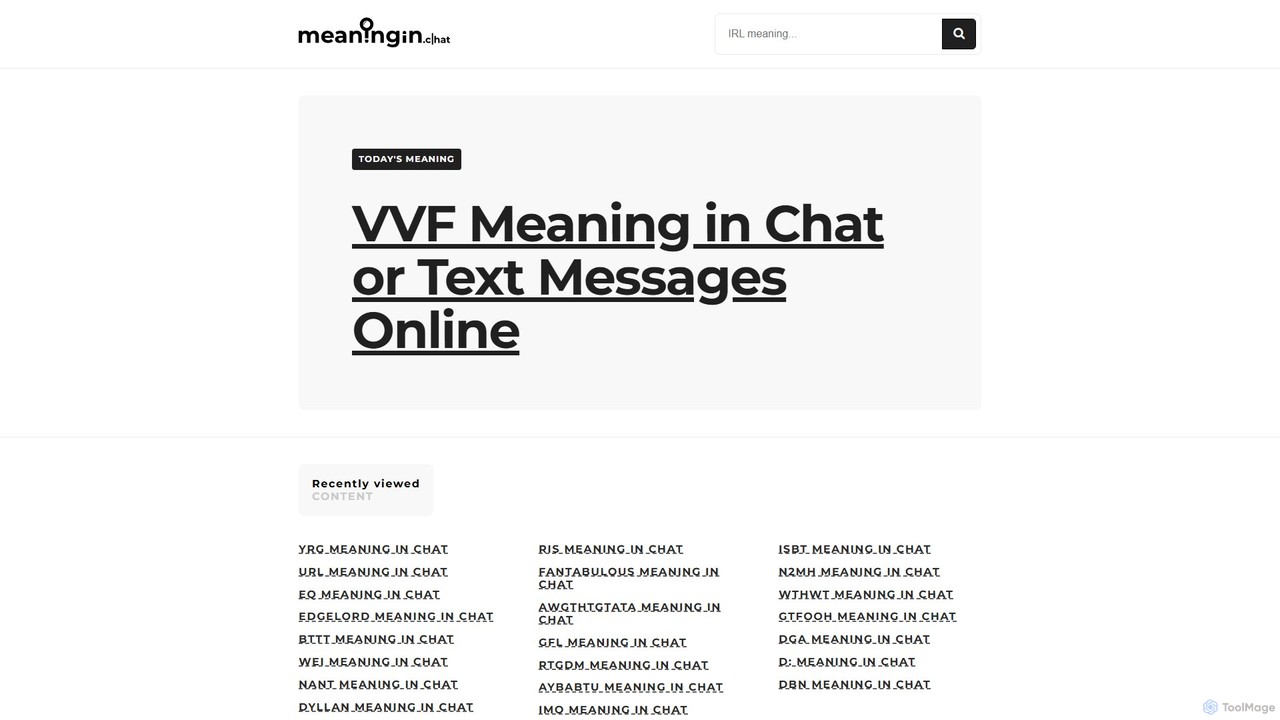
A free online dictionary dedicated to decoding internet slang, acronyms, and text-speak. Quickly find the meanings of confusing terms used in chat, social media, and online gaming to stay current with digital communication.

Language Learning
Visits 3.5KFavorites 94Likes 96

About Dictionary

AI Dictionary tools are advanced linguistic resources that leverage artificial intelligence to provide more than just simple word definitions. Unlike traditional dictionaries, these tools employ natural language processing (NLP) and machine learning to offer contextual meanings, nuanced usage examples, and semantic relationships between words and phrases. They are invaluable for language learners, professional writers, researchers, and anyone needing a deeper understanding of terminology across various domains.

Core Features

  • Contextual Definitions: Provides meanings based on the surrounding text or specific usage scenarios.
  • Multilingual Semantic Translation: Offers accurate translations that capture the nuance and cultural context of words and phrases.
  • Specialized Terminology Lookup: Accesses definitions for technical, medical, legal, or industry-specific jargon.
  • Pronunciation & Usage Examples: Includes audio pronunciations and real-world sentence examples to aid comprehension.
  • Vocabulary Building & Learning: Features like flashcards, quizzes, and personalized learning paths to enhance language acquisition.

Use Cases

These tools are widely adopted in academic research for deciphering complex jargon, by content creators for enriching vocabulary, and in international business for precise cross-cultural communication. They also serve language educators and students by providing interactive and context-aware learning experiences.

How to Choose

When selecting an AI Dictionary tool, consider its accuracy and depth of contextual understanding, the breadth of its language and specialized domain coverage, and its integration capabilities with other writing or learning platforms. Evaluate the user interface for ease of use and the availability of interactive learning features.

Featured tool rankings

Dictionary use cases

1

Deciphering Complex Academic Jargon

Researchers and students often encounter highly specialized terminology in academic papers and journals. An AI Dictionary helps by providing precise, context-aware definitions for scientific, technical, or philosophical terms, often linking to related concepts or sources. This ensures accurate comprehension and allows for more precise articulation in their own writing, saving significant time compared to manual searches across multiple glossaries.

2

Enhancing Vocabulary and Nuance in Writing

Content creators, marketers, and copywriters use AI Dictionary tools to refine their language, find perfect synonyms or antonyms, and ensure the appropriate tone and nuance for their target audience. The tool can suggest alternative phrasing based on semantic understanding, helping to avoid repetitive language and elevate the overall quality and impact of written content, from blog posts to marketing campaigns.

3

Ensuring Precision in Global Business Terminology

For international businesses, accurate communication is paramount. AI Dictionaries assist professionals in understanding and using industry-specific terms correctly across different languages, ensuring that contracts, reports, and presentations convey the intended meaning without cultural or linguistic misunderstandings. This is crucial for negotiations, partnerships, and maintaining a consistent global brand voice.

4

Personalized Language Acquisition and Retention

Language learners benefit immensely from AI Dictionary tools that go beyond simple translations. These tools offer interactive features like contextual examples, pronunciation guides, idiom explanations, and personalized vocabulary quizzes. They adapt to the learner's progress, helping to build a robust vocabulary and deepen understanding of language usage in real-world scenarios, accelerating the learning process.

5

Clarifying Industry-Specific Technical Terms

Developers, technical writers, and engineers frequently deal with highly specialized technical terms, acronyms, and jargon. An AI Dictionary can provide clear, concise definitions for these terms, often with code examples or architectural diagrams, ensuring consistency and accuracy in documentation, user manuals, and internal communications. This reduces ambiguity and improves collaboration within technical teams.

6

Bridging Linguistic Gaps in Everyday Interactions

Travelers and individuals engaging in cross-cultural communication can leverage AI Dictionary tools for quick, reliable understanding of unfamiliar words and phrases. Beyond direct translation, these tools can offer cultural context, common idioms, and appropriate usage in social settings. This facilitates smoother interactions, helps avoid misunderstandings, and enriches the overall experience of engaging with diverse communities.

Dictionary FAQ

What are AI Dictionary tools?

AI Dictionary tools are advanced linguistic applications that use artificial intelligence, primarily natural language processing (NLP) and machine learning, to provide comprehensive and context-aware definitions. Unlike traditional digital dictionaries, they can understand the nuance of words in specific contexts, offer semantic relationships, and often include features for specialized terminology, pronunciation, and interactive language learning.

How do AI Dictionary tools differ from traditional dictionaries?

The primary difference lies in their intelligence and adaptability. Traditional dictionaries provide static definitions. AI Dictionary tools, however, leverage AI to offer dynamic, context-sensitive meanings, understand idioms and slang, and learn from vast datasets to provide more accurate and nuanced information. They can also integrate interactive learning features and specialized domain knowledge, making them more versatile and powerful.

What are the main benefits of using an AI Dictionary?

The main benefits include enhanced comprehension through contextual definitions, improved writing quality by suggesting precise vocabulary and nuances, and accelerated language learning via interactive features. They also provide access to specialized terminology across various fields, saving time for researchers and professionals, and facilitating more accurate cross-cultural communication by understanding subtle linguistic differences.

Can AI Dictionary tools handle specialized terminology (e.g., medical, legal)?

Yes, many advanced AI Dictionary tools are specifically designed or can be trained to handle highly specialized terminology. They often incorporate domain-specific datasets and models to provide accurate definitions for medical, legal, scientific, technical, and other industry-specific jargon. This capability makes them indispensable for professionals working in these complex fields, ensuring precision and clarity in their work.

How to choose the right AI Dictionary tool for my needs?

To choose the right AI Dictionary tool, consider several factors. First, assess the depth of its contextual understanding and accuracy. Second, evaluate its language coverage and whether it supports specialized domains relevant to you. Third, check for integration capabilities with your existing workflows or learning platforms. Finally, consider the user interface, interactive learning features, and the overall reputation for reliability and data privacy.