Other Best in category 1 results Drone Technology AI Tool

Popular AI tools in the Drone Technology field of Other include SeeTree, etc., helping you quickly improve efficiency.

SeeTree

SeeTree

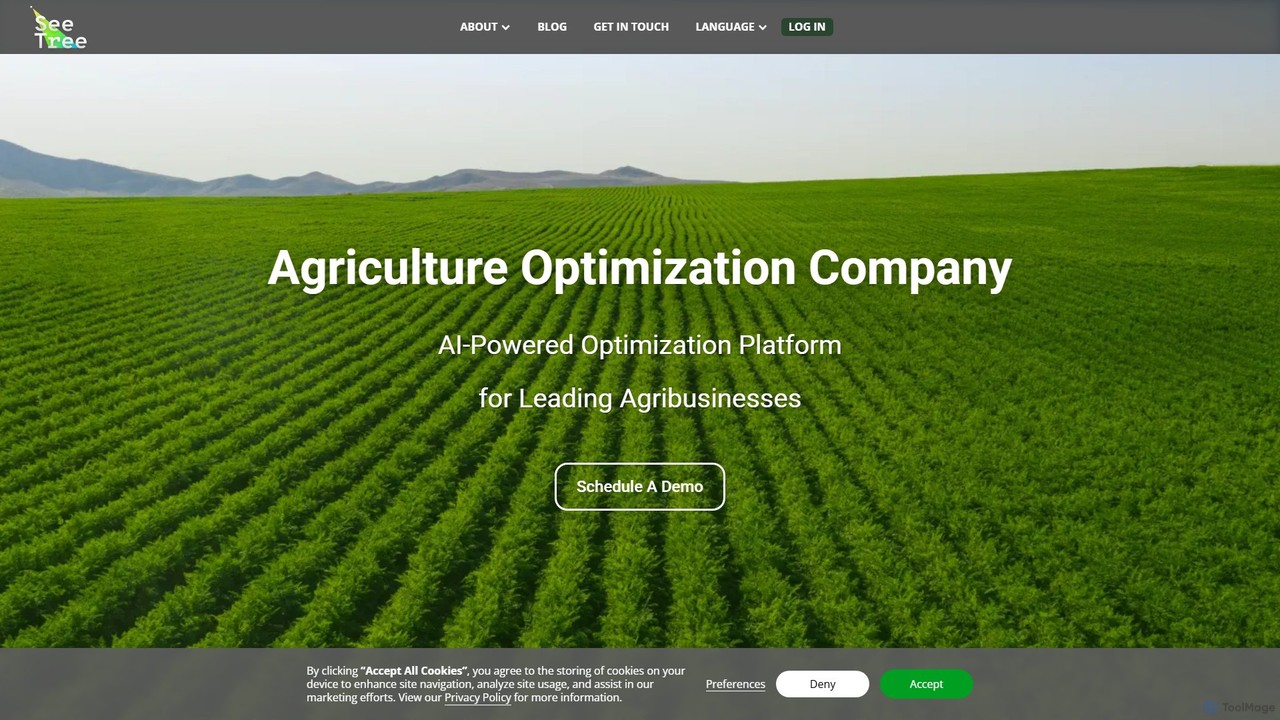
SeeTree is an AI-powered intelligence platform for permanent crop growers. It utilizes drones, computer vision, and machine learning …

7.3K

About Drone Technology

Drone Technology refers to the sophisticated integration of artificial intelligence, advanced sensors, and autonomous systems into unmanned aerial vehicles (UAVs). These cutting-edge tools leverage AI for enhanced navigation, real-time data processing, and intelligent decision-making, enabling them to perform complex tasks with unprecedented precision and efficiency. They are rapidly transforming numerous industries by providing unparalleled capabilities for aerial data collection, remote inspection, automated delivery, and comprehensive surveillance across diverse and challenging environments, offering significant advantages over traditional manual methods.

Core Features

  • Autonomous Navigation: AI-powered flight planning, dynamic obstacle avoidance, and precise waypoint following, allowing drones to execute complex missions safely and efficiently without constant human intervention.
  • Real-time Data Processing: Onboard AI capabilities for immediate analysis of visual, thermal, or multispectral data captured during flight, providing instant actionable insights for critical decision-making in the field.
  • Object Recognition & Tracking: Advanced computer vision algorithms that enable drones to accurately identify, classify, and track specific objects, anomalies, or targets, crucial for surveillance, inspection, and security applications.
  • Flight Path Optimization: Intelligent AI algorithms that dynamically adjust flight routes based on mission objectives, environmental conditions, and sensor data, ensuring optimal coverage, efficiency, and safety.
  • Payload Management: Sophisticated control systems for integrating and managing various specialized payloads, such as high-resolution cameras, LiDAR scanners, gas detectors, or delivery mechanisms, tailored for specific industry applications.

Applicable Scenarios

Drone Technology is widely adopted in sectors requiring extensive aerial coverage and detailed data collection. For instance, it is crucial for critical infrastructure inspection, examining bridges, wind turbines, and power lines for defects and maintenance needs. In precision agriculture, drones monitor crop health, identify irrigation issues, and optimize fertilizer application, leading to increased yields. Furthermore, they are indispensable for environmental surveying, aiding in wildlife protection, pollution tracking, and rapid disaster response mapping, providing vital information in challenging terrains.

How to Choose

Selecting the right drone technology involves evaluating several key factors to match specific operational needs and regulatory requirements. Consider the required flight endurance and operational range for your missions, the specific payload capacity and sensor compatibility essential for your data collection goals, the robustness of its AI and software ecosystem for data analysis and automation, and strict adherence to local aviation regulations and safety standards to ensure legal and secure operations. Additionally, assess the ease of use and the availability of technical support.

Drone TechnologyUse Cases

1

Automated Infrastructure Inspection

Civil engineers and maintenance teams utilize drone technology for automated inspection of critical infrastructure like bridges, pipelines, and wind turbines. Drones equipped with high-resolution cameras and thermal sensors can autonomously fly predefined routes, capturing detailed imagery and thermal data. AI algorithms then analyze this data to detect cracks, corrosion, or structural anomalies, significantly reducing inspection time, costs, and risks associated with manual inspections, while providing more comprehensive and consistent reports.

2

Precision Agriculture Crop Monitoring

Farmers and agronomists deploy drone technology for precision agriculture, monitoring crop health and optimizing resource management. Drones with multispectral cameras capture data on plant vigor, water stress, and pest infestations across large fields. AI processes this data to generate detailed health maps, allowing for targeted application of water, fertilizers, and pesticides. This leads to improved crop yields, reduced waste, and more sustainable farming practices, moving beyond traditional manual field assessments.

3

Aerial Surveying and 3D Mapping

Surveyors and urban planners use drone technology for efficient aerial surveying and the creation of accurate 3D maps and models. Drones equipped with LiDAR or photogrammetry sensors can rapidly collect vast amounts of geospatial data over construction sites, mining operations, or urban areas. AI software then stitches these images and data points together to generate precise topographical maps, digital elevation models, and 3D representations, accelerating project planning and progress monitoring compared to traditional methods.

4

Logistics and Last-Mile Delivery

Logistics companies and e-commerce platforms are exploring drone technology for rapid and autonomous last-mile package delivery, especially in remote or hard-to-reach areas. Delivery drones can transport small to medium-sized packages directly to customers, bypassing traffic congestion and reducing delivery times. AI-powered navigation and route optimization ensure efficient and safe delivery, while advanced obstacle avoidance systems enhance safety. This application promises to revolutionize supply chains and enhance customer service.

5

Search and Rescue Operations

Emergency services and disaster response teams leverage drone technology for critical search and rescue missions. Drones equipped with thermal cameras, high-powered spotlights, and loudspeakers can quickly cover vast and dangerous terrains, locating missing persons or assessing disaster zones. AI-driven image analysis helps identify human heat signatures or signs of life amidst debris. This significantly improves the speed and safety of rescue efforts, providing vital situational awareness to ground teams in challenging conditions.

6

Environmental Monitoring and Data Collection

Environmental scientists and conservationists utilize drone technology for comprehensive environmental monitoring and data collection. Drones can survey wildlife populations, track deforestation, monitor water quality, and assess pollution levels in remote or sensitive ecosystems. Equipped with specialized sensors, they collect data that AI then analyzes to identify trends, measure impact, and inform conservation strategies. This provides a non-invasive and efficient method for understanding and protecting natural environments.

Drone TechnologyFrequently Asked Questions