Personal Development Best in category 1 results Habit Building AI Tool

Popular AI tools in the Habit Building field of Personal Development include brainmentum, etc., helping you quickly improve efficiency.

brainmentum

brainmentum

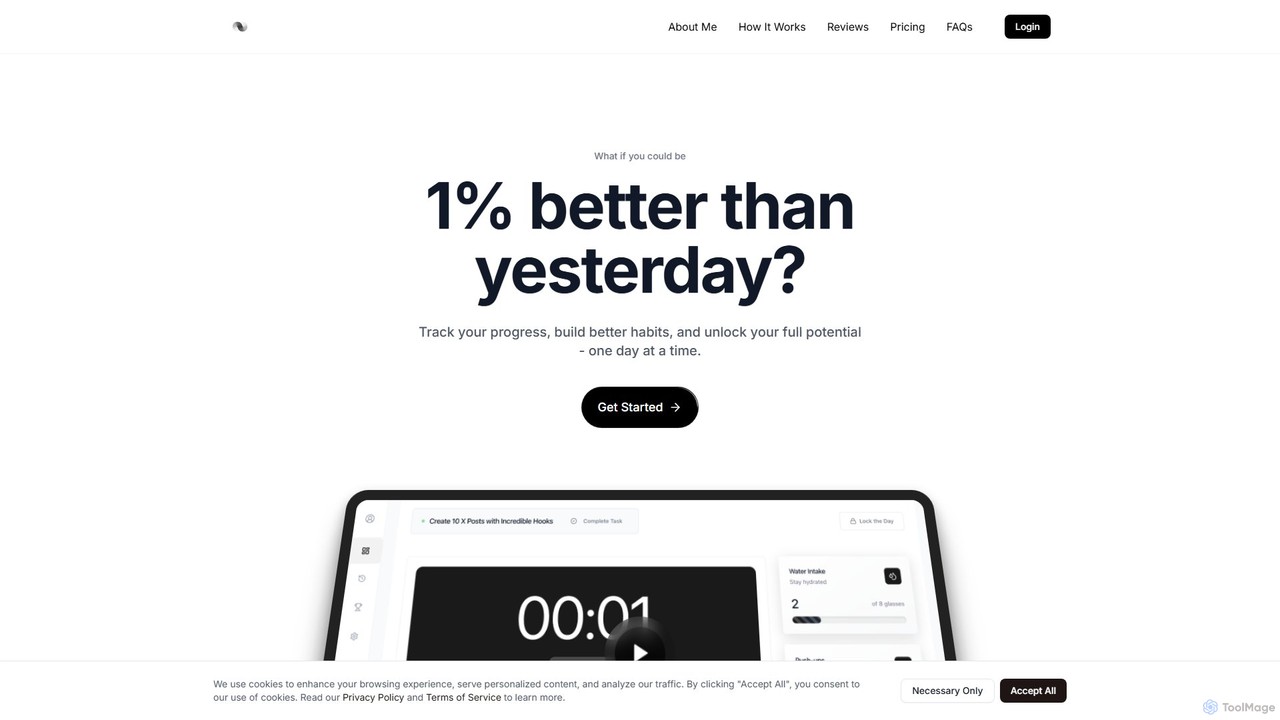
Brainmentum is a gamified productivity and self-improvement platform designed to help you build better habits and enhance focus. …

3.3K

About Habit Building

AI Habit Building tools are applications that leverage artificial intelligence to help users establish, track, and maintain positive routines. They utilize machine learning algorithms to provide personalized reminders, suggest achievable goals, and analyze performance patterns to increase consistency. These tools are designed to transform desired actions into automatic behaviors, supporting personal growth in areas like health, productivity, and skill development. Unlike simple checklists, they offer adaptive feedback and motivational insights to keep users engaged.

Core Features

  • Intelligent Scheduling: AI suggests the optimal time to perform a habit based on your daily schedule and past success rates.
  • Personalized Suggestions: Recommends new habits aligned with your stated goals and existing routines.
  • Performance Analytics: Provides detailed charts and insights on streaks, completion rates, and potential obstacles.
  • Adaptive Reminders: Adjusts notification frequency and timing based on your responsiveness to prevent alert fatigue.
  • Gamified Motivation: Incorporates points, badges, and progress levels to make the process more engaging and rewarding.

Use Cases

These tools are widely used by individuals seeking self-improvement, such as professionals building productive work habits (e.g., deep work sessions), students developing consistent study schedules, and anyone aiming to improve their health and wellness through regular exercise, meditation, or mindful eating.

How to Choose

When selecting an AI Habit Building tool, consider the level of personalization and AI adaptability you need. Evaluate its tracking capabilities—whether it supports simple check-ins, timers, or quantitative inputs. Also, assess its motivational style (gamification vs. data-driven insights) and its ability to integrate with other apps like calendars or health trackers.

Habit BuildingUse Cases

1

Establishing a Daily Fitness Routine

A user aiming to improve their physical health wants to exercise for 30 minutes every morning. They use an AI Habit Building tool to set this goal. The AI analyzes their calendar and suggests the optimal time slot, 7:00 AM, to avoid conflicts. It sends a smart reminder 10 minutes beforehand. As the user completes their workout each day, the tool tracks their streak, visualizes progress with charts, and offers motivational messages, reinforcing the positive behavior and making it easier to stick to the new routine.

2

Building a Consistent Reading Habit

A professional wants to cultivate a habit of reading 20 pages of a book daily to expand their knowledge. They input this goal into an AI habit app. The app helps them break it down into a manageable daily task. Based on their low activity periods detected from their phone usage, the AI suggests a reading time just before bed. The app tracks pages read, celebrates milestones like finishing a book, and provides insights, such as which days they are most likely to skip, helping them proactively adjust their schedule.

3

Improving Work Productivity with Deep Work

A freelance developer needs to block out distractions and focus on coding for at least two 90-minute sessions per day. They use an AI habit tool to schedule these 'Deep Work' blocks. The AI integrates with their calendar to find uninterrupted time slots. During these blocks, the tool can trigger a 'focus mode' on their device, silencing notifications. After each session, the developer confirms completion, and the app's analytics show their consistency and help identify which times of day lead to the most productive sessions.

4

Learning a New Language with Daily Practice

A student commits to learning Spanish by practicing vocabulary for 15 minutes daily. They use an AI habit tracker that integrates with a language-learning app. The AI notices they are most consistent during their evening commute. It then automatically adjusts the daily reminder to this time. The tool gamifies the experience by awarding points for consistency and for mastering new sets of words, turning a potentially tedious task into an engaging daily challenge and helping them build a strong learning foundation.

5

Cultivating Mindfulness Through Daily Meditation

An individual looking to reduce stress decides to meditate for 10 minutes every morning. They use an AI habit app that not only reminds them but also provides guided meditation sessions. The AI learns their preferences over time, suggesting specific meditation types (e.g., focus, gratitude) based on their feedback. The app visualizes their 'mindfulness streak' and provides reports on how consistency correlates with their self-reported mood, offering tangible proof of the habit's benefits and motivating them to continue.

6

Managing Finances with a Daily Savings Habit

A user wants to build a savings habit by setting aside a small amount of money each day. They connect their banking app to an AI habit tool. The AI analyzes their spending patterns and suggests a realistic daily savings goal that won't strain their budget. Each day, the tool sends a notification to confirm the transfer. It uses gamification by showing a visual of their savings growing towards a goal (e.g., a vacation fund), turning the abstract concept of saving into a tangible and rewarding daily action.

Habit BuildingFrequently Asked Questions