Personal Development Best in category 2 results Habit Tracking AI Tool

Popular AI tools in the Habit Tracking field of Personal Development include LiftMind、Goals AI, etc., helping you quickly improve efficiency.

LiftMind

LiftMind

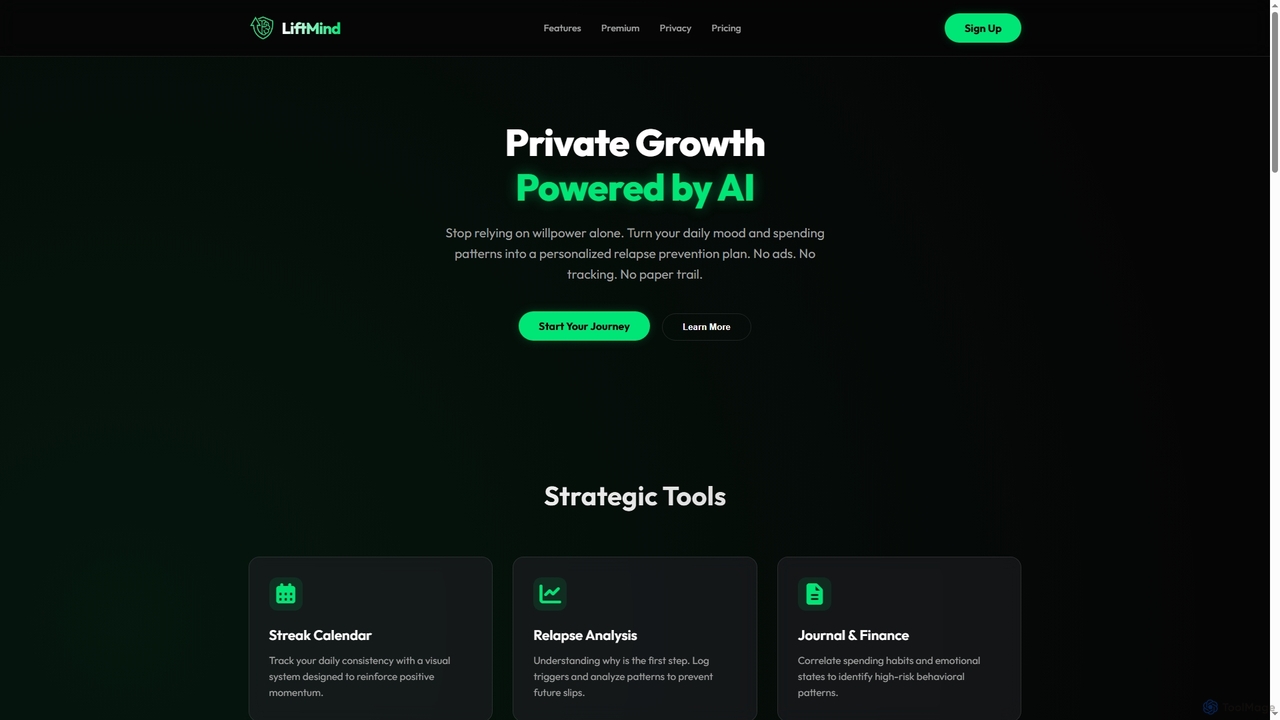
LiftMind is an AI-powered, privacy-first platform designed for personal growth and addiction recovery. It offers strategic tools like …

2.8K
Goals AI

Goals AI

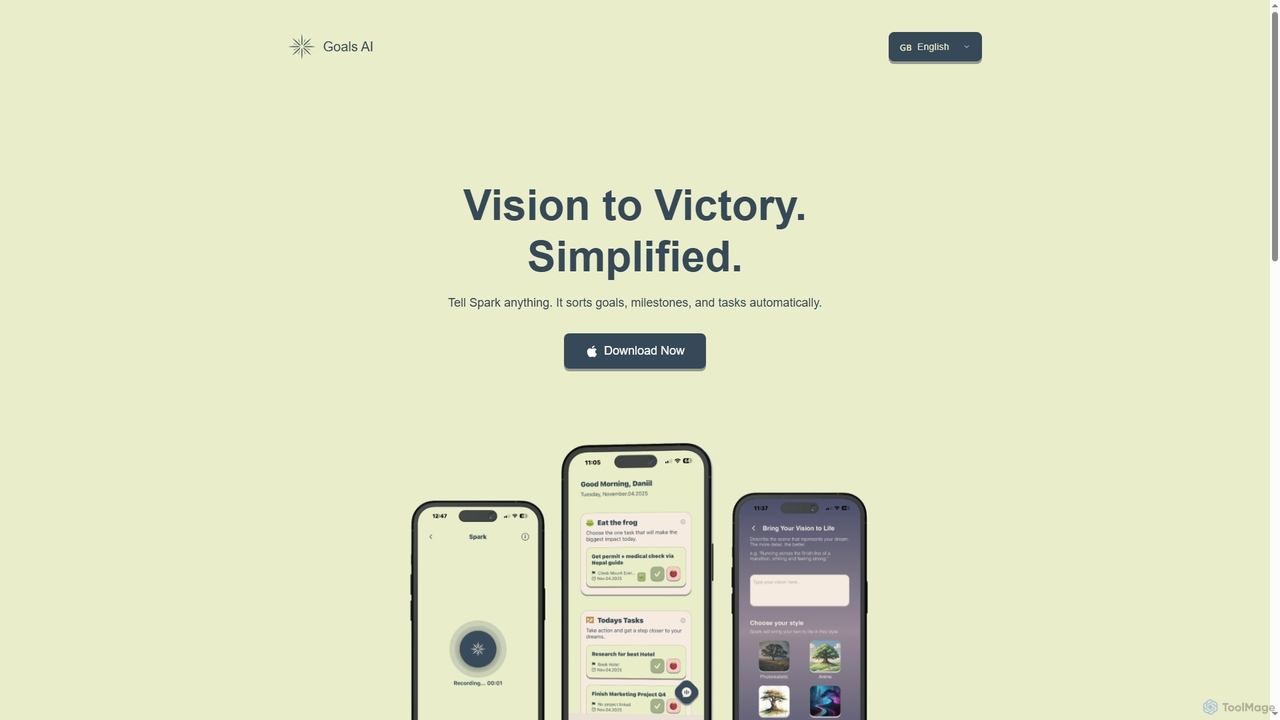
Goals AI is an AI-powered application that transforms your vision into an actionable plan. It automatically breaks down …

2.7K

About Habit Tracking

AI Habit Tracking tools are intelligent applications designed to help users build and maintain positive routines. They leverage machine learning to analyze user behavior, providing personalized habit suggestions, adaptive reminders, and insightful progress reports. Unlike simple checklists, these tools act as dynamic coaches, identifying potential obstacles and offering tailored motivation to foster long-term consistency. This data-driven approach helps transform intention into sustainable action within a user's personal development journey.

Core Features

  • Personalized Habit Planning: Recommends achievable habits and optimal schedules based on user goals and past performance data.
  • Intelligent Reminders: Delivers context-aware notifications that adapt to your daily schedule, location, and even energy levels.
  • Behavioral Analytics: Visualizes progress with advanced charts and uncovers hidden patterns or correlations in your daily activities.
  • Adaptive Motivation: Provides tailored encouragement and feedback, adjusting its strategy when it detects a user is struggling to stay on track.

Use Cases

These tools are ideal for individuals focused on self-improvement, such as building a fitness regimen, learning a new skill, or improving sleep hygiene. Professionals use them to enhance productivity and work-life balance by tracking habits like deep work sessions or daily planning. Students also benefit by establishing consistent study routines and managing their time effectively.

How to Choose

When selecting an AI Habit Tracking tool, evaluate the depth of its personalization and analytics. Consider its data privacy policy and how your information is used. Check for integrations with other applications you use, such as calendars or health trackers. Finally, assess the user interface and the style of motivational feedback to ensure it aligns with your personal preferences.

Habit TrackingUse Cases

1

Building a Consistent Fitness Routine

For individuals aiming to exercise regularly but struggling with consistency. An AI habit tracker analyzes their calendar and historical energy levels (e.g., from a connected health app) to suggest optimal workout times. It sends motivational reminders before sessions and celebrates milestones like a full week of completed workouts. If it detects missed sessions, it might suggest a shorter, less intense activity to help the user get back on track, preventing the all-or-nothing mindset that often derails fitness goals.

2

Mastering a New Skill with Daily Practice

A student or professional learning a new language or a musical instrument can use an AI habit tracker to ensure daily practice. They can set a goal like 'Practice Spanish for 15 minutes daily'. The AI can identify times of the day when the user is typically most focused and suggest scheduling practice sessions then. It can also gamify the process by tracking streaks and providing insights like, 'Your vocabulary retention improves by 20% when you practice in the morning'.

3

Improving Sleep Hygiene for Better Health

For users aiming to improve their sleep quality. They can set habits like 'No screens 1 hour before bed' and 'Go to bed by 11 PM'. The AI tool can send a 'wind-down' reminder in the evening. By integrating with a sleep tracker, it can correlate adherence to these habits with actual sleep data (e.g., deep sleep duration). It might then provide personalized insights, such as 'On days you follow your 'no screens' habit, your deep sleep increases by an average of 15 minutes'.

4

Enhancing Professional Productivity

A remote worker or freelancer can track work-related habits to optimize their day. This includes habits like 'Start a 90-minute deep work block', 'Review daily priorities', and 'Take a 15-minute break every 2 hours'. The AI can analyze productivity patterns, potentially identifying that the user completes complex tasks 30% faster in the morning. Based on this, it can suggest restructuring their day to tackle the most challenging work first, thereby boosting overall efficiency and reducing afternoon fatigue.

5

Cultivating Mindfulness and Mental Wellness

Users can track habits like 'Meditate for 10 minutes', 'Daily journaling', or 'Practice gratitude'. The AI tool can provide gentle nudges during stressful parts of the day, as inferred from a user's calendar. It can also help users see the correlation between these mindfulness practices and their self-reported mood. For example, it might generate a report showing 'Your average mood score is 1.5 points higher on days you meditate', reinforcing the positive impact of the habit.

6

Managing Personal Finances Effectively

A user can set financial habits such as 'Track daily expenses', 'Review weekly budget', or 'Transfer $50 to savings'. The AI can send timely reminders, especially on paydays for savings-related habits. Over time, it can analyze spending patterns and provide insights, for example, 'You tend to overspend on food delivery on weekends. Setting a weekend budget might help you reach your savings goal 20% faster'. This transforms a simple tracker into a proactive financial coach.

Habit TrackingFrequently Asked Questions