ToolMage
Sign in

Best 2 Skill Acquisition AI tools for Personal Development

Popular Skill Acquisition AI tools in Personal Development include Dhime and oomka, helping you work more efficiently.

oomka
Freemium

oomka

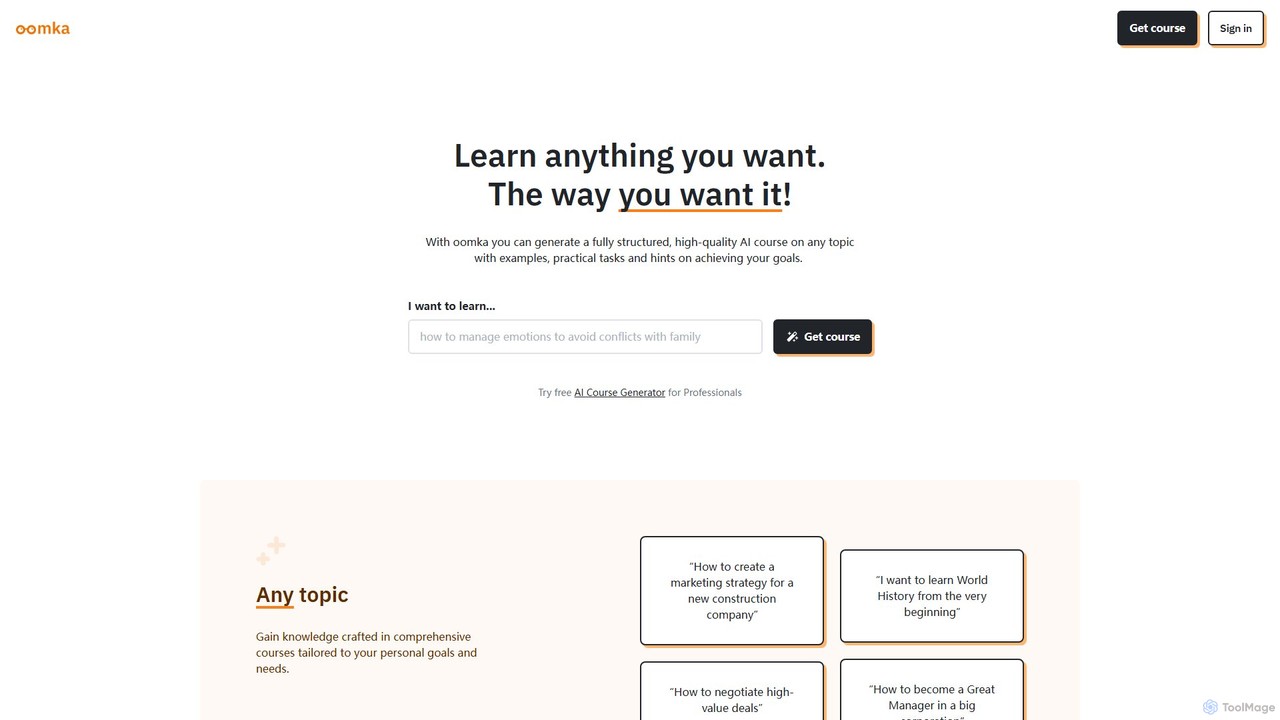
oomka is an AI-powered learning platform that generates personalized, structured courses on any topic. Simply state what you want to learn, and oomka creates a comprehensive curriculum with examples, practical tasks, and hints tailored to your goals. It's designed for professionals, students, and lifelong learners who want an efficient and customized way to acquire new skills and knowledge, moving beyond scattered online resources to a unified, goal-oriented learning experience.

Course Generation
Visits 4.1KFavorites 114Likes 122
Dhime
Freemium

Dhime

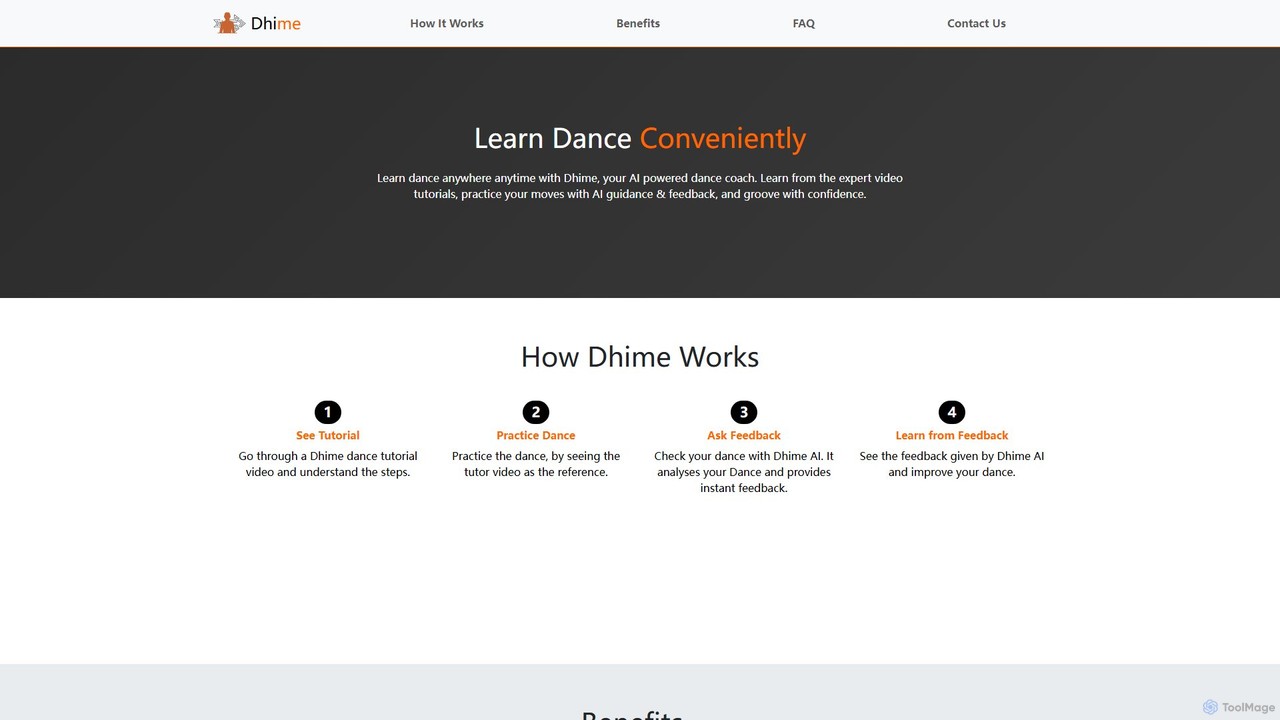
Dhime is an AI-powered platform that makes learning dance convenient and effective. It provides real-time feedback and personalized guidance, acting as a virtual dance tutor. Suitable for individuals, tutors, and dance academies, it offers unlimited practice and progress tracking from anywhere, at any time.

Learning
Visits 4.4KFavorites 128Likes 123

About Skill Acquisition

Skill Acquisition tools are AI-driven platforms designed to accelerate and personalize the process of learning new abilities. They leverage adaptive learning algorithms to create customized learning paths, provide real-time feedback, and offer interactive exercises. These tools are invaluable for professionals seeking to upskill, students mastering complex subjects, or anyone wanting to efficiently acquire a new skill. By tailoring content to an individual's pace and knowledge gaps, they make learning more effective and engaging than traditional methods.

Core Features

  • Personalized Learning Paths: The AI analyzes your current level and goals to create a unique curriculum, focusing on your specific weaknesses.
  • Real-time Feedback & Correction: Get instant guidance on coding exercises, language pronunciation, or problem-solving steps.
  • Interactive Simulations: Practice new skills in a safe, AI-controlled environment, from business negotiations to technical procedures.
  • Spaced Repetition Systems (SRS): Intelligently schedules reviews of learned material to maximize long-term retention and combat the forgetting curve.
  • Knowledge Gap Analysis: Identifies specific areas where you are weak and provides targeted resources and exercises to improve.

Applicable Scenarios

These tools are widely used in corporate training for employee upskilling, in education for supplemental tutoring, and by individuals for self-directed learning. They are particularly effective for acquiring technical skills like programming, data science, foreign languages, and even soft skills like public speaking or leadership through simulated practice.

Selection Criteria

When selecting a Skill Acquisition tool, consider the specificity of the skill you want to learn (e.g., a dedicated coding tutor vs. a generalist platform). Evaluate the quality and interactivity of the feedback mechanism. Also, check for progress tracking features and consider the pricing model—whether it's subscription-based, a one-time purchase, or offers a freemium tier.

Featured tool rankings

Skill Acquisition use cases

1

Mastering a New Programming Language

A junior developer uses an AI coding tutor to learn Python for a new role. The platform provides interactive coding challenges, instantly flags syntax errors, and explains complex concepts like recursion with clear analogies. When the developer struggles with a specific topic, the AI generates personalized practice problems, accelerating their journey to becoming a proficient backend developer and contributing to projects faster.

2

Achieving Fluency in a Foreign Language

A marketing professional preparing for an international assignment uses an AI language coach. The tool simulates real-life conversations, such as negotiating a contract or ordering at a restaurant. It corrects pronunciation in real-time using voice analysis and uses a spaced repetition system to drill vocabulary, helping them gain conversational confidence much faster than with traditional apps alone.

3

Upskilling a Corporate Sales Team

A sales manager deploys an AI platform to train their team on handling client objections for a new product. The AI provides interactive role-playing scenarios where each salesperson can practice their pitch. The system analyzes their word choice, tone, and response time, providing personalized feedback and a performance score. This ensures the entire team is prepared and consistent in their messaging before engaging with actual clients.

4

Preparing for Professional Certifications

An IT professional studying for a cloud certification (e.g., AWS) uses an AI-powered exam simulator. The tool creates adaptive practice tests that focus on their weakest knowledge areas, identified from previous attempts. It provides detailed explanations for incorrect answers and predicts their readiness for the actual exam, maximizing study efficiency and increasing the likelihood of passing on the first try.

5

Learning a Musical Instrument

A beginner musician uses an AI app to learn piano. The app listens to their playing via the device's microphone, provides instant visual feedback on a digital staff for timing and note accuracy, and gamifies lessons to maintain motivation. It intelligently adapts the difficulty of new pieces based on their progress, ensuring they are always challenged but not overwhelmed.

6

Developing Public Speaking Skills

A university student uses an AI presentation coach to practice for a final presentation. They rehearse in front of their webcam, and the AI analyzes their speech for filler words ('um', 'ah'), pacing, and eye contact with the camera. It generates a detailed report with actionable suggestions, such as 'try to slow down your speech rate by 10%' or 'you used the word 'like' 15 times'. This allows for targeted practice and significant improvement before the actual event.

Skill Acquisition FAQ

What are AI Skill Acquisition tools?

AI Skill Acquisition tools are specialized software platforms that use artificial intelligence to create personalized and interactive learning experiences. Unlike static online courses, they act like a personal tutor by adapting to your learning pace, identifying your specific knowledge gaps, and providing instant, actionable feedback to help you master new skills more efficiently.

How do I choose the right AI tool for learning a skill?

To choose the right tool, first clearly define the specific skill you want to learn. Then, evaluate these key factors:

  • Feedback Quality: Does it offer real-time, specific, and actionable corrections (e.g., on code, pronunciation, or technique)?
  • Learning Method: Does it use simulations, interactive exercises, adaptive quizzes, or AI tutors that match your preferred learning style?
  • Content Depth: Is the curriculum comprehensive and created by experts in the field?
  • Cost and Trial Period: Compare subscription plans, free trials, and one-time purchase options to find what fits your budget and commitment level.
What's the difference between AI Skill Acquisition tools and general online course platforms?

The key difference is interactivity and personalization. General online course platforms (like Coursera or Udemy) typically deliver pre-recorded video lectures and standard quizzes to a large audience. In contrast, AI Skill Acquisition tools act more like a personal tutor. They offer one-on-one, adaptive learning paths, provide real-time feedback on your work (like code or speech), and generate exercises that change based on your performance, creating a more dynamic and effective learning loop.

What types of skills can be learned with these AI tools?

A wide range of skills can be learned and honed with these tools. They are particularly effective for:

  • Technical Skills: Programming languages (Python, Java), data analysis, software usage, and cybersecurity concepts.
  • Language Learning: Vocabulary building, grammar correction, and pronunciation practice through real-time feedback.
  • Communication Skills: Public speaking, presentation delivery, and even negotiation tactics through AI-powered simulations.
  • Creative Skills: Learning musical instruments like piano or guitar with instant accuracy feedback.
Are AI Skill Acquisition tools suitable for complete beginners?

Yes, many of these tools are designed specifically for beginners. They excel at breaking down complex topics into manageable, step-by-step lessons. The adaptive nature of the AI ensures that the content is never too overwhelming or too simple, creating a supportive learning environment. The instant feedback loop is particularly valuable for beginners, as it helps correct mistakes early before they become ingrained habits.