ToolMage
Sign in

Best 1 Study Aid AI tools for Personal Development

Popular Study Aid AI tools in Personal Development include Thinkable, helping you work more efficiently.

Thinkable
Paid

Thinkable

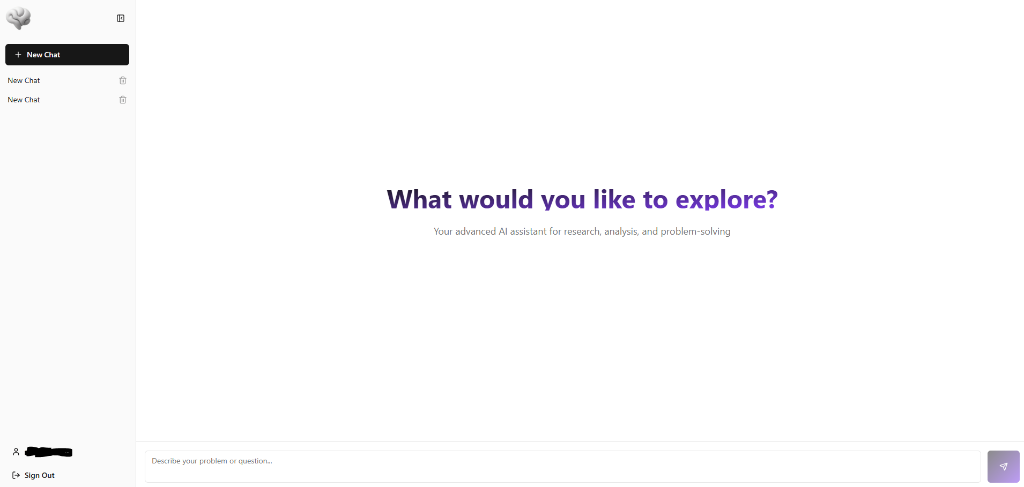
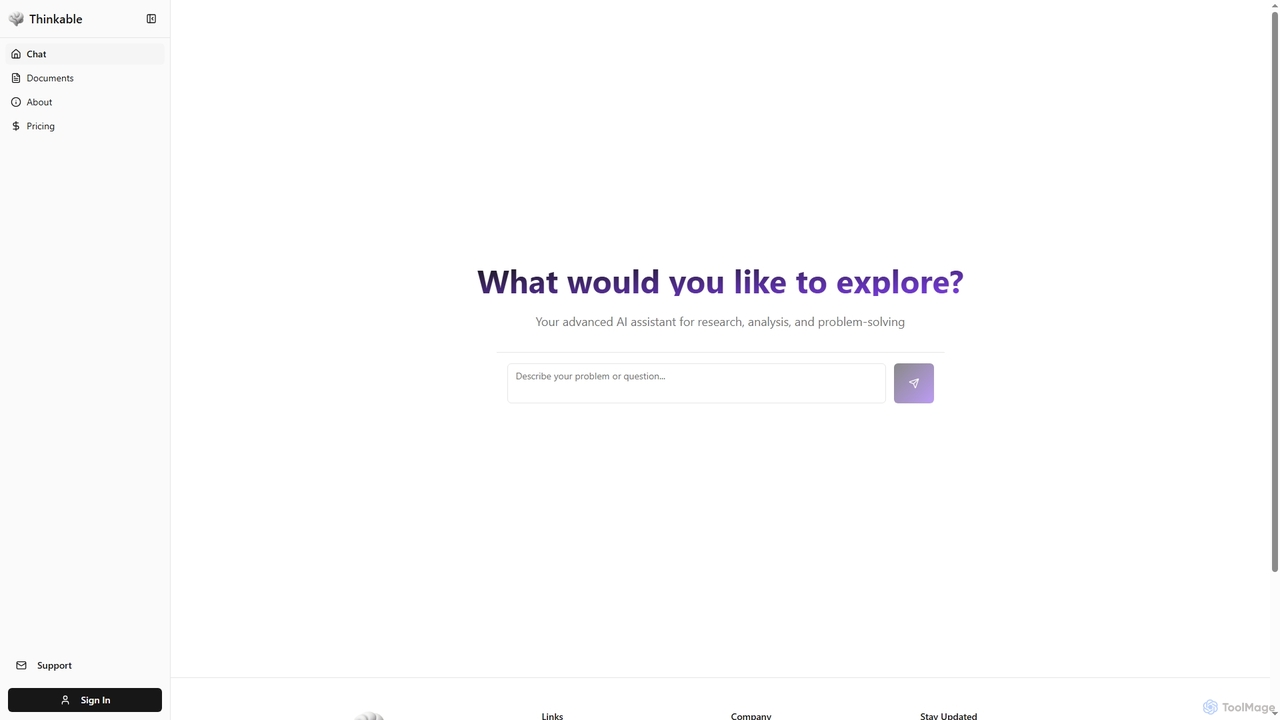
Thinkable is an advanced AI thinking companion designed to enhance human intelligence through deep research, analysis, and problem-solving. It leverages cognitive science principles to foster active learning, personal growth, and critical thinking, adapting to your unique learning style for effective information absorption and retention.

Critical Thinking
Visits 3.5KFavorites 140Likes 132

About Study Aid

Study Aid AI tools are designed to enhance learning efficiency and academic performance by leveraging artificial intelligence. These tools utilize advanced algorithms to personalize study plans, automate note-taking, summarize complex texts, and provide adaptive practice. They empower students, educators, and lifelong learners to optimize their study processes, understand difficult concepts more easily, and manage their academic workload effectively, ultimately contributing to personal development through improved knowledge acquisition.

Core Features

  • Personalized Learning Paths: AI analyzes learning styles and progress to suggest tailored study materials and sequences.
  • Intelligent Summarization: Automatically condenses long articles, lectures, or textbooks into key points and summaries.
  • Adaptive Quizzing: Generates customized practice questions based on user performance, focusing on areas needing improvement.
  • Smart Note-Taking & Organization: Assists in structuring notes, identifying key information, and linking related concepts.
  • Language Learning Support: Provides interactive exercises, pronunciation feedback, and vocabulary building tools.

Applicable Scenarios

Students from high school to university utilize Study Aid tools for exam preparation, research, and daily coursework. Professionals seeking to acquire new skills or certifications benefit from personalized learning modules. Educators can use these tools to create adaptive assignments and track student progress more effectively, fostering a more engaging and efficient learning environment.

How to Choose

When selecting a Study Aid AI tool, consider its primary function (e.g., summarization, quizzing, language learning) and how well it aligns with your specific learning goals. Evaluate its integration capabilities with existing platforms like learning management systems, user-friendliness, and the accuracy of its AI algorithms. Finally, assess the pricing model and the availability of customer support to ensure a sustainable and effective learning experience.

Featured tool rankings

Study Aid use cases

1

Streamlining Research for Academic Papers

University students and researchers often spend countless hours sifting through academic papers and articles. An AI Study Aid tool can automatically summarize lengthy research documents, extract key findings, and identify relevant citations. This allows users to quickly grasp the core arguments of multiple papers, synthesize information more efficiently, and save significant time during the literature review phase, enabling them to focus more on critical analysis and writing.

2

Personalized Exam Preparation and Practice

Students preparing for standardized tests or university exams can leverage Study Aid AI tools for highly personalized practice. The AI analyzes past performance, identifies weak areas, and generates adaptive quizzes focusing on those specific topics. It provides instant feedback, detailed explanations, and recommends additional resources, ensuring that study time is optimized for maximum impact and helping students build confidence in challenging subjects.

3

Enhancing Language Acquisition Skills

Language learners, from beginners to advanced, can utilize AI Study Aids to accelerate their progress. These tools offer interactive vocabulary builders, pronunciation analysis with real-time feedback, and conversational practice simulations. By providing a personalized and non-judgmental environment, the AI helps users overcome speaking anxiety, improve grammar, and expand their lexicon more rapidly than traditional methods, making language learning more engaging and effective.

4

Efficient Note-Taking and Knowledge Organization

For students attending lectures or professionals participating in workshops, AI Study Aids can revolutionize note-taking. Tools can transcribe audio, highlight key points, and even generate summaries from spoken content. They also help organize notes into structured formats, create mind maps, and link related concepts across different sessions, ensuring that information is easily retrievable and comprehensible for future review and deeper understanding.

5

Mastering Complex Technical Concepts

Individuals studying STEM fields or complex technical subjects often struggle with abstract concepts. AI Study Aids can break down intricate topics into simpler explanations, provide interactive simulations, and offer step-by-step problem-solving guides. By presenting information in multiple formats and adapting to the user's comprehension level, these tools make challenging subjects more accessible and help learners build a solid foundational understanding.

6

Creating Adaptive Lesson Plans for Educators

Educators can employ AI Study Aids to design dynamic and personalized lesson plans. The AI can analyze student performance data, identify common misconceptions, and suggest differentiated learning activities or resources for individual students or groups. This capability allows teachers to cater to diverse learning needs within a single classroom, ensuring that every student receives targeted support and appropriate challenges, thereby enhancing overall learning outcomes.

Study Aid FAQ

What are Study Aid AI tools?

Study Aid AI tools are applications that use artificial intelligence to assist individuals in learning, studying, and skill development. They leverage AI to personalize content, automate tasks like summarization and note-taking, and provide adaptive feedback. Their core purpose is to make learning more efficient, engaging, and tailored to individual needs, covering areas from academic subjects to professional skill acquisition.

How do Study Aid AI tools personalize learning?

Study Aid AI tools personalize learning by analyzing a user's interactions, performance data, and learning preferences. They identify strengths and weaknesses, then adapt the content, pace, and difficulty of exercises accordingly. This includes recommending specific resources, generating custom quizzes on challenging topics, and adjusting the presentation of information to match the user's optimal learning style, ensuring a highly individualized educational experience.

Who can benefit most from using AI Study Aids?

A wide range of individuals can benefit from AI Study Aids. This includes students at all levels (K-12, university, graduate) for homework, exam prep, and research. Lifelong learners and professionals seeking to acquire new skills or certifications also find them invaluable. Educators can use them to create adaptive materials and track student progress, making learning more accessible and effective for diverse groups.

What's the difference between a general learning app and an AI Study Aid?

A general learning app typically offers static content, pre-set courses, and fixed quizzes. An AI Study Aid, however, uses artificial intelligence to provide dynamic, adaptive, and personalized experiences. It can analyze user input, generate unique content (like summaries or questions), and adjust its approach based on real-time performance, offering a much more interactive and tailored learning journey compared to traditional apps.

Can AI Study Aids replace human teachers or tutors?

No, AI Study Aids are designed to complement, not replace, human teachers or tutors. While they excel at automating repetitive tasks, providing personalized practice, and offering instant feedback, they lack the emotional intelligence, nuanced understanding of individual student contexts, and the ability to foster critical thinking and creativity in the same way a human educator can. They serve as powerful assistants to enhance the learning process.