Agentfield
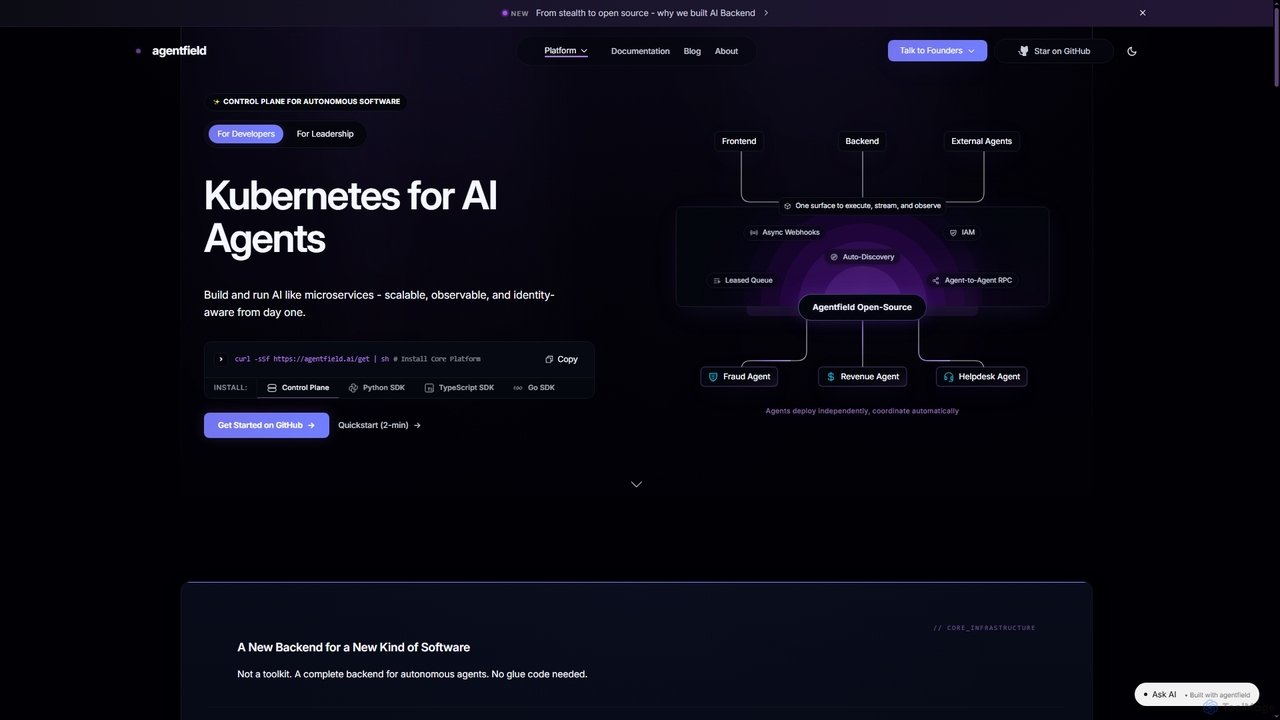
Agentfield is an open-source control plane designed for building and running autonomous AI agents as scalable, observable, and …
Agentfield is an open-source control plane designed for building and running autonomous AI agents as scalable, observable, and identity-aware microservices. It provides Kubernetes-like orchestration, cryptographic identity management, and production-ready infrastructure to bridge the gap between AI prototypes and robust, trustworthy production deployments.
Adaptive Profile
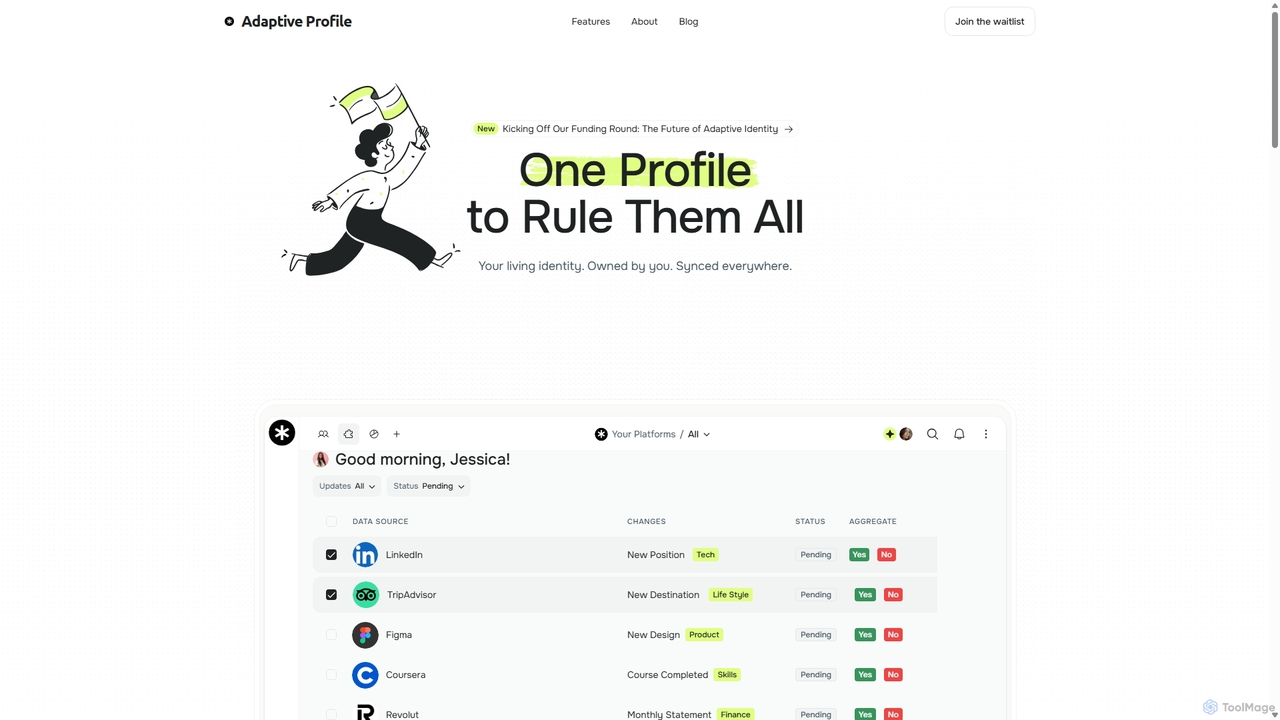
Adaptive Profile is an AI-powered platform that unifies your scattered digital identity into a single, user-owned, and self-updating …
Adaptive Profile is an AI-powered platform that unifies your scattered digital identity into a single, user-owned, and self-updating profile. It syncs data from various platforms like LinkedIn, Spotify, and Coursera in real-time, giving you complete control over your personal information and how it's shared.
Descope
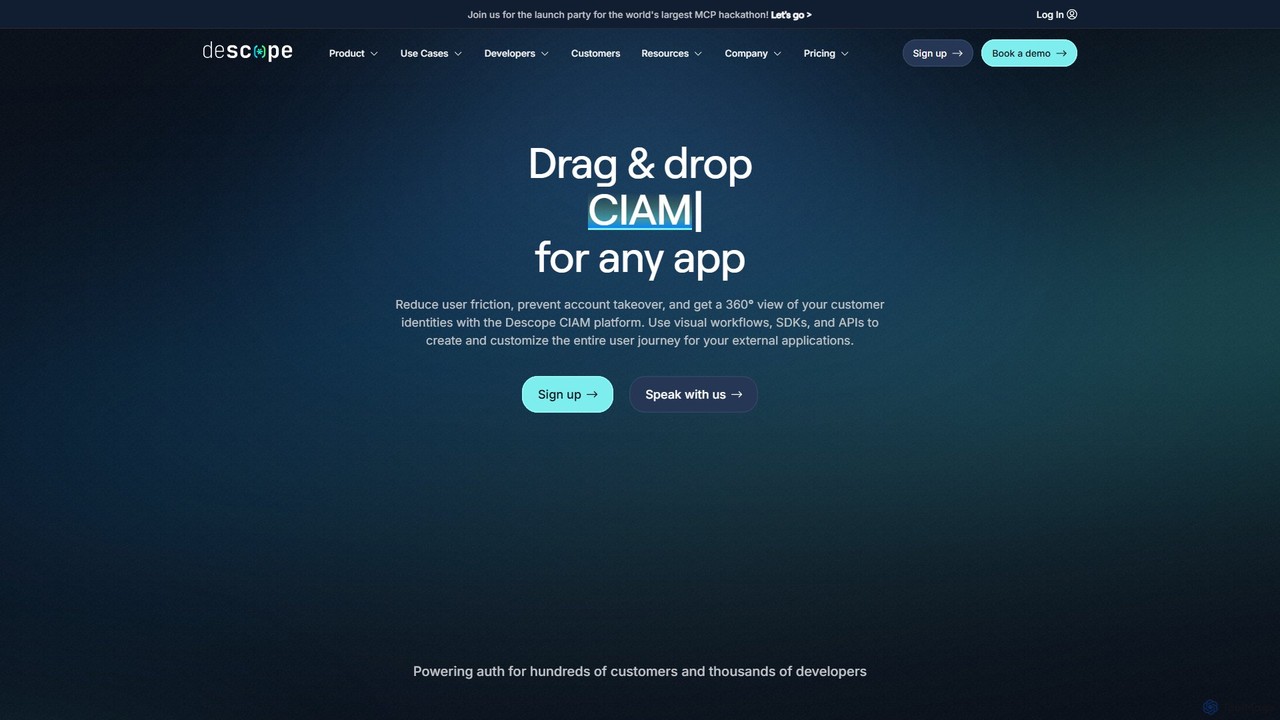
Descope is a customer identity and access management (CIAM) platform that enables developers to easily add authentication, user …
Descope is a customer identity and access management (CIAM) platform that enables developers to easily add authentication, user management, and authorization to any application. It offers a visual drag-and-drop workflow builder, comprehensive SDKs, and APIs to create secure and frictionless user journeys, from passwordless login to enterprise-grade SSO.
blynkkr
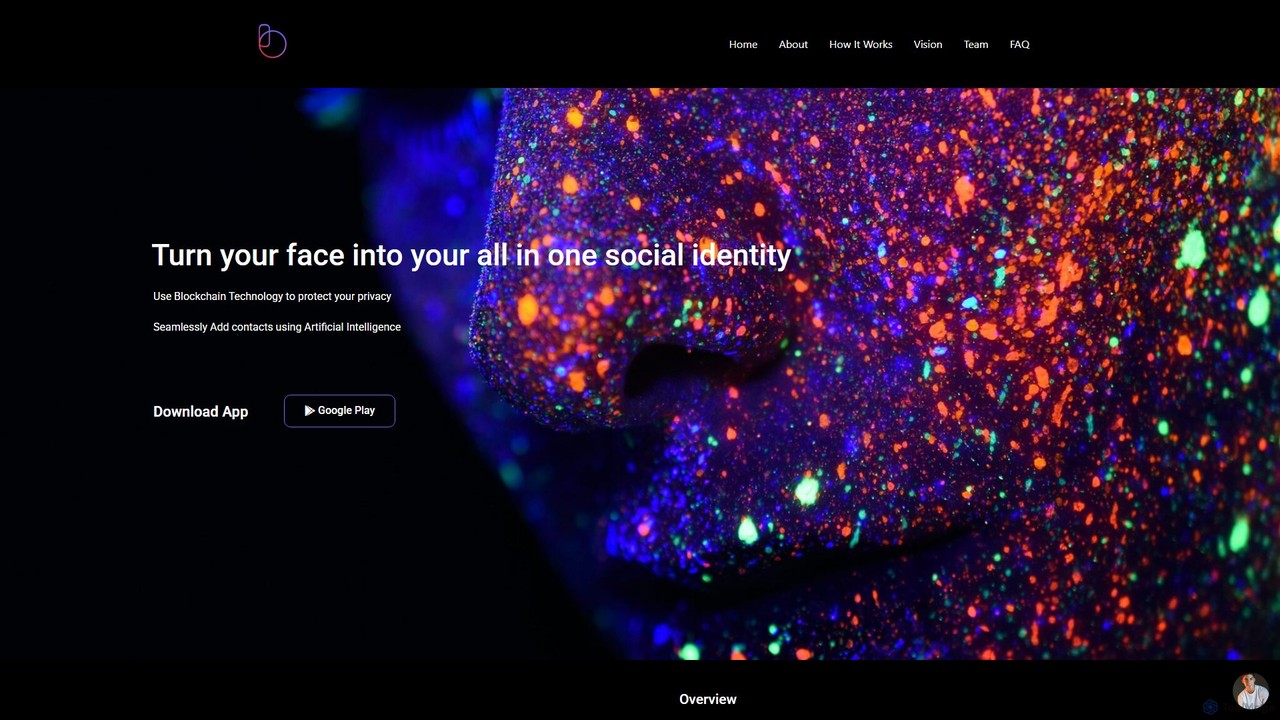
blynkkr is a revolutionary app that transforms your face into a decentralized social identity. It uses AI facial …
blynkkr is a revolutionary app that transforms your face into a decentralized social identity. It uses AI facial recognition to seamlessly add contacts and blockchain technology to secure your data. Consolidate all your social media profiles into one secure, shareable digital card, giving you complete control over your privacy and online presence.
Stytch
Stytch is a developer-first identity platform for building secure and scalable authentication and authorization. It offers a comprehensive …
Stytch is a developer-first identity platform for building secure and scalable authentication and authorization. It offers a comprehensive suite of tools, including passwordless login, SSO, multi-factor authentication, and advanced fraud protection. Designed for both human users and AI agents, Stytch simplifies complex auth flows for B2B SaaS and consumer applications, enabling teams to focus on core product development.
About Identity Management
Identity Management (IM) tools are AI-powered solutions designed to securely manage and verify digital identities across various systems and applications. As a critical component within the broader cybersecurity landscape, these tools automate the lifecycle of user identities, from provisioning and authentication to authorization and de-provisioning. They enhance security by ensuring only authorized individuals access sensitive resources, while also streamlining user experience and compliance processes.
Core Features
- Automated Provisioning: Automatically creates, updates, and deletes user accounts across multiple systems based on predefined rules and roles.
- Single Sign-On (SSO): Enables users to access multiple applications with a single set of credentials, improving convenience and reducing password fatigue.
- Multi-Factor Authentication (MFA): Adds layers of security by requiring users to verify their identity through multiple methods, such as passwords, biometrics, or security tokens.
- Access Governance: Defines and enforces granular access policies, ensuring users only have the necessary permissions for their roles.
- Identity Analytics: Utilizes AI to detect anomalous behavior and potential security threats by analyzing user access patterns and activities.
Use Cases
Identity Management tools are essential for organizations of all sizes to maintain robust security postures and operational efficiency. They are widely adopted in corporate environments for managing employee access to internal systems, in cloud services to secure customer data, and in regulatory compliance efforts to demonstrate proper access controls. These tools help prevent unauthorized access, mitigate insider threats, and simplify audit processes.
How to Choose
When selecting an Identity Management solution, consider its integration capabilities with existing IT infrastructure and third-party applications. Evaluate the breadth of its authentication methods, including support for advanced MFA options. Assess its scalability to accommodate future growth and its compliance features for meeting industry regulations. Finally, review the vendor's security posture and support services to ensure long-term reliability.
Identity ManagementUse Cases
Secure Employee Onboarding & Offboarding
HR and IT departments use Identity Management tools to automate the creation of accounts and assignment of appropriate access rights for new employees across all necessary systems (e.g., email, CRM, internal applications). Conversely, during offboarding, these tools ensure immediate and complete revocation of all access, minimizing security risks and manual errors. This streamlines the process, saving significant time and enhancing security compliance.
Implementing Single Sign-On for SaaS Applications
Organizations with numerous Software-as-a-Service (SaaS) subscriptions deploy Identity Management solutions to provide employees with a seamless Single Sign-On (SSO) experience. Instead of managing multiple usernames and passwords, users log in once to a central identity provider, gaining access to all authorized applications. This significantly improves user productivity and reduces help desk calls related to password resets.
Enhancing Customer Identity and Access Management (CIAM)
E-commerce platforms and online service providers leverage CIAM features within Identity Management to manage customer registrations, logins, and profile data securely. These tools offer features like social login, self-service password reset, and consent management, improving customer experience while ensuring data privacy and compliance with regulations like GDPR or CCPA.
Enforcing Multi-Factor Authentication for Critical Systems
IT security teams implement Multi-Factor Authentication (MFA) via Identity Management platforms for access to sensitive data, financial systems, or administrative consoles. By requiring a second verification step (e.g., a code from a mobile app, a biometric scan), even if a password is compromised, unauthorized access is prevented. This significantly strengthens the overall security posture against phishing and credential stuffing attacks.
Automating Access Reviews for Compliance Audits
Compliance officers utilize Identity Governance and Administration (IGA) capabilities within Identity Management tools to automate regular access reviews. These tools generate reports on who has access to what resources, when, and why, allowing managers to certify or revoke permissions. This simplifies the auditing process for regulations like SOX, HIPAA, or ISO 27001, ensuring continuous compliance and reducing manual effort.
Detecting Anomalous User Behavior
Security operations centers (SOCs) employ Identity Management solutions with integrated AI-driven analytics to monitor user activity for unusual patterns. For example, if an employee suddenly attempts to access sensitive files outside their usual working hours or from an unfamiliar location, the system can flag this as suspicious, trigger an alert, or even temporarily block access. This proactive detection helps identify and mitigate potential insider threats or compromised accounts.