Security Best in category 8 results Risk Management AI Tool

Popular AI tools in the Risk Management field of Security include Auditive、FRAI、hoggo、ZeroRisk、mitigated.io、cyberriskai、Risqui、Proof&Trust, etc., helping you quickly improve efficiency.

Free
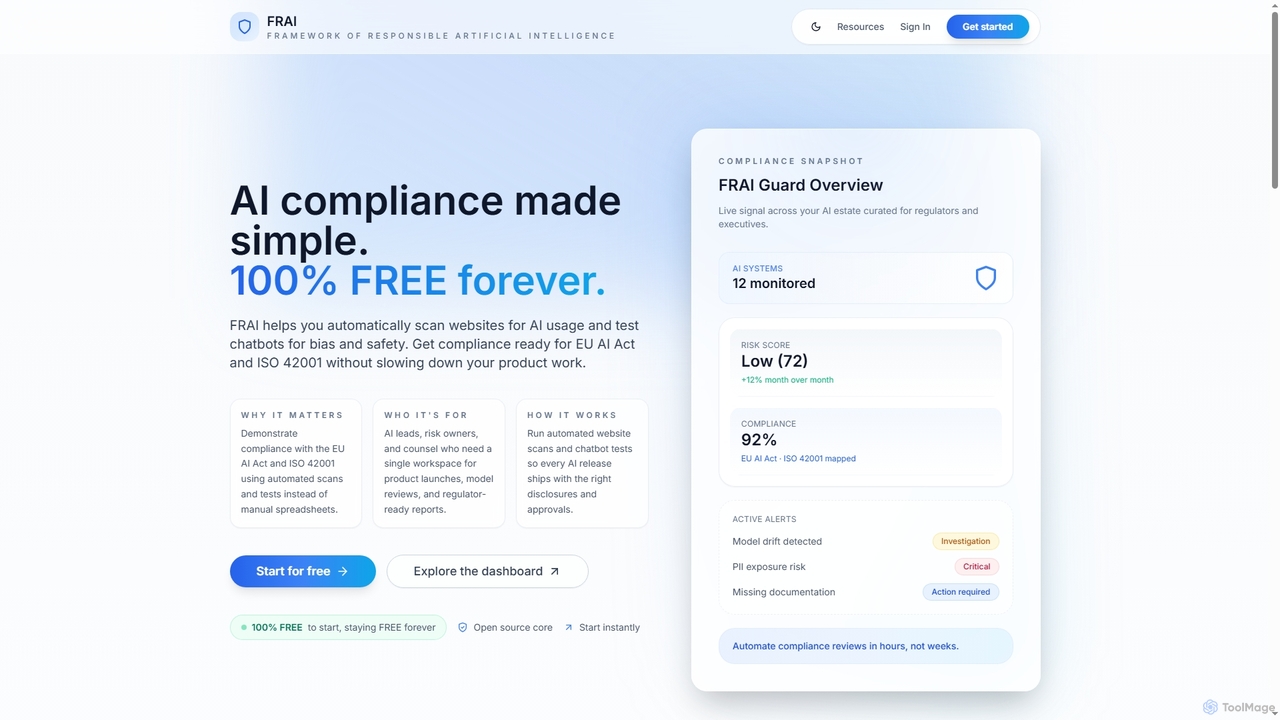
FRAI

FRAI

FRAI is a comprehensive, free-forever AI compliance platform designed to simplify adherence to global AI regulations like the …

4.8K
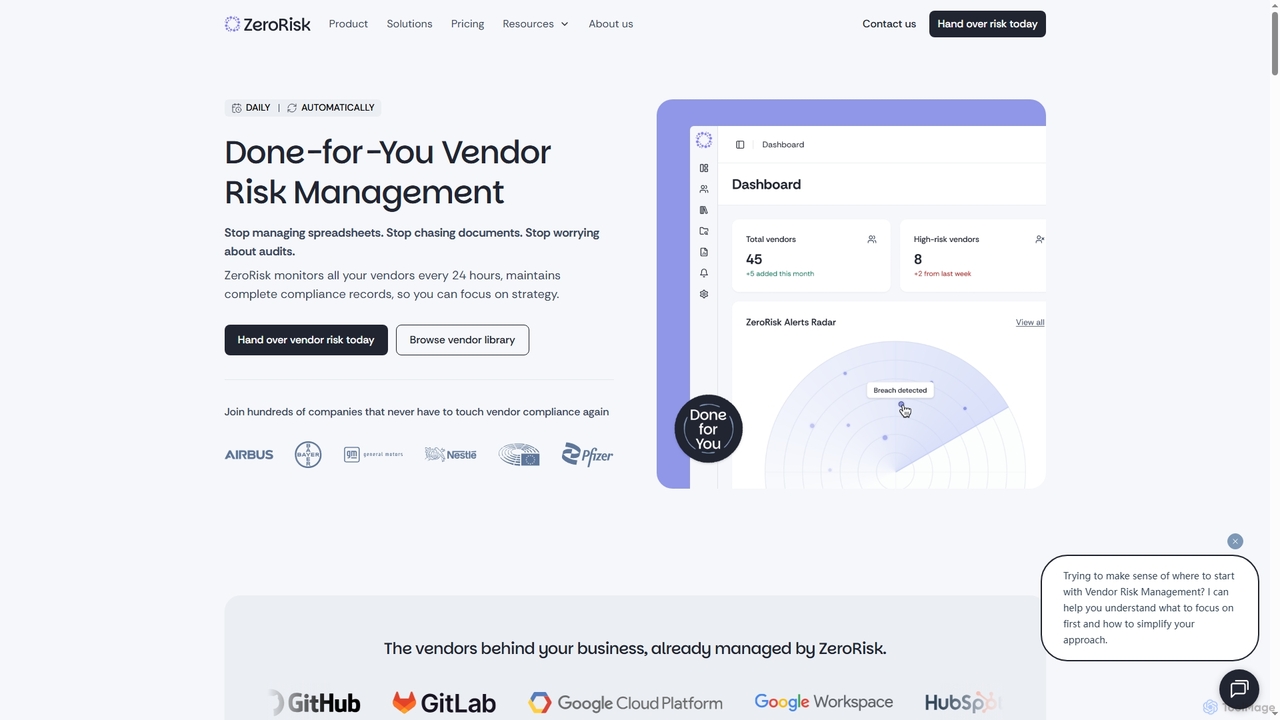
ZeroRisk

ZeroRisk

ZeroRisk offers a done-for-you vendor risk management service, automating daily monitoring, compliance mapping, and audit-ready reporting for third-party …

3.2K
mitigated.io

mitigated.io

mitigated.io is an AI-powered risk mitigation platform that helps businesses proactively identify, analyze, and neutralize threats across cybersecurity, …

2.7K
Risqui

Risqui

Risqui is an AI-powered platform designed to simplify and enhance information security and privacy risk management. It streamlines …

2.7K
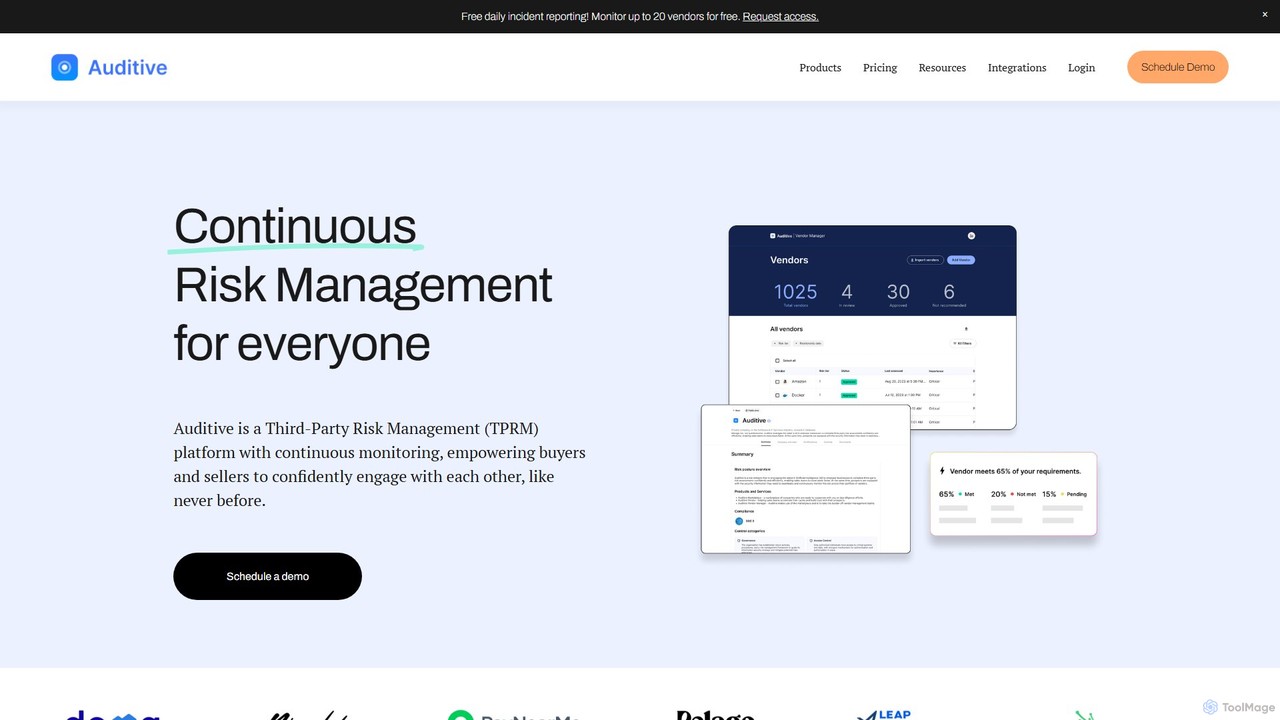
Auditive

Auditive

Auditive is an AI-powered Third-Party Risk Management (TPRM) platform that automates security reviews and provides continuous monitoring. It …

5.7K
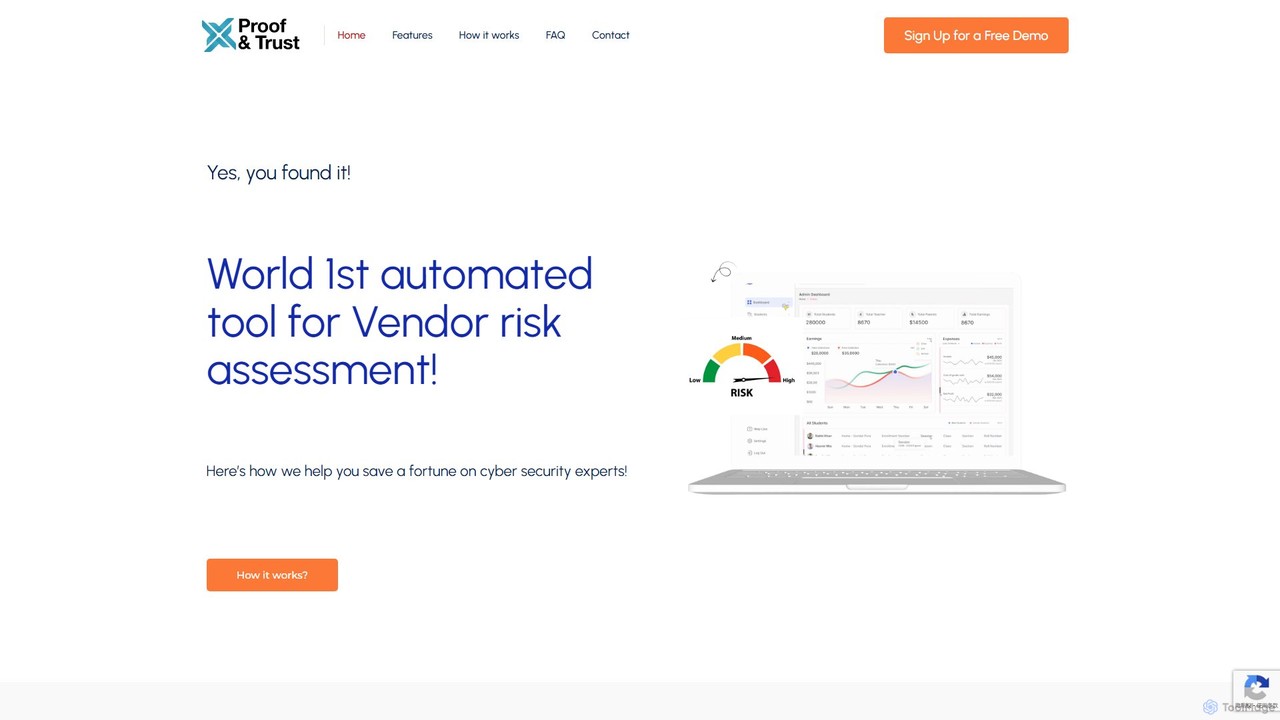
Proof&Trust

Proof&Trust

Proof&Trust is the world's first AI-powered tool for automated vendor risk assessment. It enables businesses of all sizes …

2.6K
cyberriskai

cyberriskai

CyberRiskAI is an AI-powered platform designed for proactive cybersecurity risk management. It leverages predictive threat intelligence and automated …

2.7K
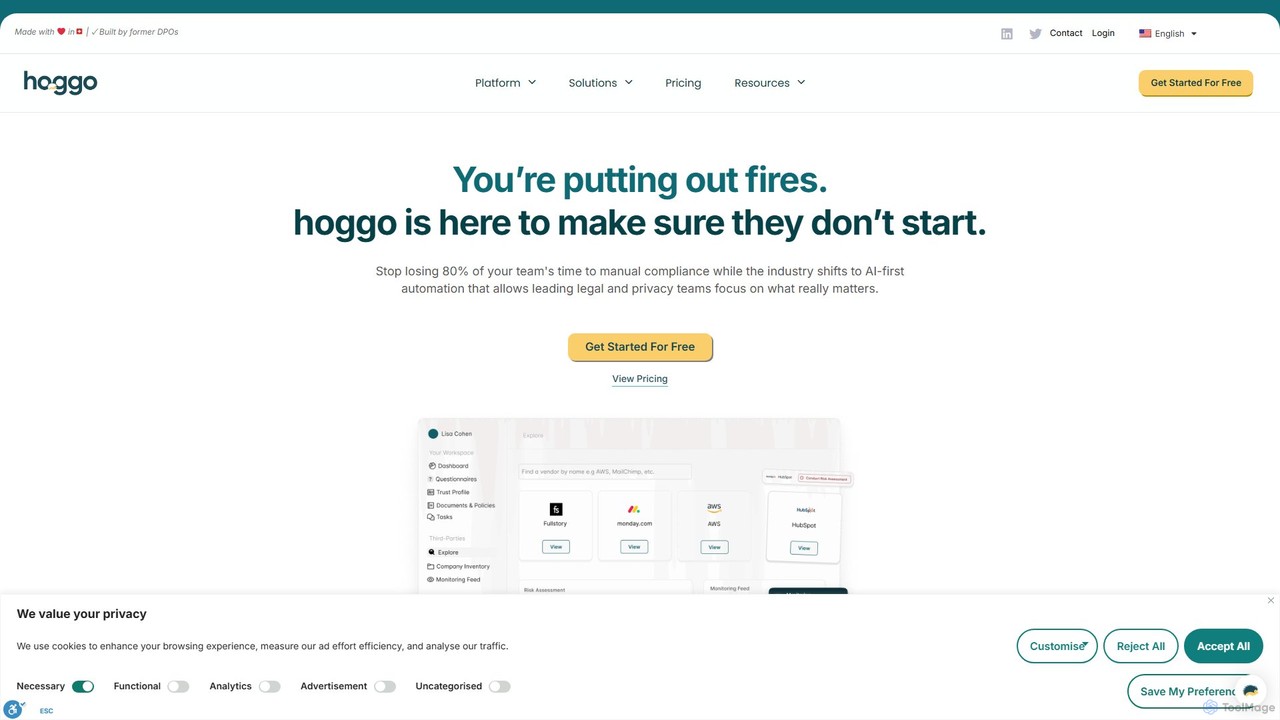
hoggo

hoggo

hoggo is an AI-powered compliance automation platform designed to streamline third-party risk management. Built by former Data Protection …

4.1K

About Risk Management

AI Risk Management tools are a specialized class of software that uses artificial intelligence to proactively identify, assess, and mitigate potential threats to an organization. These tools leverage machine learning and predictive analytics to analyze vast datasets, uncovering patterns and anomalies that signal potential financial, operational, or security risks. They enable businesses to move from a reactive to a predictive risk posture, making data-driven decisions to protect assets and ensure regulatory compliance. This approach provides a more dynamic and comprehensive view of risk compared to traditional, manual methods.

Core Features

  • Predictive Risk Analytics: Utilizes machine learning models to forecast the probability and impact of future risk events based on historical and real-time data.
  • Automated Threat Detection: Continuously monitors internal and external data sources to identify emerging threats, fraud, or compliance breaches in real time.
  • Compliance Monitoring: Automates the process of tracking regulatory requirements and assessing an organization's adherence to standards like GDPR, HIPAA, or SOX.
  • Scenario Modeling & Simulation: Allows users to simulate the potential impact of various risk scenarios to develop and test effective response strategies.
  • Risk Prioritization: Employs AI algorithms to score and rank identified risks based on their potential impact and likelihood, focusing resources on the most critical threats.

Use Cases

AI Risk Management tools are crucial in data-intensive industries such as finance, insurance, healthcare, and manufacturing. They are used by risk analysts, compliance officers, and C-level executives to manage credit risk, detect fraudulent transactions, predict supply chain disruptions, and ensure cybersecurity resilience. For example, a bank might use these tools to assess loan default probabilities, while a logistics company could predict delivery delays due to geopolitical events.

How to Choose

When selecting an AI Risk Management tool, consider its specific risk coverage (e.g., financial, cyber, operational). Evaluate its integration capabilities with your existing systems like ERP and CRM. Assess the transparency and explainability of its AI models (XAI), which is crucial for regulatory audits. Also, consider the tool's scalability to handle your data volume and the quality of its industry-specific compliance modules.

Risk ManagementUse Cases

1

Financial Credit Risk Assessment

A financial institution's credit analysis team uses an AI Risk Management tool to evaluate loan applications. The system analyzes not only traditional credit scores but also alternative data sources like transaction history and online behavior. By identifying subtle patterns indicative of default risk, the AI model provides a more accurate risk score than conventional methods. This allows the institution to approve more creditworthy applicants who might have been overlooked, while reducing potential losses from high-risk loans, ultimately improving the profitability and stability of their lending portfolio.

2

Predicting Supply Chain Disruptions

A global manufacturing company employs an AI Risk Management platform to monitor its complex supply chain. The tool integrates data from weather forecasts, shipping lane traffic, geopolitical news, and supplier performance metrics. It uses predictive analytics to flag potential disruptions, such as a factory shutdown due to a natural disaster or shipping delays from port congestion. The system then recommends alternative suppliers or routes, allowing the supply chain manager to proactively mitigate risks, avoid costly production halts, and maintain delivery schedules.

3

Automated Regulatory Compliance Monitoring

A healthcare organization uses an AI-powered tool to ensure continuous compliance with HIPAA regulations. The system automatically scans patient records, access logs, and communication channels for potential data privacy violations. It identifies anomalies, such as unauthorized access to a patient's file, and generates real-time alerts for the compliance officer. This automates a previously manual and error-prone audit process, reducing the risk of significant fines and reputational damage while ensuring patient data is consistently protected according to legal standards.

4

Real-Time E-commerce Fraud Detection

An online retail platform integrates an AI Risk Management tool into its checkout process. The AI analyzes hundreds of data points for each transaction in milliseconds, including IP address, device fingerprint, purchase history, and shipping address. It flags suspicious orders that deviate from a customer's normal behavior or match known fraud patterns. This allows the platform to automatically block high-risk transactions or send them for manual review, significantly reducing chargebacks and financial losses without adding friction for legitimate customers.

5

Cybersecurity Threat Intelligence Analysis

A corporate security operations center (SOC) uses an AI Risk Management tool to analyze vast streams of security data, including network logs, threat intelligence feeds, and endpoint data. The AI identifies sophisticated, low-and-slow attack patterns that would be missed by traditional rule-based systems. It correlates seemingly unrelated events to uncover a coordinated attack campaign. This enables the SOC team to proactively hunt for threats, respond faster to incidents, and strengthen defenses against advanced persistent threats (APTs), reducing the overall cyber risk exposure of the organization.

6

Operational Risk Modeling in Manufacturing

An automotive manufacturer uses an AI Risk Management tool for operational risk. The system analyzes data from IoT sensors on the assembly line, maintenance records, and employee shift patterns. It predicts the likelihood of equipment failure or human error that could lead to a production stoppage. By providing early warnings, the plant manager can schedule pre-emptive maintenance or adjust staffing to prevent downtime. This data-driven approach optimizes production efficiency, reduces maintenance costs, and minimizes the risk of failing to meet manufacturing targets.

Risk ManagementFrequently Asked Questions